Unveiling the Mysteries of Tradescantia Pallida: The Purple Heart
When thinking of houseplants, you might picture the usual green suspects. But let’s flip the script with a plant that is as dramatic as it is low-maintenance: the Tradescantia pallida, affectionately known as the Purple Heart. With its vibrant purple leaves, this plant is like the royal guest in your home’s green room. But there’s more beneath the surface—let’s dive into some quirky and lesser-known facts about this fascinating flora.
A Colorful Chameleon
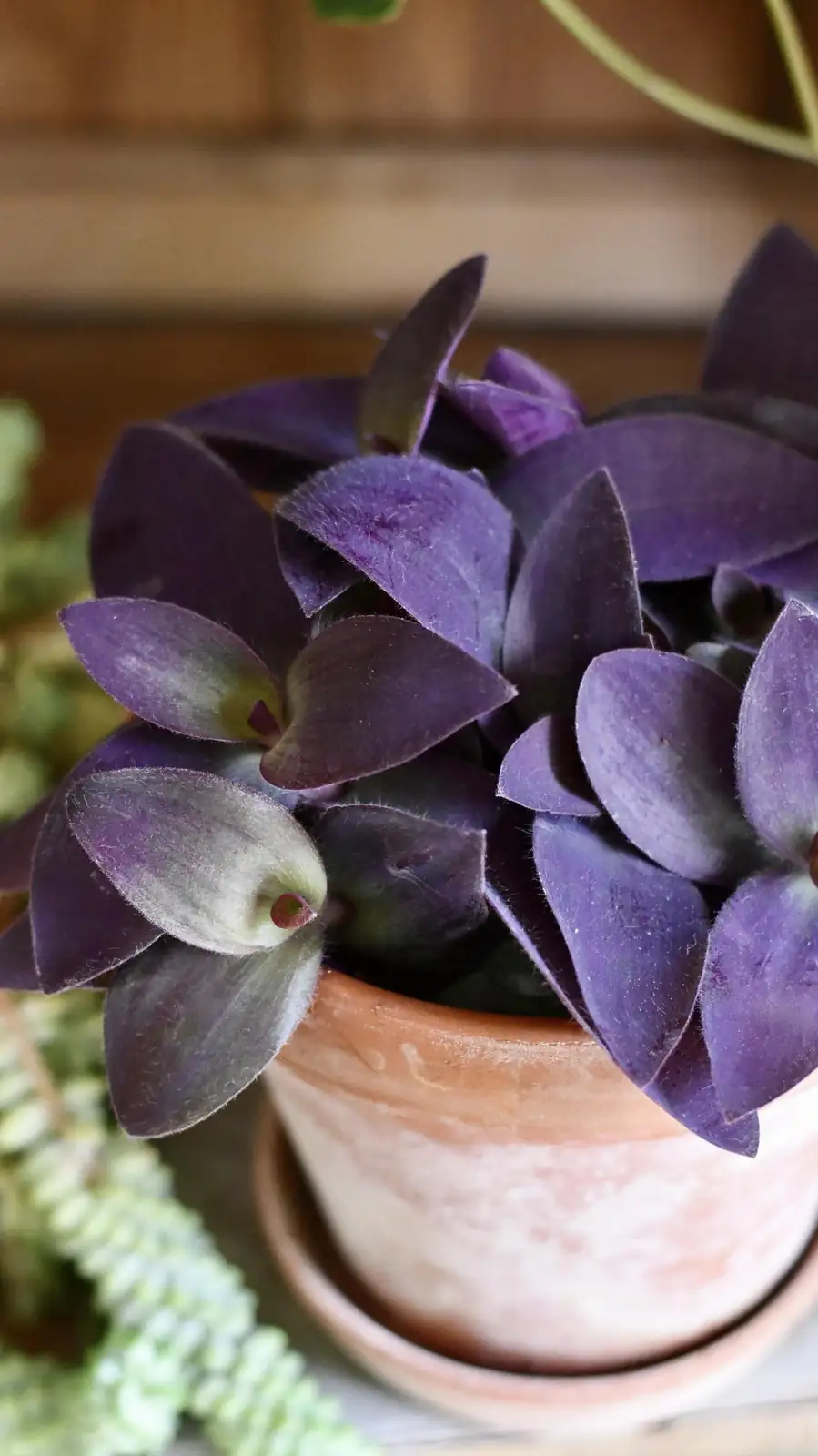
One of the most captivating aspects of the Purple Heart is its ability to change color depending on its environment. Imagine a plant that can alter its wardrobe—this is exactly what Tradescantia pallida does! In full sun, it flaunts a deep, regal purple. However, when it finds itself in the shade, it becomes more subdued, with its leaves shifting towards a green hue. This color-changing ability not only makes it visually dynamic but also hints at its need for light to maintain its vibrant appearance. So, if your Purple Heart starts turning green, it might be hinting that it craves a sunnier spot.
Short-Lived Blooms with a Long-Lasting Impact
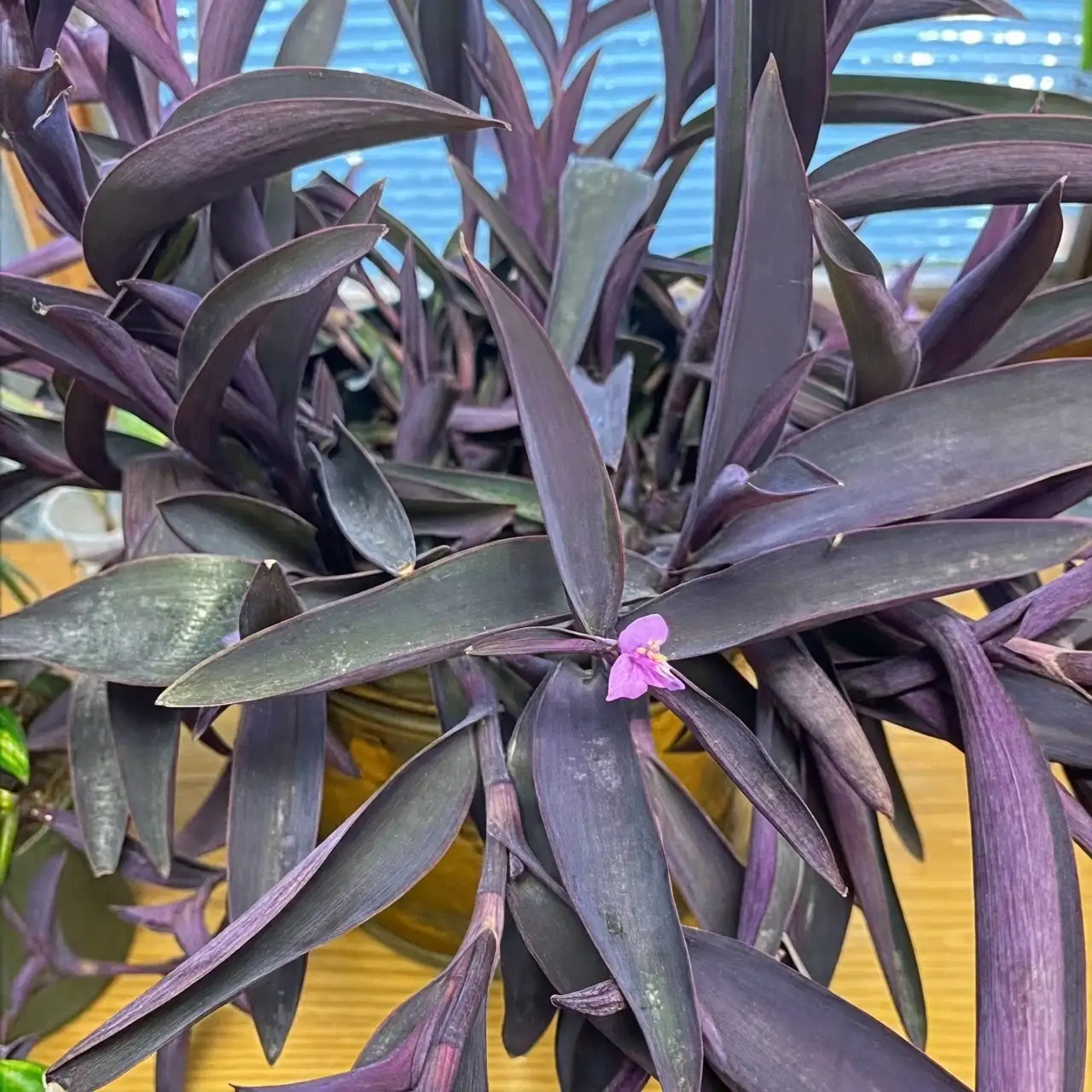
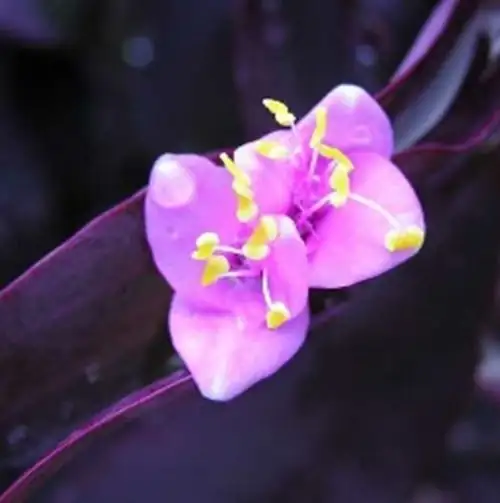
While the foliage of Tradescantia pallida is the star of the show, its flowers deserve a standing ovation too. Each tiny bloom is a delicate shade of pink to pale purple, with three petals and bright yellow stamens that catch the eye. However, these flowers don’t hang around for long—they often open in the morning and fade by midday. Despite their fleeting presence, they appear over a long season from midsummer through fall. It’s a floral reminder that beauty can be temporary, yet impactful, echoing themes of living in the moment and appreciating transient beauty.
A Spreading Sensation
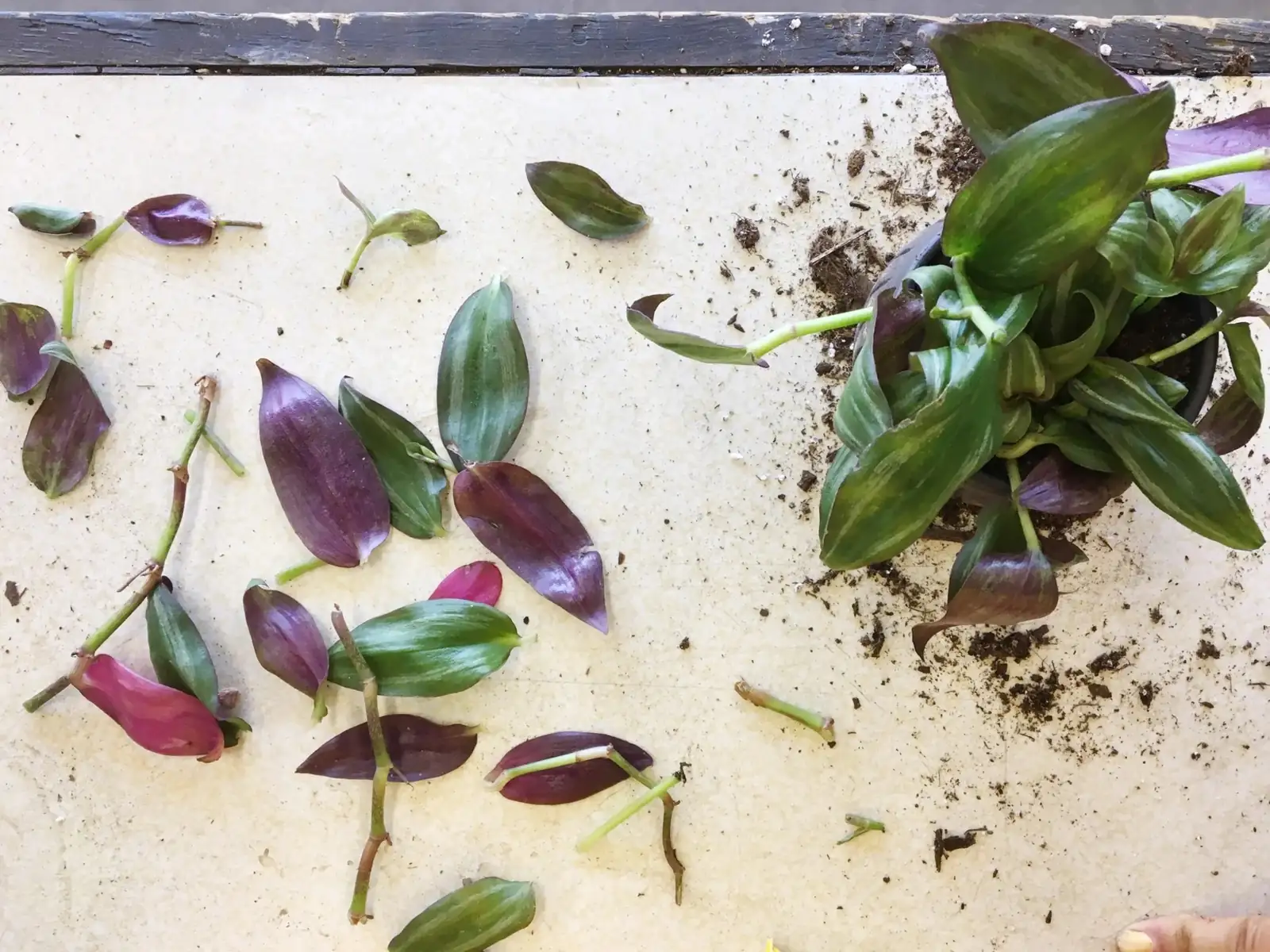
Tradescantia pallida is not just an eye-catching plant; it’s also a master of propagation. Its stems are fragile and snap easily, but if a piece lands on soil, it roots quickly, spreading into a lush carpet of purple. This makes it an excellent choice for ground cover, adding a pop of color to borders or cascading beautifully from hanging baskets. If you’re keen to propagate, a simple stem cutting will do the trick—just snip, plant, and watch it grow!
The Science Behind the Beauty
Beyond its ornamental appeal, the Purple Heart is involved in some serious scientific endeavors. It’s used in the Tradescantia micronucleus assay, a tool for detecting DNA-damaging agents. This highlights the plant’s sensitivity to environmental changes, making it a valuable bioindicator. Moreover, it’s often mentioned in discussions about indoor air quality, rumored to help reduce volatile organic compounds (VOCs), although real-world results can vary based on conditions.
Care and Keeping: A Plant with Simple Demands
Despite its exotic appearance, the Purple Heart is surprisingly low-maintenance, making it perfect for both beginners and busy plant parents. Here’s a quick guide to keeping your plant thriving:
- Sunlight: Loves bright light for best color but tolerates partial shade. If indoors, a sunny window works wonders.
- Watering: Water deeply, but let the topsoil dry between waterings to avoid root rot.
- Temperature: Thrives between 18–30°C (64–86°F), but beware of temperatures below 4°C (40°F).
- Propagation: Snip a stem, stick it in soil or water, and watch it root—easy as pie!
A Word of Caution
While it’s a delight for the eyes, the Purple Heart can be mildly toxic if ingested by pets or people, and its sap may irritate the skin. So, it’s best to keep it out of reach of curious pets and small children, and wash your hands after handling.
The Purple Heart in Culture and Symbolism
In the language of flowers, Tradescantia pallida is often associated with admiration, devotion, and enduring love. Its vibrant purple color is also linked with wisdom and richness, making it a popular choice for Feng Shui-inspired décor. This plant doesn’t just decorate your space; it enriches it with an air of elegance and depth.
So, whether you’re an experienced gardener or just starting your plant journey, Tradescantia pallida offers a unique blend of beauty, ease, and intrigue. It’s more than just a pretty face in the plant world—it’s a conversation starter, a natural air purifier, and a symbol of living in the moment. Embrace the Purple Heart, and let it add a touch of whimsy and wonder to your green collection.