

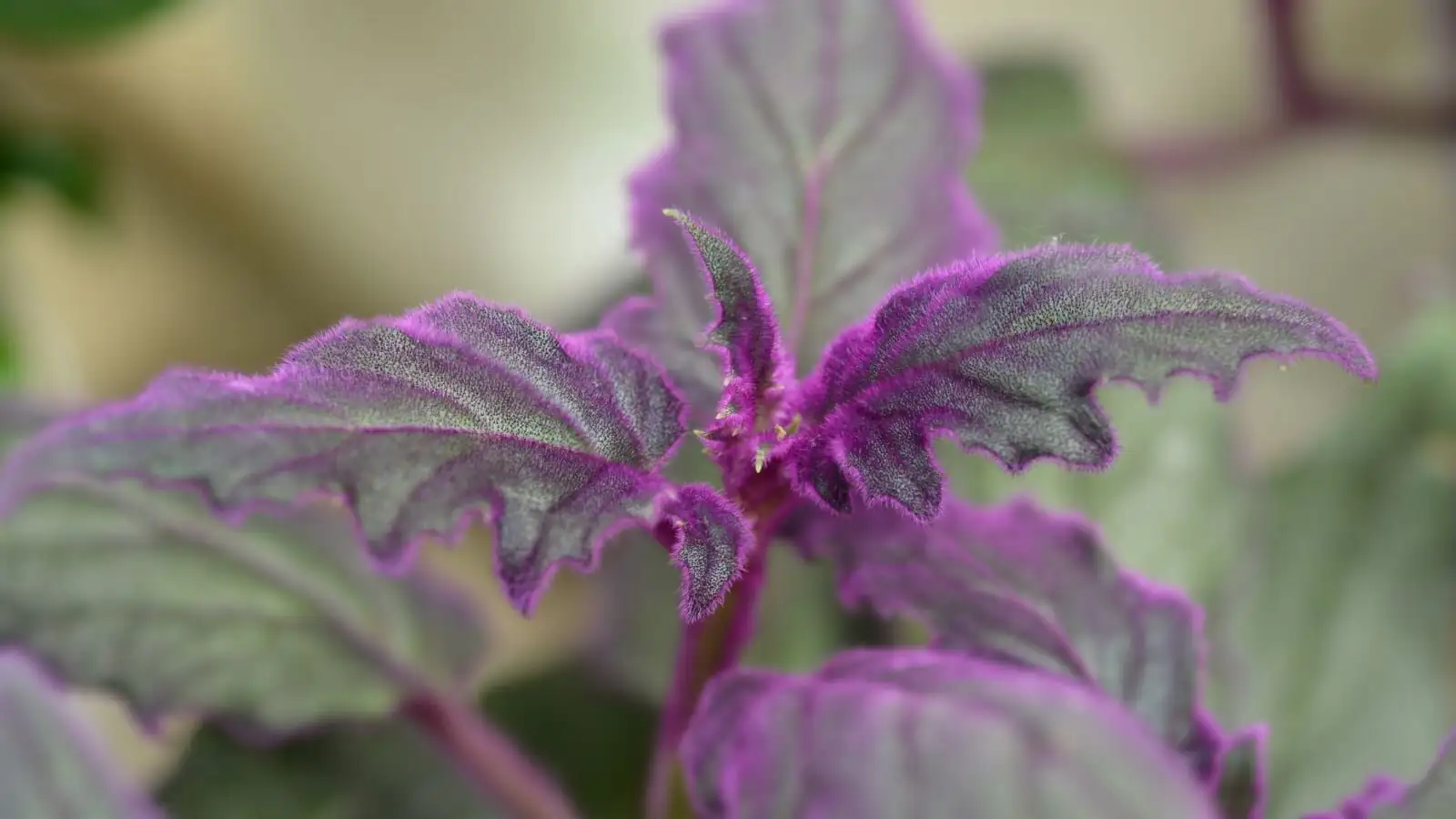
Purple Passion Plant (Gynura aurantiaca) wears a plush purple coat for a reason: those fine velvet hairs are gorgeous—but they also trap moisture, dust, and pests if care slips. When something looks off, act fast. This rapid-response guide gives you crisp ID cues and a gentle-but-effective IPM plan tailored to fuzzy leaves so you can stop problems before they snowball.
Know your plant at a glance
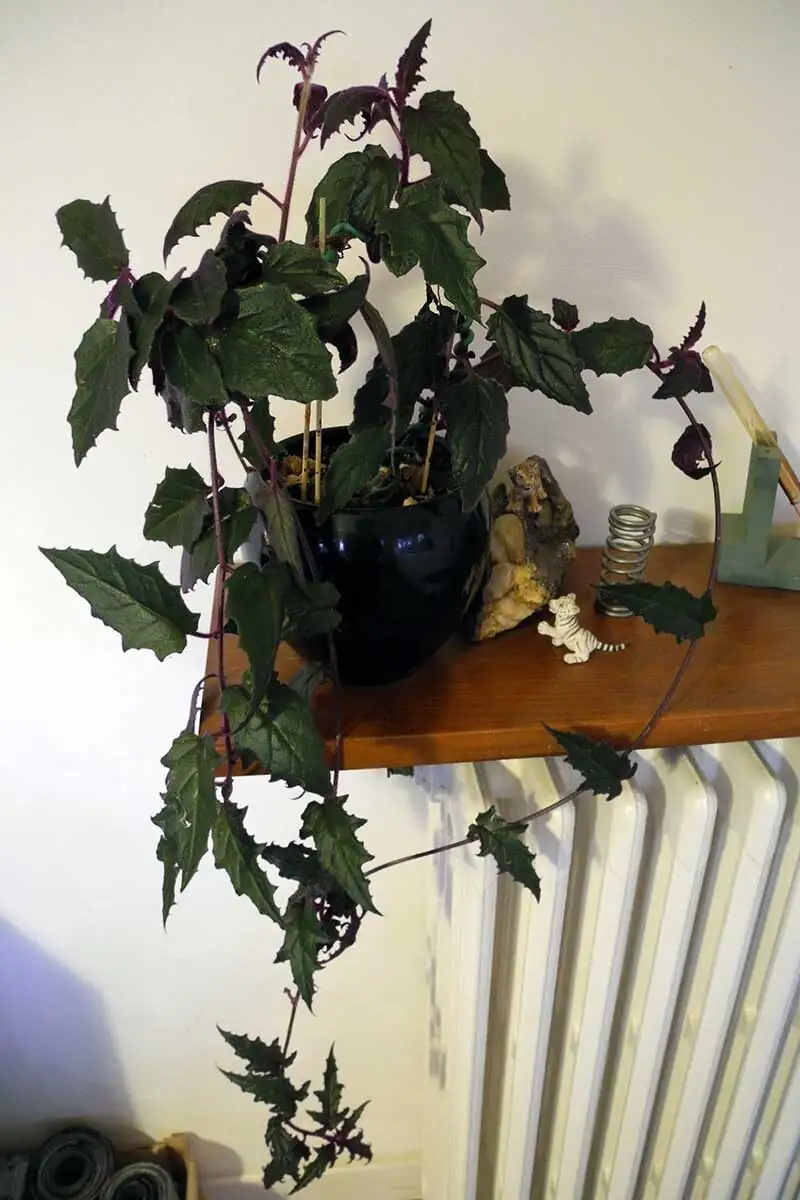
- Identity: Gynura aurantiaca (Asteraceae), a compact-to-trailing houseplant grown for its electric purple, velvety foliage. Indoors, many growers pinch off the small yellow–orange daisies because they can smell unpleasant.
- Ideal conditions: Bright, indirect light; 15–24°C (59–75°F) with a hard minimum around 10°C (50°F); moderate humidity (40–60%) with good airflow; loose, well-draining potting mix. Water at the soil line only—never wet the fuzz.
Quick symptom ID: what you’re seeing right now
- Webbing + fine speckling or bronzing = spider mites
- Cottony clumps in leaf nooks, on stems, or at the soil line = mealybugs (check for root mealies, too)
- Sticky leaves, windowsill, or pot (honeydew) + possible sooty mold = aphids or whiteflies
- Orange-brown pinhead pustules under leaves that dust off = rust (fungal)
- Constantly wet mix, limp stems/leaves despite moist soil, sulfur/rot smell = root rot
- Also common on this plant:
- Dull, spotted patches after splashes or misting (water clings to hairs)
- Greener, leggier growth and faded purple in low light
- Yellowed, scorched-looking patches after chills below ~10°C (50°F)
Triage in 10 minutes (do this first)
- Isolate the plant away from others.
- Move to bright, indirect light; increase airflow (small fan on low, not directly blasting).
- Stop all misting and overhead watering. Water only at the soil line.
- Sanitize: wipe the shelf and nearby surfaces; add yellow sticky cards to monitor flying pests.
- Prune and discard heavily infested or rusted leaves (seal in trash).
- Hold fertilizer until new, healthy growth resumes.
IPM that respects velvety leaves
Velvet leaves need extra care: avoid drenching sprays; target pests precisely; keep foliage as dry as possible. Always spot-test any soap or oil on a single leaf, wait 24 hours, then proceed if no damage. Never treat in strong sun or on heat-stressed plants.
Spider mites (webbing)
- Confirm: Fine webbing in leaf axils/undersides; stippling/bronzing.
- Cultural fixes:
- Boost humidity around, not on, the plant (pebble tray or humidifier), and improve airflow.
- Keep leaves dust-free with a soft, dry brush or blower bulb; dust encourages mites.
- Mechanical/chemical:
- Break webs with a soft artist’s brush.
- Dab undersides with a lightly dampened microfiber cloth containing a very dilute insecticidal soap; blot dry immediately.
- Alternatively, apply an ultra-light horticultural oil (0.5–1%) carefully to leaf undersides using a cotton pad or small sprayer with shield; avoid dripping. Blot excess.
- Repeat weekly for 3 weeks; monitor by tapping a leaf over white paper.
Mealybugs (cottony clumps)
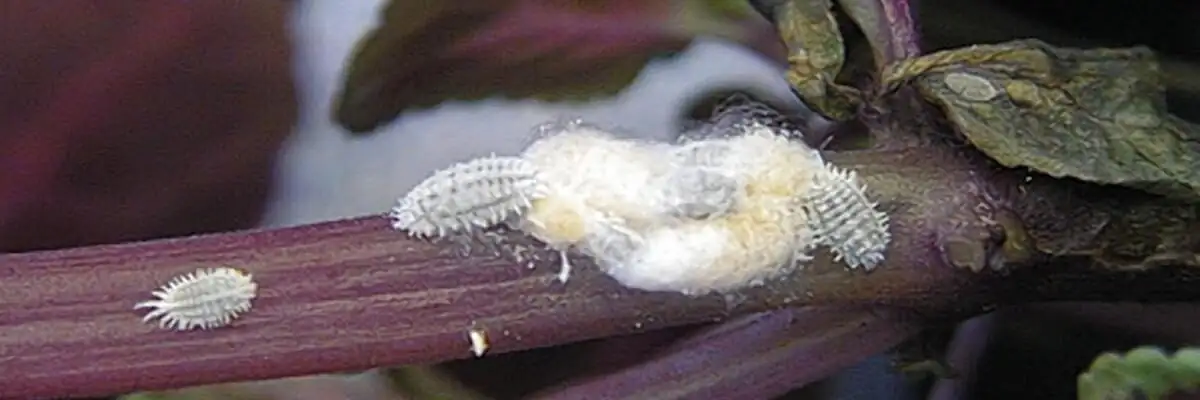
- Confirm: White, cottony masses in crevices; honeydew may appear on nearby surfaces.
- Mechanical/chemical:
- Spot-treat with 70% isopropyl alcohol on cotton swabs; dab, don’t rub hard. Repeat every 3–5 days until gone.
- For light infestations, follow with a cautious, targeted insecticidal soap wipe; blot the fuzz dry.
- Soil-line alert (root mealies):
- Look for cottony bits at the crown/roots and in drainage holes.
- Best fix: unpot, gently tease and rinse roots, trim infested roots, repot into a clean pot with fresh, airy mix. Discard old soil. Keep evenly, lightly moist.
Aphids and whiteflies (honeydew)
- Confirm: Sticky honeydew; aphids cluster on tender tips; whiteflies flutter when disturbed.
- Cultural/mechanical:
- Pinch off heavily infested tips.
- Use yellow sticky cards to trap whitefly adults and monitor populations.
- Chemical:
- Spot-apply insecticidal soap or a light horticultural oil to leaf undersides with a pad/small sprayer; blot after 10–15 minutes.
- Repeat at 7–10 day intervals until new growth is clean.
Rust (rust pustules)
- Confirm: Orange-brown powdery pustules on undersides that brush off; thrives in humid, stagnant air and on wet leaves.
- Cultural control is key:
- Remove and discard affected leaves; improve spacing and airflow.
- Keep the foliage dry—no misting or overhead water.
- Water early in the day at the soil line; avoid crowded, steamy corners.
- Monitor new growth; if recurrence continues, reassess humidity and light to strengthen the plant.
Fungus gnats and other soil pests
- Confirm: Tiny black flies at soil; larvae feed in soggy mix and can worsen root issues.
- Management:
- Let the top 2–3 cm (about 1 in) of soil dry slightly more between waterings.
- Bottom-water, then drain thoroughly; keep the top surface on the drier side.
- Add yellow sticky cards for adults; consider a biological Bti drench for larvae.
- Repot to a fresh, better-draining mix if the medium holds too much water.
Root rot (soggy roots)
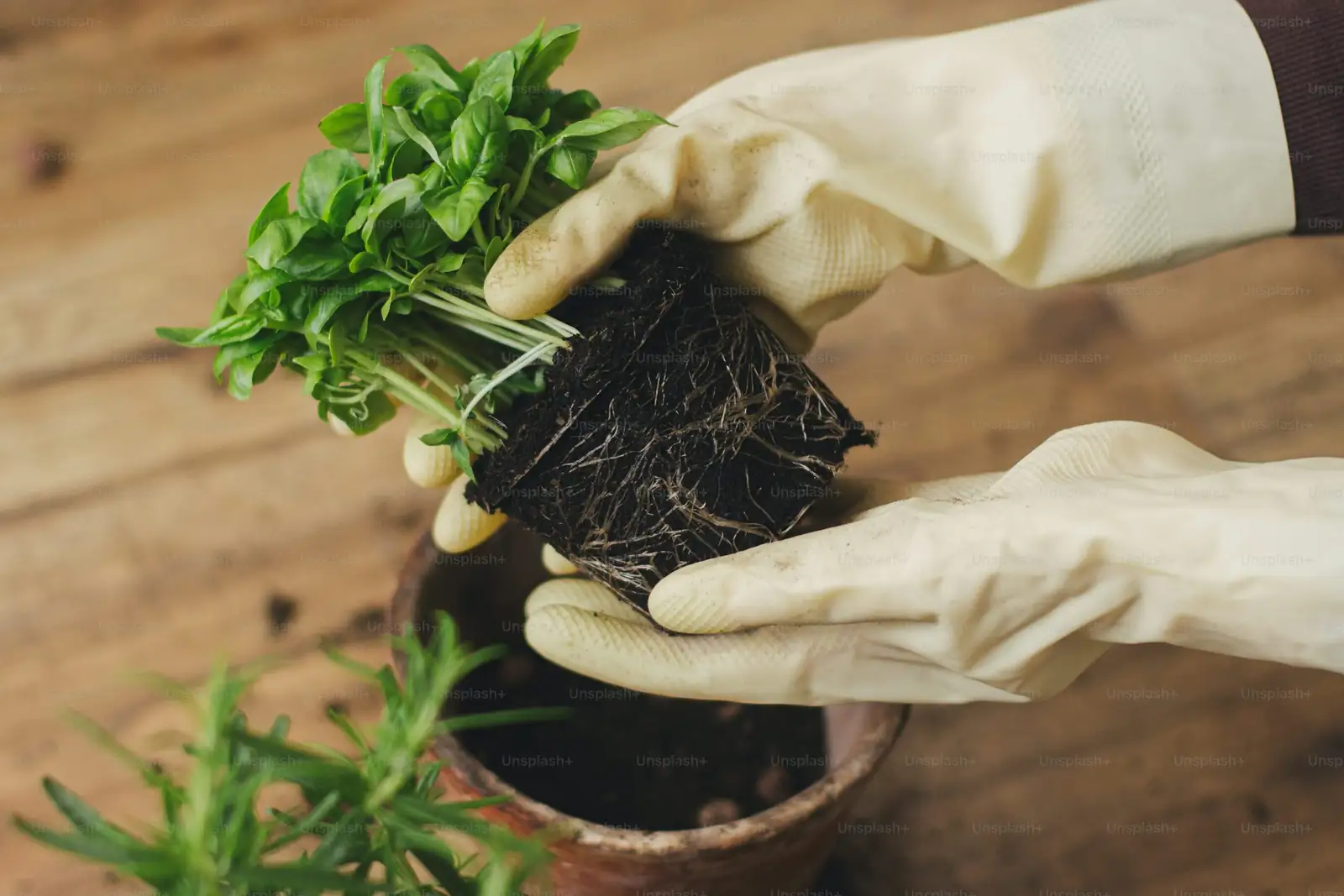
- Confirm: Limp stems/leaves despite wet soil; brown, mushy roots; earthy-sour smell.
- Immediate rescue:
- Slide the plant out; trim to firm, pale roots with sterilized shears.
- Repot into a clean container with drainage, using a loose houseplant mix amended with perlite. Keep the crown slightly elevated; avoid burying stems.
- Water lightly to settle mix; then allow the surface to begin drying before the next watering.
- Provide bright, indirect light, warmth, and airflow. Pause fertilizing until you see new growth.
How to apply soaps and oils safely on fuzzy leaves
- Choose the mildest option first (insecticidal soap or light horticultural oil).
- Spot-test one leaf; wait 24 hours.
- Target undersides and pest clusters with a cotton pad/soft brush or a small, shielded spritz.
- After 10–15 minutes, gently blot excess to keep the velvet from staying damp.
- Treat in the morning, out of direct sun, and repeat on a schedule (weekly x 2–3) to catch hatch cycles.
Watering corrections that halt problems before they start
- Spring–fall: water when the surface begins to dry; keep the mix evenly, lightly moist—not wet.
- Winter: reduce frequency; keep just barely moist, with bright light and warmth.
- Technique matters: water at the soil line; avoid splashing. Never mist this plant.
- Hardware check: ensure a pot with drainage and a free-flowing, airy mix (add perlite). Empty saucers after 10 minutes.
Prevention playbook tailored to Purple Passion
- Light: Bright, indirect light keeps the purple glow and compact shape. Too little light = green, leggy growth.
- Temperature: Aim for 15–24°C (59–75°F); protect from chills below 10°C (50°F).
- Humidity with airflow: Moderate humidity (40–60%) plus a gentle fan prevents rust and mites without wetting leaves.
- Cleanliness: Dust the velvet with a soft, dry brush. Sanitize shears; discard diseased or pest-laden leaves promptly.
- Pinch and refresh: Tip-pinching encourages a dense, trailing cascade. If plants get tired after 2–3 years, restart from easy stem cuttings.
- Flowers: Small yellow–orange daisies may appear in winter; many growers remove them early due to an often unpleasant odor.
- Buying check: Choose dense, richly purple plants with firm stems. Avoid soggy media, leaf spotting from splashes, and any soft patches.
Fast reference: signs, culprits, first moves
- Webbing: spider mites → isolate, airflow, targeted soap/oil, blot dry
- Cottony clumps: mealybugs → alcohol swabs, repeat; repot if at roots
- Honeydew: aphids/whiteflies → pinch tips, sticky traps, targeted soap/oil
- Rust pustules: rust fungus → remove leaves, keep foliage dry, increase airflow
- Soggy roots: rot → unpot, trim, repot airy mix, correct watering
Care snapshot that prevents emergencies
- Soil: Loose, fertile, well-draining mix; add perlite. Water-rooted cuttings transition easily.
- Repot: Spring is best; annually for vigor or every 2–3 years if thriving. Plant 3 starts per pot for a fuller look.
- Feeding: During spring–fall, use a balanced houseplant fertilizer either monthly at normal strength or every 2 weeks at half strength; ease off in winter. Avoid excess nitrogen.
- Safety: Not considered highly toxic, but ingestion may upset stomach. Fuzzy hairs/sap can irritate sensitive skin—gloves are a good idea during pest treatments.
Symbolism snapshot
Purple Passion’s glowing velvet is often linked with bold individuality and vibrant energy—perfect for the plant that steals the spotlight on any bright shelf.
With quick IDs, gentle targeted treatments, and foliage-friendly watering, this velvety classic stays plush and purple instead of patchy and problematic. Keep the fuzz dry, the air moving, and your eyes sharp—and your Gynura aurantiaca will keep glowing.