

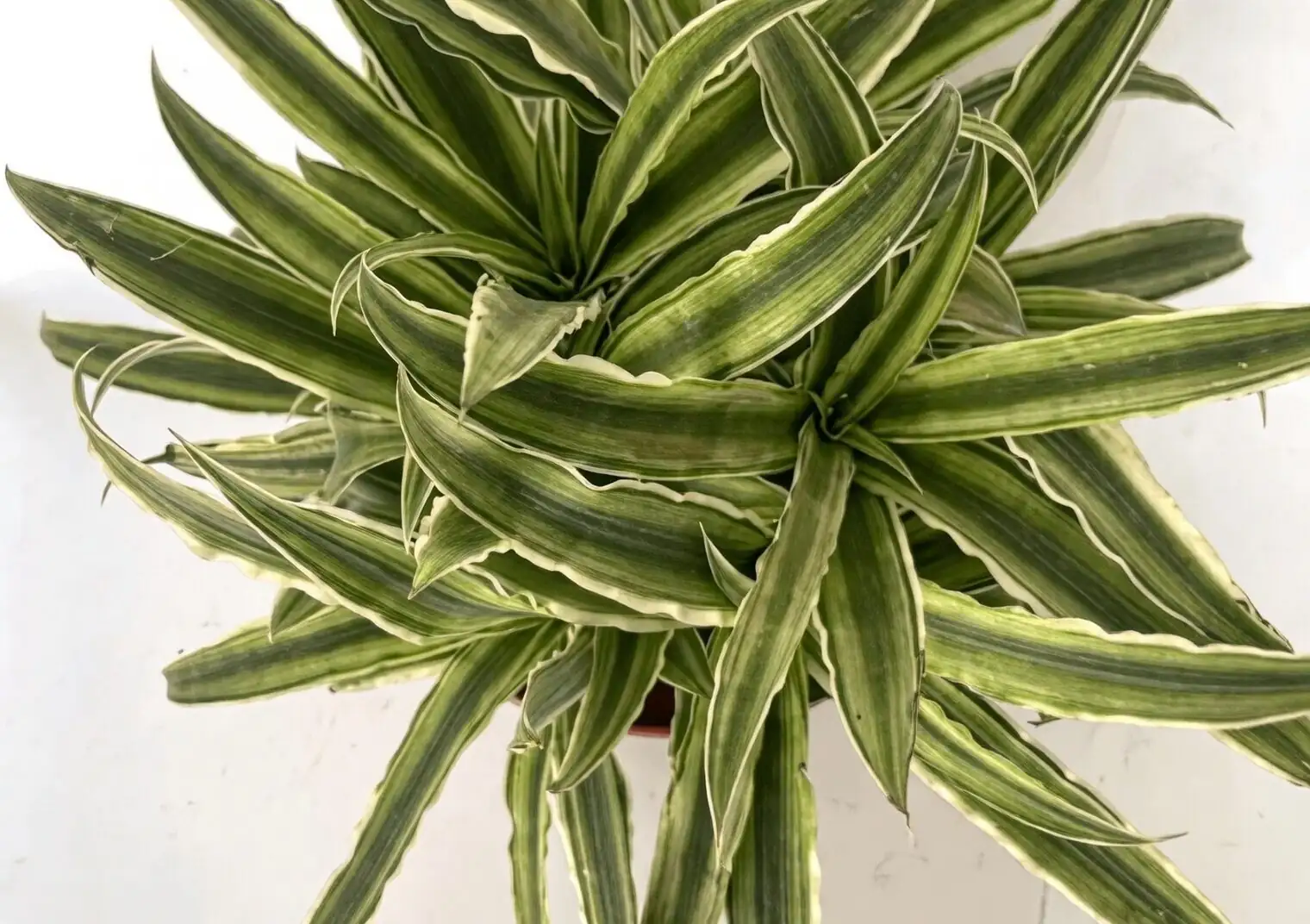
If your Earth Star looks like a little galaxy bursting with new life, you’re not imagining it—Cryptanthus bivittatus loves to multiply. The trick to turning those pups into sturdy, stand-alone stars is timing, clean technique, and an airy potting mix. Follow this confidence-boosting guide and you’ll separate, root, and establish pups quickly and safely.
Meet your Earth Star (and why pups matter)
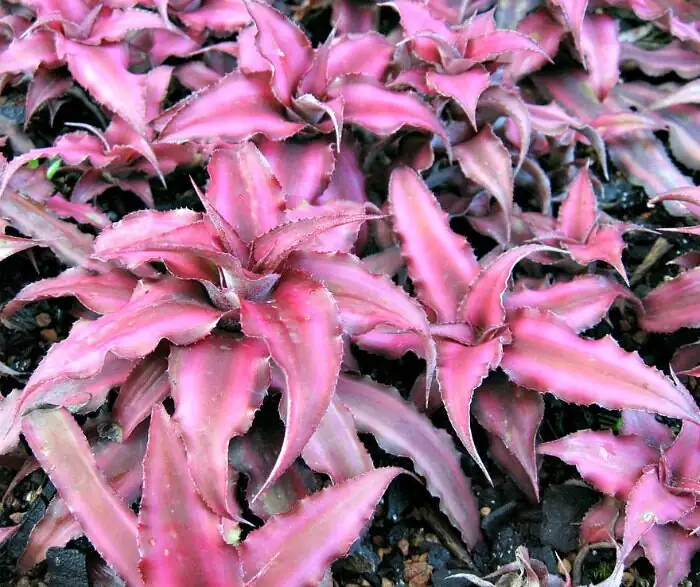
Cryptanthus bivittatus is a compact, terrestrial bromeliad from Brazil’s Atlantic Forest. It forms a low, star-shaped rosette with rippled, lightly toothed leaves that glow in greens, pinks, reds, oranges, or purples—colors intensify with brighter light. Mature rosettes stay petite, around 15 × 15 cm (6 × 6 in), and over time produce offsets (pups) around the base. After small, tucked-away white blooms (often in warmer months), the mother gradually shifts her energy to pups—your cue to grow the next generation.
- Light: Bright light is ideal; it can take some direct sun if acclimated. A bright windowsill with airflow is perfect.
- Temperature: 16–27°C (61–81°F). Avoid chills below about 10°C (50°F).
- Water quality: Rainwater or distilled water keeps leaf quality high.
- Mix: Very airy, fast-draining bromeliad-style media.
When to separate pups: the “one-third to half” rule
For fast rooting and minimal stress, wait until:
- Size: Each pup is about 1/3–1/2 the size of the mother rosette.
- Roots: You can see or feel it has its own roots starting at the base.
- Season: Best in spring to summer, when warmth and light speed establishment.
Why the size sweet spot? It balances independence (pups have enough stored energy and roots to thrive) with youth (they still adapt quickly to new pots).
Prep like a pro: tools, mix, and pots
Clean setup prevents rot and speeds recovery.
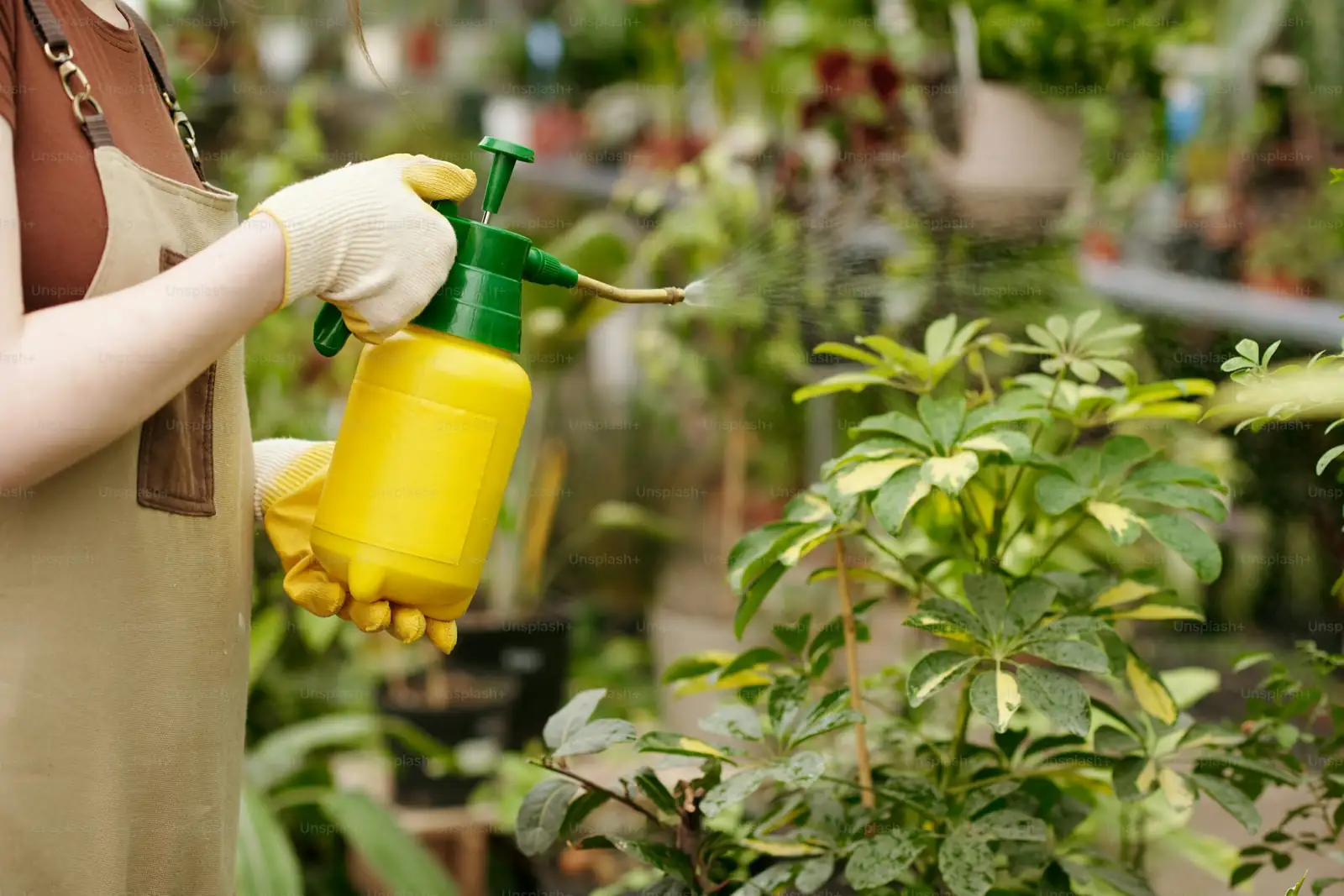
- Sterile tools: Use a sharp, sterilized knife or snips (wipe with 70% isopropyl alcohol before and after cuts). Clean hands/gloves help too.
- Pot size: Start small—about 10 cm (4 in) with generous drainage.
- Airy mix (choose one):
- Equal parts orchid bark, perlite, and coco coir, or
- 1:1 orchid mix and all-purpose potting mix.
- Pre-moisten the mix so it’s evenly damp but never soggy.
- Optional: A few larger bark pieces on top help keep lower leaves off wet media and stabilize short-stemmed pups.
Step-by-step: separating and potting pups
- Expose the base. Tip the pot and gently tease away media to see where the pup joins the mother.
- Detach cleanly. Many pups release with a gentle twist. If not, make a clean cut at the narrowest connection.
- Let cuts dry briefly. If you made a cut and sap is visible, air-dry the base for 30–60 minutes before potting. This reduces rot risk.
- Pot to the first leaves. Nestle the pup so the stem is just buried, the crown is above the mix, and the rosette sits level. Firm gently to anchor—don’t compact the mix.
- Stabilize if needed. If the stem is short, a bamboo skewer or small rock can hold it steady for a week or two.
- Label and date. It helps track establishment and feeding schedules.
Tip: Keep the mother in place after division. Healthy mothers often produce more pups.
Aftercare for quick establishment
Rooting is all about gentle light, steady moisture, warmth, and airflow.
Light (week 0–2)
- Give bright, indirect light with a touch of soft morning sun.
- Avoid harsh midday sun during the first 10–14 days.
- After you see new leaves or resistance to a gentle tug, gradually acclimate to brighter light. Color will intensify.
Watering
- Goal: Evenly moist, never soggy. Always let excess drain freely.
- Water at the base of the rosette to keep the crown from sitting in water.
- Use rainwater or distilled water, lukewarm if you’re misting.
- Spring–summer: Keep the mix evenly moist.
- Winter: If you divide late, water more sparingly—just barely moist.
Pro move: Bottom-watering (briefly) helps moisten the mix without wetting the crown, then drain thoroughly.
Temperature, humidity, and airflow
- Warmth speeds rooting: aim for 21–27°C (70–81°F).
- Humidity: Moderate is fine; slightly higher helps leaf quality. If air is dry, mist lightly with lukewarm rain/distilled water—but avoid soaking the crown.
- Airflow: Good ventilation prevents stagnation and rot, especially in terrarium-style setups.
Feeding
- Wait to feed until you see active growth (usually 4–6 weeks post-division).
- Then, spring through late summer, fertilize every 2–3 months at 1/2 strength with a balanced liquid formula. Overfeeding can dull color and soften growth.
How to know it’s working
- New center leaves unfurling.
- Pup feels anchored—there’s gentle resistance to a light tug.
- Colors deepen with brighter light and steady care.
Troubleshooting quick fixes
- Pup flops or won’t anchor: Stem is short or mix too loose. Add a stake and top-dress with a few bark chips for stability.
- Leaves curl or look papery: Mix is drying too fast or light is too intense. Water slightly more often and diffuse the light for a week.
- Mushy base or blackened center: Too wet or poor airflow. Unpot, trim any rot with sterile tools, repot in fresher, airier mix, and water less often.
- Washed-out color: Increase light gradually; Earth Stars color up best in brighter conditions.
- Pests (mealybugs, scale, spider mites): Inspect leaf axils and undersides. Treat with insecticidal soap or horticultural oil and repeat as directed.
A simple timeline
- Day 0: Separate, pot, and place in bright filtered light.
- Week 1–2: Keep evenly moist and warm; roots begin to extend.
- Week 3–6: Notice new leaves and a firmer hold in the pot.
- Week 6–8: Gradually increase light; begin 1/2-strength feeding in season.
Care for the mother rosette
Let the mother recover in the same airy mix and bright light. After flowering, she may slow and focus on pups for a while before declining. Remove any dead outer leaves, keep her evenly moist (never waterlogged), and let her finish producing offsets.
Safety note
Earth Stars are generally considered non-toxic to people and pets. Sensitive skin may react to sap—gloves are a good idea when dividing and trimming.
A final nudge of “starburst” confidence
Cryptanthus bivittatus carries a resilient, punchy energy—its rosette looks like a little living firework, and its pups are your encore. Time your divisions at 1/3–1/2 the mother’s size, keep tools sterile, plant in an airy mix, and give bright, gentle light with steady moisture. In a few short weeks, you’ll have a new constellation of Earth Stars, rooted and ready to shine.