

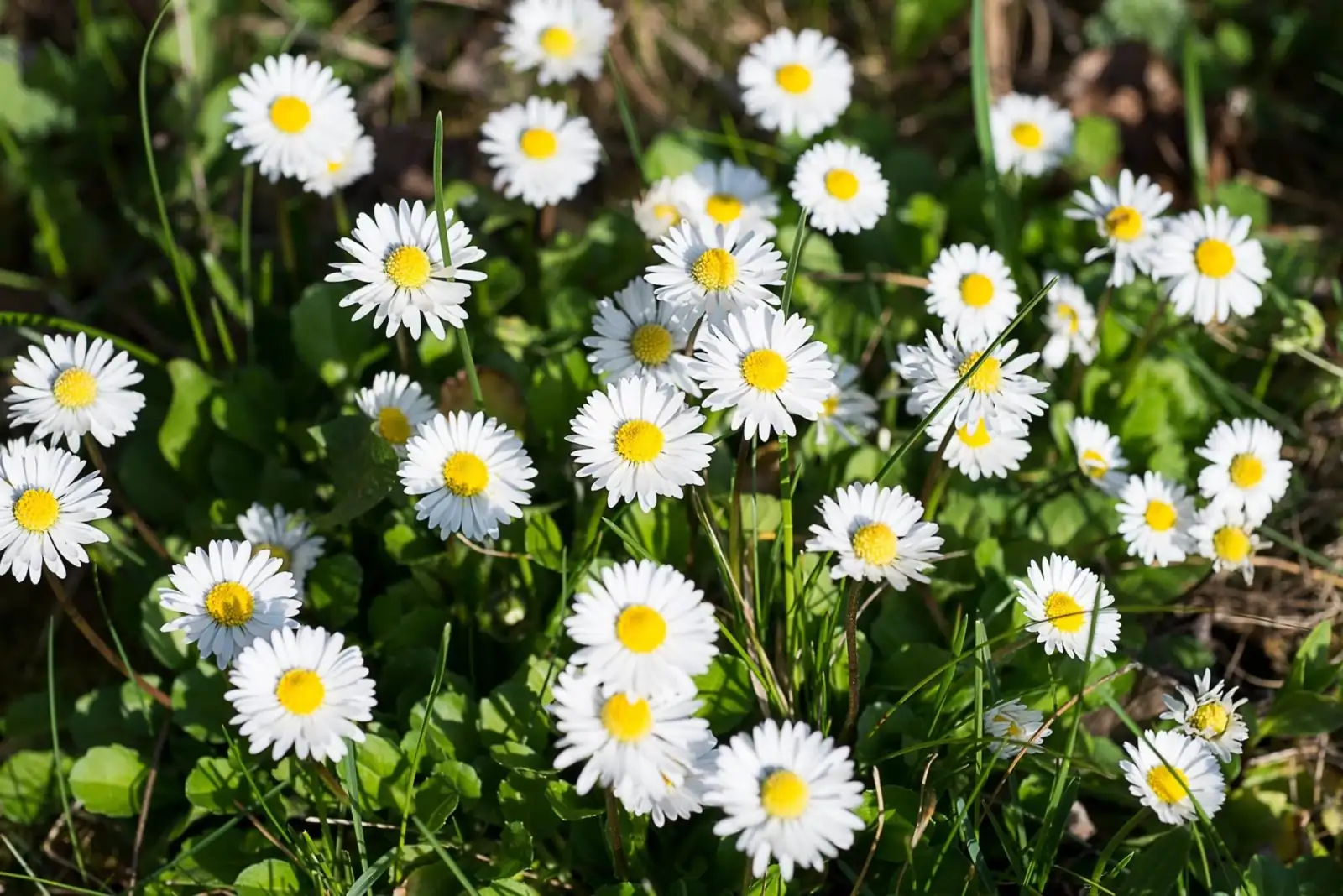
Imagine a garden filled with the cheerful faces of Bellis perennis, better known as the common daisy. This delightful flower, with its classic “button bloom” of crisp white petals and a sunny yellow center, is a gardener’s joy and a pollinator’s delight. Whether you’re looking to expand your collection or share these charming plants with friends, propagating Bellis perennis is a rewarding venture. Let’s explore the step-by-step process of propagating these beauties through seeds and division, turning your single daisy into a field of blooms.
The Basics of Bellis Perennis
Before diving into propagation techniques, it’s essential to understand the nature of Bellis perennis. As a member of the Asteraceae family, this low-growing perennial thrives in cool, mild climates, making it a quintessential spring performer. Native to Europe, it has naturalized in many regions, becoming a favorite in lawns and gardens worldwide.
Key Characteristics:
- Height: Typically 10–20 cm (4–8 in) tall.
- Foliage: Bright to dark green, spoon-shaped leaves forming a basal rosette.
- Flowers: White, pink, or red ray florets with a yellow disc center, blooming from spring to summer.
Propagating Bellis Perennis
Seed Propagation: Cultivating from Scratch
Growing daisies from seeds is akin to starting a new chapter in your garden’s story. Here’s how you can embark on this journey:
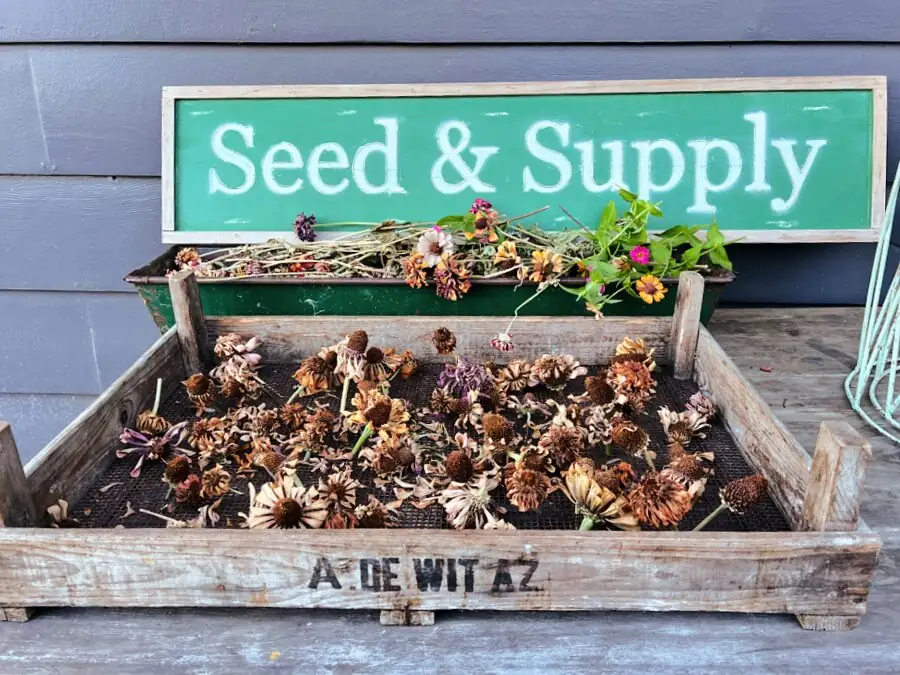
- Harvesting Seeds: After the daisy flowers fade, the seed heads develop into a papery disc. Allow them to mature on the plant for a few weeks, then gently snip and store in a cool, dry place until planting.
- Preparing the Seedbed: Choose a sunny spot with well-drained soil or prepare a seed tray with a seed-starting mix. Water the soil thoroughly, creating grooves with your finger.
- Sowing Seeds: Scatter the seeds sparingly into the grooves, pressing them lightly without covering as they need light to germinate. Water gently to avoid dislodging them.
- Patience and Care: Keep the soil moist and watch for seedlings in about 10 days. Thin out weaker seedlings to allow the strongest to thrive.
Division: Quick and Efficient
For a more immediate expansion of your daisy collection, division is the way to go. This method is particularly beneficial for rejuvenating older plants.
- Timing: The optimal time for division is early spring or autumn when the plant is actively growing.
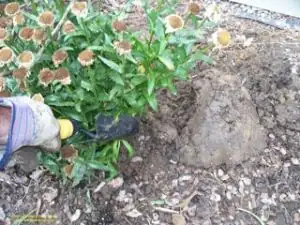
- Separation: Use a sharp spade or knife to divide the clump into smaller sections, ensuring each has healthy roots and leaves.
- Replanting: Plant the divisions in well-prepared soil, spacing them to accommodate their mature size. Water well and provide temporary shade for a few days to help them establish.
Advanced Techniques: Beyond the Basics
For the adventurous gardener, propagating Bellis perennis from leaf cuttings is an intriguing challenge. Here’s a brief overview:
- Leaf Cutting: Select healthy leaves and make a clean cut below a node.
- Rooting Medium: Use a damp medium and dip the cutting in rooting hormone.
- Care: Insert the cutting into the medium, cover with a plastic dome to create humidity, and keep it moist and out of direct sunlight.
Cultivating Success: Tips for Thriving Daisies
- Sunlight: Ensure your daisies receive full sun to partial shade, with at least 6 hours of direct sunlight daily.
- Watering: Maintain even moisture, letting the soil dry slightly between waterings. Avoid waterlogging to prevent root rot.
- Soil: Plant in well-drained, moderately fertile soil. Overly rich soil can lead to more foliage and fewer flowers.
- Pruning: Regular deadheading encourages continuous blooms and keeps the plants tidy.
A Living Symbol of Joy
The daisy’s name, derived from “day’s eye,” reflects its charming habit of closing at night and reopening with the sun. This behavior, known as nyctinasty, protects the flower’s pollen and signifies new beginnings and innocence—traits that have endeared it to gardeners and poets alike.
By following these propagation steps, you can transform a single Bellis perennis into a vibrant carpet of blooms, each flower a testament to your gardening prowess and a nod to the timeless beauty of this beloved plant. Whether adorning a border, brightening a container, or naturalizing a lawn, English daisies are a testament to nature’s enduring charm and your green thumb’s gentle touch.


