


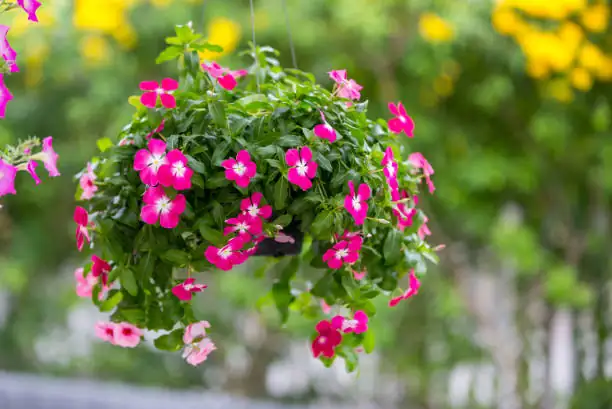
Radiating with the vibrant hues of white, pink, and rosy-purple, Catharanthus roseus, commonly known as the Madagascar Periwinkle, offers a stunning splash of color to any garden. This cheerful, sun-loving plant not only blooms prolifically from spring through fall but also thrives in warm, dry conditions, making it a favorite among gardening enthusiasts. If you’re looking to propagate this delightful plant and expand your botanical collection, you’re in luck! Whether you choose to grow it from seeds or cuttings, this guide will walk you through the steps to successfully cultivate your own periwinkle paradise.
Understanding Catharanthus Roseus
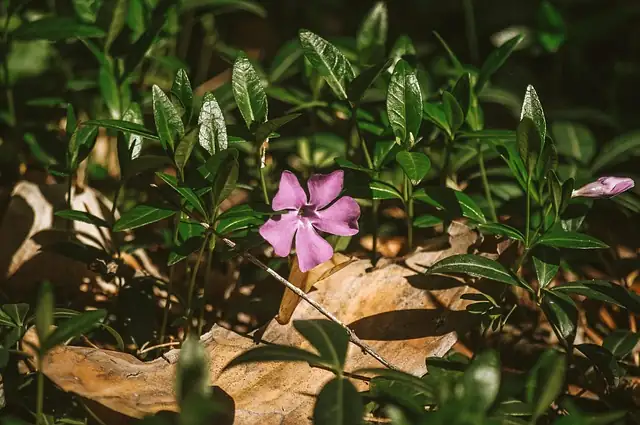
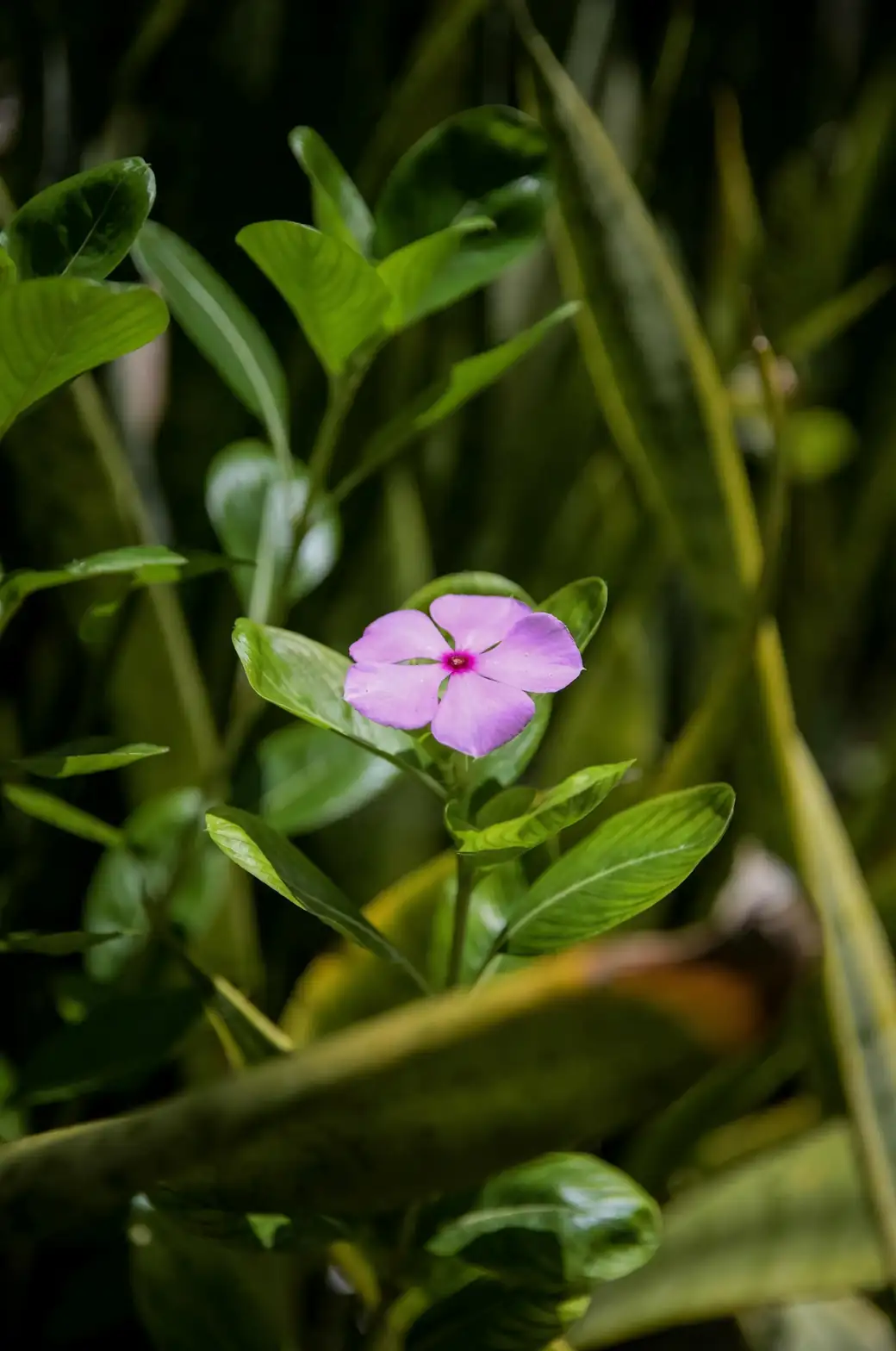
Before diving into propagation, it’s essential to understand the plant you’re working with. Native to Madagascar, the Madagascar Periwinkle belongs to the Apocynaceae family and is widely appreciated for its ornamental and medicinal value. Its glossy, deep-green leaves and pinwheel-like flowers not only beautify gardens but also signify resilience and lasting friendship—fitting, considering its robust nature.
Propagation Methods
Propagating from Seeds
Growing Catharanthus roseus from seeds is a rewarding process, allowing you to witness the entire lifecycle of this remarkable plant.
Step-by-Step Seed Propagation:
- Timing: The best time to sow seeds is in the spring, when temperatures are warming up. Aim for a consistent temperature between 18–24°C (64–75°F).
- Preparation: Choose a well-draining potting mix and fill your seed tray or pots. Lightly cover the seeds with a thin layer of soil, as they prefer darkness for germination.
- Environment: Place the seeds in a warm, bright location, ideally in full sun or under a grow light. Ensure the soil remains moist but not waterlogged.
- Germination: Patience is key. Seeds typically germinate within 2–3 weeks. Once seedlings have around three pairs of true leaves, they can be carefully transplanted into individual pots.
- Care: Continue to provide ample sunlight and water carefully, allowing the top 2.5 cm (1 inch) of soil to dry out between waterings.
Propagating from Cuttings
If you’re eager to quickly multiply your periwinkle population, propagation from cuttings is an excellent choice.
Step-by-Step Cutting Propagation:
- Selection: In late spring or summer, select soft tip cuttings about 8–10 cm (3.1–3.9 in) long. Ensure the cuttings are healthy and free from pests.
- Preparation: Remove the lower leaves, leaving 2–3 pairs at the top. This helps the cutting focus its energy on root development.
- Rooting Medium: Plant the cuttings in a well-draining mix, such as potting soil with added perlite or coarse sand. Maintain a warm environment to encourage rooting.
- Environment: Keep the cuttings in bright, indirect light and maintain humidity by covering them with a plastic dome or bag.
- Root Development: Roots typically develop within 2–3 weeks. Once rooted, gradually acclimate the young plants to direct sunlight.
Ideal Growing Conditions
To ensure your Catharanthus roseus thrives, it’s crucial to provide optimal growing conditions:
- Sunlight: Full sun is preferred for the most prolific flowering. Indoors, position the plant in a bright, south-facing window.
- Soil: Use a fertile, well-draining soil mix with a slightly acidic to neutral pH.
- Watering: Water moderately, allowing the top layer of soil to dry out between waterings to prevent root rot.
- Temperature: Keep the plant in a warm environment, ideally between 16–24°C (61–75°F). Protect it from frost and cold snaps.
Common Challenges and Solutions
Even with its tough nature, Catharanthus roseus may face challenges:
- Yellowing Leaves: Often a sign of overwatering or poor drainage. Ensure pots have drainage holes and avoid waterlogging.
- Pests: Watch for aphids and spider mites, especially indoors. Treat infestations promptly with insecticidal soap.
- Mold and Mildew: Improve airflow around plants and avoid overhead watering to minimize fungal issues.
Conclusion
Propagating Catharanthus roseus is a delightful endeavor that can fill your garden with vibrant color and resilience. Whether you choose to grow from seeds or cuttings, this guide provides all the steps you need to cultivate your own thriving periwinkle collection. With the right care and attention, you’ll enjoy the cheerful blooms and lush foliage that make this plant an enduring favorite among gardeners worldwide. So, roll up your sleeves, grab your gardening tools, and embark on this rewarding journey to expand your botanical horizons!


