

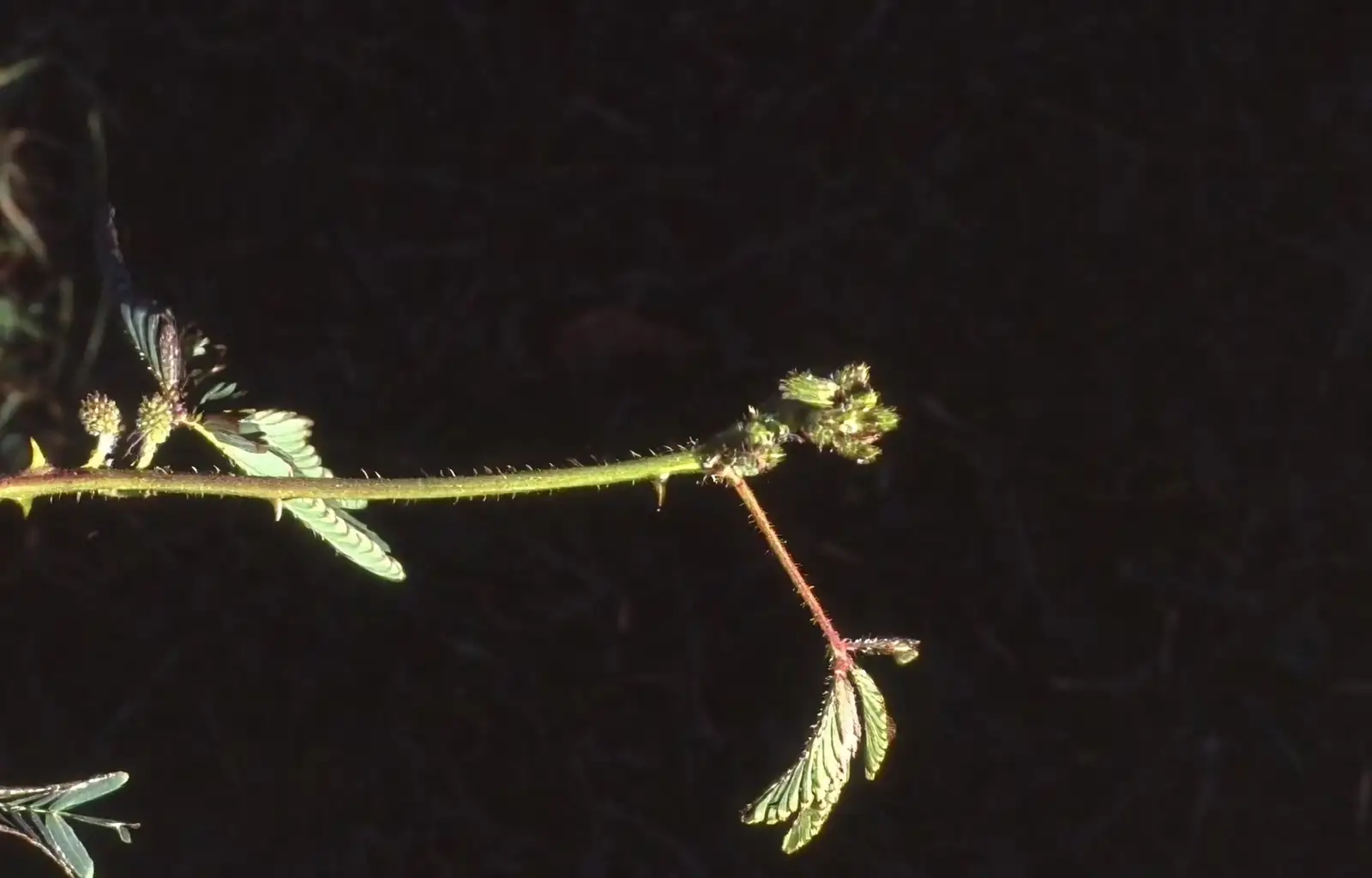
Imagine owning a plant that shrinks away when you touch it, only to spring back to life moments later. Welcome to the enchanting world of Mimosa pudica L., affectionately known as the Sensitive Plant. Native to the Caribbean and South and Central America, this captivating member of the Fabaceae family is famed for its rapid, touch-induced leaf-folding. Like a bashful friend who blushes at the slightest compliment, the Sensitive Plant folds its leaves inward when stimulated, creating endless fascination for plant lovers and curious onlookers alike.
Propagating the Sensitive Plant: Your Step-by-Step Guide
Ready to get started on your Mimosa pudica propagation journey? Whether you’re opting for seeds or cuttings, we’ve got you covered with detailed instructions to help you grow this intriguing plant at home.
Propagating from Seeds
Growing the Sensitive Plant from seed is a popular and rewarding method. Not only does it allow you to witness the entire growth cycle, but it’s also a fantastic way to cultivate multiple plants at once.
Step 1: Timing and Preparation
- Best Time to Plant: Begin your seed propagation in spring, ideally indoors to protect from late frosts.
- Seed Preparation: To increase germination rates, consider scarifying the seeds. Gently nick or scratch the seed coat with a file or sandpaper. Alternatively, soak the seeds in water overnight to soften the outer layer.

Step 2: Planting the Seeds
- Soil Mix: Use a well-draining loam or a light potting mix. A blend of two parts loam, two parts peat moss, and one part sand or perlite works well.
- Sowing: Plant seeds just below the soil surface, about 3mm (1/8 inch) deep. Space them out in small pots or seed trays, planting two to three seeds per container to ensure at least one germinates.
Step 3: Care and Germination
- Watering: Keep the soil consistently moist but not waterlogged. Water when the top layer begins to dry out.
- Light: Place pots in a location that receives full sunlight. Mimosa pudica thrives with about eight hours of daylight. If indoors, a bright windowsill is perfect.

Step 4: Germination and Transplanting
- Germination Time: Seeds typically sprout within 7 to 10 days in warm conditions.
- Transplanting: Once seedlings have developed several leaves, they can be transplanted to larger pots or suitable garden locations, ensuring they continue to receive ample sunlight.
Propagating from Cuttings
If you’re eager to expand your Sensitive Plant collection even faster, propagation from cuttings is an efficient alternative.
Step 1: Selecting and Preparing Cuttings
- Choosing Cuttings: Select healthy, non-flowering stem sections about 10–15 cm (4–6 in) long. Ensure each cutting has several sets of leaves.
- Preparation: Remove leaves from the lower half of the cutting to prevent rot and encourage root development.
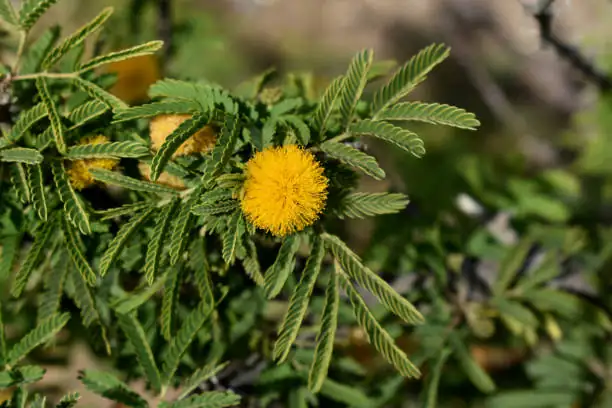
Step 2: Planting the Cuttings
- Rooting Medium: Use a mix of peat and perlite to provide excellent drainage and aeration.
- Planting: Insert the cuttings into the medium, ensuring at least one node is buried. This is where roots will sprout.
Step 3: Encouraging Growth
- Environment: Maintain high humidity around the cuttings by covering them with a plastic dome or placing them in a mini greenhouse.
- Light and Temperature: Provide bright, indirect light and keep temperatures warm, ideally between 18–24°C (65–75°F).
Step 4: Root Development and Potting
- Rooting Time: In favorable conditions, cuttings should root within 1 to 4 weeks.
- Potting Up: Once roots are well-established, transplant the young plants into individual pots or appropriate garden sites.
Care Tips for Established Sensitive Plants
With your Sensitive Plant successfully propagated, it’s time to ensure it thrives in its new environment:
- Watering: Keep the soil evenly moist, reducing frequency in the winter. Avoid letting the plant sit in water.
- Fertilization: Feed monthly during the growing season with a balanced, half-strength water-soluble fertilizer.
- Pruning: Regularly pinch or trim to encourage bushiness and prevent legginess.
Final Thoughts
Whether you’ve started from seeds or cuttings, nurturing a Sensitive Plant is a journey filled with curiosity and delight. Its delicate, feathery foliage and charming pink pom-pom flowers make it an ornamental treasure and a conversational centerpiece. Just remember, this bashful beauty prefers to stay warm and well-lit, rewarding your care with its unique, touch-sensitive dance. Happy growing!


