
Are you ready to embark on a green adventure and expand your indoor garden with the captivating Bird’s Nest Fern, also known as Asplenium nidus? Known for its lush, architectural fronds that rise elegantly from a central “nest,” this fern is a favorite in both tropical landscapes and cozy living rooms. Let’s dive into the art of propagating this tropical beauty, exploring both spore propagation and division, so you can multiply your fern family with ease.
Understanding the Bird’s Nest Fern
Before we get our hands dirty, let’s get to know our plant a little better. Native to the humid rainforests of Asia, Australia, and the Pacific islands, the Bird’s Nest Fern is an epiphyte, thriving on trees and rocks without being parasitic. Its strap-like fronds form a vase-shaped rosette, making it an elegant addition to any collection. With its preference for bright indirect light and high humidity, it’s an ideal candidate for bathrooms and kitchens where it can soak up the moisture.
Propagating Bird’s Nest Ferns: The Spore Method
Collecting Spores
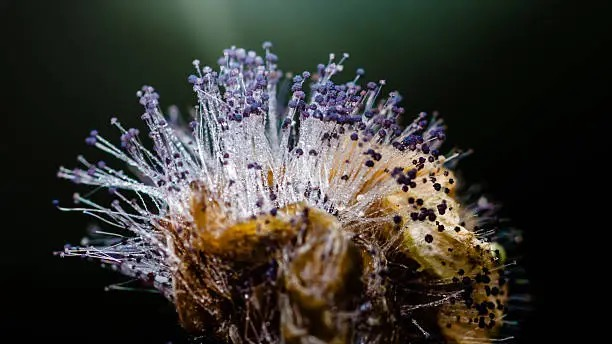
The Bird’s Nest Fern doesn’t flower; instead, it reproduces via spores, and this process can feel like a magical journey back in time to the ancient days of plant evolution. Here’s how you can collect and grow your own:
- Identify Mature Fronds: Look for fronds with well-developed sori—those linear spore lines on the underside.
- Collect the Spores: Gently place a mature frond over a piece of paper or inside a paper bag. In a day or two, the tiny spores will drop, creating a fine dust.
Sowing the Spores
- Prepare the Medium: Use a sterile, fine medium like a peat and fine bark mix (1:1). This will provide the airy environment ferns love.
- Sow and Cover: Scatter the spores evenly over the surface and cover the pot with a clear lid or plastic wrap to maintain high humidity.
- Create the Right Environment: Place the container in bright, indirect light and keep it warm. Spores may germinate in about 7-10 days, but patience is your best friend here.
Growing the Prothallus
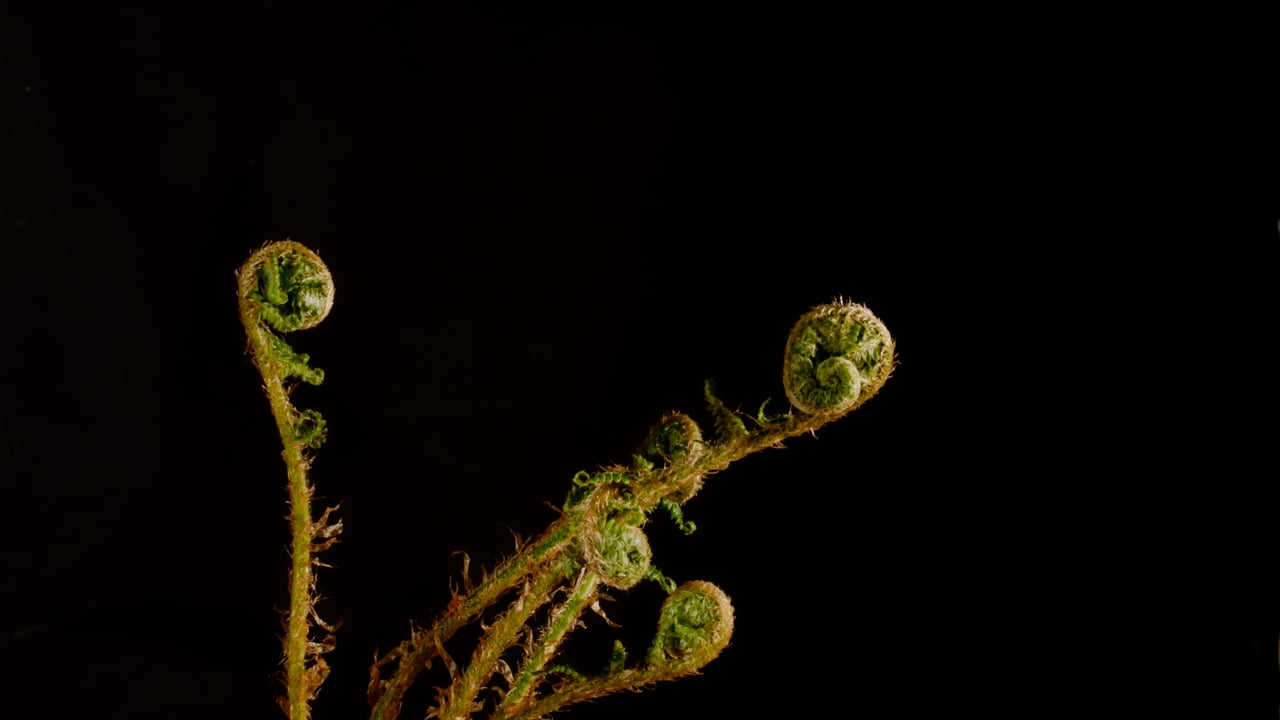
- Patience is Key: The prothallus, or the gametophyte stage, can take about 10 weeks to develop. These heart-shaped structures will eventually give rise to tiny fern plantlets.
- Maintain Conditions: Keep the environment humid and warm as the tiny ferns establish themselves over the next few months.
Propagating Bird’s Nest Ferns: The Division Method

If you have a mature plant with multiple crowns, division can be a faster (and less fiddly) way to propagate:
- Timing is Everything: Spring is the ideal season for division, coinciding with repotting.
- Divide with Care: Gently remove the fern from its pot and identify separate crowns. Using clean, sharp tools, divide the plant, ensuring each section has roots attached.
- Replant: Pot each division into a well-draining, organic-rich mix. Maintain the same planting depth to avoid crown rot.
- Post-Division Care: Keep the newly divided plants in a warm, humid environment with bright, indirect light. Water gently and avoid leaving water in the crown.
Caring for Your Newly Propagated Ferns
Once you’ve successfully propagated your ferns, it’s crucial to provide them with the right conditions to thrive:
- Humidity and Light: Maintain high humidity (ideally 60-80%) and ensure they receive bright, indirect light. Avoid harsh direct sunlight which can scorch the fronds.
- Watering Wisdom: Keep the potting mix evenly moist but not waterlogged. Use room-temperature rainwater or distilled water to prevent mineral buildup.
- Temperature Tolerance: Bird’s Nest Ferns prefer stable temperatures between 15–27°C (60–80°F). Protect them from cold drafts and avoid temperatures below 10°C (50°F).
Troubleshooting Common Issues
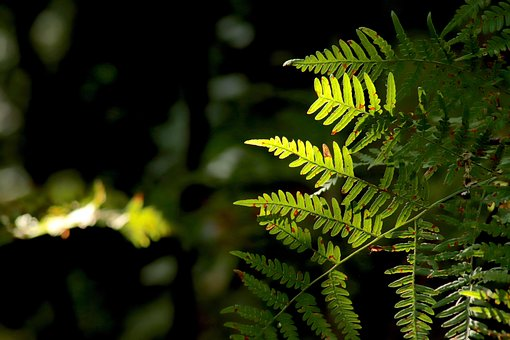
- Curling Fronds: Often a sign of low humidity or inconsistent watering. Increase humidity and ensure even moisture.
- Brown Tips: Could indicate low humidity, mineral-heavy water, or over-fertilization. Adjust the watering regime and humidity levels accordingly.
- Crown Rot: Avoid watering into the central rosette to prevent rot.
By mastering these propagation techniques, you’ll become a Bird’s Nest Fern whisperer, cultivating a lush, green sanctuary right at home. Whether you’re growing from spores or dividing existing plants, you’re not just expanding your garden—you’re participating in a timeless dance of nature. Happy propagating!