Mastering the Art of Propagating Lathyrus odoratus: Your Guide to Sweet Pea Success
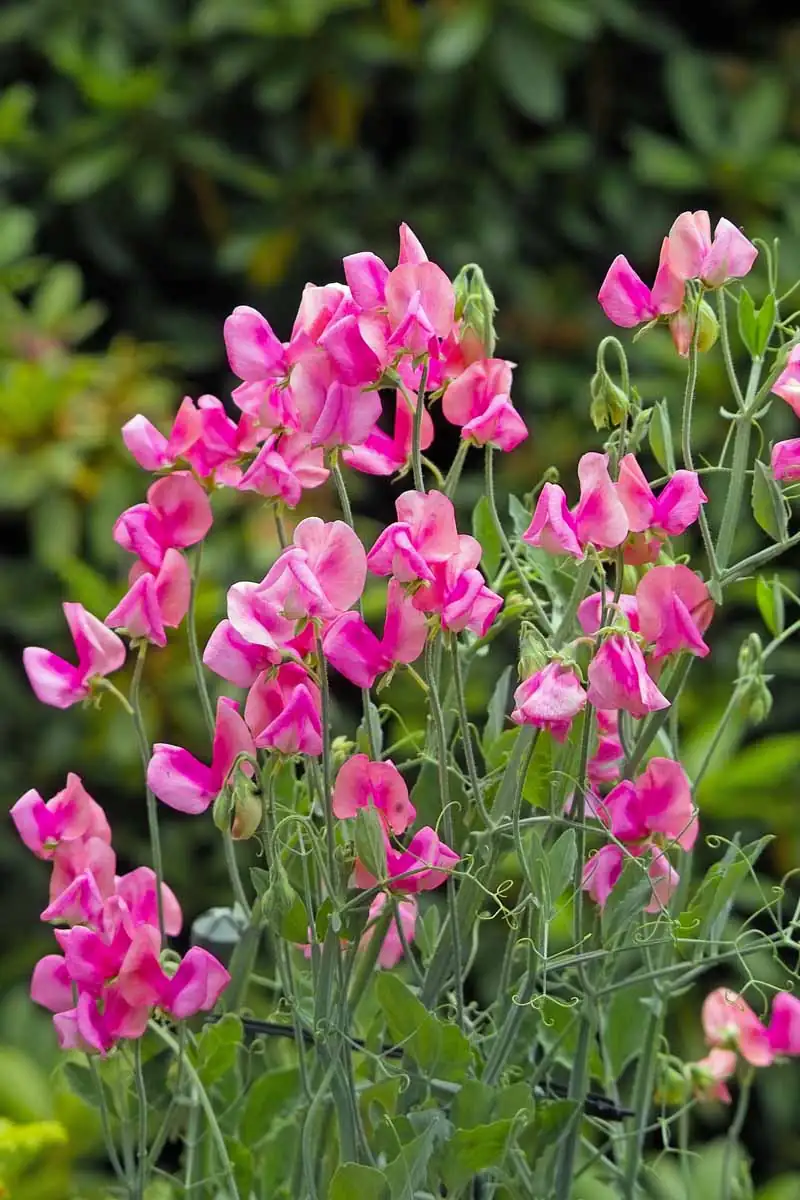
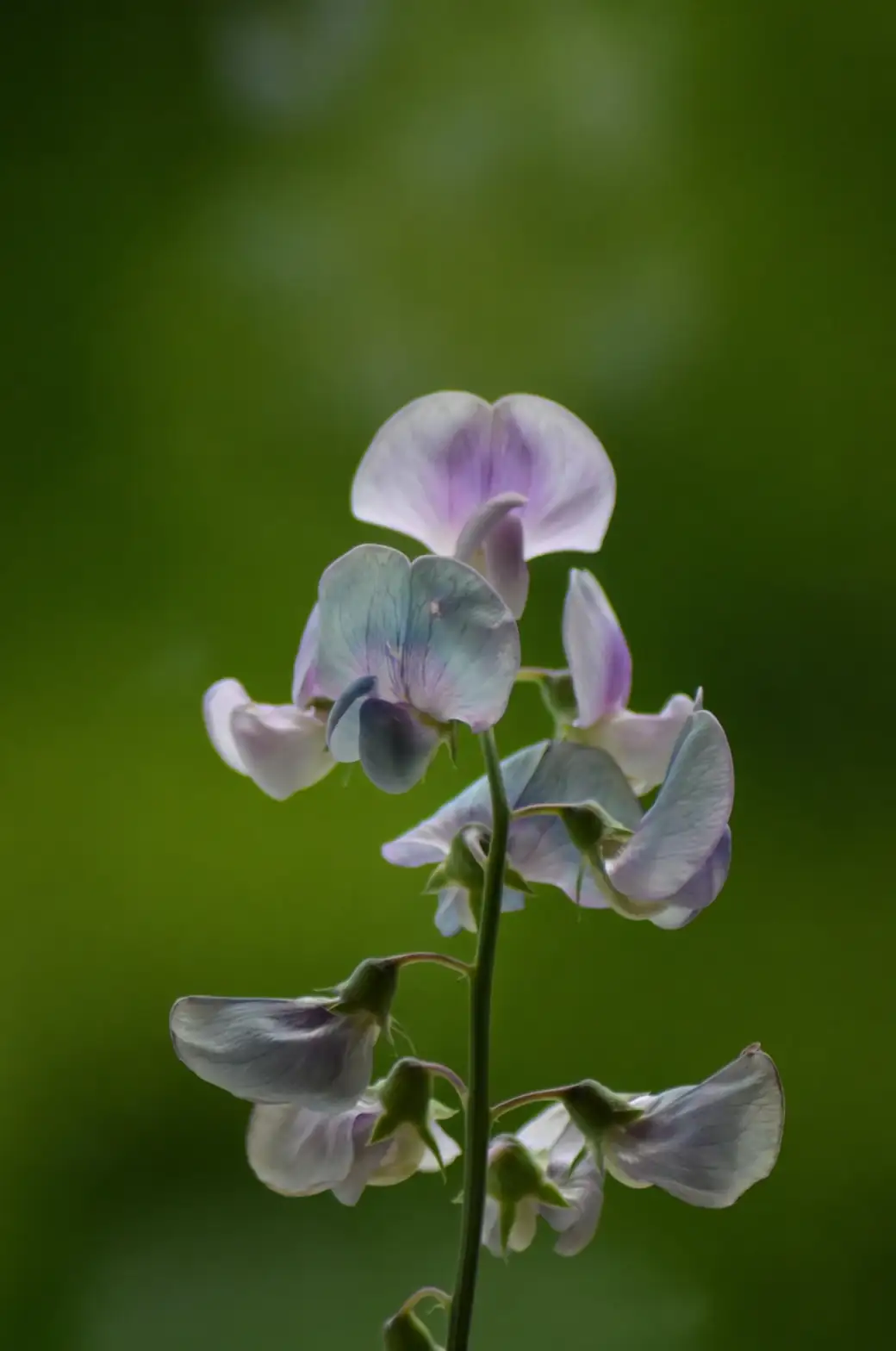
Imagine your garden adorned with a cascade of fluttery, butterfly-shaped blooms that release an intoxicating fragrance reminiscent of honey and orange blossoms. This is the magic of Lathyrus odoratus, the beloved sweet pea. Known for its climbing vines and vibrant flowers, the sweet pea has charmed gardeners since the Victorian era. Despite its enchanting allure, sweet peas can be a bit finicky. But fear not! With the right techniques, you can master the art of propagating sweet peas from seed and watch them flourish. Let’s dive into the secrets behind nurturing these fragrant beauties.
Preparing for Success: Soaking and Sowing
Before you even think about sowing, a little prep work goes a long way. Sweet peas have a hard seed coat, so soaking the seeds for about 24 hours can soften them, speeding up germination. If you’re feeling extra meticulous, gently nick the seed coat with a nail file—just avoid the seed ‘eye’. This step is like giving sweet peas a head start on their journey to blooming brilliance.
When it’s time to sow, choose your timing based on your climate. In cooler regions, late winter to early spring is ideal—about 6-7 weeks before the last frost. In warmer zones, sowing in autumn can yield early spring blooms. Plant your seeds about 1.3 cm (½ in) deep in rich, well-draining soil. Whether you’re sowing directly outdoors or starting in pots, give each plant about 20 cm (8 in) of space to spread its wings.
Nurturing the Seedlings: From Tiny Sprouts to Thriving Vines
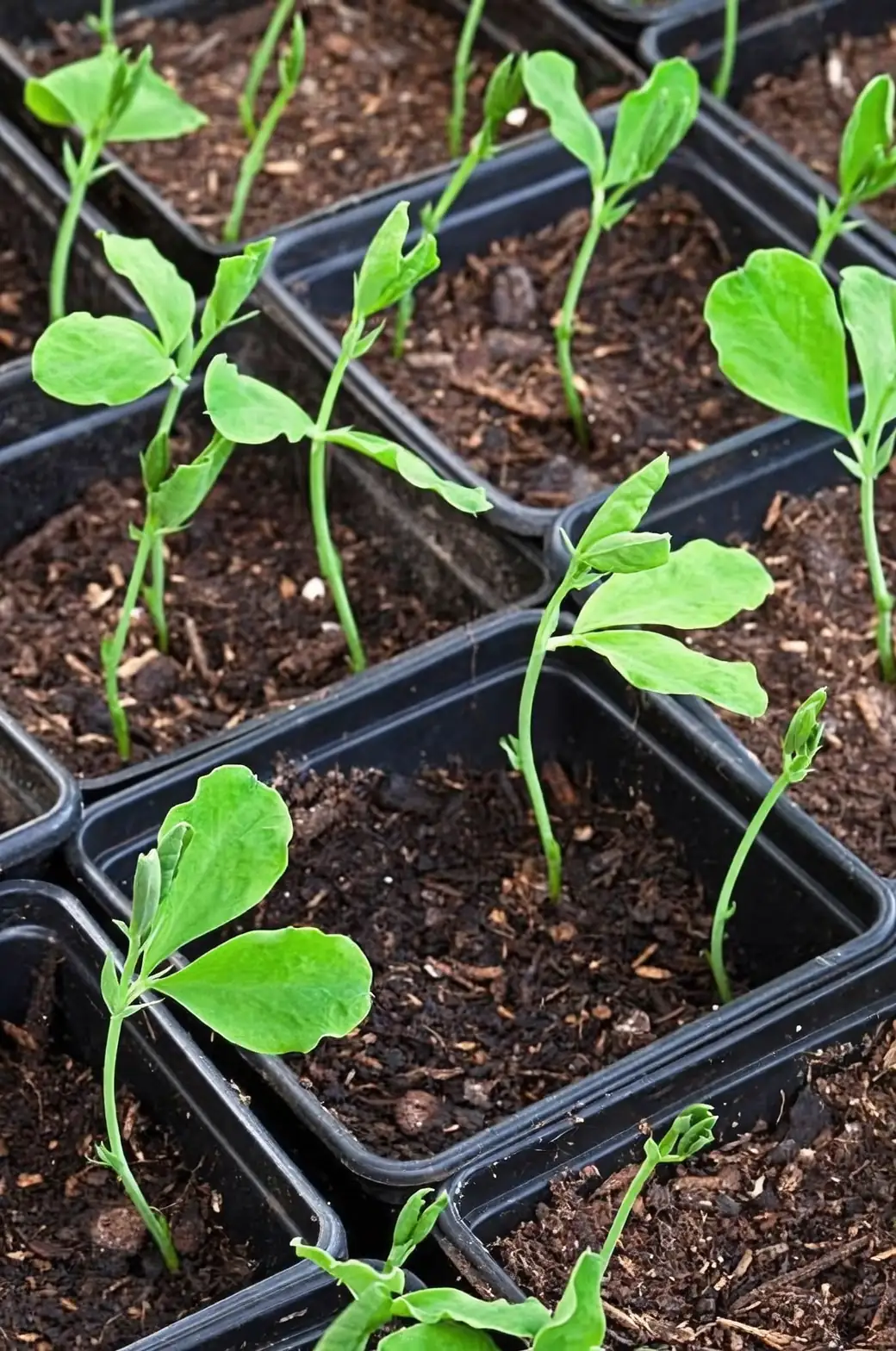
Once your seeds are tucked into their new homes, patience and care come into play. Sweet peas thrive in cool temperatures—think 15–25°C (59–77°F) for growth, with around 10–15°C (50–59°F) being the sweet spot for flowering. If you’re starting indoors, keep the seedlings in a bright, cool spot. Remember, sweet peas aren’t fans of transplanting due to their long taproots, so if you begin indoors, use deep pots to accommodate their roots.
When your seedlings reach about 10-15 cm (4-6 in), it’s time for a little strategic pruning. Pinch out the growing tip, leaving 2-3 leaf nodes. This encourages bushier growth and a more robust plant—think of it as giving them a little nudge to branch out.
Building the Perfect Environment
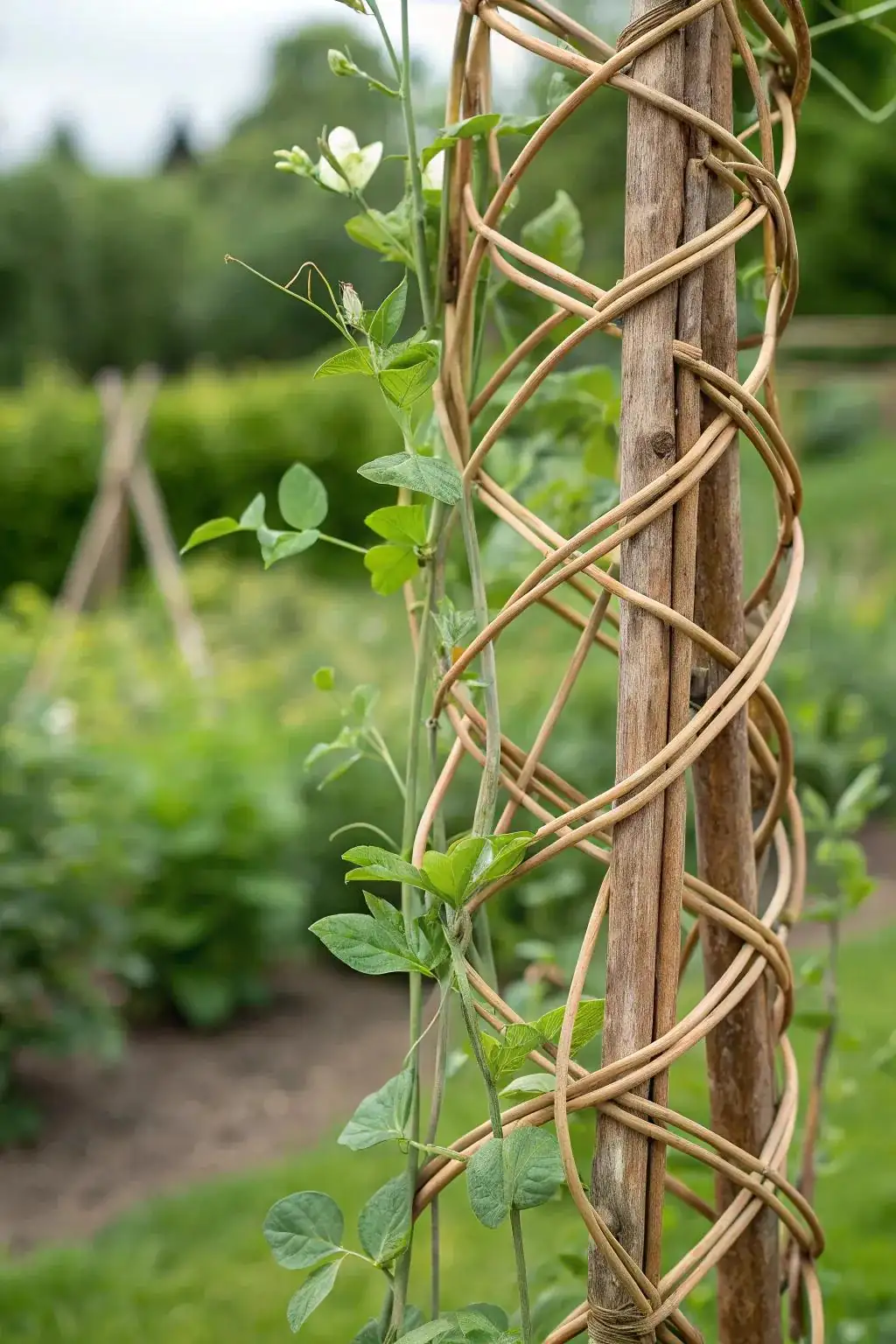
Sweet peas love the sun, but in warmer climates, they appreciate a bit of afternoon shade to protect their blooms. Aim for at least 6 hours of direct sunlight daily. As your plants grow, guide them to climb with the help of trellises or fences. Their curly tendrils will happily latch onto any support you provide, transforming your garden structures into vibrant, fragrant tapestries.
Water is crucial for sweet peas, especially as they begin to flower. They prefer deep, consistent watering about 2-3 times a week. Avoid overhead watering during flowering to prevent bud drop and fungal issues. Instead, use drip lines or soaker hoses for efficient hydration.
Feeding and Maintaining: The Path to Prolific Blooms
Feeding your sweet peas is like providing them a well-balanced diet. Start with enriching the soil with compost or well-rotted manure. During the growing season, use a bloom-boosting fertilizer with higher potash levels. This encourages more flowers rather than just leafy growth. Regular feeding every 2-3 weeks once blooming begins will keep your sweet peas in top form.
Deadheading is vital. By removing spent blooms, you prevent seed formation, prolonging the flowering season. Think of deadheading as a way to keep the energy flowing into creating more blooms rather than seeds.
Troubleshooting Common Challenges
Sweet peas can sometimes be stubborn. If your plants aren’t blooming, consider these factors: Is the temperature too high? Are they getting enough sunlight? Are you using too much nitrogen fertilizer? Each of these can impact flowering. Tailoring your approach to your climate and conditions can make all the difference.
A Word of Caution
While sweet peas are a feast for the eyes and nose, they are not for the stomach. All parts of the plant, especially the seeds, are toxic if ingested. Keep them out of reach of children and pets to avoid any mishaps.
A Lasting Legacy in the Garden
Sweet peas hold a special place in the language of flowers, symbolizing gratitude, friendship, and new beginnings. Their history is rich, tracing back to 1699 when a Sicilian monk first introduced the seeds to England. Since then, they’ve been a staple in gardens worldwide, loved for their charm and fragrance.
With these tips, you’re well-equipped to propagate sweet peas with confidence. Embrace the journey, and soon your garden will be graced with these enchanting blooms—a testament to your gardening prowess and a fragrant reward for your efforts.