

How to Propagate Catnip: A Step-by-Step Guide to Keeping Your Feline Friends Purring
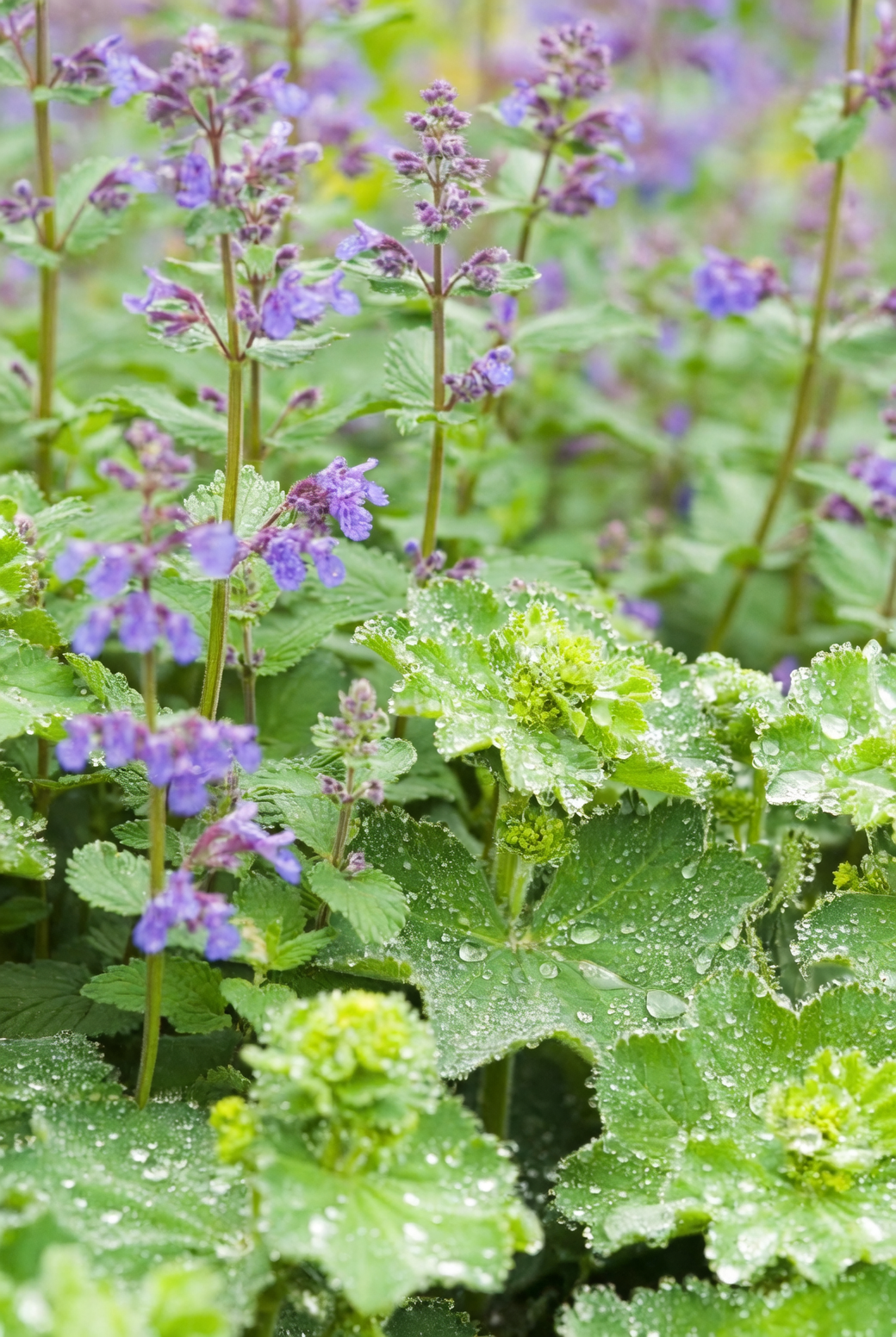
Have you ever watched your cat’s ecstatic rolls in a patch of catnip and thought, “I need more of this plant in my life”? Lucky for you, Nepeta cataria L., or catnip, is not only a delight for your feline companions but also a breeze to propagate. Whether you’re starting from seeds, cuttings, or division, this guide will walk you through each step, ensuring your garden is never without this beloved herb.
Starting from Seeds: The Launchpad to Catnip Abundance
Catnip seeds might be small, but they pack a powerful punch when it comes to creating lush greenery. Here’s how to successfully sprout them into thriving plants:
- Timing is Everything: Begin indoors 6–8 weeks before the last spring frost, or sow directly outside after frost danger has passed. For the best results, try sowing from early spring to late summer.
- Prepping the Seeds: Catnip seeds benefit from a little TLC before planting. To boost germination rates, freeze seeds overnight, then soak them for 24 hours. Alternatively, germinate them in a moist paper towel sealed in a plastic bag to mimic a greenhouse environment.
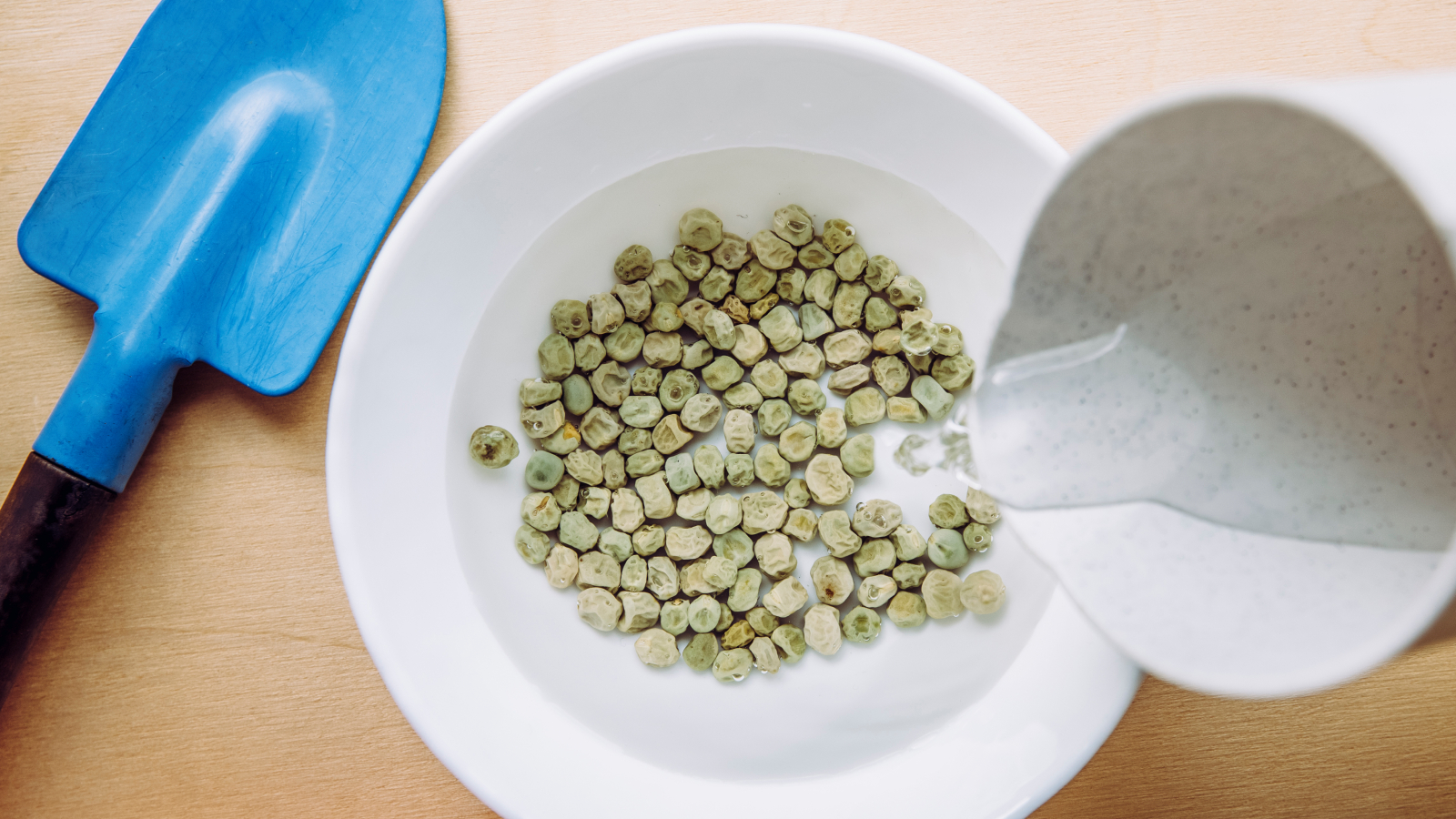
- Planting: Sow seeds about 1/8- to 1/4-inch deep in a well-draining potting mix. Place them in a sunny spot, keeping the soil lightly moist. Seeds should germinate within 7–14 days at temperatures between 18–21°C (65–70°F).
- Transplanting Outdoors: Once seedlings are robust and the weather is warm, space them 12-18 inches apart in your garden to give them room to flourish.
Propagating by Cuttings: The Quick and Easy Route
If instant gratification is more your style, stem cuttings are your best bet for multiplying catnip quickly:
- Choosing the Right Stems: In spring or early summer, select healthy, young stems about 4-6 inches long. Snip them just below a leaf node, where roots are inclined to sprout.
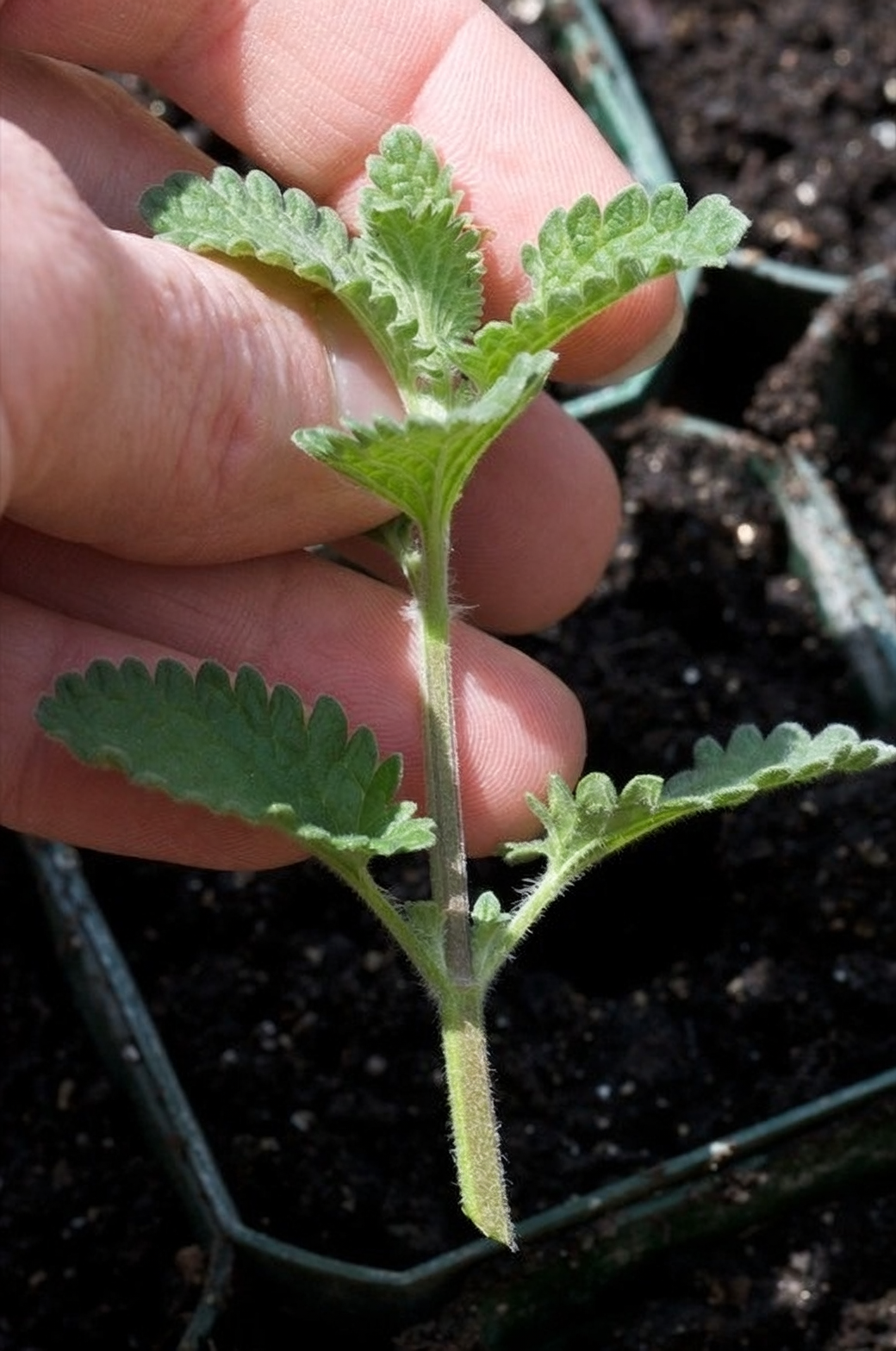
- Preparing Cuttings: Strip away the lower leaves, leaving the top few intact to focus energy on root development.
- Rooting in Water: Place cuttings in a jar of water and keep them in a warm, bright spot. Change the water every few days to prevent stagnation. Roots will typically appear within a week.
- Planting: Once roots are about an inch long, transplant the cuttings into pots or directly into your garden soil, ensuring good drainage and ample sunlight.
Dividing Established Plants: The Perennial Payoff
For those with mature catnip clumps, division is an excellent way to rejuvenate plants and share the love:
- When to Divide: Opt for early spring or autumn, when the plant is either waking up or winding down.
- How to Divide: Carefully dig up the plant, taking care not to damage the roots. Divide the clump into smaller sections with a sharp spade or knife, ensuring each division has a good root system and shoots.

- Replanting: Replant your divisions promptly, watering them in well and placing them in a sunny spot. This method encourages robust growth for the next season.
Caring for Your Catnip: Ensuring Longevity and Vigor
While catnip is known for being low-maintenance, a little care goes a long way:
- Watering and Soil: Once established, catnip is drought-tolerant. Keep seedlings moist and mature plants hydrated during dry spells. Avoid waterlogged conditions by ensuring well-draining soil.
- Feeding and Pruning: Light feeding in the spring with compost is usually sufficient. Regular pruning encourages bushier growth and prolongs flowering. Deadhead blooms to prevent excessive self-seeding.
- Pest Control: Catnip is generally pest-resistant, but keep an eye out for aphids and spider mites. A firm spray of water or insecticidal soap usually does the trick.
Final Harvest and Storage
When your catnip is in full bloom, it’s time to harvest:
- Best Time to Harvest: Cut stems during peak bloom, ideally in the late morning after dew has evaporated.
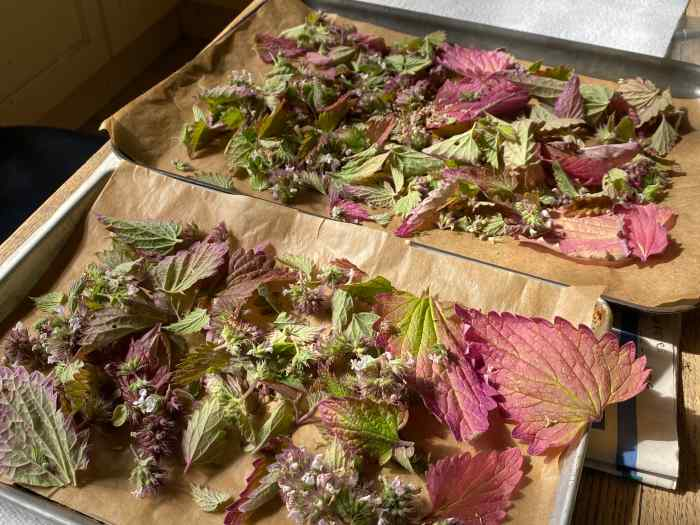
- Drying and Storing: Hang the stems in a dark, airy place to dry. Once dried, crumble and store in an airtight container, away from heat and light, to preserve its fragrant oils.
With these propagation techniques at your fingertips, your garden can become a perennial paradise for both you and your feline friends. Not only will you have a continuous supply of catnip to inspire playful antics and relaxation, but you’ll also enjoy the added benefits of a pollinator-friendly, mosquito-repelling haven. Happy gardening!