

Growing Your Own Culinary Herb Garden: A Masterclass in Basil Propagation
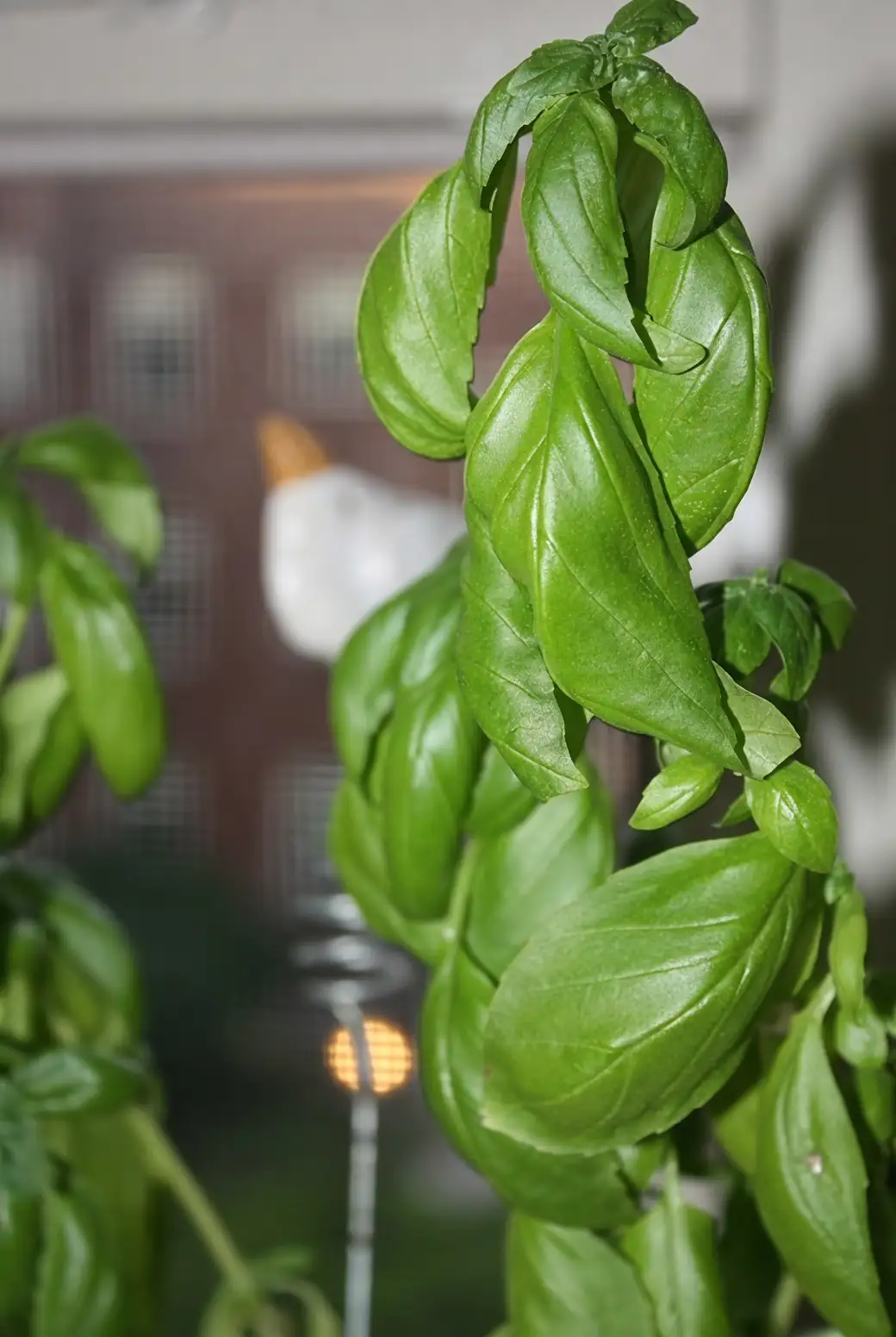
Ah, basil—often hailed as the “King of Herbs,” it’s a staple in kitchens worldwide, beloved for its aromatic leaves and vibrant flavor. Whether you’re a seasoned gardener or just starting to dabble in the dirt, learning to propagate Ocimum basilicum, or sweet basil, is a rewarding endeavor that will keep your kitchen stocked with fresh greens. Today, we’ll explore the art of growing basil from seeds and cuttings, transforming your garden into a lush, aromatic sanctuary.
The Basics of Basil Propagation
Basil is part of the Lamiaceae family, a group that includes many fragrant and flavorful herbs. Native to tropical Asia, basil has traveled extensively, making itself at home in Mediterranean gardens and beyond. With its smooth, glossy green or purple leaves, basil is not only a culinary delight but also a visually appealing addition to any garden.
Why Propagate Basil?
Imagine plucking fresh basil leaves right as you prepare your favorite dishes. By propagating basil, you can enjoy a continuous, cost-effective supply of this versatile herb. Whether you’re crafting the perfect pesto or garnishing a classic Margherita pizza, basil’s rich aroma and taste elevate any recipe.
Propagating Basil from Seeds
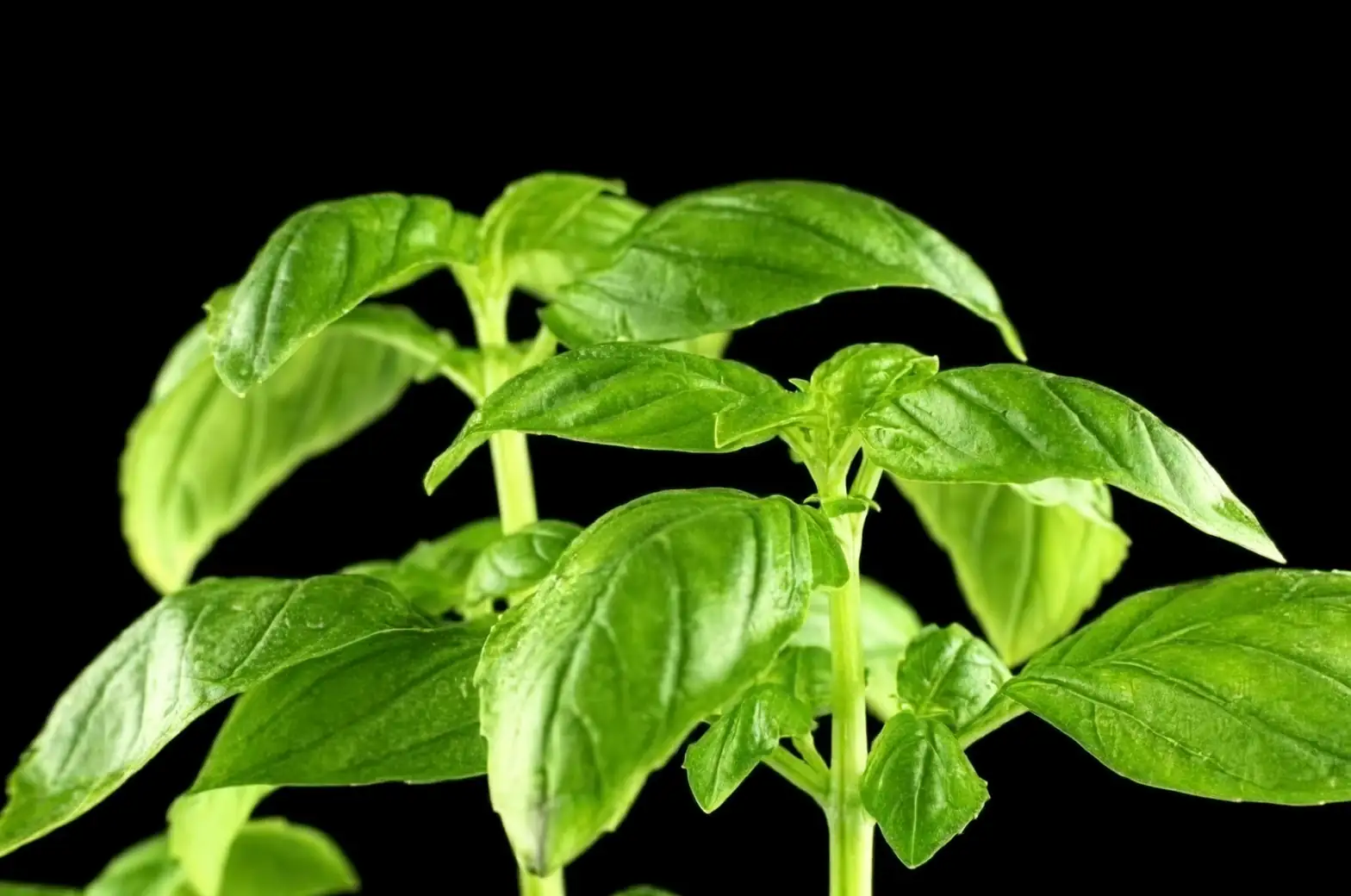
Growing basil from seeds is a straightforward process, perfect for beginners and a great way to start your herb garden.
What You’ll Need
- Basil Seeds: Easily available at gardening stores or online. Varieties like ‘Genovese’ are ideal for classic culinary uses.
- Seed Trays or Small Pots: Ensure they have good drainage.
- Potting Mix: A light, fertile mix enriched with organic matter.
- Watering Can: For gentle watering.
Step-by-Step Guide
- Timing and Location: Start seeds indoors 6–8 weeks before the last frost date. Basil loves warmth, so a sunny windowsill is perfect.
- Sowing the Seeds: Fill your trays or pots with potting mix. Scatter the seeds thinly over the surface and cover lightly with soil. Basil seeds are tiny, so be gentle.
- Watering and Care: Water gently to keep the soil moist but not waterlogged. Basil seeds germinate best with consistent moisture.
- Germination: Expect germination within 5–10 days at temperatures around 21–24°C (70–75°F).
- Transplanting: Once seedlings have two sets of true leaves, they’re ready to be transplanted. Space plants about 30 cm (12 in) apart in a sunny spot.
Propagating Basil from Cuttings
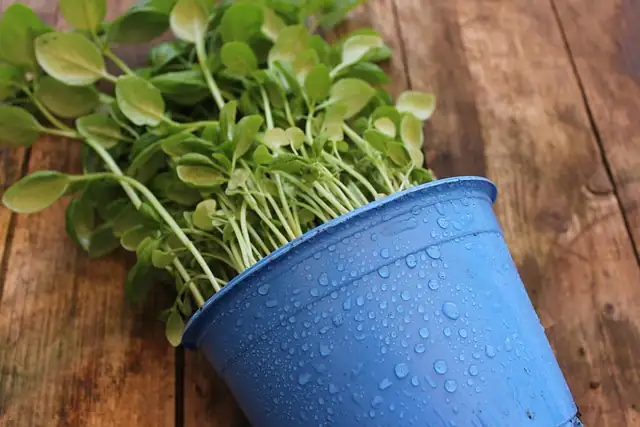
For those seeking a quicker route to a bountiful basil harvest, propagating from cuttings is a stellar option.
What You’ll Need
- A Healthy Basil Plant: Look for one with vibrant, green leaves.
- Sharp Scissors or Secateurs: For clean cuts.
- A Glass of Water: Non-chlorinated is ideal.
- Small Pots and Potting Mix: For when the cuttings are ready to plant.
Step-by-Step Guide
- Selecting and Cutting: Choose a stem about 10–15 cm (4–6 in) long. Cut just above a leaf node, ensuring the stem hasn’t flowered.
- Preparing the Cutting: Remove leaves from the lower half of the cutting. Leave a few top leaves intact to aid photosynthesis.
- Rooting in Water: Place the cutting in a glass of water, ensuring the leaves stay above the waterline. Place in a warm, sunny spot.
- Root Development: In about 5–10 days, roots should sprout. Wait until they’re 2.5–5 cm (1–2 in) long before potting up.
- Potting Up: Plant the rooted cuttings in potting mix, keep the soil moist, and watch them grow!
Tips for Thriving Basil
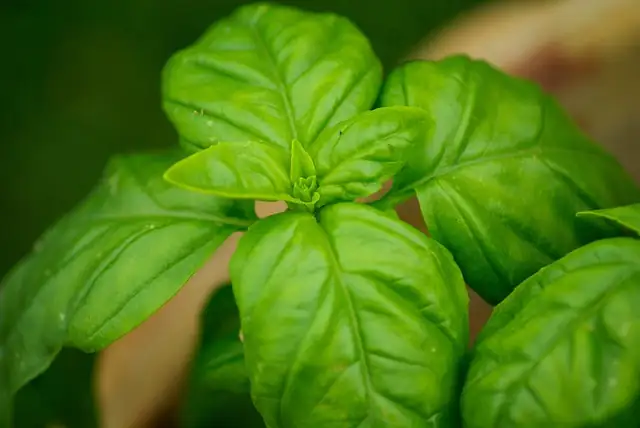
- Sunlight: Basil thrives in full sun, requiring about 6–8 hours of direct light daily.
- Watering: Maintain evenly moist soil. Water at the base, ideally in the morning, to prevent fungal issues.
- Pruning: Regularly pinch the tips to encourage bushy growth and remove flower buds to focus energy on leaf production.
Troubleshooting Common Issues
- Yellowing Leaves: Could be due to overwatering or nutrient imbalances. Check your watering schedule and soil drainage.
- Pests and Diseases: Watch for aphids and mildew. Good airflow and clean watering practices help keep basil healthy.
Conclusion: Basil Bliss
By mastering the propagation of basil, you’re not just growing a plant, but nurturing a tradition that spans cultures and cuisines. Whether you’re sowing seeds or nurturing cuttings, the journey of growing basil is as rewarding as the culinary delights it brings to your table. So dig in, get your hands dirty, and let the “King of Herbs” reign supreme in your garden!


