

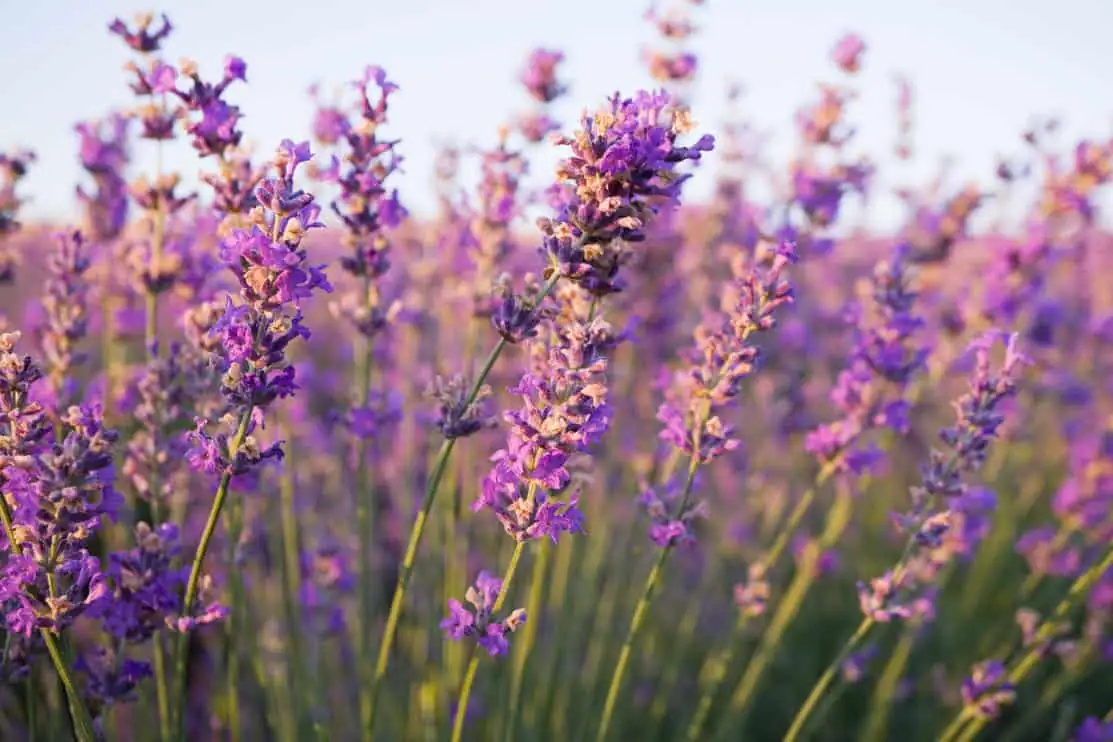
Lavender, specifically Lavandula angustifolia, is nothing short of a marvel. Imagine stepping into a garden filled with the ethereal aroma of this classic Mediterranean beauty, its silvery foliage shimmering in the sunlight. Now, imagine multiplying this beauty in your backyard or balcony. Sounds delightful, right? Mastering lavender propagation can bring this dream to life, allowing you to enjoy more of its soothing presence in your garden. Let’s dive into the art of propagating lavender, focusing on successful techniques for cuttings and seed germination.
Propagation Techniques: A Tale of Cuttings and Seeds
The Magic of Cuttings
Propagating lavender through cuttings is like capturing a moment in time—the new plant will mirror all the enchanting traits of its parent. This method is not only reliable but also one of the simplest ways to expand your lavender collection.
Why Choose Cuttings?
Taking cuttings from an established lavender plant ensures you’re essentially cloning it, preserving the exact scent, color, and growth habit. This is particularly beneficial since lavender grown from seed can be quite variable.
How to Take Cuttings: A Step-by-Step Guide
- Timing is Everything: Spring and early fall are ideal for taking cuttings, as the plant is in its active growth phases. This timing gives your cuttings the best chance to root and thrive.
- Select Your Tools: Use sharp, sterilized pruning shears to snip 5–10 cm (2–4 in) lengths of softwood or semi-ripe tips. This minimizes stress on the parent plant and reduces disease risk.
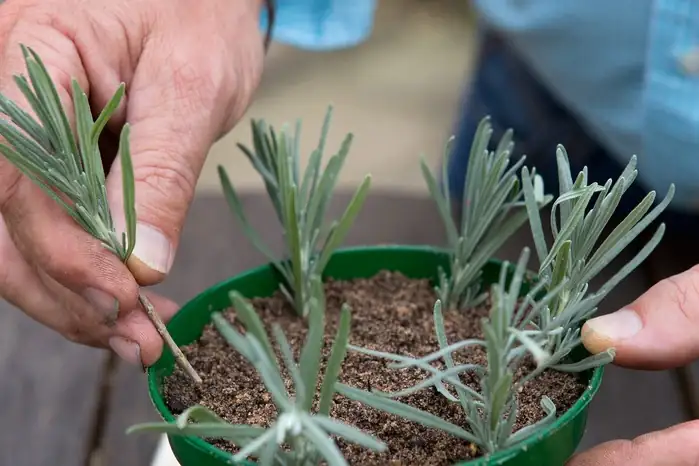
- Prepare the Cuttings: Remove the lower leaves to expose a few centimeters of bare stem. This is where your new roots will begin to form.
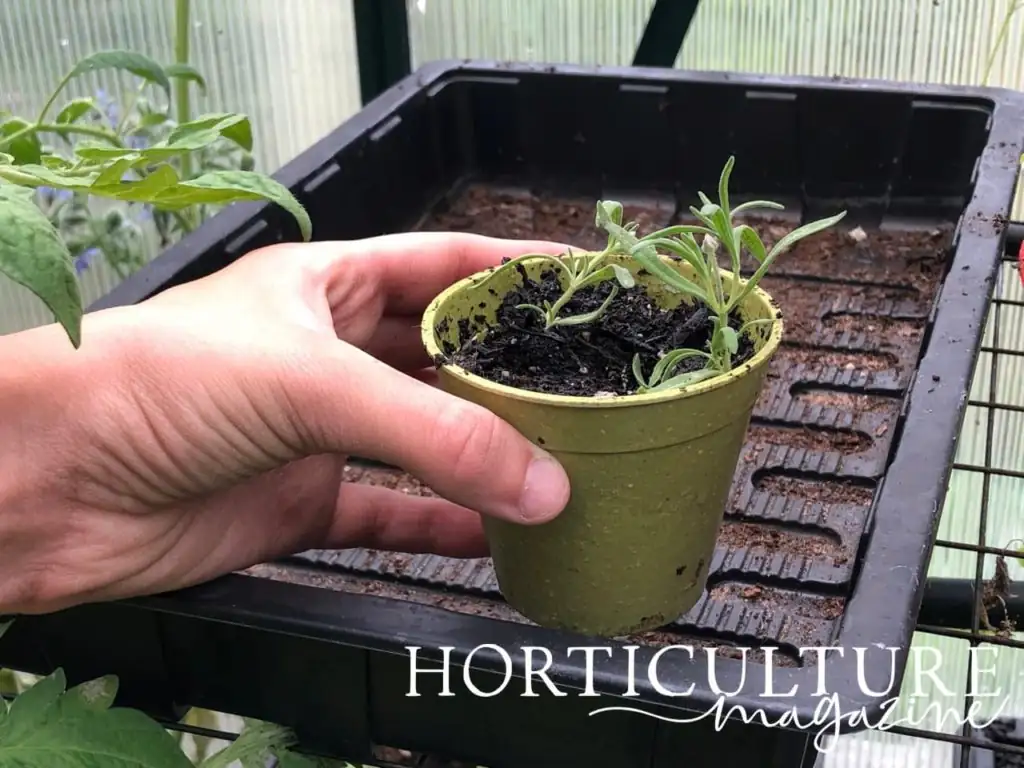
- Rooting Medium: Plant the cuttings in a sterile, well-draining medium like perlite or a sand-heavy mix. A propagation tray with a dome can help maintain the necessary humidity levels.
- Stimulate Root Growth: Dipping the cut ends in a rooting hormone can greatly enhance your success rate. These products mimic natural plant hormones that encourage root development.
- Create the Perfect Environment: Place the tray in a warm, bright location, using a heating mat to provide gentle bottom heat if needed. Mist regularly to keep the cuttings hydrated without waterlogging them.
The Patience of Seeds
While propagating from seed is a slower and less predictable process than cuttings, it has its own rewards. Growing lavender from seed is like playing nature’s lottery—you never know exactly what delightful variation you might end up with!
Steps for Seed Propagation
- Seed Selection: Choose high-quality seeds from a reputable source. Remember, Lavandula angustifolia can vary greatly when grown from seed.
- Cold Stratification: Mimic winter conditions by placing seeds in a moist paper towel inside a plastic bag and refrigerating for a few weeks. This process breaks seed dormancy and encourages germination.
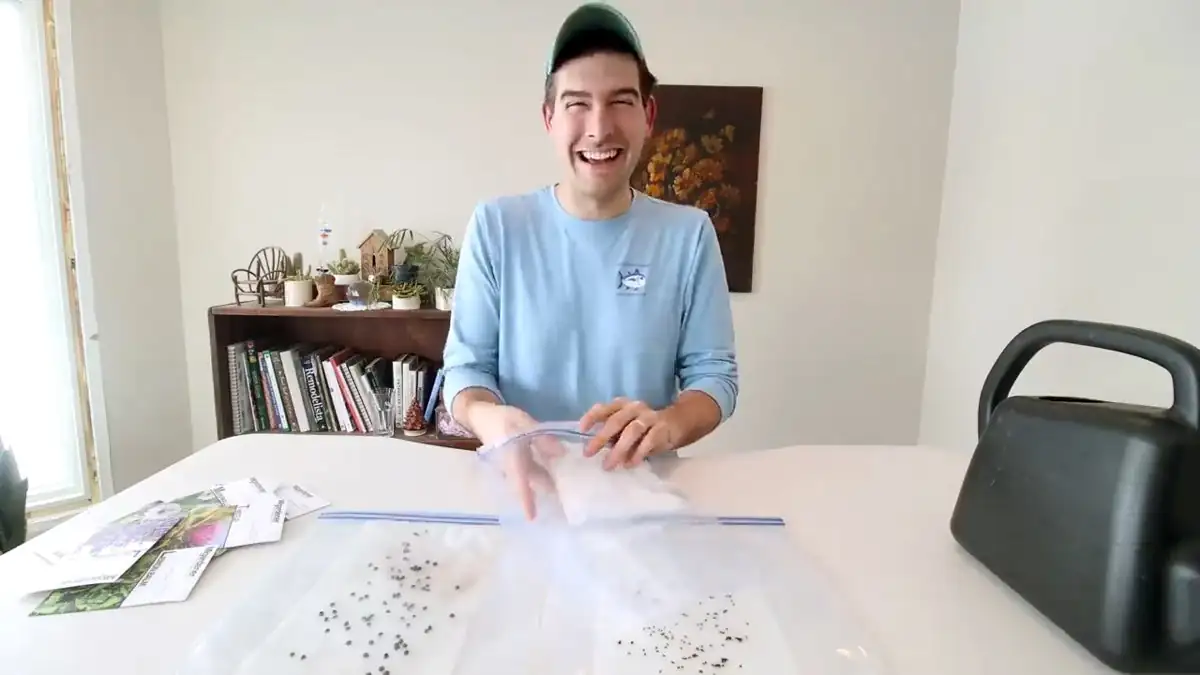
- Sowing Seeds: Plant seeds in a light, well-draining seed-starting mix. Keep them warm, ideally between 20–28°C (68–82°F), and ensure they receive plenty of light.
- Germination Patience: Germination can take a few weeks to over a month, so patience is key. Keep the soil consistently moist but not waterlogged.
Tips for Thriving Lavender
Once your cuttings or seedlings are ready to graduate to the garden, the right conditions will ensure their continued success:
- Sunlight: Lavender thrives in full sun, needing at least 6–8 hours of direct sunlight daily.
- Soil: Opt for loose, sandy, or gritty soil with excellent drainage. Avoid heavy, clay-rich soils.
- Watering: Water deeply but infrequently, allowing the soil to dry out between sessions. Lavender dislikes having “wet feet.”
Lavender’s Symbolic Whispers
In the language of flowers, lavender speaks of calm, devotion, and purity. Its name traces back to the Latin “lavare,” meaning “to wash,” highlighting its historical use in cleansing and aromatherapy. This connection to calm and cleanliness resonates deeply in its symbolism, offering not just a fragrant garden but a space for mental tranquility.
By mastering these propagation methods, you can fill your garden with the enchanting presence of Lavandula angustifolia. Whether you want to create a fragrant pathway, a soothing herb garden, or simply a peaceful corner to relax, lavender is your perfect partner. So, gather your tools and start your propagation journey—your garden awaits its new aromatic residents!


