Unlocking the Secrets of Tree Peonies: A Step-by-Step Guide to Propagation
Ah, the tree peony (Paeonia × suffruticosa), often hailed as the “King of Flowers.” This magnificent shrub, with its lush, ruffled blooms, has been a symbol of prosperity and elegance for centuries, especially in Chinese culture. But what if you could multiply your own garden’s wealth by propagating these beauties? Whether you’re a budding gardener or a seasoned green thumb, this guide will help you navigate the art of propagating tree peonies through division and grafting.
Propagation by Division
When and Why
Tree peony division is typically done in the autumn, ideally after the leaves have fallen. This method is a splendid choice if you have a mature clump—say around four to five years old—and wish to create a few new plants without altering their genetic makeup.
Step-by-Step Guide
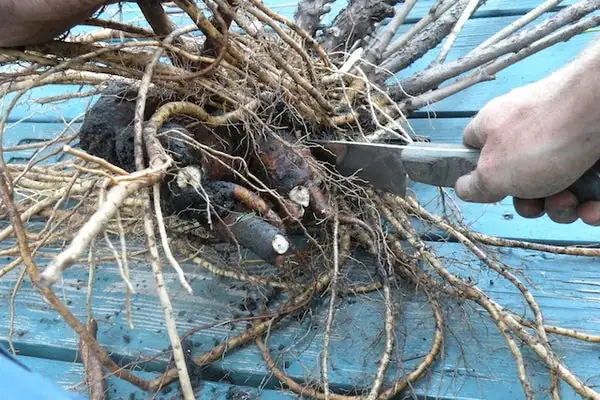
- Preparation: Begin by gently lifting the entire clump from the ground. This is akin to lifting a treasure chest—handle with care!
- Dry and Divide: Allow the roots to dry in a shaded area for two to three days. This drying period softens the roots, making them pliable and ready for division. Aim to divide the clump so that each section has about three to five buds.
- Replant Promptly: With your divisions ready, plant them immediately. Ensure each new section sits at the same soil level as the original plant, and water them well—like welcoming an old friend to a new home.
Tips for Success
- Plan your divisions for a cool, dry day to prevent stress on the plants.
- Keep the roots from drying out too much during the division process; they should be pliable, not brittle.
Propagation by Grafting
Why Choose Grafting?
Grafting is the method of choice if you’re looking for quicker establishment. It’s commonly used because it allows the tree peony to harness the vigor of herbaceous peony rootstock, often making them more robust.
Step-by-Step Guide
- Timing: Late summer to autumn is the sweet spot for grafting. Picture it as matching the rhythms of nature—the garden is winding down, but your work is just beginning.
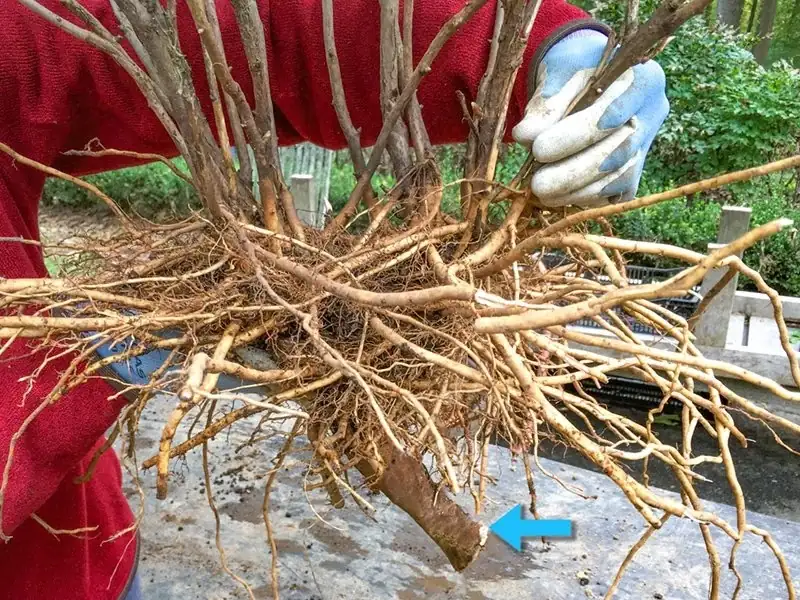
- Rootstock Selection: The foundation of any great structure is its base. Choose a healthy herbaceous peony rootstock, such as Paeonia lactiflora.
- The Grafting Process:
- Cleft or Side Graft: Make a clean, diagonal cut on the rootstock and a corresponding cut on the scion (the tree peony shoot).
- Join and Secure: Fit the scion onto the rootstock, ensuring good contact. Secure the graft with grafting tape, much like wrapping a gift with care and attention.
- Cover and Protect: Plant the grafted section in a pot or directly in the ground, ensuring the graft union is just above the soil level.
Aftercare
- Keep the newly grafted plant in a shaded, sheltered spot to protect it from harsh weather.
- Water regularly but avoid creating a soggy environment, as tree peonies dislike “wet feet.”
Additional Tips and Considerations
Choosing the Right Environment
Tree peonies thrive in full sun to light shade, with cool, temperate conditions. Think of it as creating a cozy nook where they can bask in gentle morning rays but escape the harsh noon sun. They prefer well-drained, fertile loam soil and can handle average humidity levels—just ensure they have good airflow to prevent fungal issues.

Common Challenges and Solutions
- Fungal Diseases: Ensure good spacing and remove any fallen leaves to prevent issues like anthracnose and blight.
- Ants on Buds: Ants are not your enemy here—they’re simply after nectar and won’t harm your blooms.
Symbolism and Significance
Beyond their garden beauty, tree peonies are steeped in cultural meaning. In Chinese lore, they symbolize wealth, honor, and elegance. Each color carries its own message—pink for romance, red for love, and white for purity. As you cultivate these flowers, you’re not just gardening; you’re participating in a tradition that spans centuries.
Conclusion
Whether you’re dividing or grafting, propagating tree peonies is like stepping into a world of timeless elegance and natural splendor. With patience and care, you’ll soon find your garden flourishing with these regal blooms, each one a testament to your green-thumbed prowess. So why wait? Get started and let your garden tell a story of beauty, resilience, and the joy of sharing nature’s bounty!