

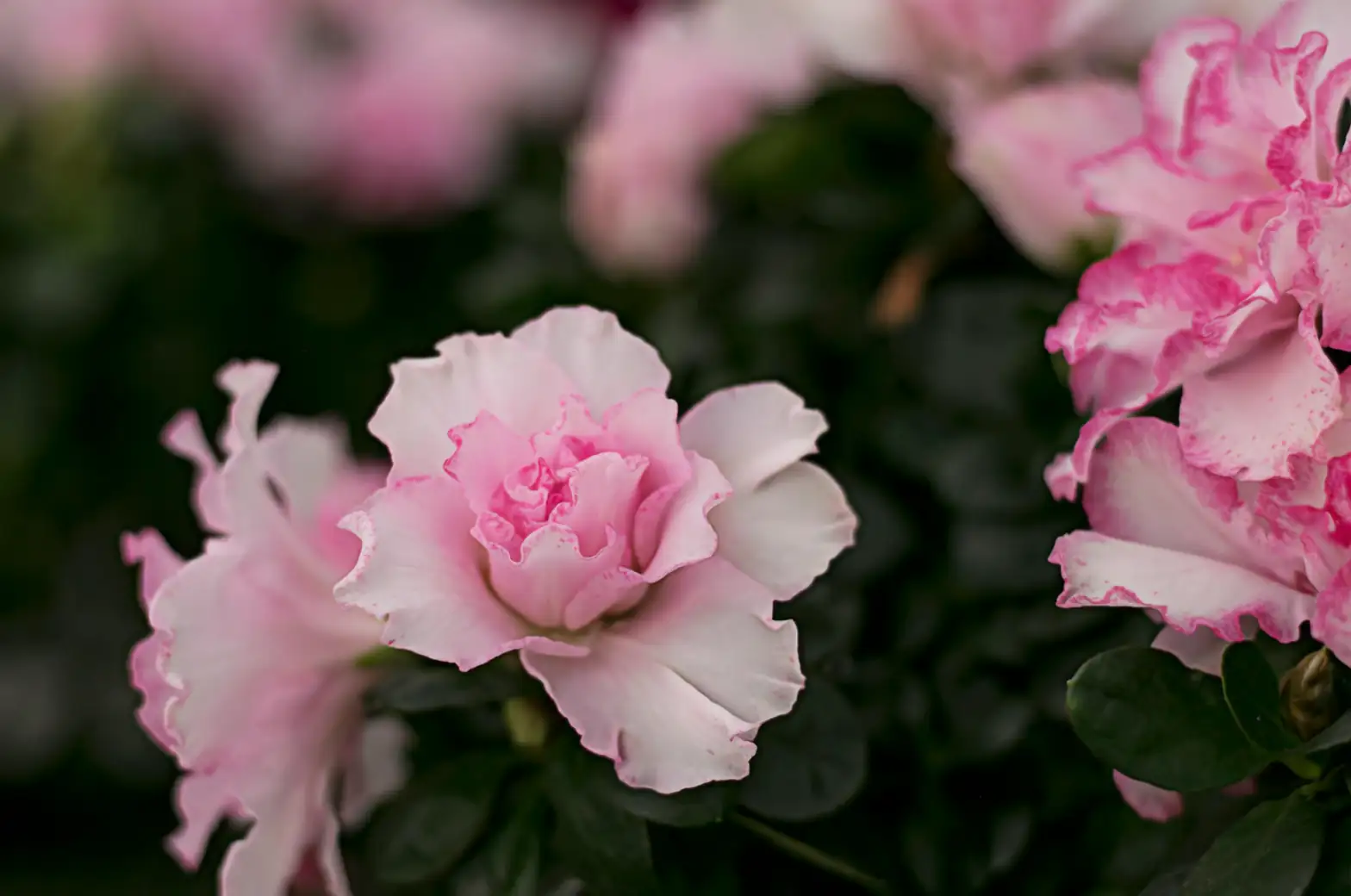
Expand Your Azalea Collection: Mastering Propagation Techniques for Rhododendron simsii
Imagine having a room filled with vibrant azaleas, each bloom a testament to your green thumb. If you’ve ever admired the florist’s azalea, known scientifically as Rhododendron simsii, and wished to multiply its beauty, you’re in the right place. Let’s dive into the art of propagating these beloved ornamental shrubs, focusing on methods like cuttings and layering. Whether you’re a seasoned gardener or just starting out, these techniques will help you expand your collection with ease.
The Basics of Azalea Propagation
Before diving into propagation methods, it’s essential to understand why vegetative propagation is often the go-to choice for azaleas. Unlike seedlings, which can vary significantly from their parent plants, vegetative propagation (such as cuttings and layering) ensures the new plants are genetic clones, maintaining the desired traits like flower color and disease resistance.
Propagation Methods: Cuttings and Layering
1. Stem Cuttings: The Classic Approach
Propagating azaleas from stem cuttings is akin to baking your favorite recipe—follow the steps, and you’ll likely achieve delicious results. Here’s how you can do it:

- Choose the Right Time: The best time to take cuttings is in spring, right after flowering, or from late summer to early fall. Aim for semi-hardened wood, which is new growth that’s started to firm up but still has some flexibility.
- Prepare Your Materials: You’ll need containers with drainage holes, a rooting medium (like a mix of peat moss and perlite), and a rooting hormone. Sterilize your pruning tools to avoid any disease.
- Take the Cuttings: Select healthy, vigorous parent plants. Snip 4- to 6-inch pieces, just below a leaf node.
- Root the Cuttings: Dip the cut end into rooting hormone and plant it in your prepared rooting medium. Keep the medium moist and place your cuttings in a bright area with indirect light, maintaining a high humidity environment, perhaps with a plastic cover.
With patience, roots should form in about 6 to 8 weeks, and you’ll be on your way to nurturing a new azalea.
2. Layering: Nature’s Hidden Charm
Layering is like watching a slow-motion miracle—nature’s way of cloning plants with minimal intervention:
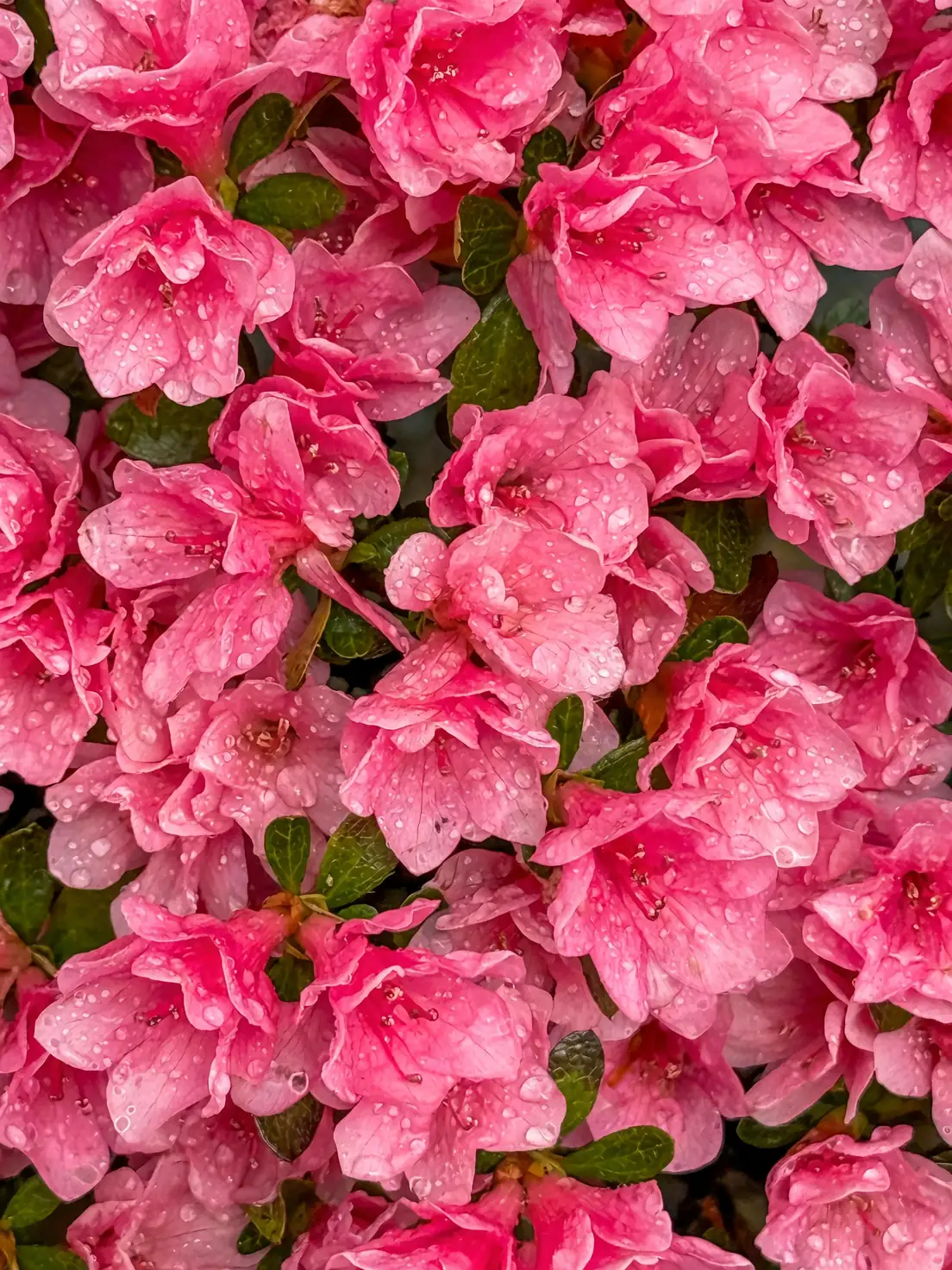
- Traditional Layering: This involves bending a low-growing branch to the ground, covering a section with soil, and securing it with a peg or stone. Over time, roots will form at the buried section, allowing you to sever the new plant from the parent once established.
- Mound Layering: For larger quantities, cut back existing shoots in spring and encourage new ones. By fall, mound soil around the base of these shoots, encouraging them to root.
Both methods take longer than cuttings, often up to a year, but they require less ongoing care—a perfect choice for the patient gardener.
Creating the Ideal Environment
Remember, azaleas thrive in specific conditions. They prefer bright, indirect light and acidic, organic-rich soil. Keep them cool and well-watered, and they’ll reward you with abundant blooms.
A Note on Safety
While azaleas are a treat for the eyes, they’re not so kind to curious pets. All parts of Rhododendron simsii are toxic if ingested, so keep them out of reach of pets and children.
Embrace the Challenge
Propagation is as much art as it is science. With each cutting or layer, you’re not just creating a plant; you’re continuing a legacy of beauty that can last for generations. So, roll up your sleeves, embrace the challenge, and let your azaleas bloom and multiply, turning your space into a burst of springtime joy all year round.
Are you ready to try your hand at azalea propagation? Which method are you most excited to explore? Share your successes and lessons learned, and join a community of azalea enthusiasts celebrating the joy of gardening.


