
If you’ve ever wanted to turn one Boston fern into many—cleanly, quickly, and with a high success rate—this is your playbook. We’ll cover exactly when to divide Nephrolepis exaltata, which tools make the cut, how to pot runner plantlets without hiccups, and an advanced, stepwise spore-culture timeline that carries you from dust-like spores to your first tuft of tiny fronds.
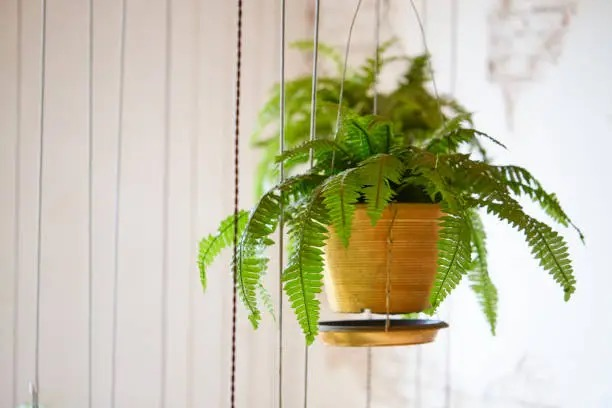
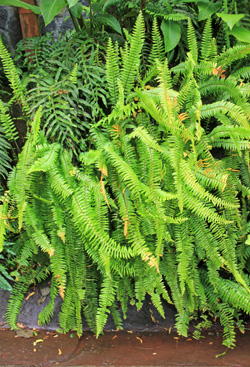
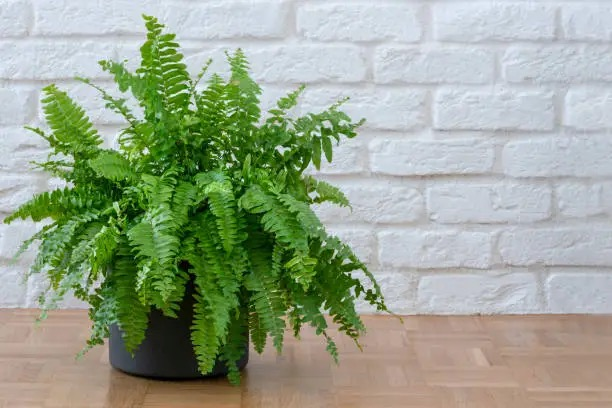
Before we get hands-on, a quick portrait: Boston fern is a clump-forming, runner-producing, evergreen fern with soft, arching fronds that fountain from a crown. It thrives in bright, indirect light, steady moisture, and humidity in the 50–70%+ range. Indoors, it usually tops out around 60 × 60 cm (24 × 24 in), though fronds can grow longer in great conditions, especially in hanging baskets. It’s frost-tender outdoors, generally safe for pets, and happiest at 16–24°C (61–75°F).
Meet the plant
- Scientific name: Nephrolepis exaltata (family Nephrolepidaceae)
- Common names: Boston fern, Sword fern, Ladder fern, Tuber ladder fern (and more)
- Native range: Tropical Americas, including Florida and the West Indies; now widely cultivated
- Growth habit: Dense clumps from a short rhizome; sends slender stolons (runners) with plantlets
- House rules: Bright, filtered light; evenly moist but not waterlogged mix; high humidity; never let the root ball go bone-dry
Masterclass Part 1 — Division: timing, tools, technique, and aftercare
Division is the fastest, most reliable way to multiply Boston ferns and rejuvenate crowded baskets.
When to divide
- Best window: Spring to early summer (active growth; quick recovery)
- Good signals: Pot dries very fast; root ball is dense and circling; multiple obvious crowns; fronds thinning in the center
- Avoid: Heatwaves above ~35°C (95°F) or cold snaps below ~10–12°C (50–54°F)
Tools and setup
- Cutting tools: Sharp serrated knife, hori-hori, or heavy-duty shears
- Sanitation: Isopropyl alcohol or a 10% bleach solution to disinfect blades between cuts
- Pots: Only 1 size up from each division’s root mass; ensure generous drainage
- Mix (choose one, slightly acidic and airy):
- Fern-friendly base of peat or leaf mold + perlite/coarse sand for aeration
- Or 1:1 all-purpose potting mix : loam-based mix + extra perlite if needed
- Extras: Watering can with fine rose, clean tray for working, humidity dome or clear bag for small divisions, labels
Step-by-step division
1) Pre-hydrate: Water the parent plant the day before so roots are flexible and less prone to tearing.
2) Unpot and assess: Tip the plant out and gently loosen the outer roots. Identify natural seams between crowns.
3) Make decisive cuts: Using a disinfected knife, slice cleanly through the root mass to separate clumps. Each division should have:
- A firm crown with growing points
- Several healthy roots
- A few viable fronds (you can remove broken or very old fronds at the base)
4) Right-size potting: Set the crown level with, not buried below, the mix surface to prevent rot.
5) Backfill and firm: Tap the pot to settle mix around roots; don’t compact hard.
6) Water through: Drench until water runs clear; empty saucer immediately.
Aftercare that locks in success
- Light: Bright, indirect light; no harsh midday sun
- Temperature: 16–24°C (61–75°F); keep away from heater/AC vents
- Humidity: 50–70%+; use a humidifier, pebble tray, or a loose humidity dome for 7–10 days
- Watering: Keep evenly moist; never soggy. Let the top ~2–3 cm (~1 in) approach dryness, then water thoroughly
- Feeding: Wait 2–4 weeks, then apply a balanced liquid fertilizer at 1/2 strength monthly during active growth
- TLC tips:
- Trim browning fronds at the base to redirect energy
- Ensure airflow to deter fungal issues, but avoid cold drafts
- Expect establishment roots in 2–3 weeks; new fronds soon after
Common post-division pitfalls
- Crispy tips: Usually low humidity or intermittent dryness—bump humidity and water consistency
- Flop after potting: Crown was buried; replant with crown at surface
- Persistent wilt: Compacted or waterlogged mix—repot into airier medium and improve drainage
Masterclass Part 2 — Potting runner plantlets (stolons)
Boston ferns love to send out wiry runners with baby plantlets. Use them for effortless cloning.
How to spot ready plantlets
- Look for small rosettes with a few pinnae (leaflets)
- Ideally, you’ll see short, developing roots at the plantlet’s base
Mix, pots, and placement
- Pots: Small, 7.5–10 cm (3–4 in) for single plantlets; 12–15 cm (5–6 in) for two or three
- Mix: Same fern-friendly mix as divisions—moisture-retentive yet free-draining
- Light and humidity: Bright, filtered light; 50–70%+ humidity
Two reliable methods

1) Pin-in-place (highest success)
- Fill a small pot with mix and nestle it beside the mother plant
- Without detaching, pin the plantlet’s base onto the mix with a U-shaped wire/bobby pin
- Keep evenly moist; in 2–6 weeks, tug gently—if it resists, it’s rooted
- Sever the runner to wean the new fern; keep humid for a week
2) Pot-and-wean (for plantlets already showing roots)
- Snip the runner leaving ~1–2 cm (0.5–1 in) of stolon attached
- Pot shallowly; keep the crown at surface level
- Maintain steady moisture and high humidity until new frond growth appears
Troubleshooting plantlets
- Shrivelled baby: Mix dried even briefly—re-wet thoroughly and consider a humidity dome
- Slow rooting: Light too low or temperatures too cool; move to warmer, brighter indirect light
- Rot at base: Crown buried or mix staying wet—replant shallower, improve aeration
Masterclass Part 3 — Advanced spore culture: a clear timeline from sowing to tiny ferns
Ferns don’t flower; they reproduce sexually via spores that grow into heart-shaped prothalli (gametophytes), which then give rise to baby ferns (sporophytes). Patience and cleanliness are key.
Collecting and prepping spores
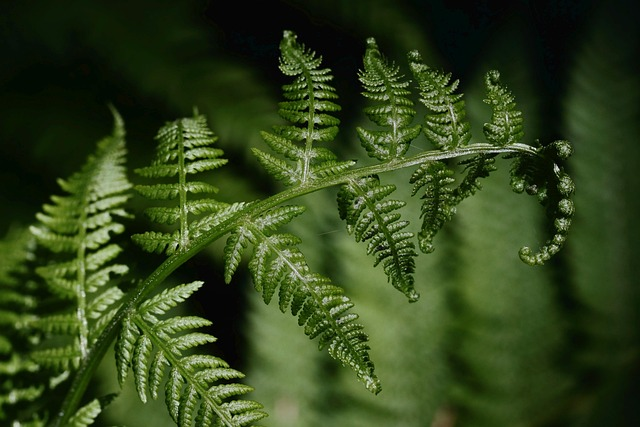
- Choose fronds with mature, brown sori (spore clusters) on the undersides
- Paper-bag method: Cut a frond, place in a paper envelope for a few days; tap out the dust-like spores
- Optional hygiene boost:
- Pasteurize your medium (microwave damp medium until steaming; cool with lid on)
- Rinse spores briefly in cooled, boiled water or a very dilute hydrogen peroxide solution, then dry on clean paper
- Medium: Fine peat or leaf-mold base with a little grit/perlite for air; pre-moisten with distilled or boiled-and-cooled water
- Containers: Clear lidded tubs or jars with sterilized lids; label with date and species
Sowing
- Sprinkle spores very thinly over the surface—don’t bury
- Seal the container to lock in humidity and prevent contamination
- Light: Bright, indirect; never direct sun
- Temperature: Aim for 16–24°C (61–75°F); steady warmth speeds progress
- Fertilizer: None at this stage
Milestone timeline (typical indoors)
- Week 0: Sow on moist, sterile(ish) medium; seal
- Weeks 4–6: Subtle green haze develops (a lawn of early gametophyte tissue)
- Weeks 8–10: Distinct heart-shaped prothalli form across the surface
- Weeks 10–14: Fertilization window—keep the surface glistening (not flooded) so sperm can swim to eggs; avoid strong air currents
- Weeks 12–20: First sporophytes (tiny true ferns) appear—pinpoint fronds with teeny pinnae
- Months 4–6: When sporophytes have 2–3 true fronds and visible roots, prick out gently with a sterile tool into community pots of airy fern mix
- Months 6–9: Gradually acclimate—crack lids for more airflow over 1–2 weeks; begin very dilute feeding (1/4–1/2 strength) every 3–4 weeks in active growth
Spore-culture troubleshooting
- Mold or algae overrun: Improve sterilization (medium and tools), sow thinner, increase light slightly (indirect), and avoid splashing
- No sporophytes after prothalli: Surface dried during the fertilization window—mist with distilled water to maintain a fine film
- Damping or collapse: Medium too wet/stagnant—vent very briefly once sporophytes appear; ensure temperatures are stable
- Leggy, pale babies: Light too low—move closer to bright, filtered light
Potting mixes that Boston ferns love
- Classic fern mix (indoor baskets):
- 2 parts peat or leaf mold
- 1 part perlite or coarse sand
- Handful of fine bark or coco chips for structure
- “Houseplant + loam” blend:
- 1 part quality all-purpose potting mix
- 1 part loam-based mix
- Extra perlite if drainage seems sluggish
Notes:
- Keep it slightly acidic and springy
- Avoid heavy, waterlogged media; empty saucers after watering
Care refreshers that matter most during propagation
- Light: Bright, indirect to partial shade; soft morning sun is fine; avoid harsh midday rays
- Temperature: Best at 16–24°C (61–75°F); keep above ~7°C (45°F)
- Humidity: 50–70%+ for lush fronds and happy propagules
- Watering rhythm: Let the top 2–3 cm (~1 in) dry slightly, then water thoroughly; in active growth, a 10-minute soak-and-drain every couple of weeks rehydrates evenly
- Feeding: During the growing season, use a balanced liquid fertilizer at 1/2 strength about monthly; pause in winter
- Grooming: Remove yellow/brown fronds at the base; fix the cause (humidity, watering, salt buildup, or sun) while you tidy
- Pests: Watch for spider mites in dry air, plus mealybugs/scale/whiteflies; rinse fronds, boost humidity, and treat with insecticidal soap or neem if needed
- Safety: Generally considered non-toxic to people, cats, and dogs
Quick calendar cues
- Spring: Prime time to repot/divide; resume feeding; water more consistently as growth accelerates
- Summer: Shield from harsh sun; maintain even moisture and high humidity
- Autumn: Ease off feeding; keep mix slightly drier between waterings—but never bone-dry
- Winter: Brighter spot indoors, away from drafts; water less often; no fertilizer; stay above 7°C (45°F)
Fern folklore and “flower language”
Ferns don’t bloom, but they still carry centuries of symbolism: freshness, sincerity, renewal, and the hush of woodland calm. The so-called “flower language” for ferns evolved from Victorian plant lore rather than blossoms—think secret places, hidden magic, and resilience. Bringing a Boston fern home is like hanging a small green waterfall that quietly resets the room’s mood.
Parting confidence boost
- For speed and certainty, divide in spring and baby those crowns for 2–3 weeks.
- For easy cloning, pin runner plantlets before cutting the cord.
- For the long game, sow spores and enjoy the slow alchemy from invisible dust to frilled fountains.
With the right timing, clean tools, and humidity-forward aftercare, Nephrolepis exaltata turns one lush fountain into a whole chorus of green.