

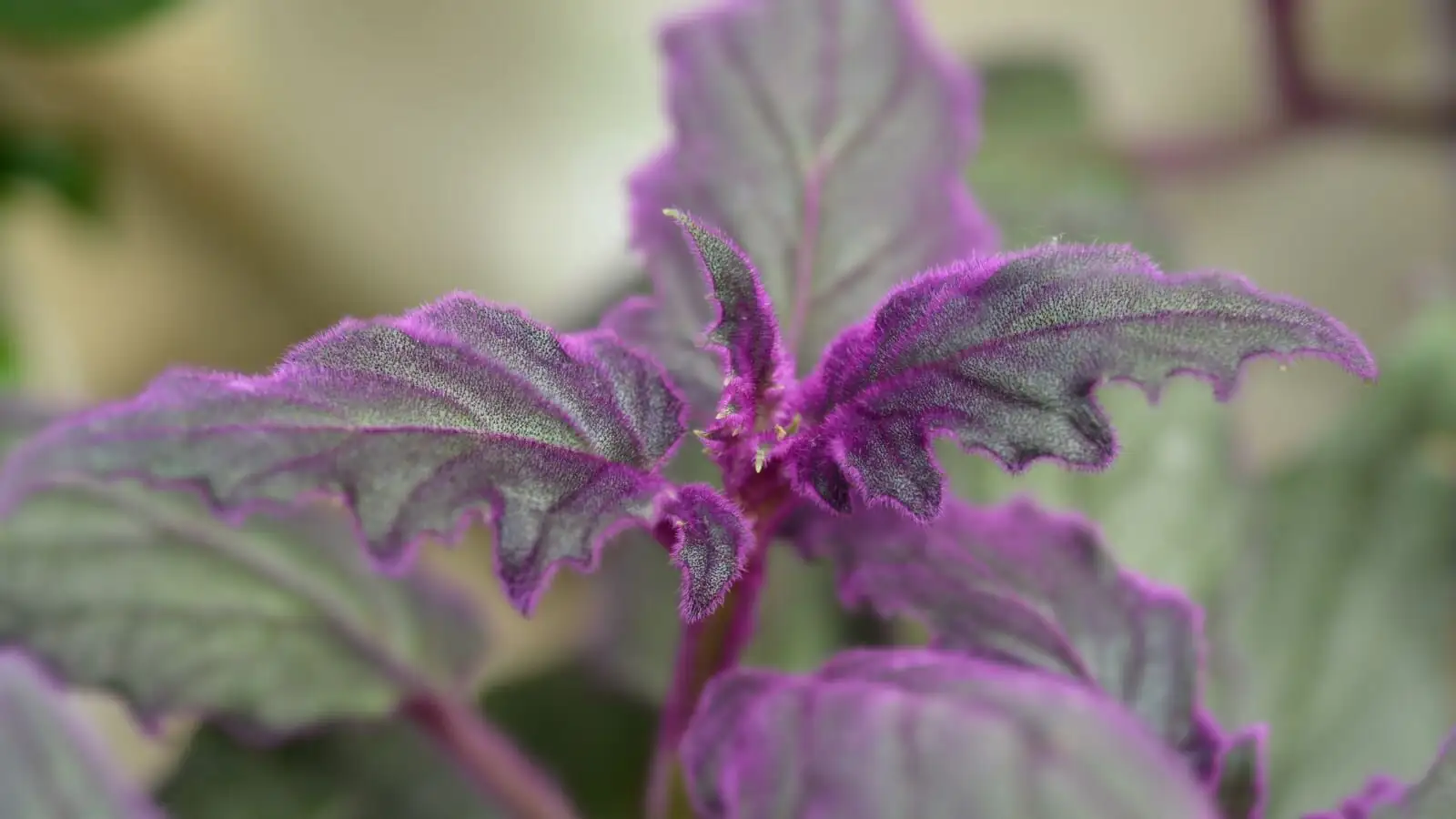
When your Purple Passion Plant (Gynura aurantiaca) throws up fuzzy buds in late fall or winter, you face a delightful dilemma: let those yellow‑orange daisies open—or pinch them off to keep the plant plush, purple, and dense. Here’s a practical, nose‑honest guide to the pros and cons of winter blooms, plus airflow tactics if you keep the buds and step‑by‑step pinching for a fuller, foliage‑forward plant.
Meet the winter bloom on a foliage diva
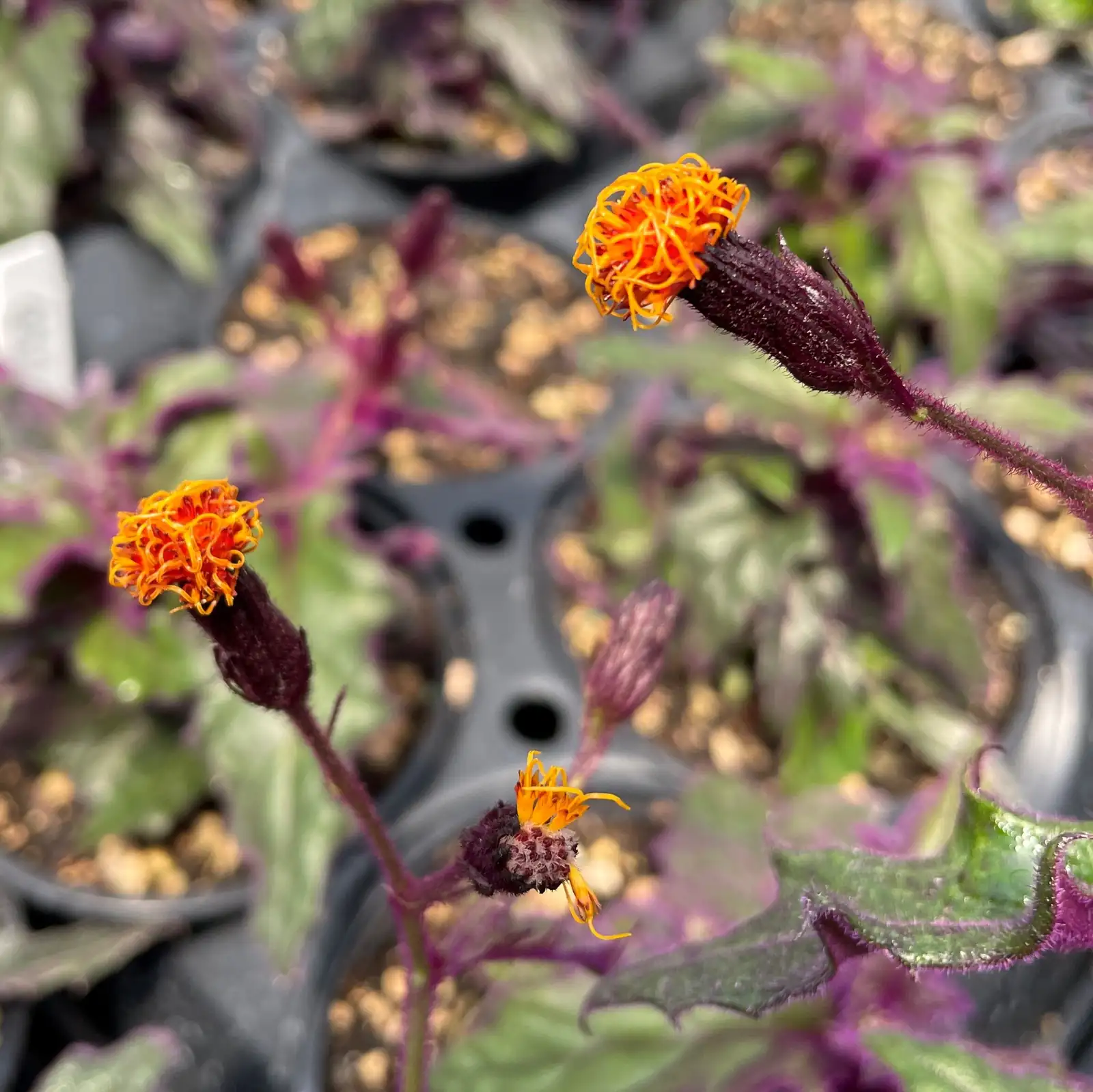
- What to expect: Small, daisy‑like flower heads in yellow to yellow‑orange, most often in the cooler months indoors.
- The contrast: Flowers are subtle; the real show is the velvety purple fuzz on green leaves that glows in bright, indirect light.
- Why many pinch: The blooms aren’t as decorative as the foliage and can smell…unpleasant. Think “funky gym bag” in a closed room if many blooms open at once.
The scent reality check
- Light bloom, light whiff: A bud or two may be tolerable for some noses.
- Many blooms, big stink: Multiple flower heads in a warm, closed room can read as body‑odor/rancid‑butter territory. That’s why indoor growers often remove them.
Pros and cons of letting it bloom in winter
Pros
- Seasonal curiosity: Seeing your velvet plant switch gears midwinter is fun and signals the plant has enough maturity and light to try.
- Gentle branching aftercare: Removing spent blooms and lightly pinching afterward can still net you some branching.
- Conversation piece: A few buds can be interesting in a well‑ventilated spot.
Cons
- Energy trade‑off: Winter light is scarce. Blooming siphons carbohydrates from leaves and stems, often yielding leggier growth and a greener cast as the purple effect fades in lower light.
- Scent indoors: The odor can be unpleasant, especially when several flowers open together.
- Pest magnet: Buds and fresh blooms can attract aphids, whiteflies, and mealybugs.
- Mess and moisture risk: Spent blooms shed and, if they get damp, can encourage fungal issues—never ideal on fuzzy leaves that should stay dry.
If you keep the buds: airflow, comfort, and care hacks
- Ventilation without chills:
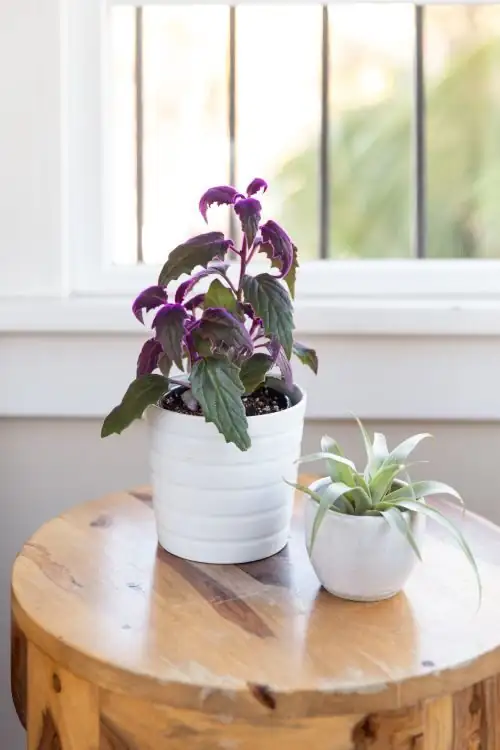
- Run a gentle fan on low in the room to keep air moving.
- Space plants so leaves don’t touch.
- Crack a window only on mild days—protect from temperatures below about 10°C (50°F).
- Humidity, the safe way: Aim for moderate 40–60% humidity. Use a pebble tray or humidifier plus airflow. Do not mist—the hairs trap water, causing spotting or rot.
- Light: Bright, indirect light (east or west window, or filtered south). Too little light = greener, leggier growth.
- Temperature: Best around 15–24°C (59–75°F); keep above 10°C (50°F) in winter.
- Watering: In winter, reduce frequency and keep the mix just barely moist. Always water at the soil line—never over the leaves or flowers.
- Housekeeping: Remove spent blooms promptly and bag them (the scent can linger on fingers and in bins). Wash hands after handling; the fuzz/sap can irritate sensitive skin.
- Feeding: Winter is not a feast season. Reduce or pause fertilizer. If you choose to support a few blooms, do so lightly and cautiously—avoid heavy nitrogen that causes weak, leggy growth.
If you’d rather pinch: how to do it responsibly
Where and how to pinch
- Gear up: Clean scissors or pruners, or use your fingertips for soft tips. Wear gloves if you have sensitive skin.
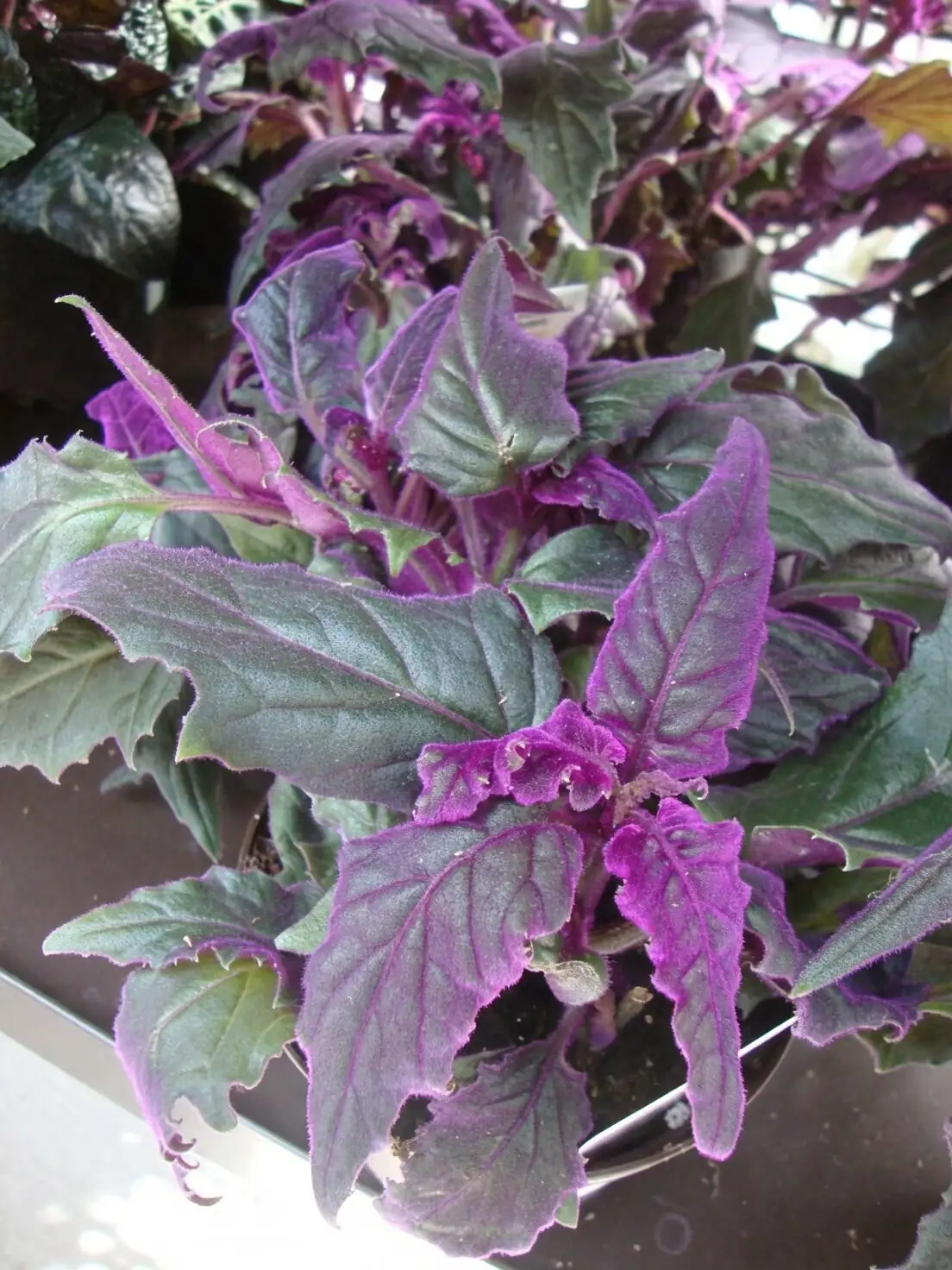
- Target: Follow the flower stem to the first pair of healthy leaves; pinch/cut just above that node to encourage branching.
- Timing: As soon as you spot buds if scent or legginess is a concern. For shaping, a great moment to tip‑pinch is when shoots reach about 20 cm (8 in).
- How much: In one session, remove no more than 20–30% of the plant to avoid stress.
- Keep it dry: Pinch on a dry day; never wet the foliage. Let cuts air‑dry quickly in moving air.
Aftercare for density
- Light: Keep bright, indirect light to power new, purple growth.
- Water: Lightly moist, never soggy; reduce in winter.
- Feed: Resume a balanced, modest feeding routine in spring (monthly at normal strength or every 2 weeks at half strength). Avoid excess nitrogen.
- Refresh cycle: After 2–3 years, if the plant gets sparse, restart from cuttings for a fresh, compact specimen.
Turn pinches into new plants (easy propagation)
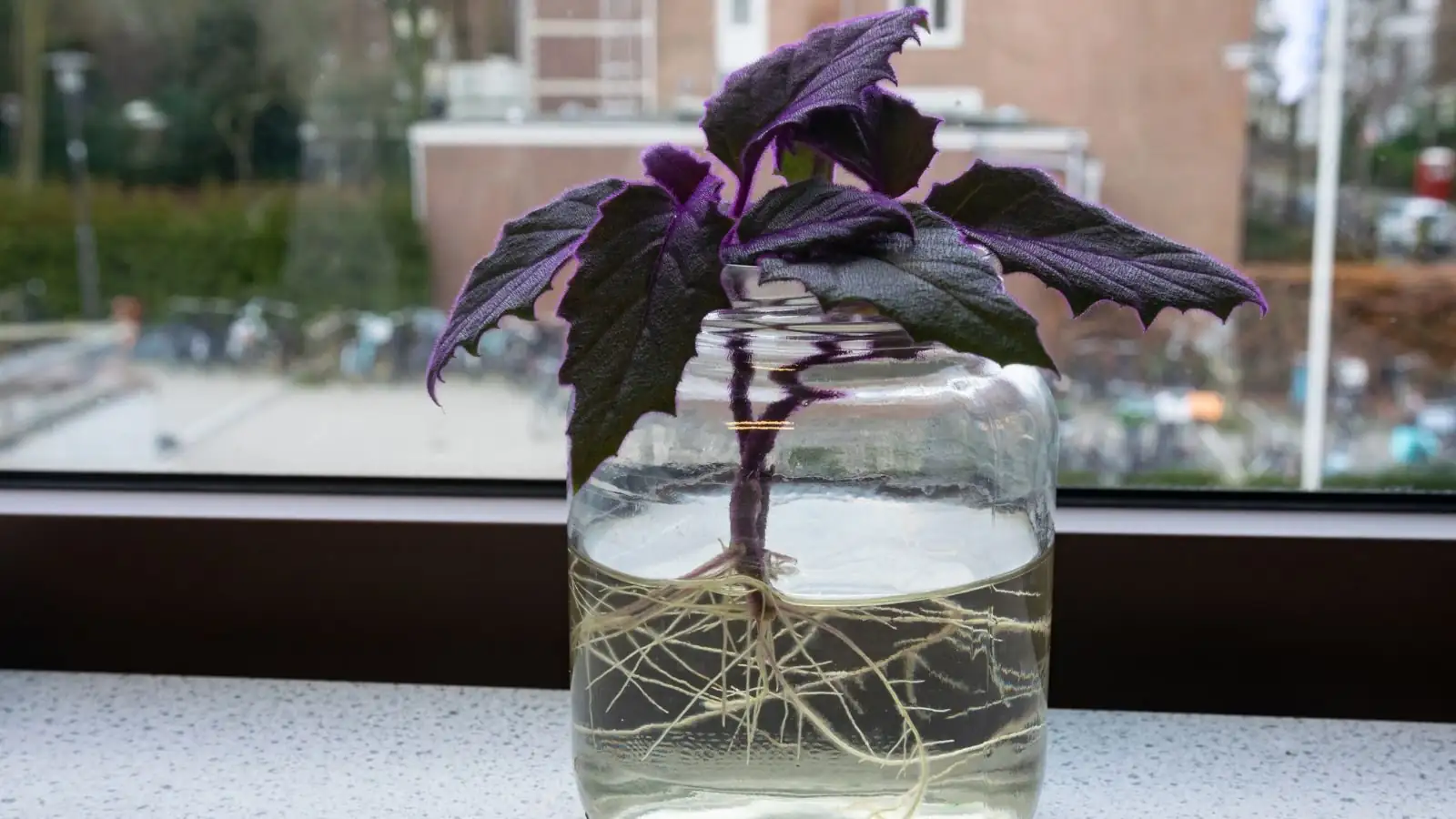
- Take 7–10 cm (3–4 in) tip cuttings with 4–5 leaves. Remove the bottom leaves.
- Root in clean water or a light, airy mix (perlite‑amended). Keep at 20–25°C (68–77°F) in bright, indirect light.
- Expect roots in roughly 2 weeks. Plant 3 rooted starts together for a fuller pot.
Winter energy budgeting: keep the purple, lose the drama
- Light is currency: More bright, indirect light = better color and sturdier growth. Filter harsh midday sun; too little light fades the purple.
- Watering downshift: Growth slows in winter. Keep the mix barely moist and never let the pot sit in water.
- Temperature guardrails: Aim for 15–24°C (59–75°F); avoid chills below 10°C (50°F), which can cause yellowed edges and scorched‑looking patches.
- Fertilizer finesse:
- Winter: reduce or pause feeding.
- Spring–fall: balanced fertilizer—either monthly at normal strength or every 2 weeks at half strength.
- If you experiment with a slightly higher‑potassium formula, do so cautiously and never overfeed.
Troubleshooting bloom‑season issues
- Strong odor indoors: Pinch buds early, ventilate the room, and relocate temporarily to a spare bathroom or laundry with airflow if you’re curious but cautious.
- Leaf spotting/rust: Improve airflow, keep leaves dry, remove affected parts. Never mist.
- Pests (aphids, mealybugs, whiteflies, spider mites): Inspect buds and leaf undersides. Treat early with insecticidal soap or horticultural oil and isolate the plant.
- Leggy, greenish growth: Increase light, pinch tips to branch, refresh soil in spring, and avoid overfeeding nitrogen.
Quick placement and potting refresher for best foliage
- Light: Bright, indirect to light shade; an east/west window is ideal, or filtered south.
- Placement: Hanging basket, plant shelf, or windowsill with filtered light. Let stems trail.
- Soil: Loose, fertile, and well‑draining; a quality houseplant mix with perlite works well.
- Watering technique: Always at the soil line. Avoid wetting the velvet.
- Repotting: Spring is best. Yearly for peak vigor, or every 2–3 years if growth is strong. Typical pot sizes range 12–15 cm (5–6 in), up to 15–20 cm (6–8 in).
- Fuller look: Plant 3 young starts in one pot for a lush cascade.
Safety notes
- Not considered highly toxic, but ingestion may cause mild stomach upset. The fuzzy hairs/sap can irritate sensitive skin—gloves are a good idea when pinching and propagating. Keep out of reach of pets and children.
A note on symbolism (flower language)
“Purple Passion” is often linked with bold individuality and vibrant energy—largely a modern, aesthetic reading rather than an old folklore tradition. The saturated, light‑catching purple hairs feel unabashedly dramatic, while the plush texture suggests luxury and eccentricity. In other words, it’s a plant that celebrates standing out—fitting for a houseplant grown more for its fashion‑forward foliage than for its modest, sometimes stinky, winter blooms.
Bottom line
- Keep the buds if you’re curious, but pair them with great airflow, bright indirect light, and restrained winter watering.
- If you love the velvet more than the daisy, pinch early and often (and responsibly) to keep your Gynura aurantiaca compact, cascading, and gloriously purple. Either path works—as long as you keep those leaves dry and the air gently moving.