

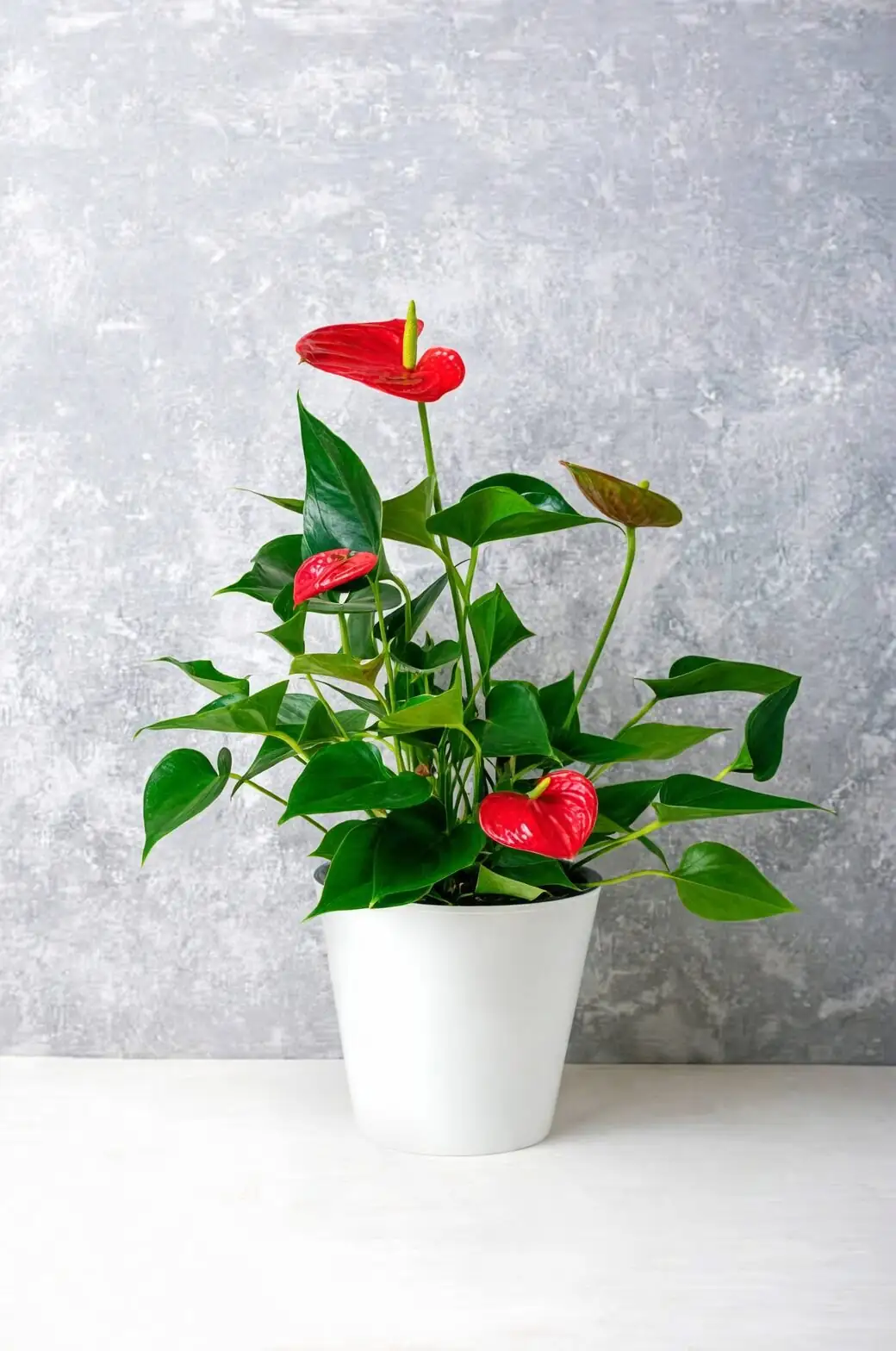
Brilliantly glossy leaves, heart-shaped spathes in lipstick red or blushing pink, and months-long “blooms”—the Flamingo Flower (Anthurium andraeanum) is a houseplant that turns any room into a tropical vignette. But like many aroids, it hides a spicy secret: insoluble calcium oxalate crystals that can sting curious mouths and irritate skin. Here’s a clear, practical guide to safer placement, contact precautions, and the simple first-aid steps every pet parent and caregiver should know—so you can enjoy this beauty with confidence.
Meet the plant you’ll be child- and pet-proofing
- Names you’ll see: Flamingo Flower, Anthurium, Laceleaf, Painter’s Palette, Tailflower (scientific name: Anthurium andraeanum).
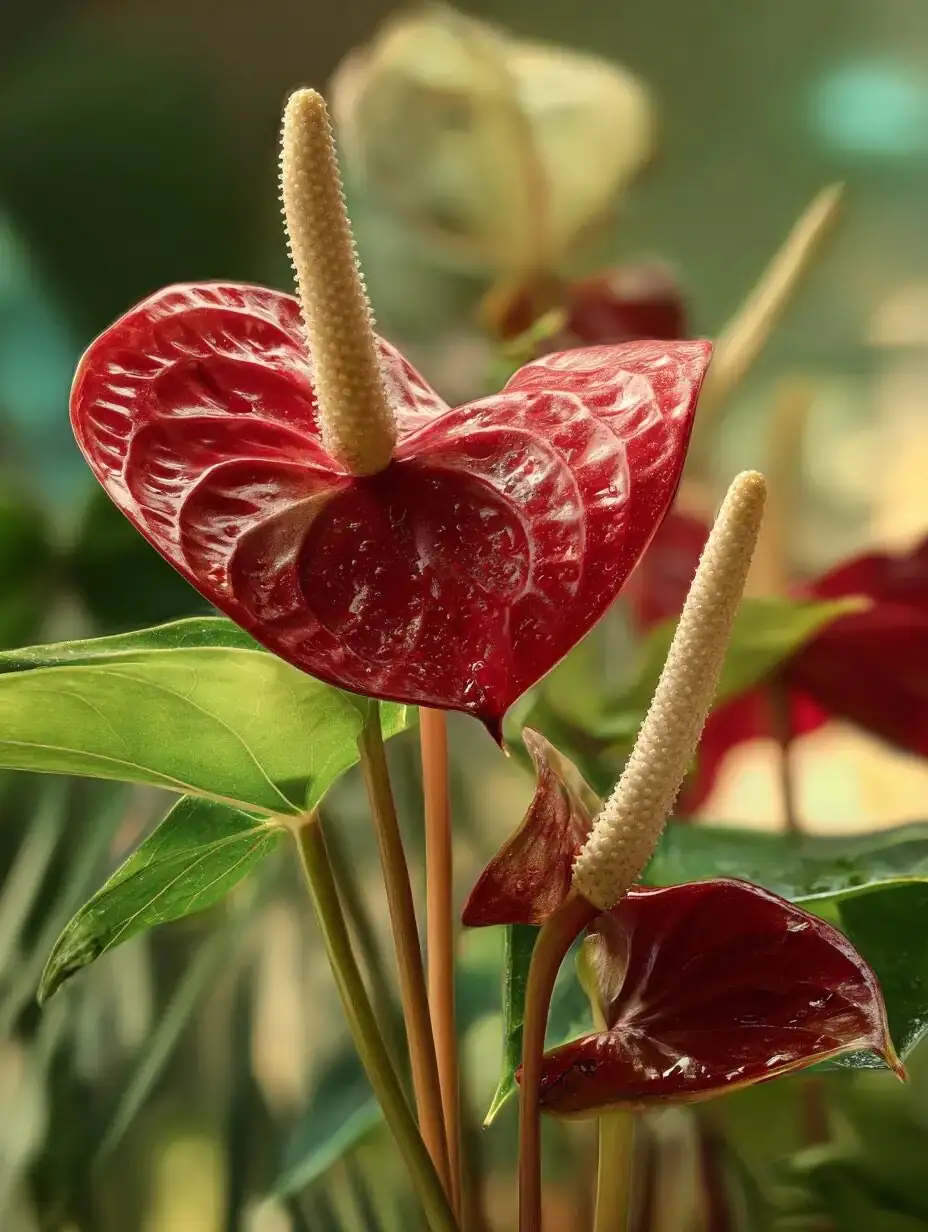
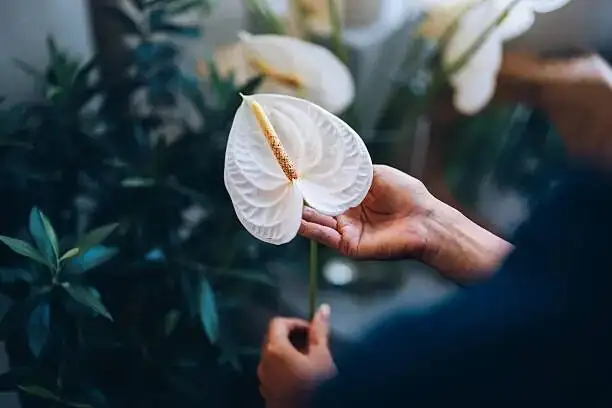
- Look for: deep green, glossy, arrow- to heart-shaped leaves; a showy, waxy spathe (red, pink, white, burgundy, sometimes green or bicolors) wrapped around a finger-like spadix.
- Indoors, most pots grow about 30–60 cm (12–24 in) tall and wide, happily reblooming in bright, filtered light and steady warmth.
The science of the sting: calcium oxalate 101
Anthurium tissues contain needle-like, insoluble calcium oxalate crystals (raphides). When chewed, these crystals can pierce delicate mouth and throat tissues, triggering:
- Immediate burning/tingling and swelling in the mouth or lips
- Drooling and reluctance to swallow
- Oral pain and, occasionally, vomiting
The sap may also irritate skin, and if it contacts eyes, it can cause redness and tearing. Severe airway swelling is uncommon but requires urgent care.
Who’s most at risk?
- Toddlers and babies (hand-to-mouth explorers)
- Cats, kittens, dogs, and puppies (especially the mouthy, curious ones)
- Small pets like rabbits, birds, and rodents
Good news: Most exposures are uncomfortable but self-limiting with prompt first aid and monitoring. Very serious complications are rare.
Typical signs to watch for
- People (especially children): burning or numbness in the mouth, drooling, swollen lips/tongue, difficulty swallowing, hoarseness; skin redness/itching with sap; eye irritation if rubbed
- Pets: drooling, pawing at the mouth, oral pain, decreased appetite, vomiting; very rarely, breathing difficulty
Smart placement: safe display heights and setups
Height helps—but only if there’s no easy “launchpad.” Use these placement rules of thumb alongside your home’s realities.
Homes with babies and toddlers
- Aim high: place at 120–150 cm (4–5 ft) above the floor on sturdy, wall-mounted shelves or tall cabinets.
- Remove ladders: keep step stools, toy bins, and low furniture away from the shelf below the plant.
- Use barriers: glass-front plant cabinets (with ventilation) or closed rooms are excellent.
Homes with dogs
- Most dogs can’t access securely wall-mounted shelves at 120–150 cm (4–5 ft), but large breeds can nose around counters.
- Choose wall shelves with a front lip, high consoles without nearby furniture, or dog-free rooms.
- Avoid coffee tables, end tables, and low stands—tempting snout height.
Homes with cats
- Height alone is unreliable; many cats will turn a plant shelf into a parkour challenge.
- Go for:
- Glass-front plant cabinets or display cases with good airflow
- Hanging planters anchored into studs, with at least 1 m (3 ft) of clearance from any jump-off point
- Cat-free rooms behind closed doors
- Bonus: pick up fallen leaves or spathes promptly—curiosity starts on the floor.
Extra safety tweaks
- Use heavy, tip-resistant pots; secure hanging planters properly.
- Keep hydroponic/vase setups out of reach—spent vase water can contain irritating sap.
- Don’t trail leaves across reachable edges; trim or reposition.
Contact precautions for plant people
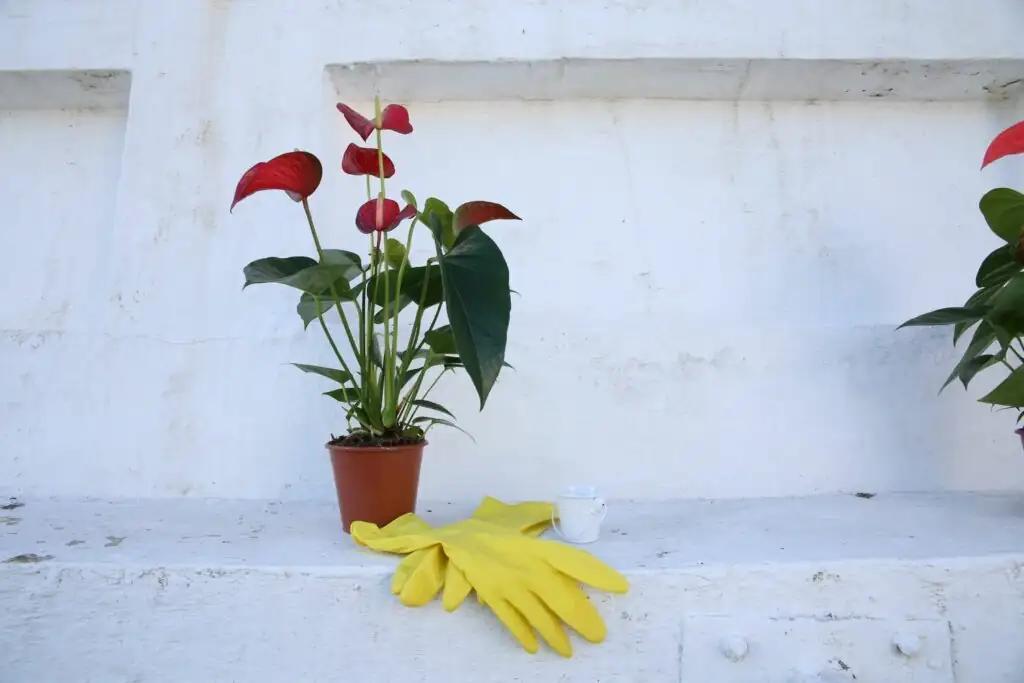
- Wear gloves when pruning, dividing, or repotting; wash hands thoroughly after handling.
- Avoid touching your eyes; sap can irritate.
- Wipe up sap drips immediately and clean tools.
- Bag and bin trimmings right away; never compost where pets or wildlife can forage.
Simple first aid if a nibble (or rub) happens
For children and adults
- Spit and rinse: remove plant bits from the mouth; rinse repeatedly with cool water.
- Soothe: offer cold water, milk, or a popsicle; ice chips help if age-appropriate. Do not induce vomiting.
- Skin contact: wash with soap and lukewarm water.
- Eye contact: flush with clean, lukewarm water for 15 minutes and avoid rubbing.
- Monitor: watch for persistent drooling, swelling, voice changes, or trouble breathing—seek urgent care if these appear.
- Call for advice: contact your local Poison Control for tailored guidance.
For pets
- Rinse: gently flush the mouth with cool water (a small syringe or damp cloth works). Don’t force it.
- Soothe: offer small amounts of water; a little milk or yogurt can be soothing for some pets. Do not induce vomiting.
- Monitor: watch for drooling, pawing at the mouth, vomiting, or decreased appetite.
- Call your vet or a pet poison service (e.g., Pet Poison Helpline: 855‑764‑7661) for case-specific advice, especially for kittens, puppies, or if symptoms escalate.
- Remove access: relocate the plant and clean up any fallen pieces.
Most mild exposures improve over several hours. Always seek professional guidance if you’re unsure, symptoms worsen, or the exposed individual is very young, very small, or has pre-existing conditions.
Everyday prevention checklist
- Place the plant high or behind barriers; shut doors to plant rooms when you leave.
- Train pets with “leave it” and provide alternative chews and cat grass to redirect curiosity.
- Keep pruning sessions and potting soil out of reach; dispose of trimmings securely.
- Wipe hands and tools; wash surfaces where sap might have dripped.
- With cut-flower anthuriums, keep stems and vase water away from kids and pets; discard vase water outdoors or down a toilet, not in a pet’s bowl zone.
Styling without the stress: where it thrives safely
Pair safety with great growth:
- Light: bright, indirect light to light shade; avoid harsh midday sun that can scorch.
- Warmth: happiest around 16–24°C (61–75°F) indoors; flowering is strongest with steady warmth up to about 30°C (86°F). Keep above 15°C (59°F) in winter.
- Humidity: moderate to high (50–60%+). A bright bathroom with a window is both safe (door closed) and ideal.
- Potting: a chunky, airy aroid mix (bark + coir/peat + perlite). Water when the top 2–3 cm (about 1 in) is just dry—aim for evenly moist, never soggy.
- Bonus safe spots: wall-mounted shelves near east/north windows, enclosed plant cabinets, or hanging planters with no nearby furniture.
Flower language that lasts
Anthurium’s “flower” is a long-lasting spathe, so it naturally came to symbolize hospitality, warmth, confidence, and enduring love—its color holds for weeks, like a standing invitation. Heart-shaped leaves and bold reds reinforced the romance; hotels and hosts popularized it as a welcome accent. While “flower language” isn’t a science, the symbolism fits a plant that greets you day after day without fading fast.
Quick ID and safety FAQs
- How big does Flamingo Flower get indoors?
Typically 30–60 cm (12–24 in) tall and wide; many common houseplants sit around 45 × 30 cm (18 × 12 in), depending on cultivar and care.
- Is it deadly?
It’s considered toxic if chewed and can be quite painful, but severe complications are uncommon. Rapid first aid and professional advice help keep things routine.
- Does hydroponic or vase-growing make it safer?
No. The same crystals are in the tissues; keep the plant and any vase or reservoir water out of reach.
- What about skin-safe handling day to day?
Most people can handle leaves briefly without issue, but sap can irritate—gloves are smart for pruning, dividing, or when you have sensitive skin.
Enjoy your Anthurium andraeanum for its sculptural leaves and painterly spathes—just give it pride of place high, handsome, and hands-off, and keep these quick first-aid steps in your back pocket. That way, everyone (two- and four-legged) can admire the show without the ow.