

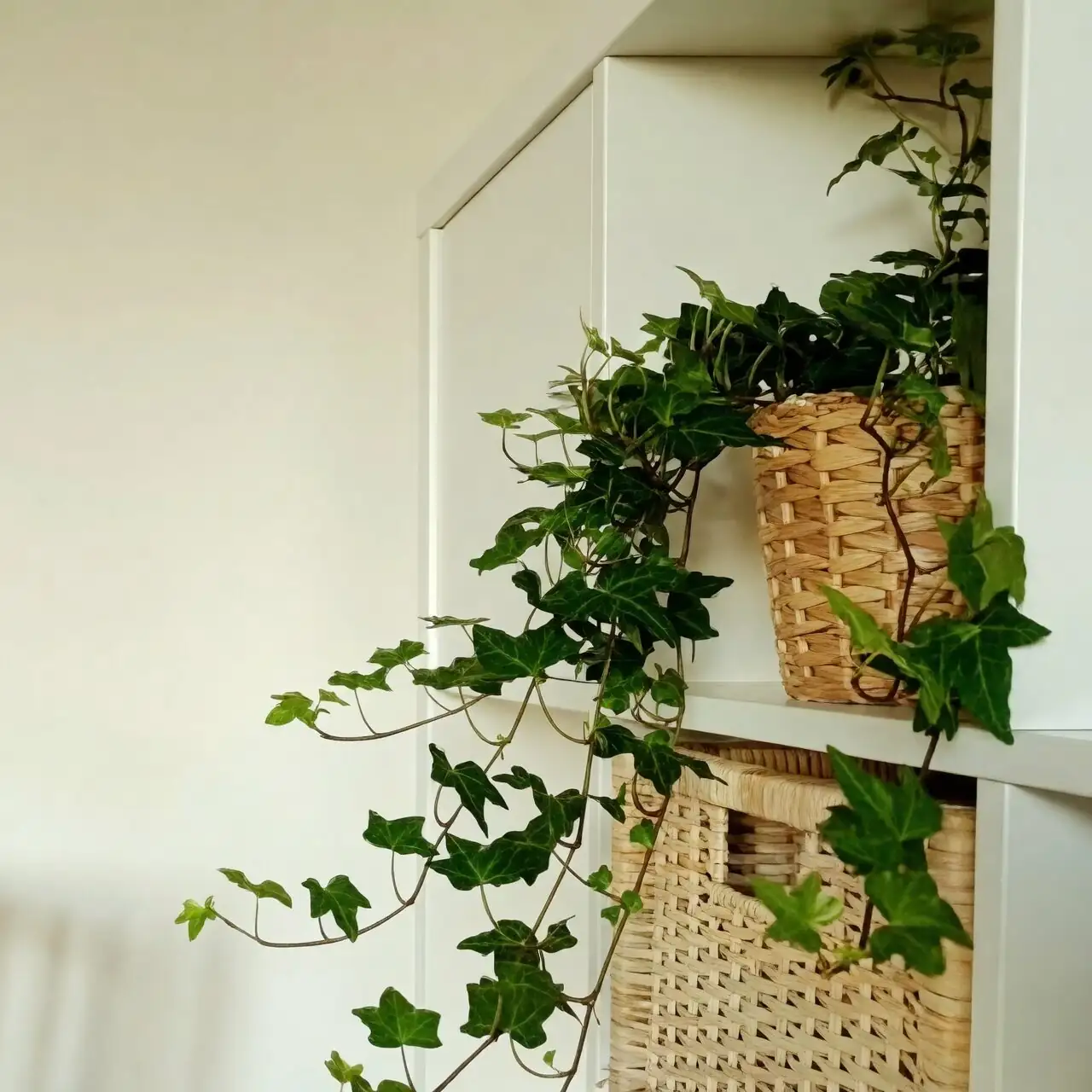
English ivy may look like a soft green cascade, but it comes with prickly fine print. If Hedera helix L. is on your wish list (or already trailing from a shelf), here’s your clear, practical guide to what’s toxic, how to place it safely, what to do if someone nibbles a leaf, and how to handle its sap without drama.
Meet English ivy—then meet its boundaries
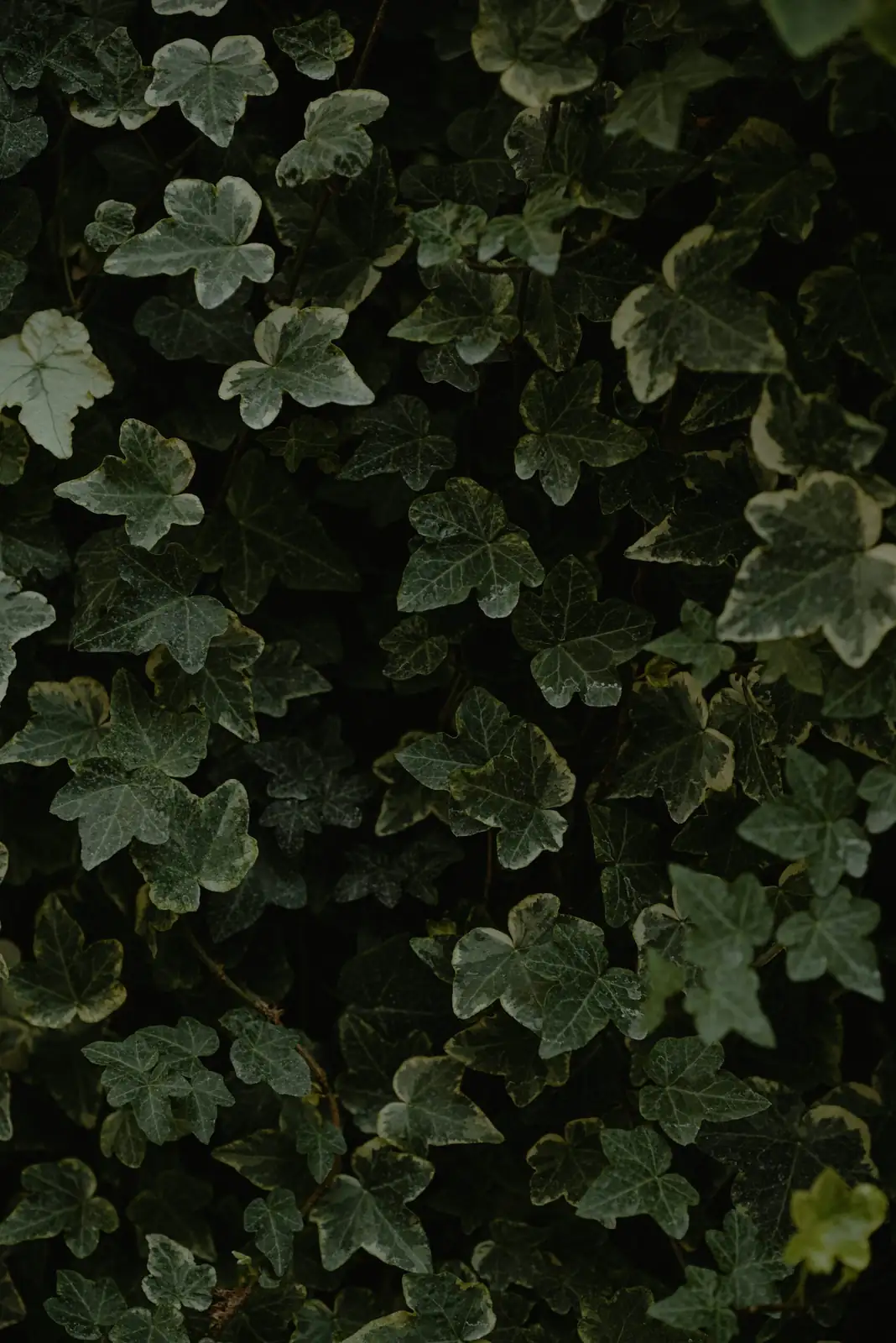
This evergreen climber is a classic for a reason: glossy, often variegated leaves that drape beautifully indoors or cloak shady spaces outdoors. Younger (juvenile) vines carry the familiar 3–5‑lobed leaves; older, flowering shoots switch to more oval, unlobed leaves. It’s gorgeous—and it’s also toxic. Setting smart boundaries keeps everyone safe.
Toxicity at a glance
- Who’s at risk: People and pets (cats, dogs, and grazing animals).
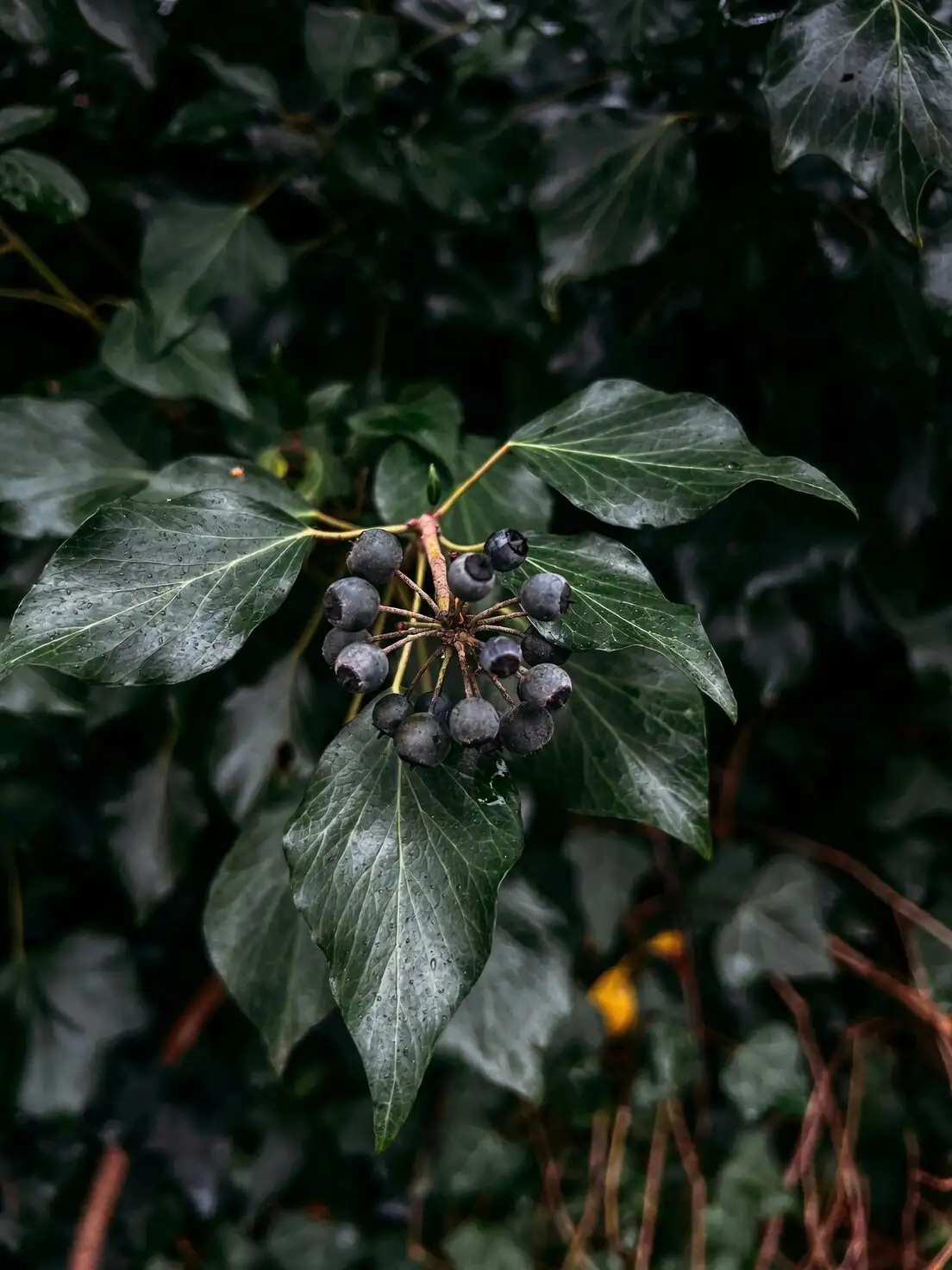
- Problem parts: Leaves, berries, and sap. The foliage is typically the most troublesome if eaten; sap can irritate skin.
- Typical effects: Stomach upset if ingested; contact dermatitis from the sap.
- House rule: Keep out of reach of children and animals. Never treat the berries as edible.
The chemical culprits (plain‑English version)
English ivy contains triterpenoid saponins (notably hederagenin) and related compounds. These can upset the gastrointestinal tract when eaten and can irritate skin where the sap touches.
Symptoms to watch for
Pets (cats, dogs)
- Drooling, vomiting, diarrhea
- Abdominal discomfort, decreased appetite
- Pawing at the mouth after chewing foliage
These signs are often short‑lived, but persistent vomiting or ingestion of larger amounts warrants a vet call.
People
- If eaten: Nausea, vomiting, abdominal pain, diarrhea; mouth/throat irritation after chewing leaves or berries
- Skin: Redness, itching, stinging, or a blistery rash where sap contacted skin
- Eyes: Stinging, tearing, redness if sap splashes
Immediate steps if ingestion or contact occurs
If a pet nibbles the plant
- Remove any plant material from the mouth; offer small sips of water.
- Do not induce vomiting or give home remedies unless a professional instructs you.
- Monitor for drooling, vomiting, diarrhea, or lethargy.
- Call your veterinarian or a poison hotline if symptoms develop, a large amount was eaten, the pet is very small, elderly, or has health issues:
- ASPCA Animal Poison Control: 888‑426‑4435
- Pet Poison Helpline: 855‑764‑7661
If a person eats leaves or berries
- Spit out any plant material and rinse the mouth.
- Sip water. Avoid inducing vomiting.
- Call Poison Control for guidance, especially for children or if symptoms appear: 800‑222‑1222 (U.S.).
- Seek urgent care for severe abdominal pain, repeated vomiting, trouble swallowing, or if a young child consumed berries or multiple leaves.
If sap touches skin
- Wash immediately with soap and cool water; rinse well.
- Apply a cool compress to ease stinging or itch.
- If needed, use over‑the‑counter hydrocortisone or calamine and an oral antihistamine for itch.
- Seek medical advice if the rash is severe, widespread, on the face/genitals, or shows signs of infection.
If sap gets in the eyes
- Flush gently with clean, lukewarm water for 15 minutes.
- Remove contact lenses while flushing.
- Seek medical care if pain, redness, or blurred vision persists.
Safe placement: where ivy can shine without risk
Indoors
- High and out of reach: Use sturdy wall shelves, tall bookcases, or ceiling‑mounted hanging baskets. Keep trailing ends well above curious noses and hands.
- Bright, indirect light: Near an east or north window is ideal. Variegated types like brighter light to hold their color.
- Train, don’t trail: Guide vines onto a small trellis or hoop so they don’t dangle. Periodically trim runners that try to “shake hands” with the floor.
- Pet‑free zones: Consider rooms with doors that stay closed, or areas pets can’t access.
- Physical barriers: Decorative cages, plant cloches, or wall‑mounted planters with fully enclosed backs help. Avoid relying solely on sprays or scents to deter cats.
Outdoors
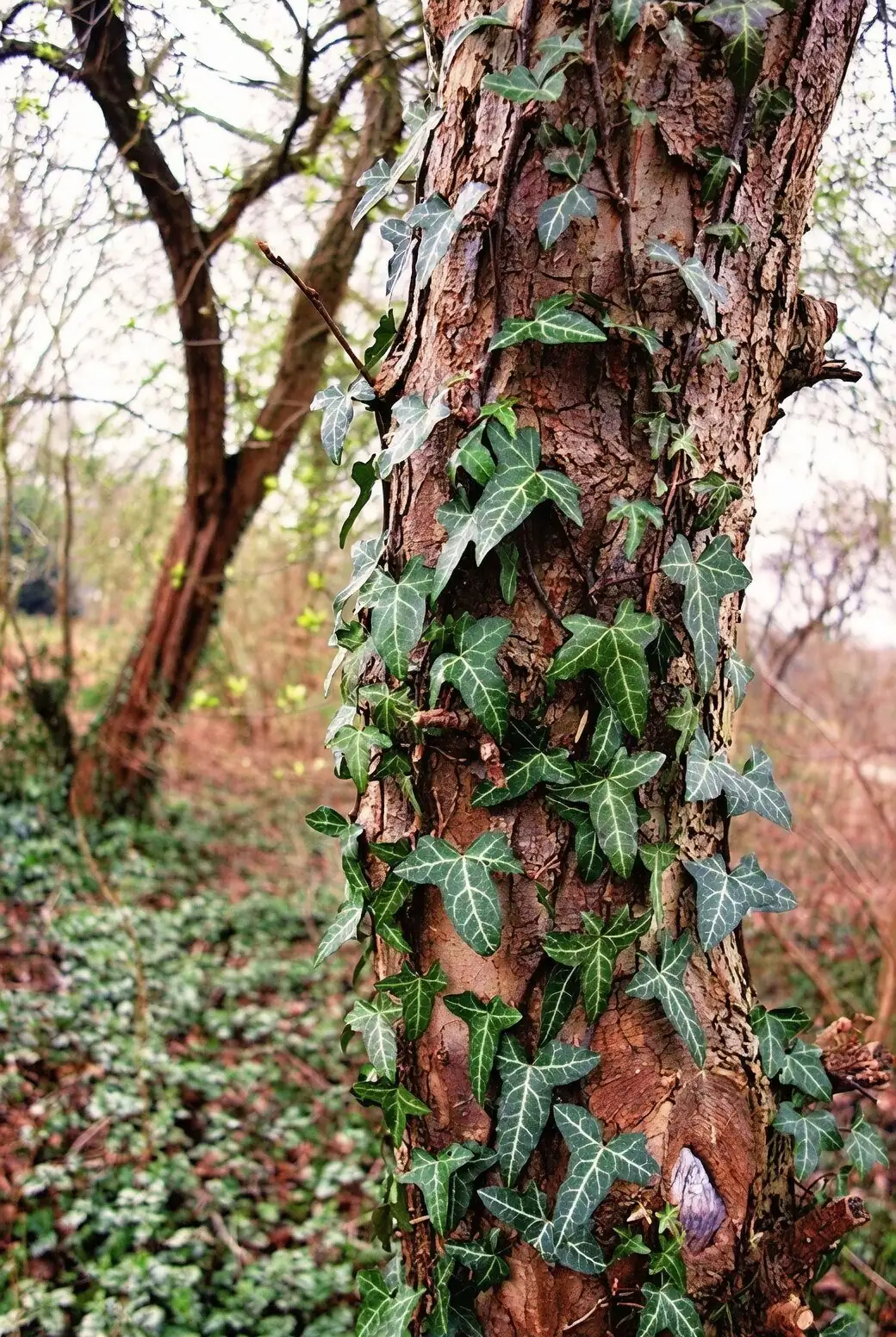
- Choose shaded walls, fences, or contained beds—only where permitted. In many regions, English ivy can be invasive; check local guidance before planting.
- Keep distance from grazing areas and children’s play zones.
- Regularly prune to prevent encroachment and remove low‑hanging stems that invite exploration.
Handling, pruning, and cleanup: no rash decisions
- Suit up: Wear gloves and long sleeves when pruning or repotting.
- Mind the sap: Avoid touching your face; wash hands and tools after handling.
- Clean surfaces: Wipe up sap from floors, railings, and pots to prevent accidental contact.
- Dispose safely: Bag trimmings; do not compost where pets can access them. Avoid burning garden waste.
Common mix‑up: English ivy vs. “poison ivy”
They’re not the same. Poison ivy (Toxicodendron radicans) contains urushiol, a powerful skin irritant. English ivy doesn’t have urushiol, but its sap can still cause contact dermatitis—so treat both with respect and gloves.
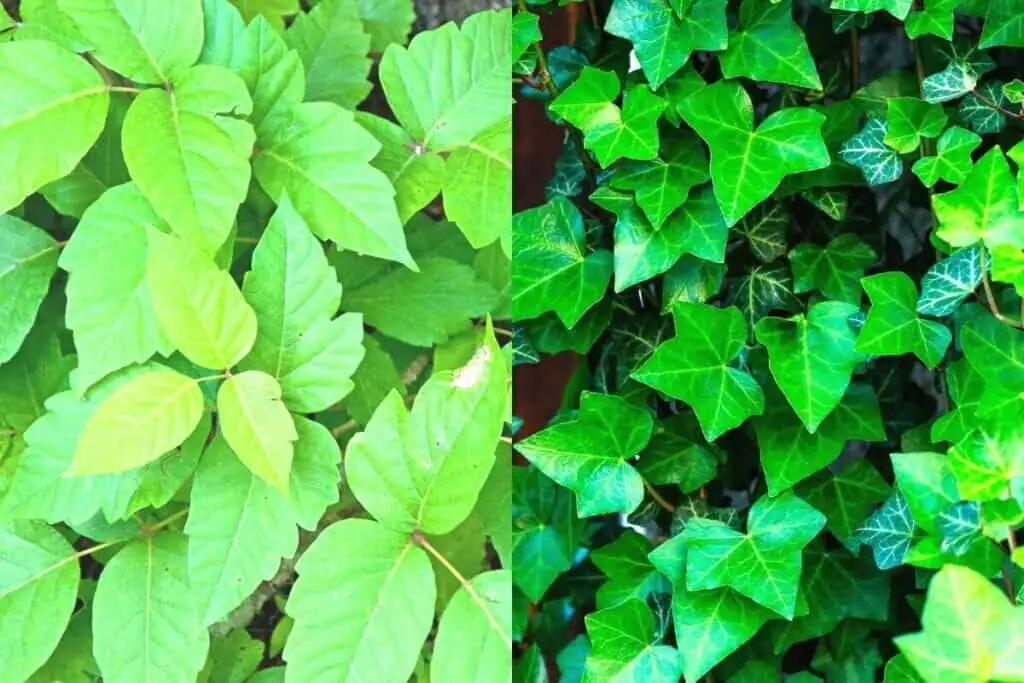
Quick reference: what’s dangerous and what to do
- Dangerous parts: Leaves, berries, sap
- Pets: Drooling, vomiting, diarrhea; call a vet or a poison helpline if symptoms develop or a lot was eaten
- People: GI upset if ingested; rash from sap; rinse, hydrate, and call Poison Control for tailored advice
- Prevention: Elevate plants, prune regularly, use physical barriers, and wear gloves
Why we still love it (and how to love it safely)
English ivy has long symbolized fidelity and enduring love—likely because it clings and stays evergreen through the seasons. In Victorian floriography, gifting ivy hinted at steadfast devotion and connection that “holds fast.” Keep that spirit—and keep the plant—by showing a little devotion to safety: place it high, handle it wisely, and act promptly if there’s a mishap.
Bottom line: English ivy is a beautiful, toxic plant. With smart placement, careful handling, and quick first aid if needed, you can enjoy its classic elegance while keeping people and pets safe.