

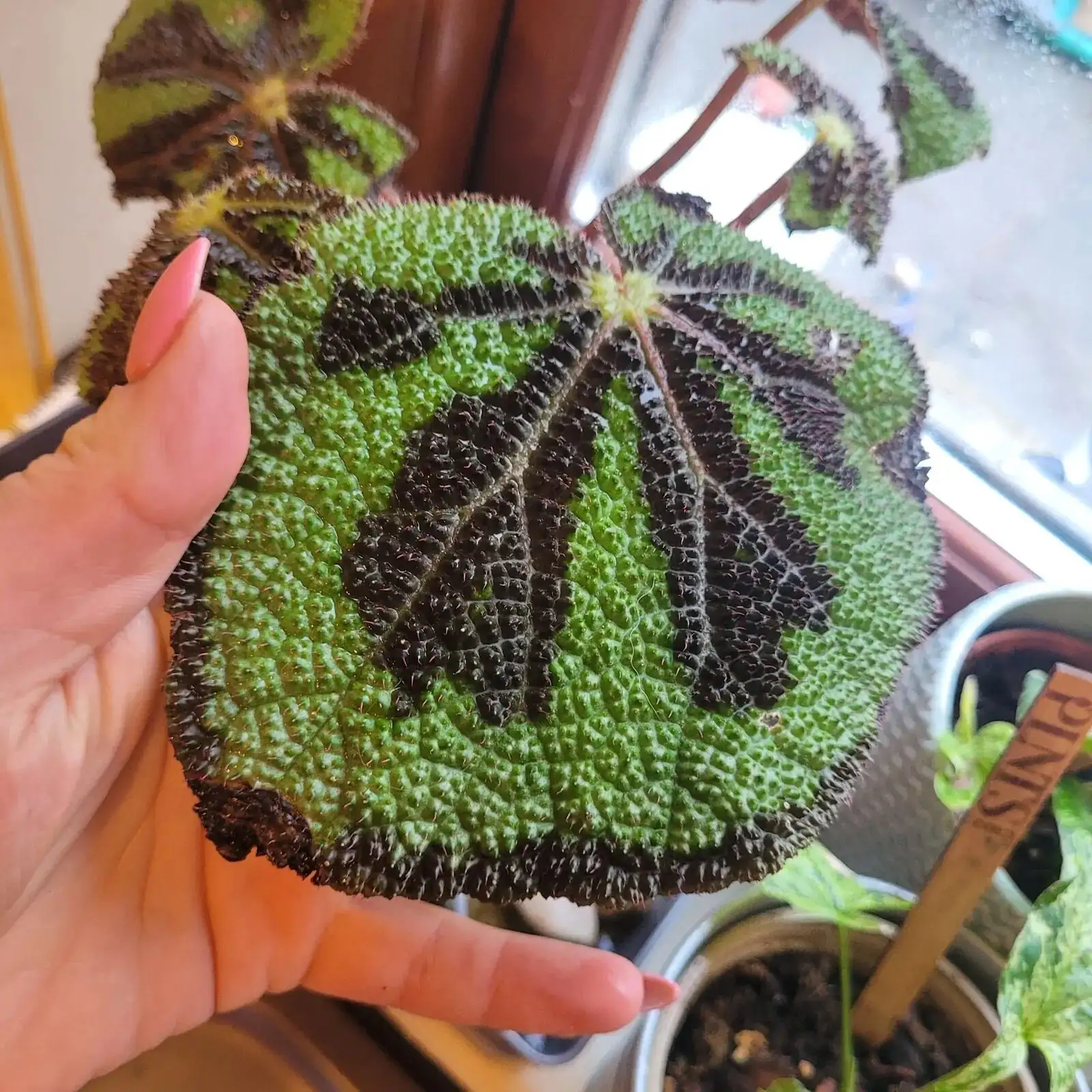
If you’ve ever locked eyes with an Iron Cross begonia, you know the draw: velvet-soft leaves stamped with that unmistakable dark cross, like a tiny medieval banner unfurled on your windowsill. But beneath the charm lies a plant you’ll want to place and handle thoughtfully—especially around pets, curious toddlers, and sensitive skin. Here’s your smart, safety-first guide to living beautifully with Begonia masoniana.
Meet the plant, know the risks
- What it is: Begonia masoniana (Iron Cross begonia), a compact, rhizomatous foliage begonia grown mainly for its dramatic leaves. Indoors, it thrives in bright, indirect light; outdoors only in very warm, shaded, sheltered spots.
- Why safety matters: This begonia is considered toxic if eaten—especially the rhizomes and other underground parts—and may irritate skin in sensitive people.
Toxicity 101: What’s inside and who’s at risk
- The “ouch” factor: Begonias contain calcium oxalates—needle-like crystals that are very irritating if chewed or swallowed.
- Most toxic parts: Underground parts (rhizomes, roots, tubers) pack the biggest punch.
- Pets and grazing animals:
- Dogs and cats: Typically show drooling, vomiting, and difficulty swallowing if they chew the plant. The underground parts are the highest risk.
- Horses and other grazing animals: The species is listed as toxic; large ingestions of underground parts can be dangerous.
- People: Not commonly a severe hazard for adults, but any ingestion can be unpleasant. Small children may take a curious bite; the intense mouth/throat irritation usually stops them from eating more.
What to do if ingestion is suspected
- For pets: Call your veterinarian or the ASPCA Animal Poison Control Center (US) at 888-426-4435. Another option is the Pet Poison Helpline at 855-764-7661.
- For people: Contact your local poison control center or a medical professional. Do not induce vomiting unless instructed.
- Immediate first steps for either: Gently rinse the mouth, offer small sips of water or milk, and remove any remaining plant material from the mouth.
Can Begonia masoniana irritate skin?
- Yes, in some people: Sensitive individuals may experience redness or itching where sap contacts skin.
- Simple prevention:
- Wear gloves and long sleeves for pruning, division, and repotting.
- Wash hands and forearms after handling.
- Avoid rubbing eyes while working with the plant.
- If irritation occurs: Rinse skin with cool water and mild soap. Seek medical advice if symptoms persist.
Smart placement away from pets and kids
Think of placement as your first line of defense—make it easy to admire and hard to nibble.
Indoors
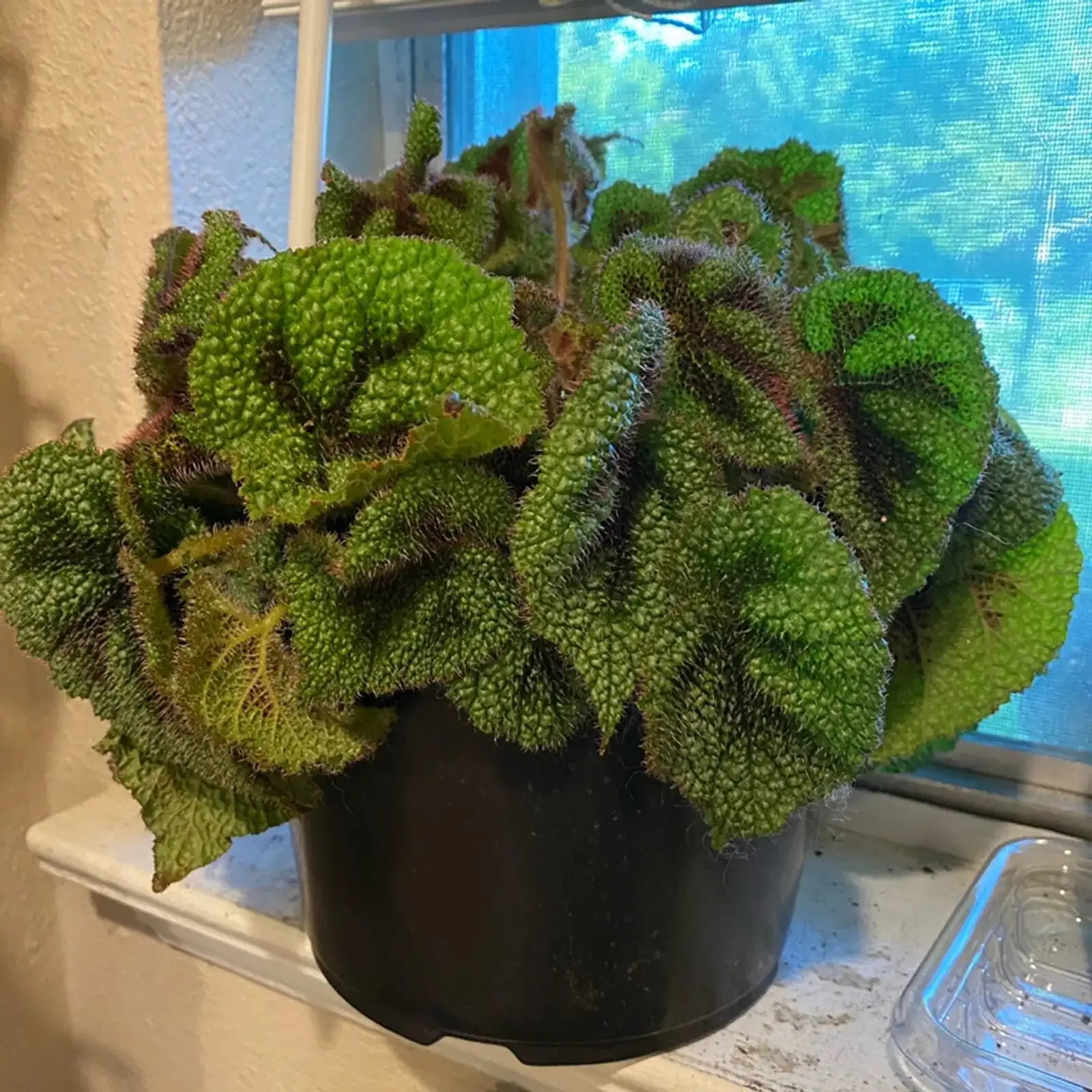
- Best spots:
- Bright, indirect light on a high shelf or plant wall.
- Behind a sheer-curtained window (east or north exposure works well).
- In a closed office, studio, or sunroom where pets/kids don’t roam.
- Pet- and kid-proofing hacks:
- Use tall plant stands, bookcases, or hanging planters (with secure anchors).
- Cluster “no-chew” deterrents nearby (safe, mildly aromatic herbs like rosemary or lavender) if your pets are persistent nibblers.
- Establish “look, don’t touch” zones; consider baby gates or door latches for rooms with plants.
- Avoid:
- Floor-level placements, low benches, and windowsills at toddler height.
- Crowded play areas or feeding stations for pets.
Outdoors (warm climates only)
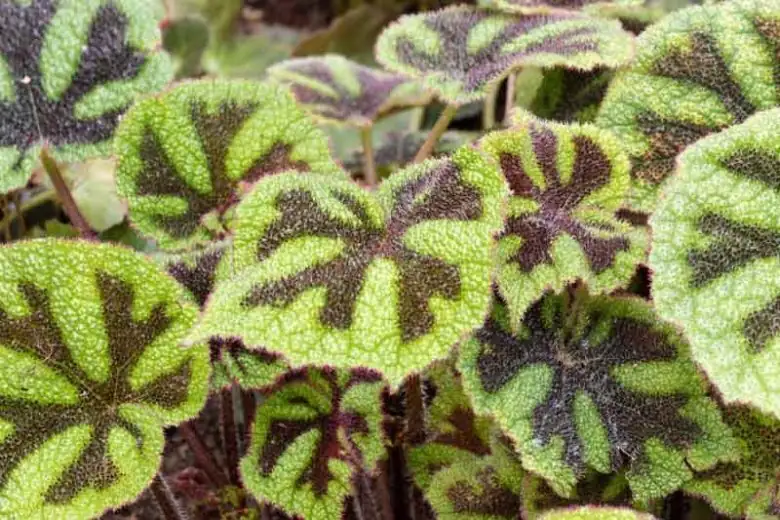
- Where it fits: Shaded, sheltered beds under trees in climates roughly comparable to USDA Zones 10–12.
- Safety-minded siting:
- Keep away from dog runs, children’s play spaces, and foraging areas for backyard poultry or grazing animals.
- Edge beds with low fencing if pets are diggers—remember the underground rhizomes are the most toxic parts.
- Cold caution: This plant is frost-tender; keep it above 10°C (50°F). In chilly seasons, bring containers indoors.
Safe handling during pruning, division, and repotting
The leaves bruise easily, the rhizomes are the most toxic part, and fresh cuts are vulnerable to rot—so a clean, careful workflow protects you and the plant.
Before you start
- Gear up:
- Nitrile or latex gloves; long sleeves if you’re prone to rashes.
- Clean, sharp shears or a knife; disinfect with 70% isopropyl alcohol before and between cuts.
- A stable work surface with good ventilation and easy cleanup.
- Timing: Spring is ideal for repotting and division; thinning older leaves is best in summer.
Pruning (thinning older leaves)
- How-to:
- Remove older or crowded leaves at the base to improve airflow.
- Handle dry foliage (wet leaves tear easily and spread spores).
- Safety notes:
- Avoid splashing sap; keep your face away from the cut.
- Bag trimmings promptly so pets can’t access them.
Division (rhizome sections)
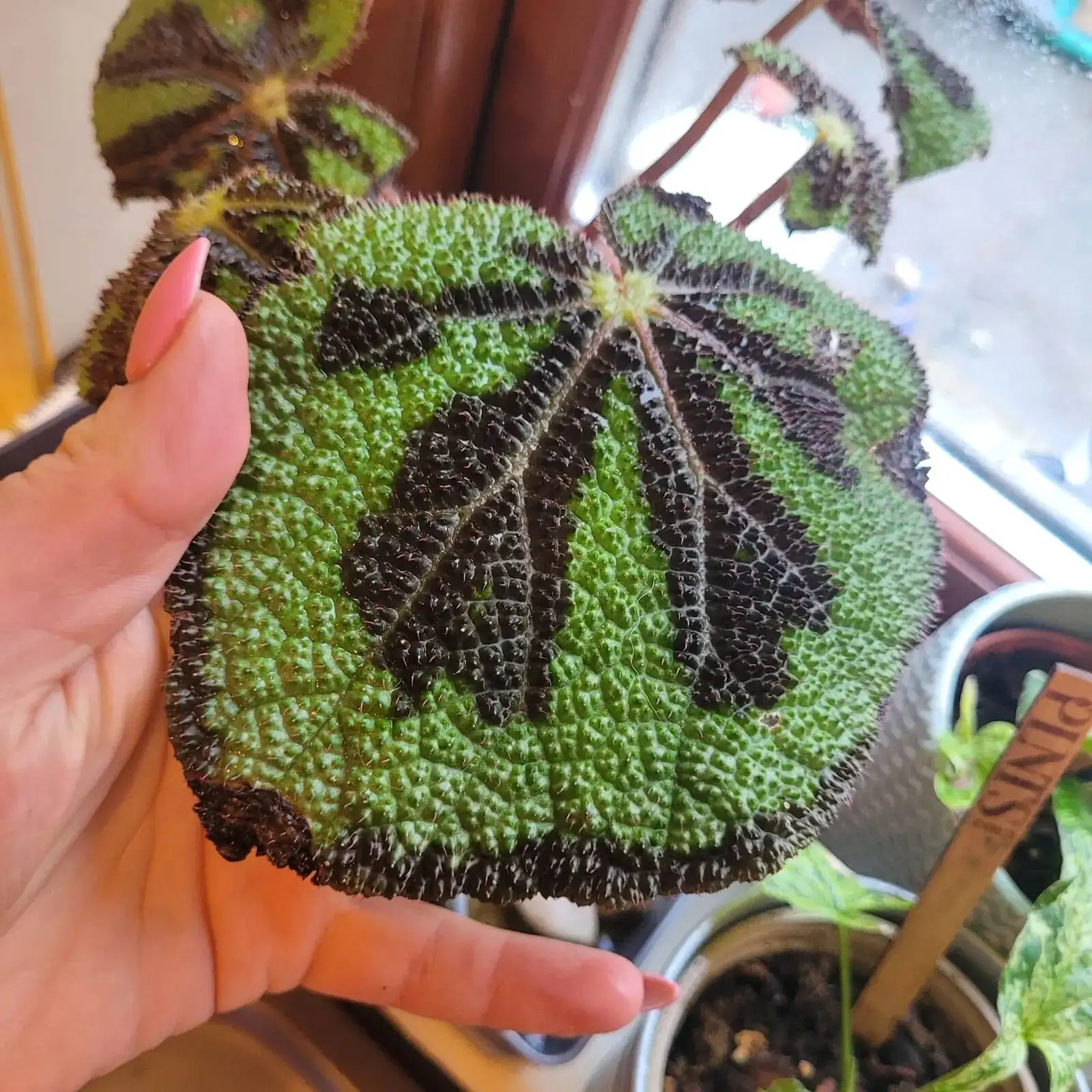
- How-to (safety-first details):
- Lift the plant gently; brush off excess mix.
- With a disinfected blade, cut the rhizome into ~10 cm (4 in) sections, each with a growing tip and a few leaves.
- Let cut surfaces air-dry briefly to callus, lowering rot risk.
- Replant 2–3 pieces per pot in a loose, fast-draining mix; water lightly and keep in partial shade until established.
- Safety notes:
- Wear gloves consistently—this is when you’ll handle the most toxic parts.
- Keep pets/kids out of the room until cleanup is complete.
Repotting
- How-to, condensed:
- Repot yearly in spring into a 12–15 cm (4.7–5.9 in) pot, using an airy mix (potting compost + peat or coco + coarse sand/perlite).
- Remove some old leaves, and replant offsets with 2–3 strong roots.
- Safety notes:
- Minimize root disturbance to prevent shedding of rhizome fragments.
- Wipe down the potting area afterward; vacuum stray debris so animals don’t find it later.
Aftercare and cleanup
- Wipe tools with alcohol, then wash in warm soapy water; dry to prevent rust.
- Double-bag plant waste and place it in a sealed trash bin—don’t compost if animals may access your pile.
- Wash hands and forearms thoroughly; launder gloves and sleeves if sap contacted fabric.
- Plant health tip: Avoid repeatedly soaking leaves; keep good airflow to reduce gray mold and leaf spot.
Teaching the household the “look, don’t lick” rule
- For kids:
- Make it a game: “We use eyes to enjoy, not teeth to explore.”
- Keep a picture chart of “no-touch plants.”
- For pets:
- Offer safe greens (cat grass) for nibbling alternatives.
- Use barriers where needed and reward “leave it” training.
Safety FAQs
- Is Iron Cross begonia deadly if eaten?
- Serious outcomes are uncommon in household scenarios because the intense mouth irritation usually limits how much is swallowed. But toxicity is real—especially in underground parts—so treat it seriously and call a professional if ingestion occurs.
- Can I handle it without gloves?
- If you’re not prone to skin irritation, quick tasks are usually fine, but gloves are recommended for any pruning, repotting, or division.
- Will misting make handling safer?
- Not really. In fact, this plant prefers humidity in the air (around 60–70%) rather than direct leaf wetting. Handle foliage dry to reduce tearing and the spread of disease.
A quick style-and-safety care tie-in
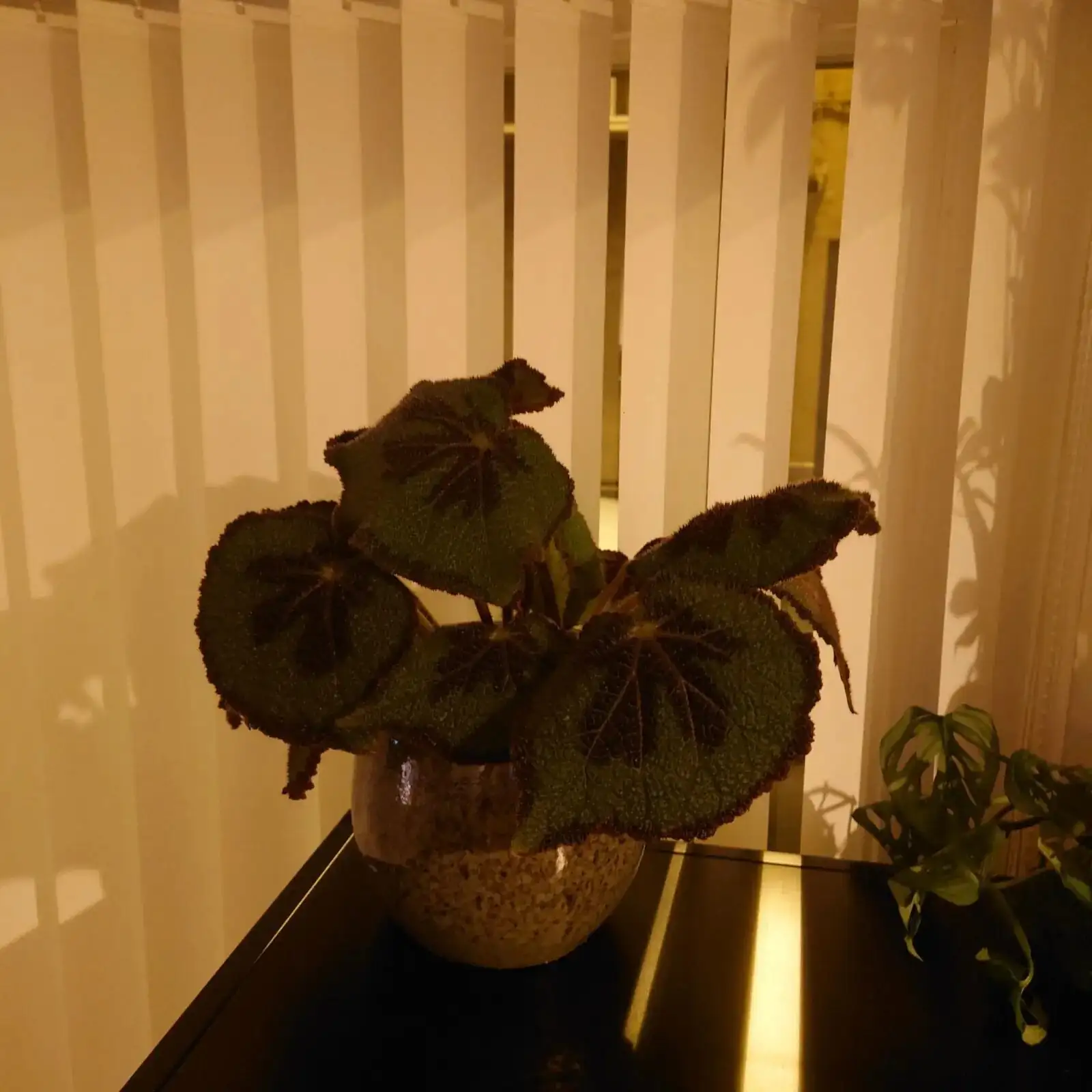
- Light: Bright, indirect light keeps the leaf “iron cross” crisp; avoid harsh direct sun.
- Temperature: Aim for 14–22°C (57–72°F). Protect from drafts and keep above 10°C (50°F).
- Humidity: Higher humidity (about 60–70%) supports fresh growth—use a humidifier or pebble tray rather than misting leaves.
Symbolism and flower language, briefly
Iron Cross begonias aren’t steeped in a formal “flower language,” but many plant lovers associate them with bold beauty, resilience, and quiet flair—the leaf’s dark cross reads like a badge of character. Any deeper “花语” you encounter online is modern, fan-made lore rather than historical canon, so enjoy it as a creative interpretation, not a traditional rulebook.
Safety checklist to pin on your potting bench
- Place high, behind a curtain of bright, indirect light, away from pets and kids.
- Wear gloves and long sleeves for pruning, division, or repotting.
- Disinfect tools; let rhizome cuts dry briefly before replanting.
- Clean surfaces and double-bag trimmings.
- Keep emergency numbers handy:
- ASPCA Animal Poison Control Center (US): 888-426-4435
- Pet Poison Helpline (US): 855-764-7661
- When in doubt after exposure or ingestion, call a professional.
Handled with a little forethought, Begonia masoniana delivers dramatic texture and color—no drama required.