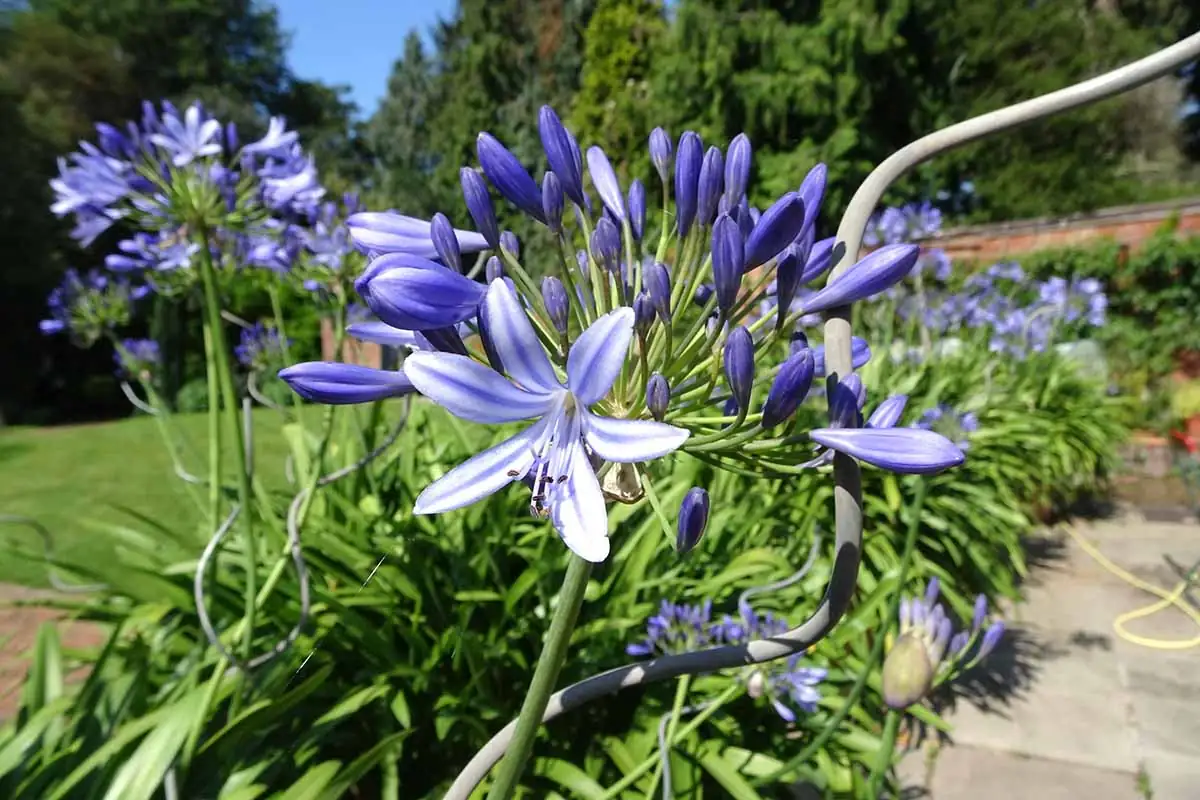
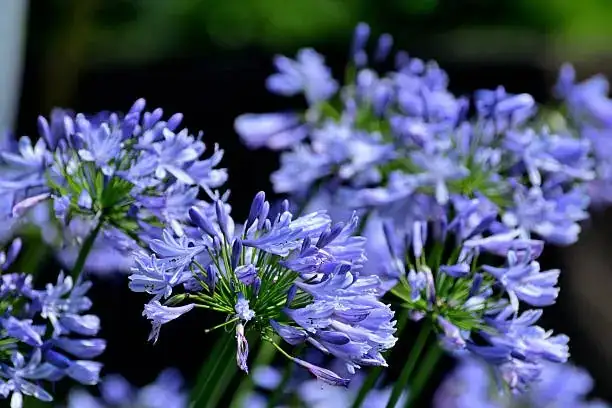
Meet Agapanthus africanus—better known as Lily of the Nile, though it’s proudly South African and not from the Nile at all. Think of it as summer’s own firework-on-a-stick: glossy, strap-like leaves at the base, and tall stalks topped with globe-shaped umbels bursting with dozens of trumpet blooms in blue, purple, or white. It’s tough, tidy, drought-tolerant once established, and a star in borders and containers alike.
Snackable wow-facts to fall for
- Firework factor: Each rounded flower head can pack about 20–100 mini trumpets. That’s a whole brass band on one stem.
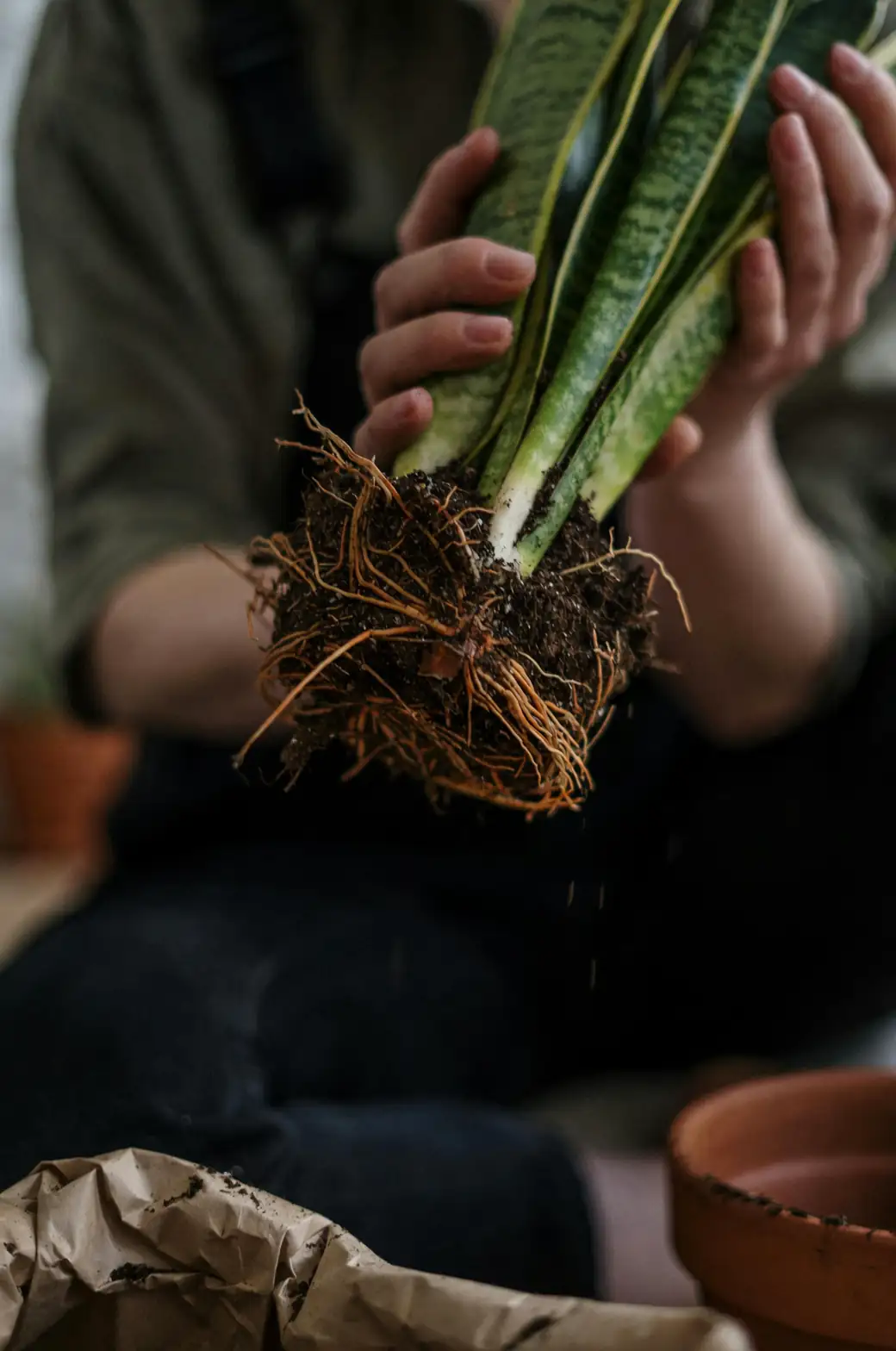
- Root snug = bloom hug: It often flowers best when somewhat root-bound—perfect for containers.
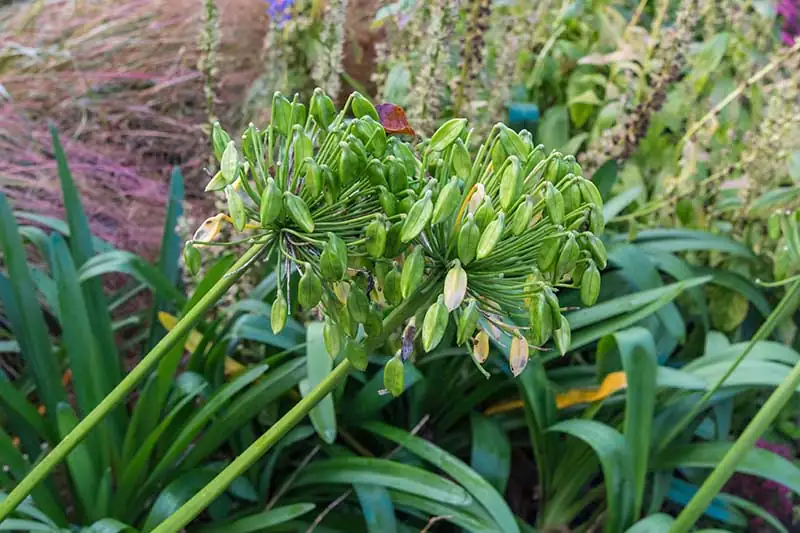
- Wind-sailing seeds: After the show, pods dry into papery packages of flat, winged seeds that catch the breeze.
- Critter-proof charm: Deer and rabbits typically pass it by, so your parade of trumpets stays intact.
- Water-wise winner: Once established and well-drained, it handles dry spells with surprising poise.
Meet the plant (quick profile)
- Botanical name: Agapanthus africanus (family Agapanthaceae)
- Common names: Lily of the Nile, African Lily, Love Flower
- Origin: Native to South Africa
- Habit and size: Upright clumps from fleshy rhizomes; foliage clumps about 60–90 cm (2–3 ft) tall and ~60 cm (2 ft) wide; flower stalks commonly 90–120 cm (3–4 ft)
- Foliage: Arching, glossy, strap-like leaves, 30–60 cm (12–24 in) long
- Flowers: Umbels of tubular-to-trumpet-shaped blooms held above the leaves; blues, purples, and whites
- Season: Mainly June–August; in frost-free climates some forms stretch from late spring into fall
Why it blooms better when root‑bound
- Tighter quarters = floral focus: In a slightly snug pot, plants tend to shift energy from leaf-making to flower production. Oversized pots often encourage leafy growth at the expense of blooms.
- Warmth boost: A well-filled root ball warms more quickly in spring, helping trigger flower bud initiation.
- Storage and signal: Dense clumps hold carbohydrate reserves and mild “stress” signals that nudge the plant to reproduce—cue the bloom fireworks.
Tip: Aim for “snug but not strangled.” Severely pot-bound, declining plants won’t perform—repot before roots circle into a hard mass.
Umbel math: how the globe holds ~100 trumpets
- Architecture: Each flowering stem branches at the top into a spherical umbel. From a single hub, dozens of short stalks radiate out, each bearing a tubular bloom—your perfect floral roundabout.
- Range: A modest head may have a few dozen blooms; well-grown plants can push close to 100, creating that photogenic globe.
Sail away: the wind-ready seeds
- After blooming, the seed heads dry into rattly, papery pods.
- Inside, the seeds are flat and winged—nature’s tiny hang-gliders—so they disperse on breezes. Leave a few heads to mature if you want to collect seed; otherwise, snip spent stems to tidy the plant.
Light, soil, and water cheat-sheet
- Sun: Full sun is best for flowering (about 6–8 hours). In very hot regions, light afternoon shade helps.
- Soil: Fertile, moisture-retentive but free-draining soil is ideal (sandy loam is excellent). Slightly acidic suits it well, roughly pH 5.5–6.5. Avoid waterlogging at all costs.
- Water:
- Establishment: About 2.5 cm (1 in) per week, evenly moist—not soggy.
- Established: Often happy with ~1.3 cm (1/2 in) per week, depending on heat and soil. Let the top layer dry between waterings.
- Winter: Go much drier until spring growth kicks in.
Feeding for flower power
- Spring: Apply a balanced fertilizer (e.g., 10‑10‑10).
- Mid-season: Follow with a phosphorus-leaning mix (e.g., 5‑10‑10) for stronger bloom.
- Organic options: Compost, bone meal, well-rotted manure work well.
- Caution: Avoid heavy nitrogen—lush leaves, fewer blooms. Stop fertilizing after August. In containers, light feeding every 4–6 weeks in the growing season.
Potting, repotting, and division
- Containers: Use pots with excellent drainage and a fast-draining mix (potting soil amended with grit/sand). Don’t overpot—aim for a close fit.
- Repot rhythm: About every 2 years if tightly packed. Keep it slightly root-bound for best bloom.
- Division: Every 4–6 years in-ground (4–5 in pots). Timing:
- Early spring for deciduous forms
- Autumn after flowering for many evergreen types
Use a clean, sharp knife; each division should have roots and growth points. Seed is an option, but seedlings often need 3–5 years to flower.
Pruning and grooming
- Deadhead: Cut the spent flower stalk at the base to keep things tidy and sometimes encourage more bloom.
- Leaf care: Remove dead/damaged leaves anytime. For deciduous forms, let leaves yellow naturally post-flower; they recharge the rhizomes.
Toughness and cold notes
- Hardiness: Generally USDA Zones 7–11. Some cultivars can manage Zone 6 with protection.
- Temperature: Thrives in mild-to-warm conditions around 20–25°C (68–77°F). Evergreen types are more cold-sensitive than deciduous ones.
- Winter savvy: Keep much drier. Mulch in-ground clumps in colder areas. Overwinter containers indoors or in a bright, frost-free spot.
Pests, diseases, and what to watch
- Usually unbothered. If needed, hose off or treat aphids, mealybugs, or spider mites with horticultural soap or neem oil.
- Biggest risk: Rhizome/root rot from soggy soil—yellowing, wilting leaves and discolored roots are red flags. Great drainage and breathing room (good spacing and airflow) are key.
Wildlife and cut-flower perks
- Browsers beware: Relatively resistant to deer and rabbits—great for critter-heavy gardens.
- Vase value: Stems are sturdy and long-lasting in arrangements; dried seed heads add sculptural drama.
Flower language and deeper meaning
Agapanthus takes its name from Greek roots: agape (love) + anthos (flower). Over time, gardeners linked its steadfast clumps and long summer show with devotion and lasting affection. Color traditions refine the message: blue often signals loyalty and fidelity, while white leans into purity and sincerity. It’s an ornamental language born from name, look, and garden habit—less folklore decree, more the way generations of gardeners have read its character.
Short seasonal game plan
- Spring: Plant or divide; resume regular watering; start feeding.
- Summer: Peak bloom—keep moisture steady, deadhead, and give a mid-season feed if needed.
- Fall: Taper water and fertilizer; divide evergreen types after flowering where appropriate.
- Winter: Keep dry; mulch in-ground plants in colder zones; shelter containers from hard frost.
Safety first
All parts are toxic if eaten (for people and pets), and the sap may irritate skin. Wear gloves when dividing or cutting, and keep plants away from curious children, cats, and dogs.
Quick FAQs
- Why isn’t my Lily of the Nile blooming?
- Most often: not enough sun, too much nitrogen, youth (seed-grown plants take years), recent division shock, or a pot that’s too large. They bloom best slightly root-bound.
- Should I deadhead agapanthus?
- Yes, if you want a neater look and potential repeat flowering. Leave a few heads if you plan to collect seed.
- Can I grow it in a pot?
- Absolutely. Use a bright spot, fast-draining mix, and a container with drainage holes. Protect from hard freezes in winter.
- Is it really from the Nile?
- Nope—despite the nickname, it’s native to South Africa. That’s part of its dry-spell savvy once it’s established.
Bonus tidbit: Agapanthus has had a bit of a taxonomic wander through plant families over the centuries, but today it’s most often treated in its own family, Agapanthaceae. In gardens, many plants are hybrids—no wonder there’s such a spectrum of globe sizes and shades.