

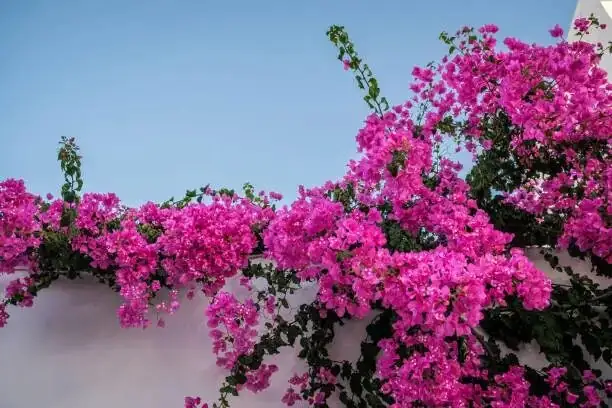
Bougainvillea glabra (and its showy garden hybrids like Bougainvillea × buttiana) looks like a plant that “must” want a big, lush pot of rich soil. Surprise: that’s the fastest way to smother the color. If you crave those paper-bright cascades of magenta, coral, orange, red, or white bracts for months on end, think sunny, gritty, snug, and steady—more espresso shot than soup bowl.
Here’s your myth-busting guide to pot sizing, gentle root restriction, the safest way to step up containers, the right kind of ultra-fast-draining mix, and exactly when to top-dress instead of repotting to keep blooms rolling.
Pot Size Myths—Busted
- Myth: A bigger pot means more flowers.
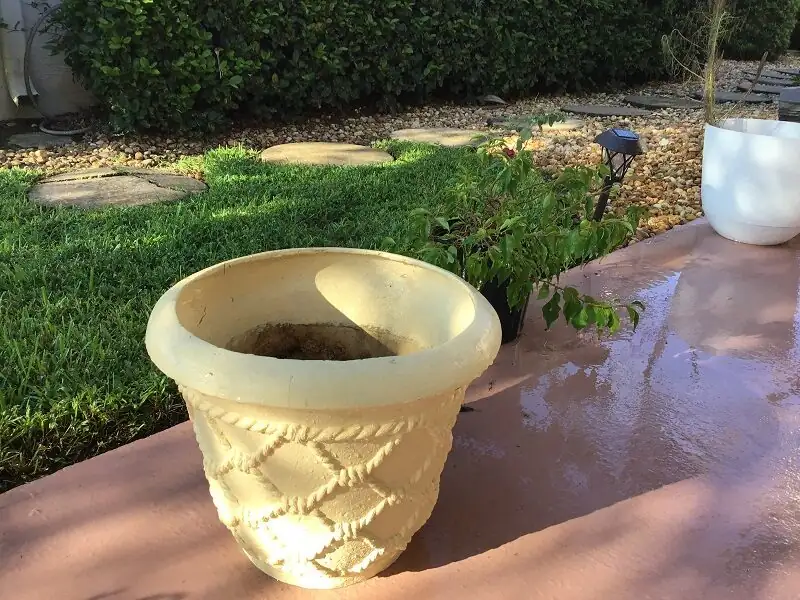
- Truth: Bougainvillea often flowers best when slightly root-restricted. An oversized pot stays wet longer, pushing leafy growth at the expense of bracts—and risking root rot. Choose a pot that’s just big enough for the root ball with a little elbow room.
- Myth: Repot every spring to keep it happy.
- Truth: Mature bougainvillea frequently bloom better when left in the same pot and top-dressed each spring. Young plants can be repotted about every 2 years, stepping up gradually. Oversizing is the floral “off” switch.
- Myth: Keep the soil evenly moist for continuous bloom.
- Truth: Deep water, then let the mix head toward “nearly dry.” A brief, controlled dry-down can nudge bud formation. Constant wetness = bract drop and rot; bone-dry for long stretches = stress and setback.
The Bloom Trigger: Mild Root Restriction
- What it does: A mildly snug root system channels energy from endless leaf-making into repeat bloom cycles. Think “athletic tension,” not “tourniquet.”
- The sweet spot: A firm root ball with vigorous tip growth and regular flushes of bracts, but not so tight that water races through in seconds and the plant wilts hours later.
The Safest Step-Up Strategy (Without Stalling Bloom)
- When to upsize:
- You’re watering every day in warm weather and it still wilts fast.
- Roots circle tightly or poke vigorously from drainage holes.
- The plant is stable but clearly outgrowing the pot’s balance.
- How much to upsize:
- Move just one size up—about 2–5 cm (1–2 in) wider in diameter. Resist jumping to a giant tub.
- Common progression: a well-rooted start in ~15–18 cm (6–7 in) can move to ~20–25 cm (8–10 in) when truly ready.
- When to do it:
- Spring, once nights warm and days are bright. Avoid repotting during a peak bloom show if you can.
- Handle with care:
- Bougainvillea roots are fine and can be brittle—keep the root ball largely intact.
- If you must refresh without upsizing, you can carefully shave a thin slice from the outer root mat and bottom, then re-pot in the same container with fresh gritty mix. This is an advanced, bonsai-like refresh—be gentle.
Gritty Mixes for Fast Drainage (Bloom Fuel, Not Leaf Soup)
Bougainvillea adores air at the roots. Aim for a mix that drains fast, breathes well, and won’t stay soggy.
- Build a “sharply draining” base:
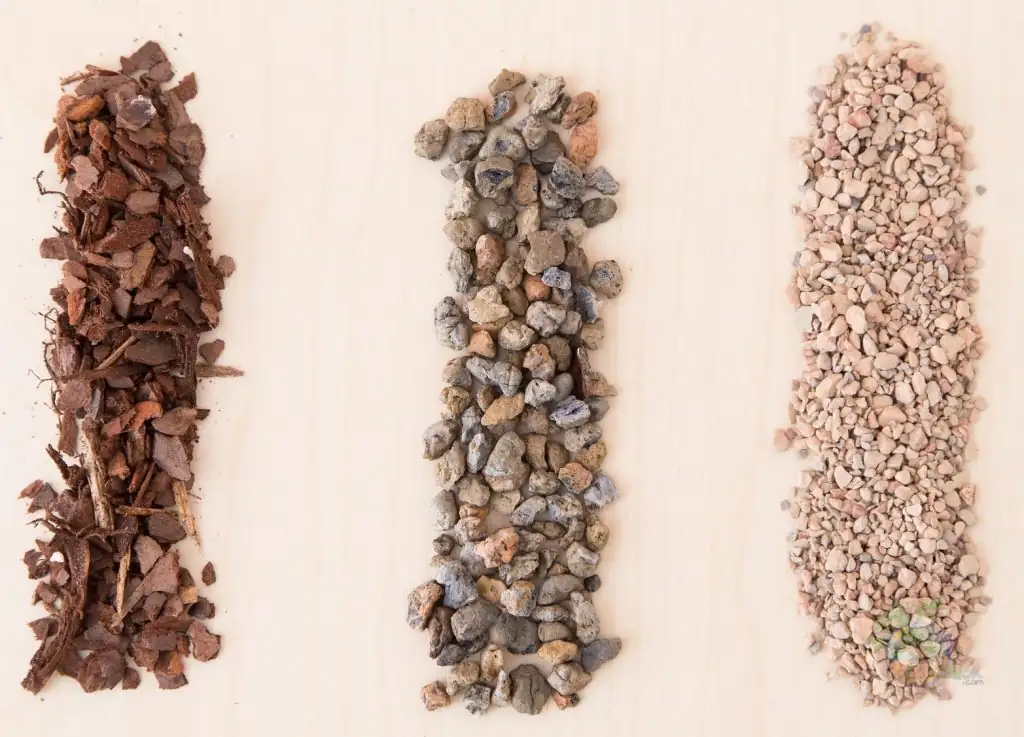
- 40–50% fine-particle pine bark (orchid bark fines or composted bark)
- 25–35% mineral grit (pumice, perlite, or small lava rock, 3–6 mm)
- 15–25% coarse, washed sand or granite grit
- Optional 5–10% high-quality compost for nutrients (keep it light)
- Pot choice and setup:
- Pots must have large, unobstructed drainage holes. Terracotta helps wick moisture, but any pot with strong drainage works.
- Use pot feet or a stand so water exits freely.
- What to avoid:
- Heavy, peaty, or moisture-retentive mixes that cling to water.
- Water-holding gels or additives that keep roots damp.
Watering in a Gritty Mix
- Spring–early autumn: Water deeply until it drains; wait until the top layer dries and the mix is trending toward “nearly dry” before repeating.
- Autumn tweak: A slight watering reduction can encourage flowering.
- Winter: Keep brighter and significantly drier, watering only after more thorough dry-downs.
Top-Dress vs Repot: How to Keep Blooms Rolling
- Top-dress when:
- The plant is mature, blooming well, and the pot is already a sensible size.
- You see surface salt crusting, tired mix, or want to refresh nutrients without disturbing roots.
- How to top-dress (spring is ideal):
- Remove the top 3–5 cm (1–2 in) of old mix without gouging roots.
- Replace with fresh gritty mix and incorporate a modest, bloom-leaning fertilizer.
- Water deeply, then resume your deep-and-dry rhythm.
- Repot when:
- The plant is chronically top-heavy, roots jam the drainage, or it wilts despite frequent deep watering.
- Move up one size only, keep roots intact, and don’t drown it afterward.
Light, Feeding, and Training: The Bloom Multiplier
- Sunlight: Full sun is non-negotiable—aim for 4–6+ hours daily, with 6+ hours ideal. Indoors, use the brightest south- or west-facing window/sunroom. Outdoors, a sunny patio, balcony, or warm wall is perfect.
- Feeding plan:
- During the growing season, feed regularly but don’t drown it in nitrogen.
- Good approach: Either feed every 2 weeks with a balanced liquid and switch every third feed to a higher-potassium bloom formula, or feed monthly with a balanced-to-blooming fertilizer that leans higher in potassium. A one-time monopotassium phosphate boost during peak blooming can intensify color.
- Too much nitrogen = leaves over bracts.
- Training:
- It’s a woody, scrambling climber—give it a trellis, hoop, canes, or wires.
- Pinch or trim overly long soft shoots to encourage branching; shape after flowering for a tidy form.
Seasonal Playbook
- Spring
- Top-dress mature plants or repot young ones if truly needed.
- Tie in new shoots; start regular feeding.
- Keep night temps safely above 7–10°C (45–50°F), with best flowering above about 15°C (59°F).
- Summer
- Maximum sun, deep water with drying intervals.
- Light pruning to shape; keep airflow strong to deter pests.
- Autumn
- Slightly reduce watering to nudge another flush of bracts.
- Prune side shoots after flowering if shape needs tightening.
- Winter
- Not frost-hardy. Best outdoors year-round in USDA Zones 10–11; some plants manage warm Zone 9 microclimates with protection.
- Keep very bright, warmer is better; water sparingly.
Quick Troubleshooting (Pot and Root Edition)
- Big pot blues: Plenty of leaves, few bracts.
- Fix: Stop upsizing. Let roots fill the pot, increase direct sun, allow deeper dry-downs, and shift feed toward higher potassium.
- Wilts fast despite frequent watering:
- If in a tiny pot: It may be genuinely root-dense—consider a one-size step-up.
- If in a huge pot: Roots may be sulking in a wet midden. Reduce watering frequency, check drainage, and wait for roots to colonize before any further upsizing.
- Bract drop after repot:
- Common—bougainvillea hates root disturbance. Keep it bright, warm, and slightly drier until it re-sets; avoid heavy pruning at the same time.
Safety and Health
- Thorns and sap: The sap can irritate skin/eyes and ingestion may cause stomach upset. Wear gloves when pruning or training; keep away from pets and children.
- Pests and diseases: Watch for scale, mealybugs, aphids on fresh tips, and spider mites in hot, dry air. Improve airflow, maintain your gritty mix and watering rhythm, and treat with horticultural oil or insecticidal soap as needed. Chronic wetness invites root rot—sharpen that drainage.
A Note on What You’re Seeing: Bracts, Not Petals
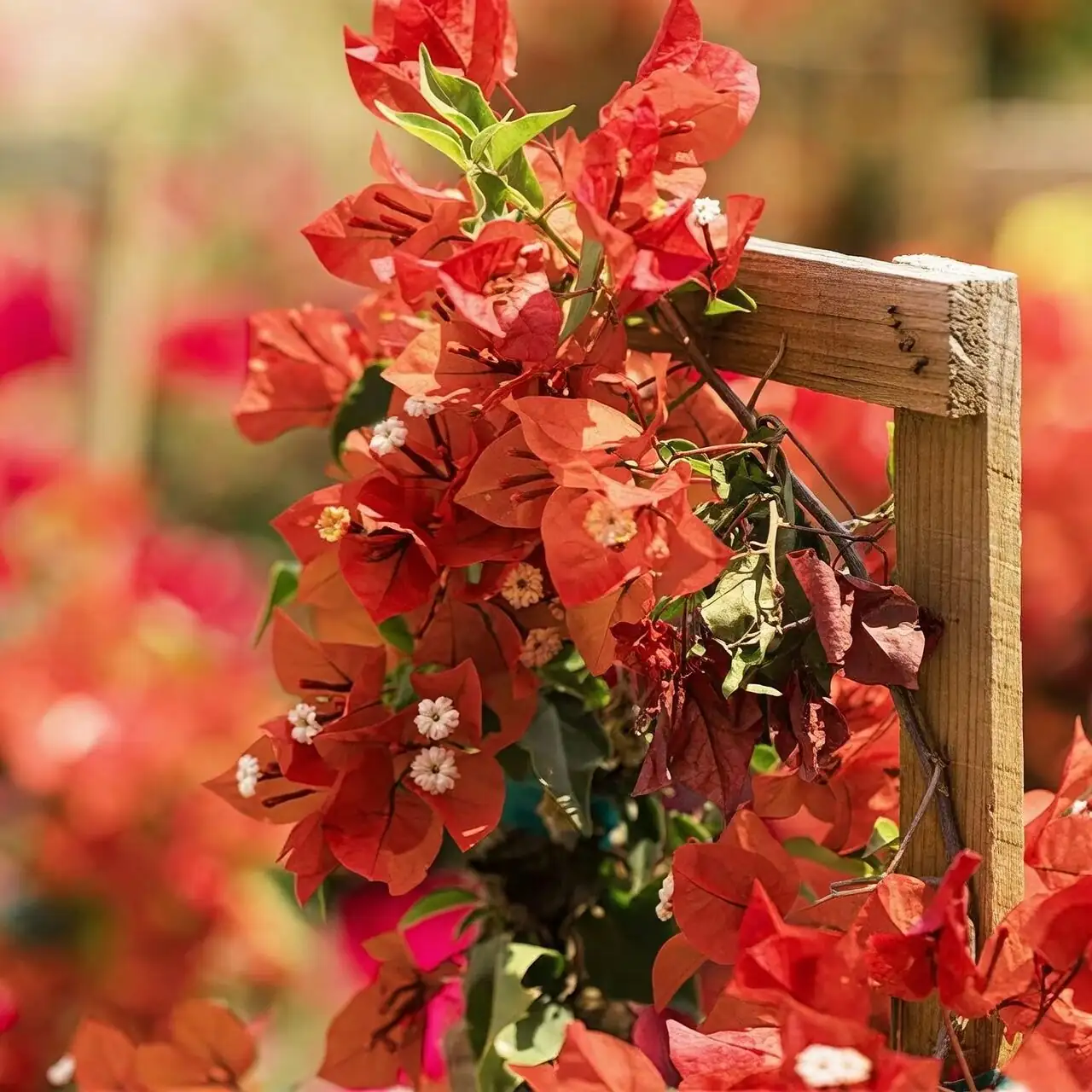
Those flamboyant “petals” are papery bracts that surround clusters of tiny, creamy flowers. More sun and the right feed equals more bracts, more often—your own confetti machine.
Symbolism and “Flower Language”
Bougainvillea is widely embraced as a symbol of warm welcome, celebration, and bold hospitality—like hanging a vibrant banner for your guests. Classic Victorian “flower language” didn’t standardize meanings for tropical vines like bougainvillea; most modern associations come from its festive display across warm-climate streets, balconies, and sunny walls. In short: it says “come on in—life is bright here.”
—
Give bougainvillea sun, grit, and a Goldilocks pot—just snug enough—and it will repay you with waterfall color from spring through autumn, and in very bright, frost-free conditions, in repeated cycles much of the year. Think less “luxury suite,” more “athlete’s loft,” and watch the bracts pour on.