


Think of repotting your Ficus benjamina (Weeping Fig) as tailoring a suit: the fit matters, the fabric needs to breathe, and the process goes best when you’re calm and methodical. Here’s how to know when to move a plant from a tidy 15–20 cm pot to a roomier 30 cm home, how to blend a perfectly free‑draining mix with perlite or coarse sand, and a step‑by‑step routine that keeps leaves on and stress low.
Meet the plant you’re potting up
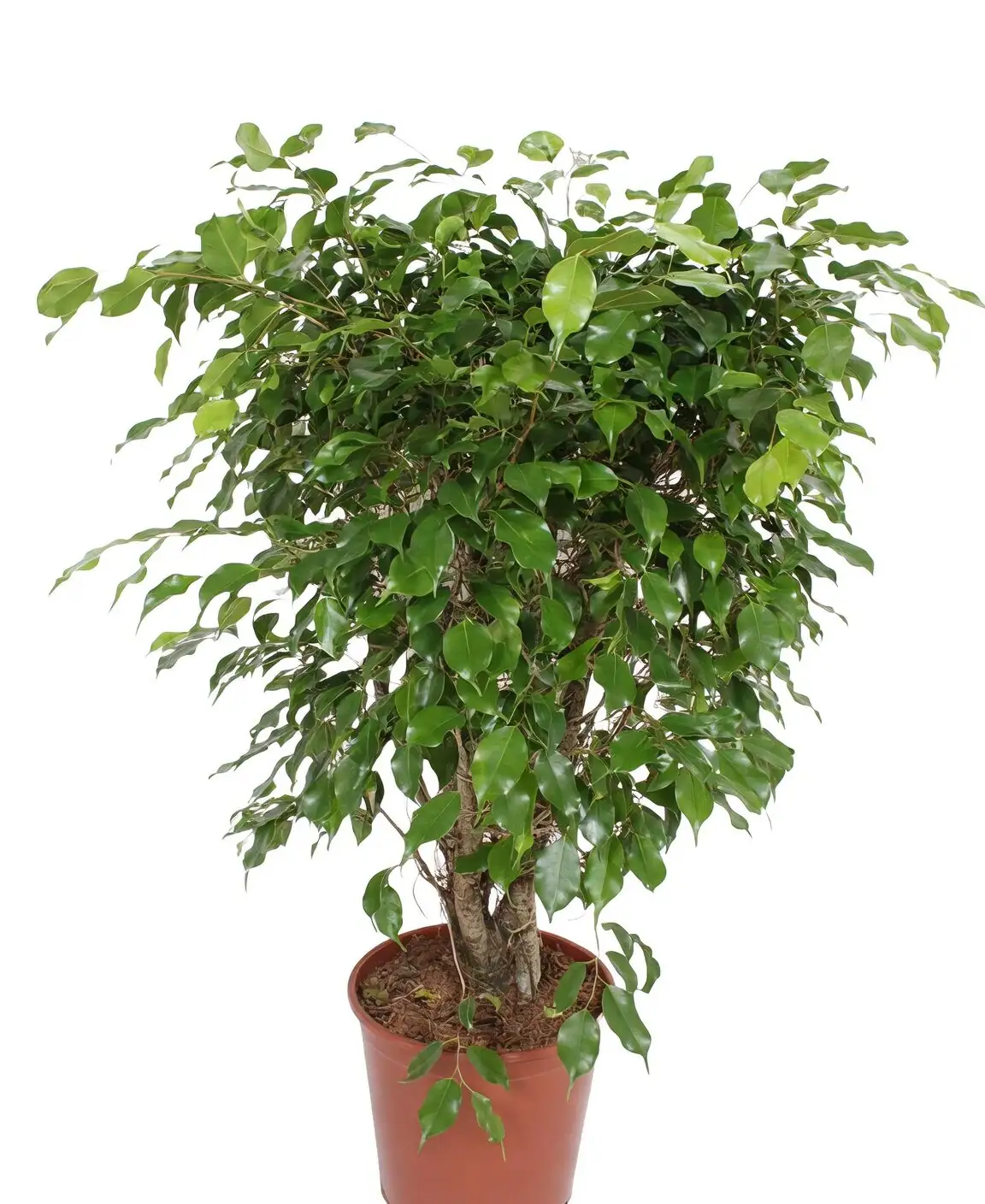
Graceful and evergreen, Ficus benjamina is native to tropical/subtropical Asia and northern Australia. Indoors it’s a glossy, arching, weeping‑habit ficus that takes well to shaping—everything from tidy, sculpted forms to bonsai‑like silhouettes. It thrives in bright light (it tolerates medium light), steady warmth, and evenly moist—but never soggy—soil. When unhappy (cold, drought, sudden changes), it often “speaks” by dropping leaves.
- Ideal temperature: 20–25°C (68–77°F); avoid <10°C (50°F) indoors and keep above 5°C (41°F) at all times.
- Humidity: 60–70% is comfortable.
- Light: Bright is best; a sunny window indoors is great. Outdoors in warm months, give bright, filtered light and shield from harsh midday sun and cold drafts.
When to jump from 15–20 cm to 30 cm
You don’t always have to step through every intermediate size. A move to a 30 cm (about 12 in) pot makes sense when the plant and its roots are truly ready.
Green lights for a 30 cm upgrade
- Roots circle the rootball densely and poke from drainage holes, and the mix dries out in under 48 hours despite thorough watering.
- The plant is top‑heavy or tips easily; the canopy is proportionally large for a 15–20 cm (6–8 in) pot.
- Watering frequency has crept up to every 1–2 days in warm weather, even after a full soak.
- Growth has slowed or leaves yellow despite good care, suggesting the root zone is saturated with roots and low on fresh medium.
- You can provide bright light, warm temps, and attentive watering after the move.
Timing rules that keep stress low
- Spring is the prime repot season. Smaller plants in 15–20 cm pots are commonly repotted each spring. Once a specimen is in a 30 cm pot, plan on repotting about every 2 years.
- Avoid big changes in winter unless root health demands it.
If you’re on the fence
- In lower light or if you’re a cautious waterer, consider a smaller step (e.g., 24–25 cm) unless the plant is clearly root‑bound. Bigger pots hold more moisture and can stay wet too long.
Pot choice: stability and drainage
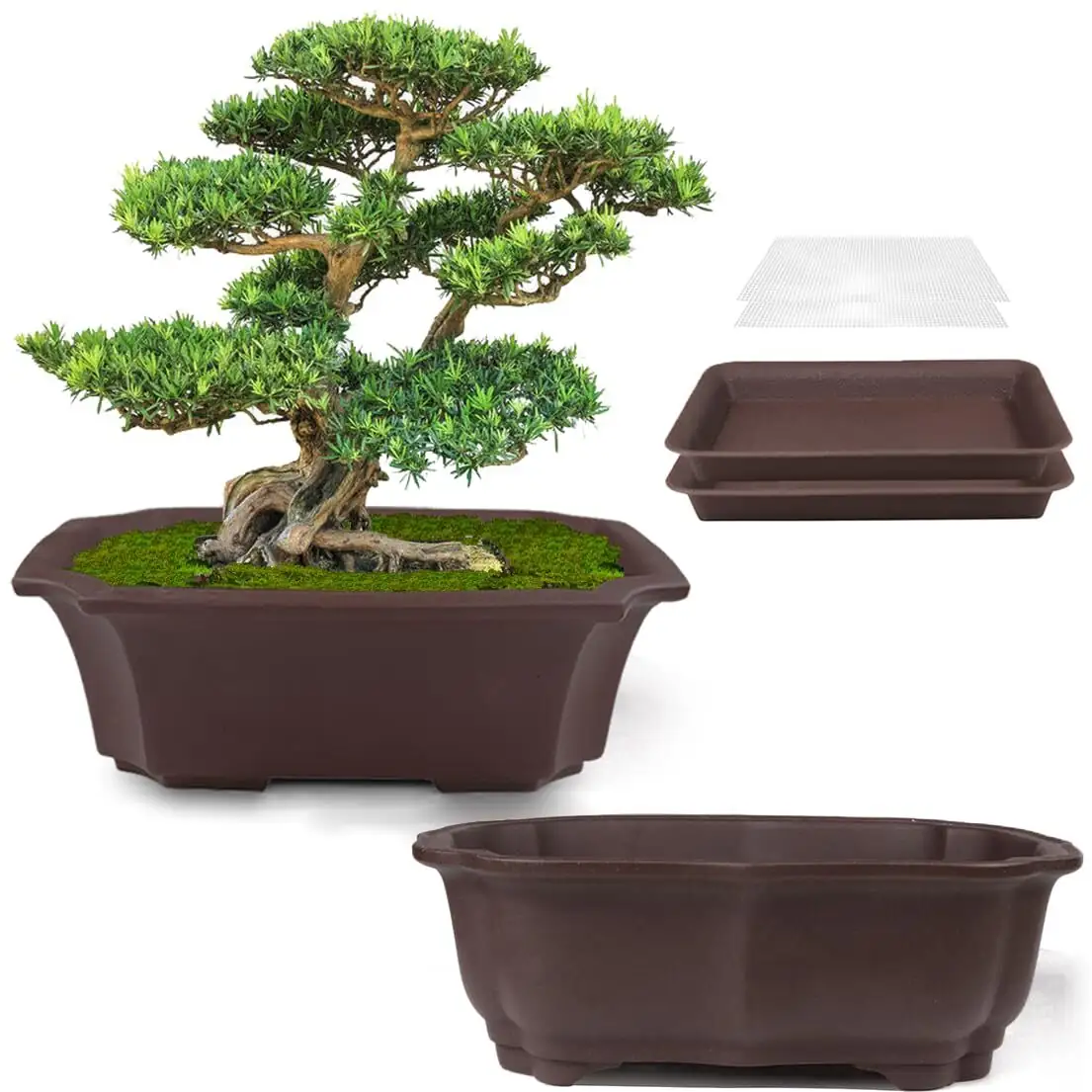
- Size: 30 cm diameter works for a vigorously rooted, top‑heavy plant coming from 15–20 cm. Ensure the new pot is only as deep as needed so roots won’t sit in a cold, wet column of mix.
- Material: Terracotta breathes and helps the mix dry faster (great in humid homes). Plastic/glazed pots retain moisture longer (useful in very dry rooms).
- Drainage: Essential. Add a mesh over the drainage hole—no gravel layer needed (it creates a perched water table).
Mix like a pro: free‑draining blends with perlite or coarse sand
Weeping figs want a loose, airy, fast‑draining mix. Think “springy and crumbly,” not dense.
Core houseplant blend (balanced and reliable)
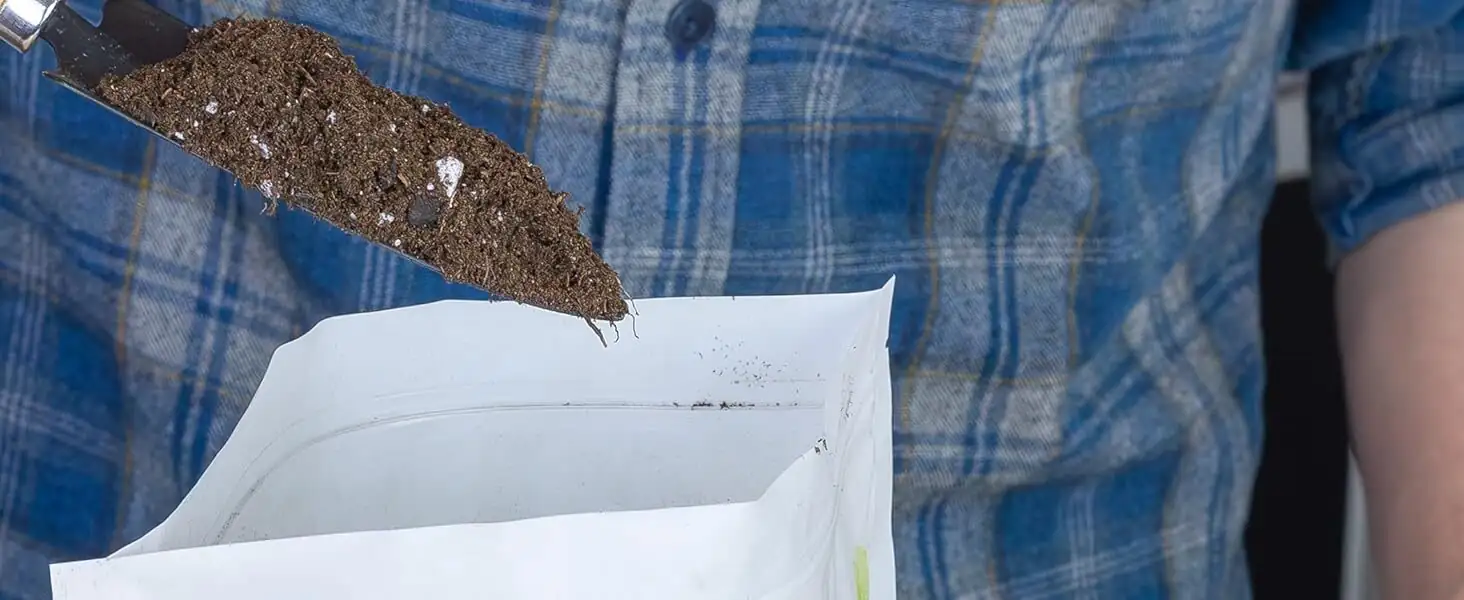
- 2 parts quality potting soil or leaf‑mold based houseplant mix
- 1 part perlite
- 1 part coarse sand or pumice
This yields excellent aeration and prevents compaction while retaining enough moisture between waterings.
Airier, growth‑forward blend (bright light, warm rooms)
- 2 parts potting soil
- 1.5 parts perlite
- 0.5 part coarse sand or fine orchid bark
Use if your plant sits in a sunny window or you tend to water generously.
Slightly more retentive blend (very dry indoor air)
- 3 parts potting soil
- 1 part perlite
- 1 part coarse sand
- Optional: 5–10% worm castings for slow nutrients
All mixes should be slightly acidic to neutral and never heavy like garden soil. Pre‑moisten to a crumbly, evenly damp texture before use.
A calm, stepwise repot routine
Breathe, slow down, and treat it like a spa day for roots.
1) The day before
- Water thoroughly so the rootball slides out intact and roots are hydrated.
2) Set the stage
- Choose a warm, draft‑free spot.
- Prep the new 30 cm pot with a drainage mesh and a shallow layer of your mix.
- Gloves are wise: Ficus latex (milky sap) can irritate skin and eyes.
3) Unpot with care
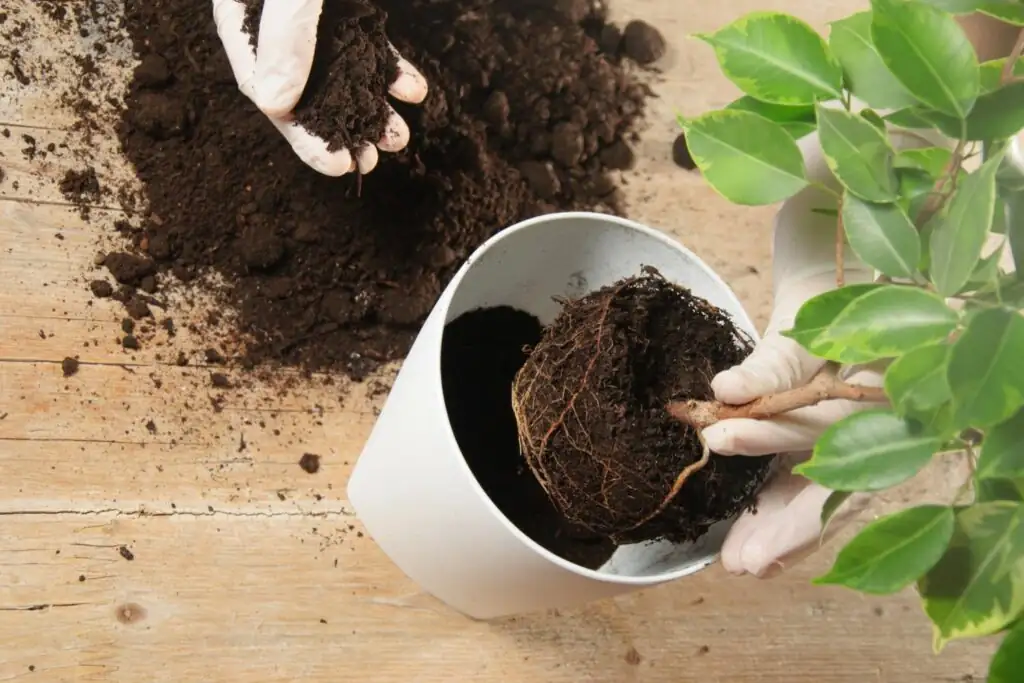
- Support the stem base, tip the pot, and ease the plant out. Tap the rim or squeeze a plastic pot to loosen.
4) Inspect and tease
- Gently loosen circling roots around the outer 1–2 cm of the rootball.
- Trim away any dead, mushy, or blackened roots with sterile snips.
- If roots are tightly girdling, prune back the outer mat by about 10–20% to encourage fresh feeder roots.
5) Position and backfill
- Set the plant so the previous soil line sits about 2–3 cm below the new rim.
- Backfill around the rootball, working mix into gaps with your fingers or a chopstick.
- Firm lightly—don’t compact. Aim for contact, not compression.
6) Settle with water
- Water slowly and thoroughly until you see steady drainage.
- Top up mix if it sinks. Do not leave the pot standing in water.
7) Gentle aftercare
- Light: Bright, filtered light; a sunny window indoors is ideal. Avoid outdoor midday scorch right after repotting.
- Temperature: 20–25°C (68–77°F). Keep away from cold drafts; indoors below 10°C (50°F) often causes yellowing and stalled growth.
- Humidity: 60–70% helps; occasional misting is fine in dry rooms.
- Watering: Keep the mix slightly moist—more harm comes from deep drought than from being a touch moist. In summer, watering is often needed every 2–3 days (adjust to pot size, light, and temperature). In winter, reduce to roughly once every 10 days.
- Feeding: Pause fertilizer for 3–4 weeks after repotting, then resume a balanced houseplant feed about every 10 days during active growth. Ease off in autumn/winter.
Troubleshooting after the move
- Leaf drop: Common after change. Steady the environment—warmth, bright light, consistent moisture. New growth usually follows once roots settle.
- Overpotting warning signs: Mix stays wet for many days, leaves yellow from the bottom up. Move to brighter light, increase airflow, and let the top few centimeters dry between waterings.
- Mold on soil surface or fungus gnats: Let the top layer dry more between waterings, increase aeration, and consider a thin top‑dress of coarse sand.
- Spider mites (common in dry air): Look for stippled leaves and fine webbing. Raise humidity and treat with insecticidal soap or horticultural oil as needed.
A quick seasonal calendar
- Spring: Prime repot season (especially from 15–20 cm to larger sizes). Resume feeding and regular misting as growth ramps up.
- Summer: Generous watering (often every 2–3 days), bright light, steady feeding.
- Autumn: Gradually reduce fertilizer and watering as growth slows.
- Winter: Keep indoors, warm and draft‑free; water sparingly (about every 10 days), maintain humidity.
Safety notes
- The sap (latex) can irritate skin and eyes—wear gloves and avoid touching your face while pruning or repotting.
- Toxic to cats and dogs if chewed or ingested; keep out of reach of pets and small children.
—
With the right moment, the right mix, and a quiet, stepwise routine, your Weeping Fig will take that leap from 15–20 cm to a 30 cm pot with poise—rewarding you with glossy leaves, steady growth, and a calmer, greener room.