

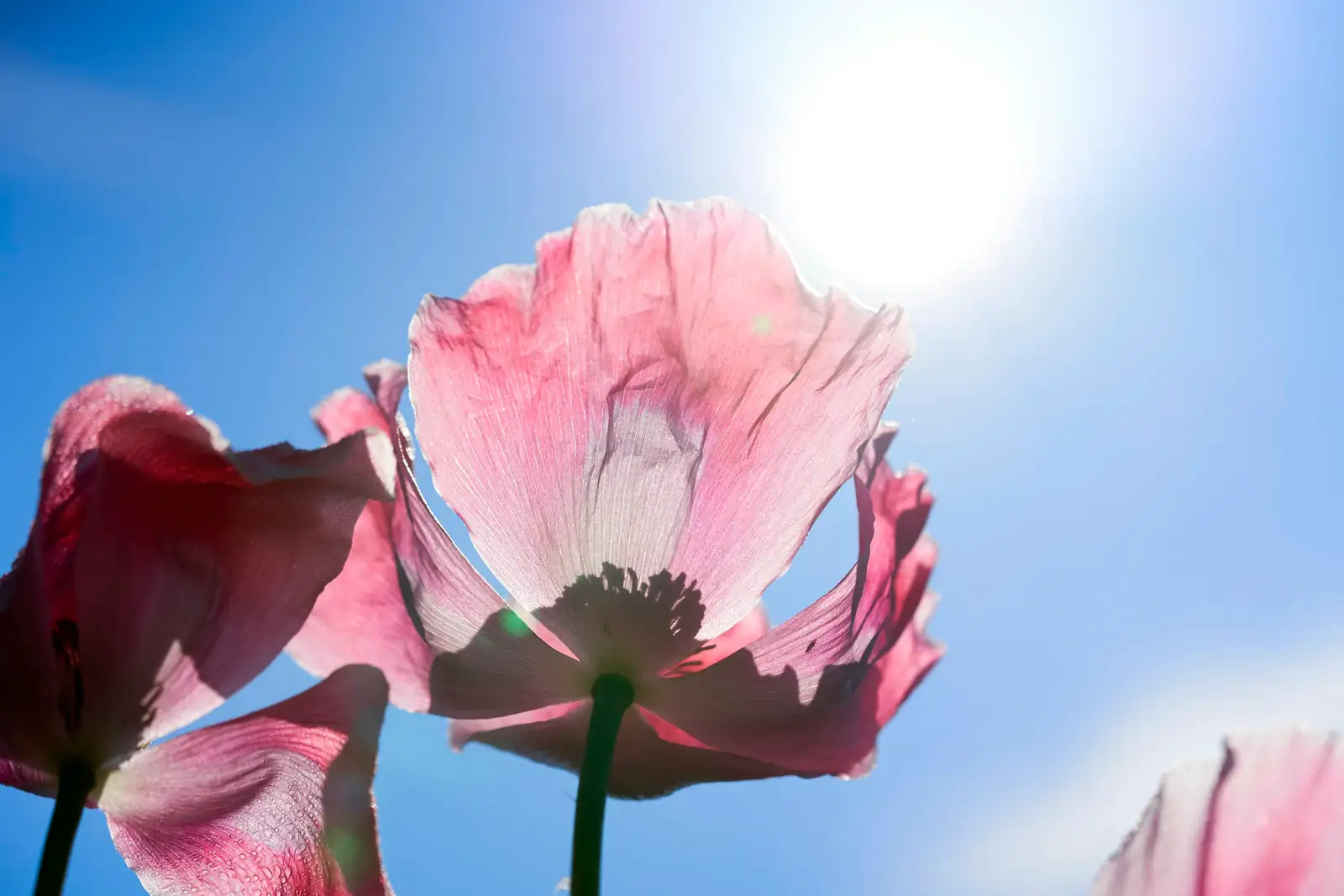
The Symbolic Splendor of Papaver somniferum
With its delicate, silky petals that unfurl like crumpled tissue paper, the opium poppy, or Papaver somniferum, is far more than just a botanical marvel in our gardens. This intriguing plant carries a profound historical and cultural significance that stretches across millennia, intertwining beauty, remembrance, and deep-rooted symbolism.
A Journey Through History and Legends
The tale of the opium poppy starts in ancient civilizations, where it was cultivated as far back as 5000 BCE. Its origins trace back to the Mediterranean, particularly areas like Asia Minor and Iran. Across cultures, the poppy has been a companion to human societies, celebrated not only for its stunning blooms but also for its potent properties. The Greeks and Romans used it in rituals, while Egyptians valued it for its medicinal potential.
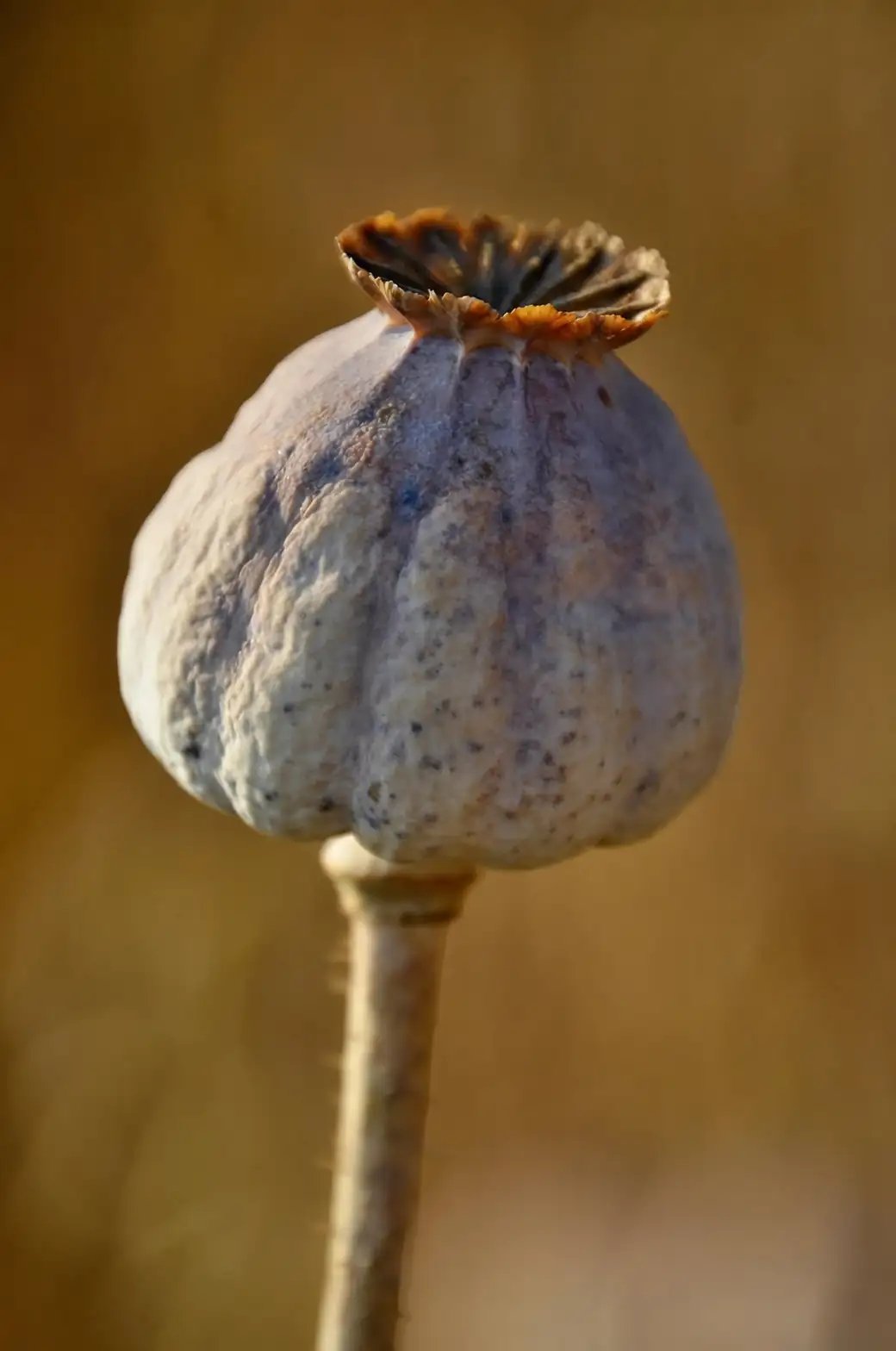
The opium poppy has even been woven into mythology, prominently associated with figures like Demeter, the Greek goddess of agriculture, and Hypnos, the embodiment of sleep. This connection is no mere coincidence. The plant’s very name, “somniferum,” translates from Latin as “sleep-bringing,” a nod to its historical use as a sedative and its potent opium alkaloids like morphine and codeine.
The Language of Flowers and Remembrance
In the language of flowers, poppies often symbolize sleep, peace, and consolation. But perhaps the most poignant and widely recognized symbolism of the opium poppy is its role as a tribute to fallen soldiers. This tradition took root after World War I, immortalized by the poem “In Flanders Fields.” The red poppies that bloomed amidst the battle-scarred lands of Flanders became emblems of remembrance, their vibrant color a stark contrast to the somber memories they represent.
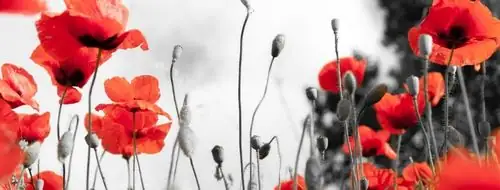
Every November, millions wear red poppy pins as a sign of respect and remembrance. It’s a simple yet powerful gesture, one that bridges generational gaps and unites nations in a shared act of memory.
A Plant of Paradox: Beauty and Controversy
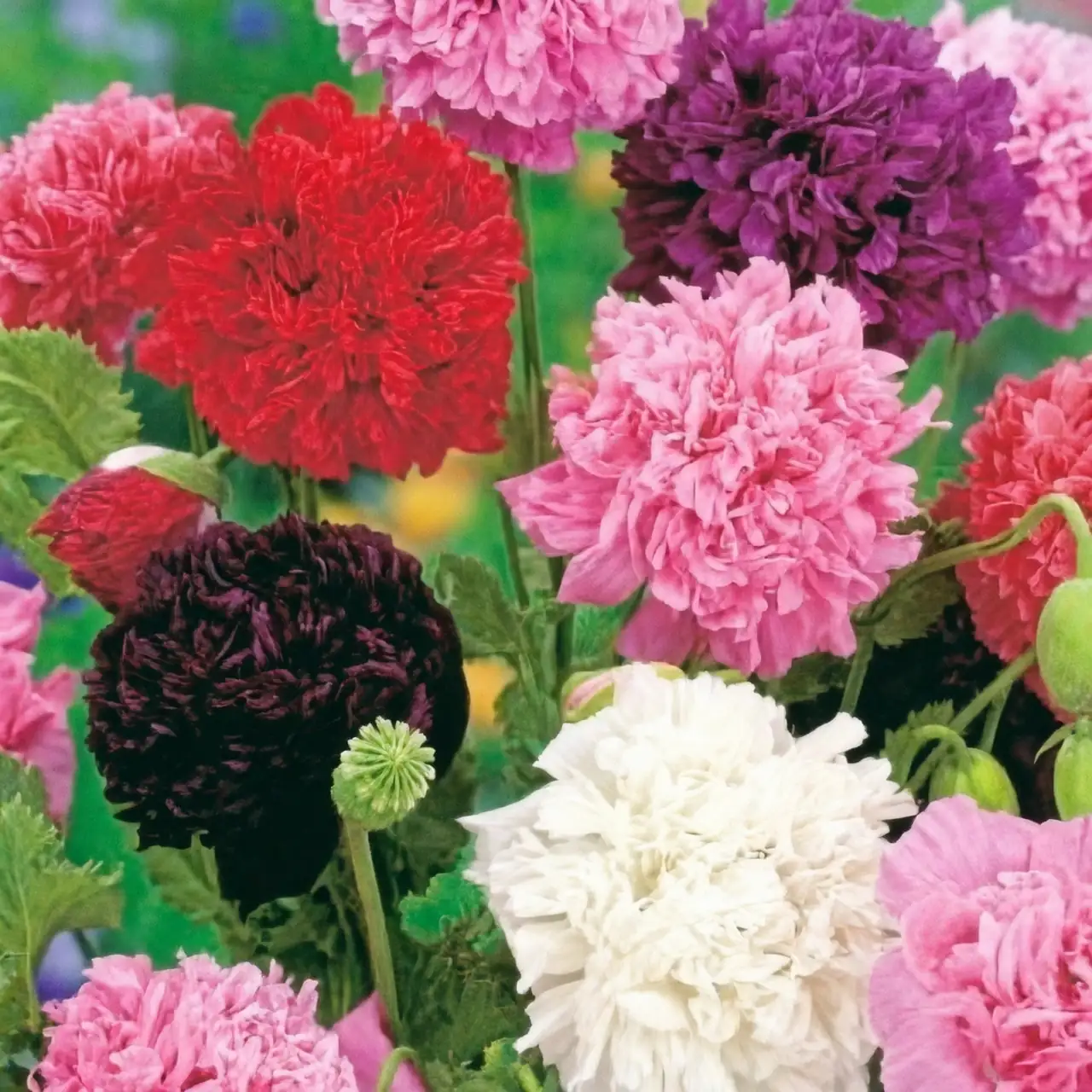
The opium poppy is a plant of contrasts. On one hand, it’s an ornamental gem in gardens, adored for its striking hues of red, pink, purple, and white. On the other, it’s the source of opium, a substance that has been both a medical boon and a source of legal and social challenges.
Its seeds, however, are innocuous and widely used in culinary contexts, adding crunch and a subtle nutty flavor to breads and pastries. The juxtaposition of the plant’s harmful potential with its harmless seeds makes the opium poppy a botanical paradox.
Cultivating the Opium Poppy
Growing Papaver somniferum requires understanding its preferences and idiosyncrasies. It thrives in full sun, preferring cool conditions and well-drained soil. While it can handle light frosts, prolonged heat can be detrimental. The poppy’s growth habit is upright, developing a noticeable taproot, which means it dislikes being transplanted. For those eager to cultivate this beauty, sowing seeds directly in the garden is usually best.
However, it’s crucial to check local regulations, as growing opium poppies may be restricted or require permits in many regions due to their narcotic potential.
The Delicate Balance of Care
Caring for opium poppies involves a balance of attention and restraint. Overwatering can lead to root rot, while too much nitrogen may encourage leafy rather than floral growth. Deadheading can prolong blooming, but allowing some flowers to form seed pods can be rewarding for those interested in seed saving.
Concluding Thoughts
The opium poppy stands as a testament to the complex relationship between humans and plants. It is a symbol of beauty and a bearer of deep historical and cultural significance. As we gaze upon its delicate blooms, we are reminded of our shared history and the ongoing dialogue between nature and humanity. Whether seen in a garden or worn as a lapel pin, Papaver somniferum continues to captivate and connect us across time and space.


