

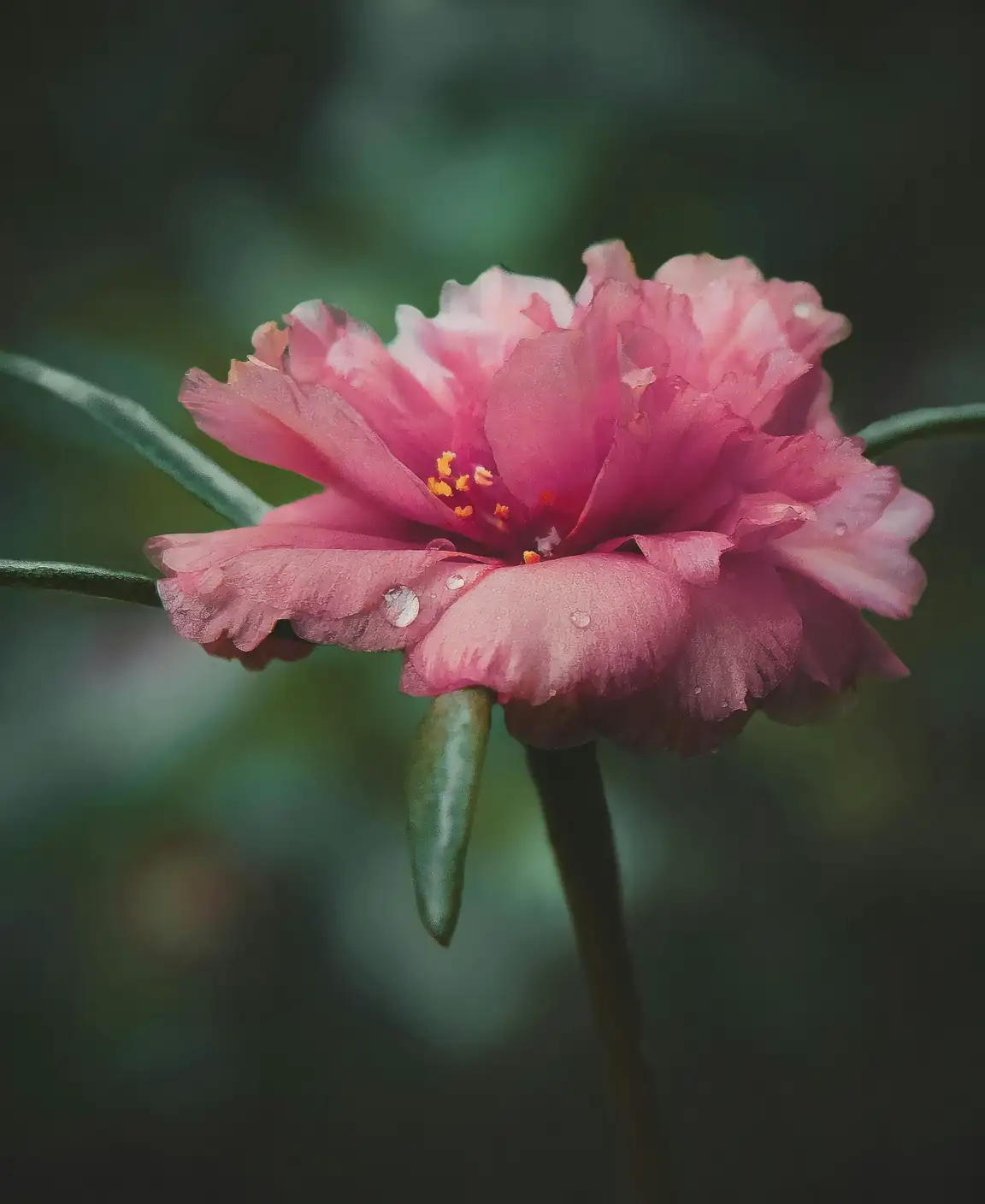
Spring may be the primrose’s calling card, but some of the showiest Primula save their fanfare for the damp margins—those softly squelchy places along pond edges and in boggy borders. If your garden offers a steady seep, a low-lying border, or the shoulder of a water feature, moisture-loving primroses like Primula japonica can turn that space into a tiered celebration of color just as late spring tips into summer.
Meet the moisture-lovers: Primula for bog and pond edges
- The genus: Primula (Primulaceae) includes 500+ species native across the Northern Hemisphere—especially the temperate zones of Asia, Europe, and North America. Many hail from mountainous, woodland, or streamside habitats.
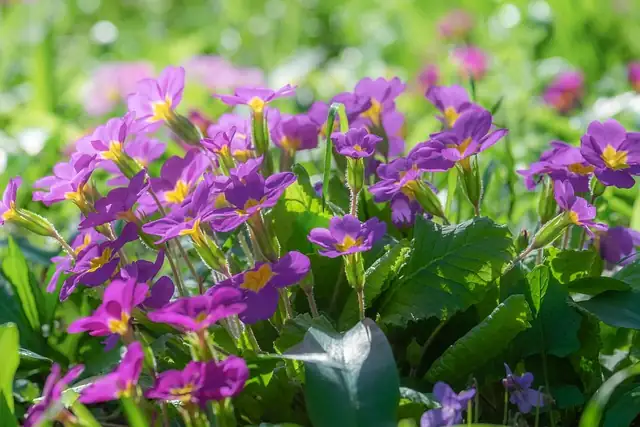
- The look: Classic primroses are low, rosette-forming perennials with crinkled, dark-to-bright green leaves and cheerful five-lobed blooms with yellow “eyes.”
- The twist: Candelabra primroses (a group that includes Primula japonica and kin) form dramatic, multi-tiered flower spikes—“wedding-cake” whorls that rise above handsome foliage. They’re happiest where soil stays cool and consistently moist.
Star species for wet places
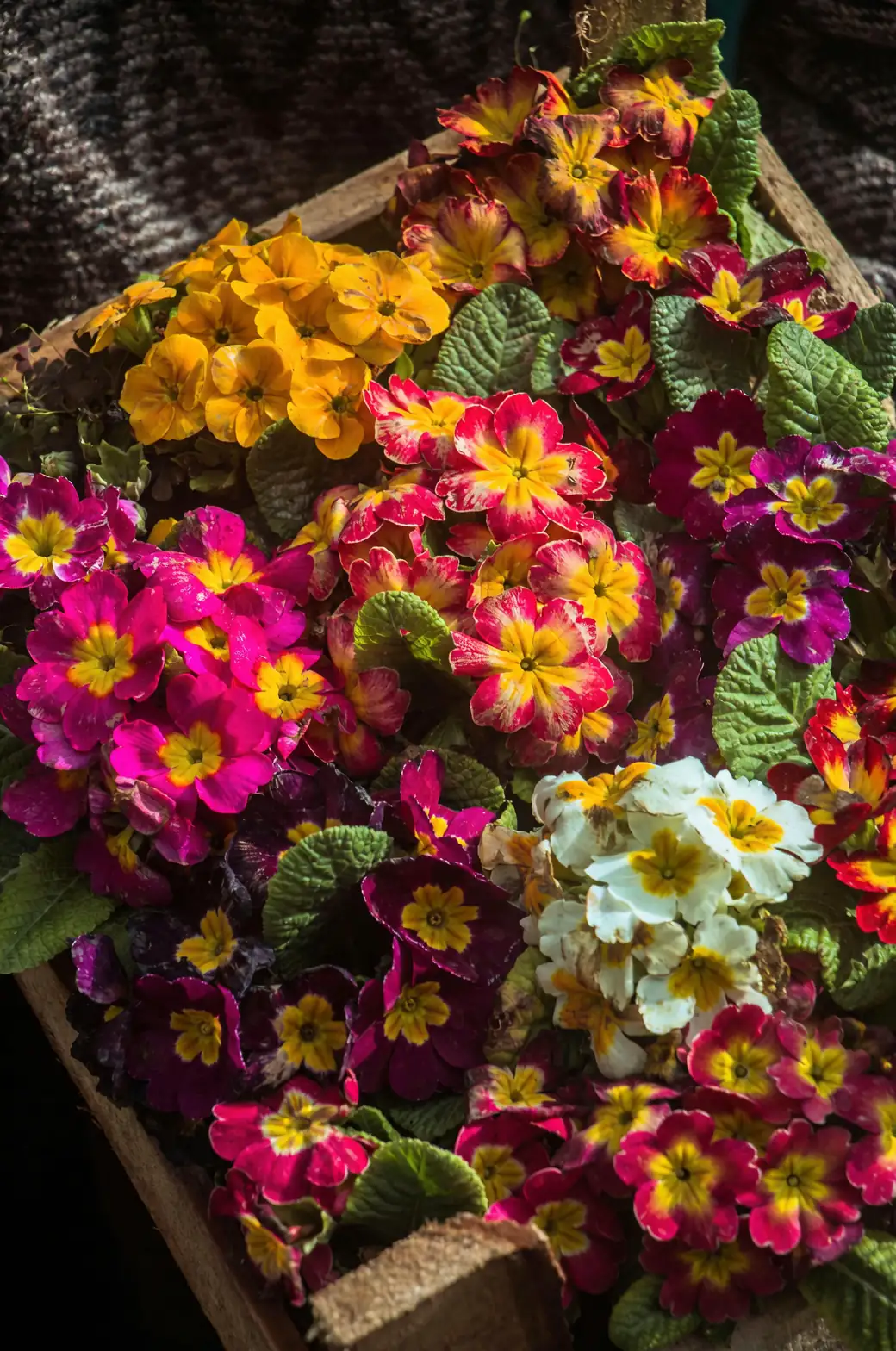
- Primula japonica (Japanese primrose)
- Habit: Bright green, lettuce-like rosettes topped with upright stems carrying tiers of white, pink, magenta, purple, or red blooms.
- Size: About 30–60 cm tall and 30 cm wide (12–24 in by 12 in).
- Season: Late spring to early summer—bridging the gap after many woodland bulbs fade.
- Culture: Part shade; thrives in humus-rich, consistently moist, neutral-to-acid soil. In cool-summer climates it tolerates more sun if kept wet.
- Other candelabra companions to mix in drifts: Primula bulleyana, P. beesiana, and P. pulverulenta (choose colors to stack a gradient along a pond edge).
Note on bloom timing: While many primroses flower in early spring, candelabra types typically peak a few weeks later—perfect succession color for shady, damp borders.
Where they shine
- Boggy borders that never truly dry out
- The high-and-dry shoulder above a pond’s waterline
- Dappled streambanks and low woodland swales
- Shaded rain gardens with reliable summer moisture
They can also be used in containers stationed beside water features—just keep the potting mix consistently moist and cool.
Site prep for a long-lived, bog-beautiful planting
Primulas love moisture, but not stagnant, airless conditions. Think “cool, humus-rich sponge,” not “puddle.”
1) Light
- Aim for partial shade to full shade. In cooler regions, morning sun is fine; in warm areas, prioritize afternoon shade.
2) Soil
- Texture: Moisture-retentive yet free-draining, with loads of leaf mold or compost.
- pH: Slightly acidic is ideal (around 5.5–6.5).
- Recipe for a bog border bed (per square meter):
- 2 buckets compost or leaf mold
- 1 bucket fine pine bark or well-rotted wood chips
- 1 bucket loam or topsoil
- Optional: a shovel of coarse sand for structure
- Blend to 30–40 cm deep; avoid burying crowns below surrounding grade.
3) Hydrology
- Goal: Even moisture without submerging crowns.
- For a “managed bog” strip:
- Create a very gentle slope toward the water.
- If your soil drains too fast, install a shallow clay pan or a punctured pond-liner “tray” 20–30 cm below the surface so water lingers but can still escape.
- Add a coarse gravel sump at the low end to prevent stagnant water.
- Mulch with 5–8 cm of leaf mold to keep roots cool and reduce evaporation—keep mulch off the crowns.
4) Airflow
- Even in damp sites, good airflow helps prevent mildew and botrytis. Avoid crowding against walls or dense hedges.
Spacing and planting plan
- Candelabra primroses (e.g., P. japonica): Space 25–35 cm apart (10–14 in). In drifts, weave plants in a staggered triangle for quick fill.
- Smaller rosette primroses (polyanthus, P. vulgaris types): Space 20–25 cm apart (8–10 in).
- Depth: Plant at the same depth as in the pot; crowns should sit level with the soil surface.
- Drift design idea for a 1 × 3 m damp border:
- 12–15 P. japonica in a sinuous ribbon, 30 cm apart.
- Thread 5–7 ferns (e.g., ostrich fern) behind for feathery height.
- Punctuate with 7–9 Iris ensata near the wetter end for swordy contrast.
Care, season by season
- Spring
- Keep evenly moist; top-dress with compost.
- Begin light feeding every 2 weeks with half-strength balanced liquid fertilizer during active growth and bloom.
- Deadhead spent whorls to extend display (leave a few to self-sow if you want a naturalized look).
- Summer
- Shade and moisture are critical; mulch to keep roots cool.
- In heat, some primulas slow down or go semi-dormant—keep soil moist and avoid stress.
- Fall
- Divide overcrowded clumps and replant at proper spacing.
- Feed lightly or top-dress with leaf mold; tidy senescent foliage.
- Winter
- In cold climates, mulch lightly once soil is cold to buffer freeze-thaw.
- Most Primula are hardy in USDA Zones 3–8 (some species even to Zone 2). Moisture-lovers like P. japonica are very happy through Zone 8 where summers aren’t scorching.
Watering benchmarks
- In-ground: About 2.5 cm (1 in) per week in dry spells, more if your site dries quickly.
- Containers: Water when the top 2.5 cm (1 in) feels dry; never let pots bake.
Feeding notes
- Boggy plantings are nutrient-hungry. A balanced spring feed plus gentle liquid feeds during bloom keep foliage lush without forcing soft, disease-prone growth.
Wildlife value at the water’s edge
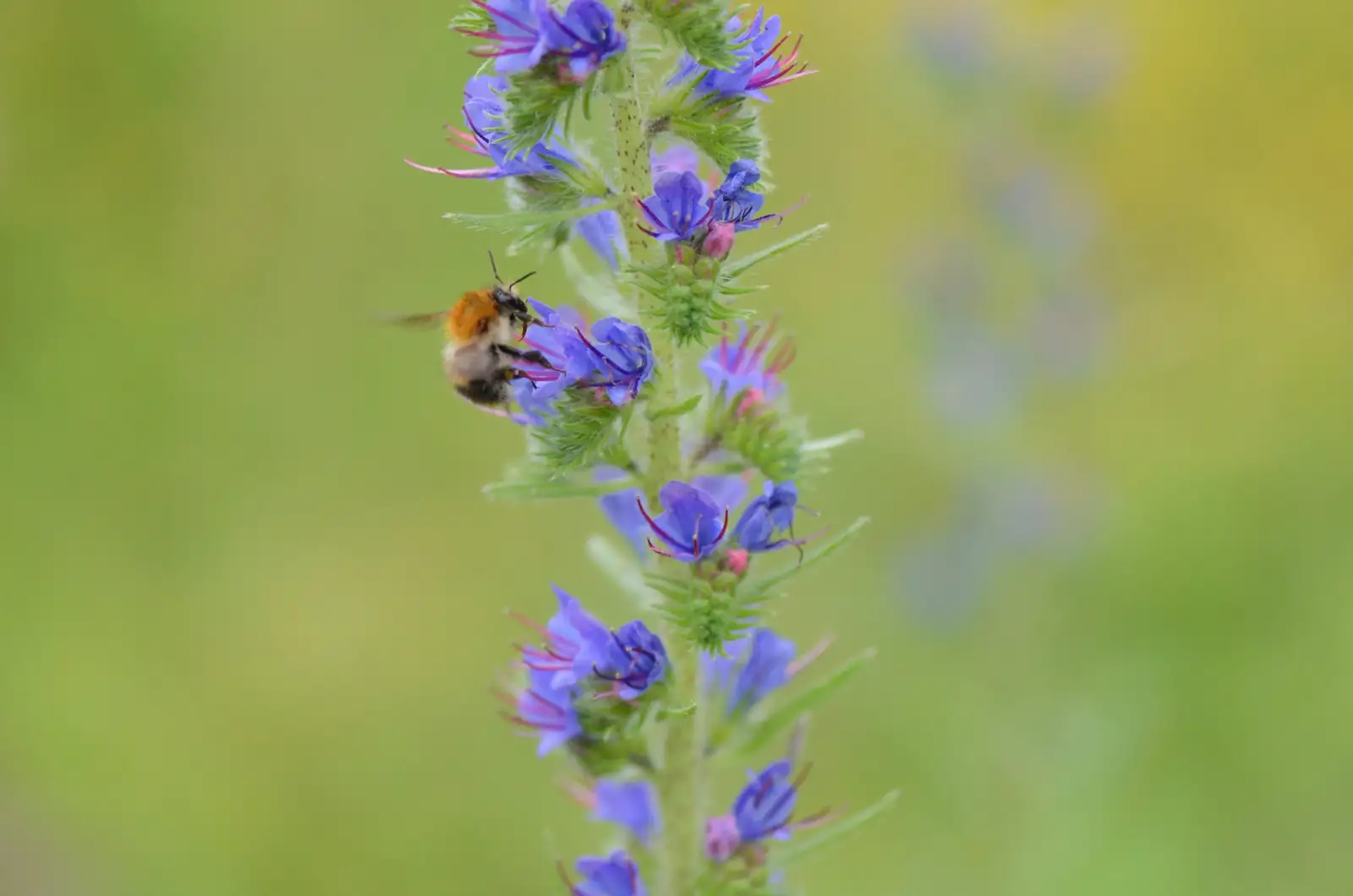
- Pollinators: The open, colorful blooms and staggered tiers are a lively nectar stop for bees and butterflies, especially in late spring. Many Primula exhibit heterostyly (pin and thrum flower forms) that promotes cross-pollination—great garden genetics when you allow some seed set.
- Habitat synergy: Along pond shoulders and shady swales, primroses knit the ground between ferns and irises, offering early-season forage while providing cool, damp cover for invertebrates that underpin a healthy garden food web.
Tip: If you want both wildlife value and tidiness, deadhead most spikes but allow a few to ripen seed for gentle self-sowing and pollinator continuity.
Propagation and naturalizing
- Division: The most reliable method. Split established clumps in early spring or fall; replant offsets at original depth.
- Seed: Sow in late winter; a cool period helps germination. Species like P. japonica often self-sow politely in the right conditions.
- Leaf or root cuttings: Some types oblige; take during dormancy or cool weather for best success.
Troubleshooting in damp sites
- Pests: Slugs and snails are the main nibblers; use traps, barriers, or night patrols. Also watch for aphids, mealybugs, and whiteflies; in hot, dry pockets, spider mites can appear.
- Diseases: Leaf spot, powdery mildew, and botrytis can flare in crowded, stagnant conditions. Improve airflow, water at soil level, and remove affected leaves promptly.
- Rot: Crowns submerged or soils left waterlogged can trigger phytophthora/root rot. Keep crowns at grade and ensure your “bog” breathes.
Safety first
Primulas are toxic to humans and pets, and the sap can irritate sensitive skin. Wear gloves when dividing or deadheading, and plant away from areas where curious children or animals might graze.
Design pairings that love a little squish
- Along pond edges: Primula japonica with Iris ensata and hostas for bold texture and color echoes.
- In a shaded bog border: Candelabra primulas rising through a carpet of matte, moisture-holding groundcovers (e.g., mossy patches or low primulas), backed by ostrich ferns.
- Woodland seep: Mix drifts of P. beesiana and P. bulleyana for a sunrise palette, interplanted with spring ephemerals for a long, layered season.
The language of primroses: where romance meets botany
The very name Primula springs from “prima” (first), nodding to those early-blooming species that announce winter’s end. In Victorian floriography, primroses carried the tender message “I can’t live without you,” entwined with themes of youth, renewal, and first love. It’s an apt match for a plant that returns faithfully each spring and, in moisture-loving forms, rises tier by tier like a layered promise along the water’s edge.
Quick checklist for success
- Light: Partial to full shade; morning sun in cool climates is fine.
- Soil: Humus-rich, slightly acidic, moisture-retentive but not stagnant.
- Water: Keep evenly moist—especially crucial for candelabra types.
- Spacing: 25–35 cm for P. japonica and similar; 20–25 cm for smaller primroses.
- Care: Deadhead to prolong bloom, feed lightly, divide when crowded.
- Wildlife: Excellent late-spring nectar for bees and butterflies.
Ready to turn that damp corner or pond shoulder into a living chandelier? Plant Primula japonica in painterly drifts, keep the soil cool and consistently moist, and watch the tiers of color climb all on their own.


