
Discover the Secrets to Thriving Pomegranates: A Care Guide for Jewel-Like Fruits
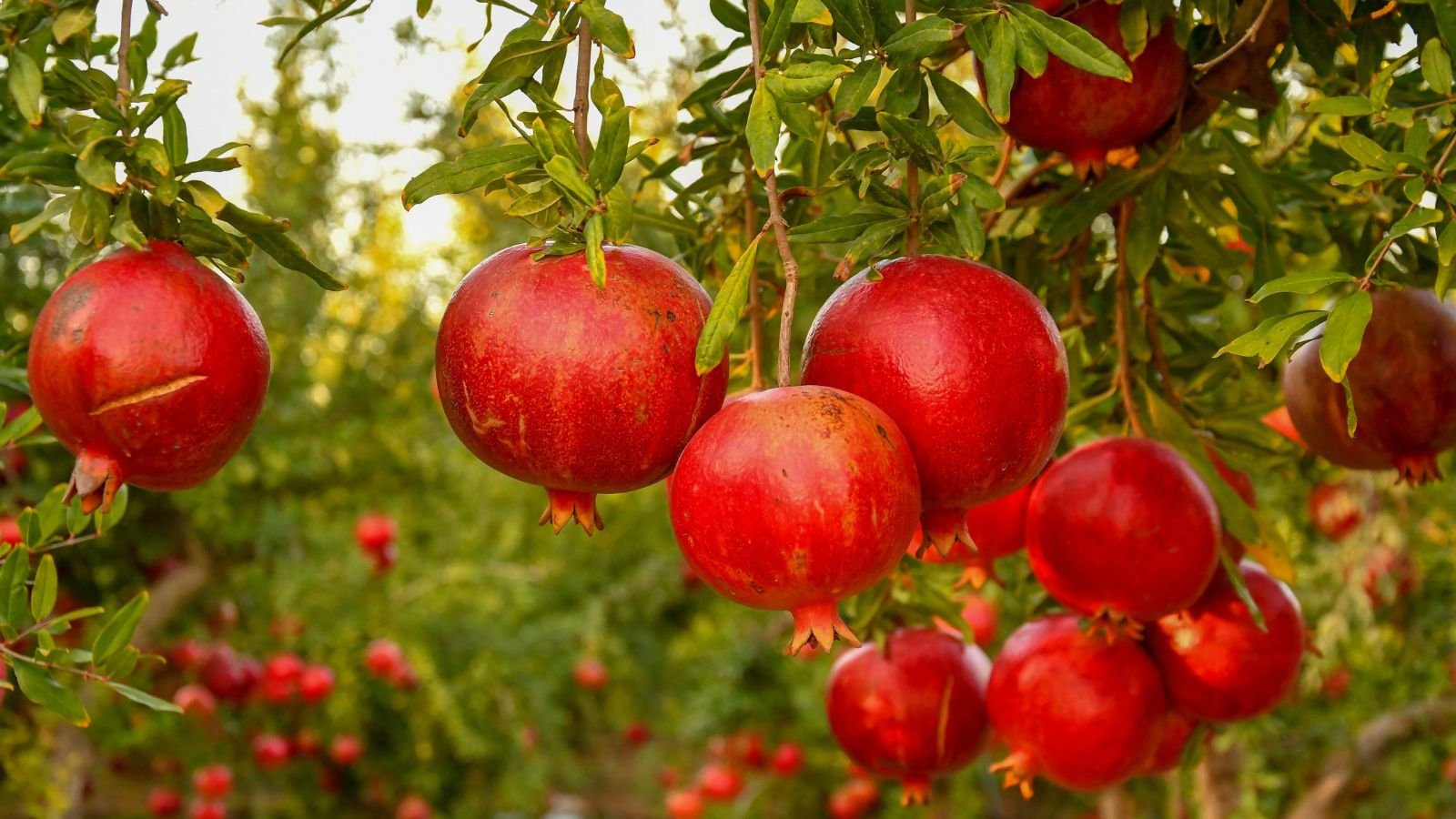
Imagine biting into a pomegranate and feeling the burst of sweet, juicy arils enveloping your taste buds. This ancient fruit, known as Punica granatum, is not just a treat but also a symbol of abundance and fertility. If you want your garden to brim with these jewel-like fruits, let’s dive into the art of nurturing a pomegranate tree to perfection.
Sunlight: The Solar Power Your Tree Needs
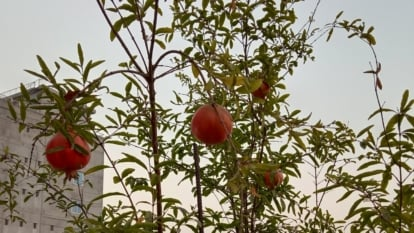
Pomegranates are sun worshippers. To ensure a bountiful harvest, plant your pomegranate where it can bask in full sunlight for at least six hours a day. Like a sunbather on a Mediterranean beach, your tree thrives under the warm, direct rays. Without enough sunshine, the flowers—those crinkled orange-red beauties—may sulk and refuse to transform into fruits.
Watering Wisdom: Strike the Right Balance
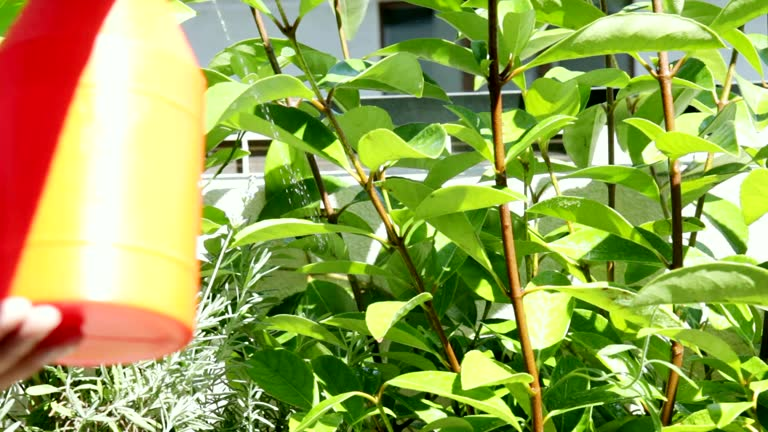
Watering a pomegranate tree is like performing a delicate dance. During its active growth phase from spring through summer, aim to keep the soil evenly moist but never soggy. Allow the top layer to dry slightly between waterings. Picture this: you’re quenching the thirst of a marathon runner—just enough to keep going, but not so much that you weigh them down.
As the fruits begin to mature in late summer, it’s crucial to ease up on watering. Excess moisture at this stage can cause the fruits to split, much like a balloon filled with too much air. Instead, keep conditions a tad drier and protect your tree from heavy rains, especially if it’s in a container.
Soil Savvy: The Foundation of Success
Pomegranates demand a free-draining, moderately fertile soil. If you’re planting in a pot, opt for a mix that’s airy and loose, perhaps a blend of loam and coarse sand. Think of it as crafting a comfy bed where roots can breathe and stretch. Avoid heavy, water-retentive soils like a plague; they’re the pomegranate’s kryptonite.
Temperature and Placement: The Goldilocks Zone
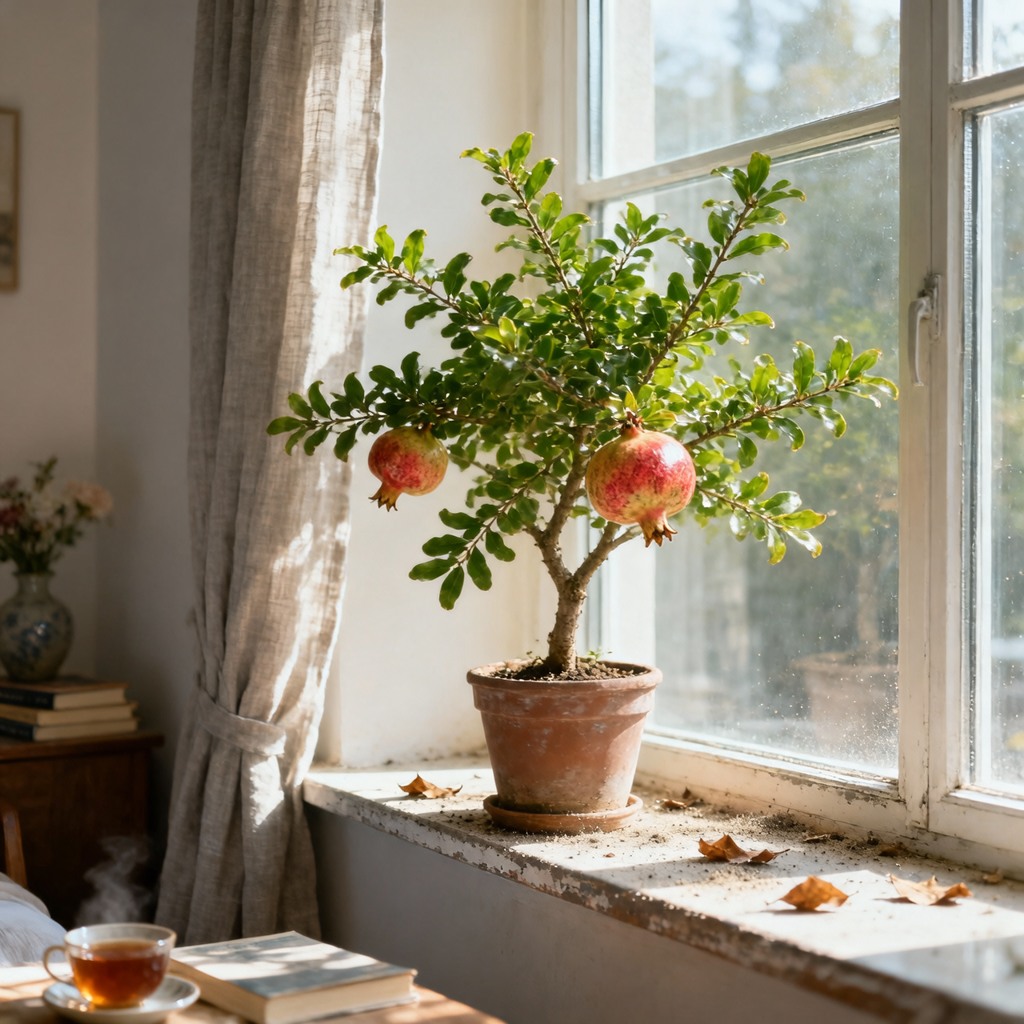
This resilient shrub prefers temperatures between 10–25°C (50–77°F), but it can withstand brief dips to around -15°C (5°F) once established. In cooler climates, consider growing your pomegranate in a large container that can be moved indoors during the winter months. Imagine it as a well-traveled guest that enjoys the warmth of your sunniest windowsill during colder days.
Pruning and Shaping: Sculpting Your Botanical Masterpiece
Pruning your pomegranate is akin to a sculptor chiseling a marble statue. In spring, shape your tree and snip away any dead or crossing branches. During the growing season, keep an eye on overly vigorous shoots and give them a gentle pinch or tip-prune to encourage compact growth. If you’re dreaming of a tidy tree form, remove basal suckers regularly. Think of it as giving your plant a stylish haircut.
Feeding the Beast: Fertilization Fundamentals
During the growing season, feed your pomegranate with a balanced fertilizer roughly once a month. If you notice flower buds forming, switch to a higher-potassium feed to support flowering and fruit set. But come winter, it’s time to put the fertilizer on pause and let the tree rest.
Preventing Fruit Splitting: The Final Frontier
One of the most heart-wrenching sights for a pomegranate grower is a split fruit. To prevent this, maintain consistent moisture levels as the fruits ripen and provide shelter from heavy rains. Think of it as protecting a precious gem from the elements—constant, gentle care is key.
Common Pests and Diseases: Guarding Your Garden
Pomegranates are tough, but they’re not invincible. Keep an eye out for aphids, scale insects, and spider mites. If you spot these pesky invaders, act swiftly with horticultural soap or oil. Good airflow and avoiding wet foliage can also keep blight and mold at bay. Remember, a healthy pomegranate is a happy pomegranate.
The Pomegranate’s Historical and Cultural Legacy
Pomegranates have been cherished since ancient times, symbolizing prosperity and fertility. The fruit’s many seeds represent abundance and are often given as good-luck gifts in various cultures. Imagine gifting a pomegranate to newlyweds—a wish for a life filled with many blessings.
In Conclusion: Your Pomegranate Paradise Awaits
With the right care, your pomegranate tree will reward you with a spectacle of vibrant flowers and delicious, nutrient-rich fruits. Whether you’re a seasoned gardener or a curious beginner, why not embrace the challenge and beauty of growing your own Punica granatum? Your garden—and your taste buds—will thank you.