


If your garden bakes in summer, basks in seaside breezes, or just needs plants that won’t blink at drought and salt, meet your new anchor: Rosa rugosa. Pair this beach-tough, honey-scented rose with allies like lavender, catmint, yarrow, ornamental grasses, and sea thrift to stretch color across the seasons, magnetize pollinators, and keep pests guessing—all while keeping maintenance refreshingly low.
Meet Rosa rugosa: the beach rose with backbone
Rosa rugosa—often called beach rose, Japanese rose, or rugosa rose—brings old-world fragrance and ironclad constitution to modern landscapes.
- Look and habit: Heavily textured (rugose) leaves, lushly scented flowers from single to fully double, and a sturdy, thorny framework perfect for hedges. Expect about 3–6 ft tall with a similar spread (some selections can go bigger).
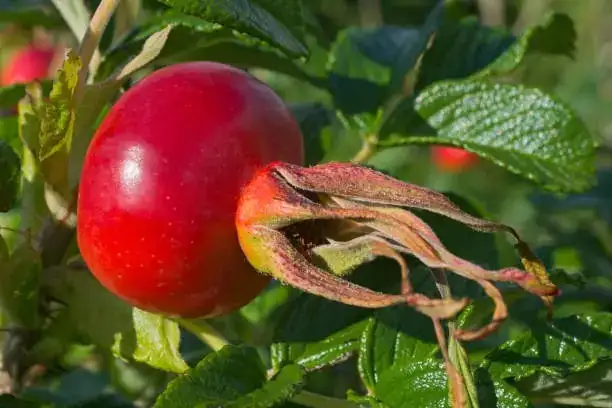
- Flowers and hips: Spring to early summer bloom, with many forms repeating through summer. Enormous, tomato-red hips follow—great for wildlife and winter glow.
- Toughness: Thrives in full sun (6+ hours), handles salt spray, sandy soils, wind, and heat. Many rugosa types are exceptionally cold-hardy, shrugging off deep freezes when established.
- Best growing conditions: Well-drained loam, slightly acidic to neutral (pH 6.0–7.0), steady but not soggy moisture, and good air circulation.
Tip: Rugosas can sucker to make glorious, bird-friendly thickets—perfect for informal hedges. In tighter beds, edge with a spade-cut trench or root barrier to keep them politely in bounds.
The dry-and-salty dream team
These companions love sun, good drainage, and breezes. Together, they extend bloom from spring into fall, perfume the air, and attract the right insects while confusing the wrong ones.
Lavender (Lavandula angustifolia)
- Why it works: Silvery foliage flatters every rose color and its aromatic oils can deter aphids and other pests. Bees adore it.
- Bloom window: Late spring into summer; with a light trim, a soft encore in late summer.
- Care notes: Lean-to-moderately fertile, well-drained soil; avoid wet crowns. Shear right after bloom to keep it compact.
Great picks: ‘Hidcote’ (inky purple), ‘Munstead’ (classic lavender-purple), or ‘Phenomenal’ (heat and humidity champ).

Catmint (Nepeta)
- Why it works: A non-stop haze of lavender-blue that makes rugosa flowers pop. Its scent can discourage rabbits; pollinators swarm it.
- Bloom window: Late spring through summer; shear by one-third after the first flush to keep flowers rolling.
- Care notes: Sun, drainage, and a midseason haircut. ‘Walker’s Low’ is a beloved, tidy sprawler.
Yarrow (Achillea)
- Why it works: Flat-topped umbels come in soft pastels to electric brights, and they’re nectar bars for hoverflies, parasitic wasps, and lacewings—the natural enemies of aphids and thrips.
- Bloom window: Early to late summer; deadhead or lightly shear to promote rebloom.
- Care notes: Heat and drought are its element. Avoid overfertilizing to keep stems upright. Try ‘Terracotta’, ‘Moonshine’, or soft pink A. millefolium types.
Ornamental grasses
- Why they work: Feathery motion, late-season flowers, and winter silhouette. They knit the planting together and offer shelter for beneficial insects and seed for birds.
- Salt- and drought-tolerant standouts:
- Calamagrostis x acutiflora ‘Karl Foerster’ (upright, early plumes)
- Panicum virgatum ‘Northwind’ (stately vertical blue-green)
- Schizachyrium scoparium (little bluestem; coppery fall tones)
- Elymus arenarius (blue lyme grass; beach-tough steel-blue)
- Festuca glauca ‘Elijah Blue’ (compact, icy mounds)
- Care notes: Full sun, well-drained soils; cut back in late winter before new growth.
Sea thrift (Armeria maritima)
- Why it works: Pint-size mounds with lollipop flowers in pink or white, naturally adapted to salt and wind. Perfect edging at the rose’s feet.
- Bloom window: Spring into early summer, with spot rebloom if deadheaded.
- Care notes: Excellent drainage; avoid rich soils and summer overwatering.
Design recipes that sing in sun and salt
1) Seaside drift (or inland “beachy” bed)
- Backbone: Rosa rugosa ‘Hansa’ or ‘Blanc Double de Coubert’ spaced 4–6 ft apart.
- Weave: Drifts of Nepeta ‘Walker’s Low’ and pockets of Lavandula ‘Hidcote’.
- Spark: Sea thrift along the front edge, 10–12 in apart.
- Movement: A ribbon of Calamagrostis ‘Karl Foerster’ every 6–8 ft behind the roses.
- Mulch: Light-colored gravel to mimic sand, reflect light, and improve drainage.
Bloom flow: Sea thrift (spring) → catmint + lavender (late spring–summer) → yarrow and grasses (summer–fall) → rose hips and grass plumes (fall–winter).
2) Driveway buffer hedge (salt-splash safe)
- Hedge: Rugosa selections at 4 ft centers for a solid, thorny screen.
- Understory: Blue fescue mounds and yarrow in sun-baked pockets.
- Accent: Panicum ‘Northwind’ at gateway corners for architecture.
- Pro tip: Keep soil mounded and free-draining along pavement; rinse heavy winter de-icer salt from the bed in early spring.
3) Pollinator ribbon
- Repeating clusters: Catmint + yarrow + lavender every 3–4 ft, with single rugosa “islands” every 8–10 ft.
- Add-ons: Late-season asters or anise hyssop at the back for a fall finish.
- Habitat bonus: Leave some grass plumes standing all winter for overwintering beneficials.
How these companions cut pest pressure
- Aromatic camouflage: Lavender and catmint release volatile oils that can help deter aphids and some beetles, making roses less obvious targets.
- Beneficial magnets: Yarrow’s umbels host hoverflies and tiny parasitic wasps; catmint and lavender feed bees and butterflies; grasses offer shelter—together building a living IPM.
- Cultural synergy: All prefer sun and airflow. Watering at the soil line keeps foliage dry and less hospitable to fungal trouble.
Smart IPM moves:
- Morning hose-blasts or a gloved swipe dislodge aphids before they multiply.
- Hand-pick Japanese beetles into soapy water early in the day.
- Avoid high-nitrogen fertilizers that push soft, pest-prone growth.
Extend bloom like a pro
- Rugosa rose: Deadhead through early summer to encourage repeats; after midsummer, consider stopping to let hips develop for autumn color and wildlife.
- Catmint: Shear by one-third right after the first big flush; water deeply to spark fast rebloom.
- Yarrow: Snip spent umbels to side shoots for a second wave.
- Lavender: Lightly trim as flowers fade; save the harder shaping for just after bloom (not in late fall).
- Grasses: Enjoy their show into winter; cut back late winter before green-up.
Planting and care, step by step
Site and soil
- Sun: Aim for 6+ hours of direct light; morning sun helps dry leaves quickly.
- Soil: Well-drained loam, pH 6.0–7.0. Work in compost to improve structure where needed; prioritize drainage for lavender and thrift.
- Spacing: Install companions 12–18 inches from the rose’s crown to protect roots and maintain airflow.
Planting
- Dig holes twice as wide as root balls; set plants at the same depth they grew in pots.
- Backfill with native soil plus a modest amount of compost; avoid burying lavender/thrift crowns.
- Water deeply to settle; mulch 2–3 inches, keeping mulch off rose canes and herb crowns.
Watering
- Establishment: About 1–2 inches (2.5–5 cm) of water weekly (rain + irrigation). Morning, at the soil line is best.
- Once established: Rugosa, lavender, yarrow, and grasses tolerate dry spells—water deeply but infrequently. Reduce in fall and during winter dormancy.
Feeding
- Spring: A balanced, slow-release fertilizer or organic compost for roses; lavender and thrift need only modest fertility.
- Bud set: A bloom-supporting feed for the rose if desired.
- Timing: Stop fertilizing 6–8 weeks before your first expected frost.
Pruning and cleanup
- Late winter/early spring: Prune roses to remove dead/diseased wood and open the center; cut back grasses hard; tidy yarrow and catmint.
- In season: Deadhead and shear as noted above. Always prioritize airflow.
Safety, wildlife, and the joy of hips
- Safety: Rugosa’s prickles mean business—plant away from play paths. Wear gloves.
- Non-toxicity: Roses are generally non-toxic to people and pets; petals and hips are often edible. Always confirm ID and avoid pesticide-treated plants before harvesting.
- Wildlife value: Flowers feed pollinators, hips feed birds, grasses shelter beneficial insects—your garden becomes a small, resilient ecosystem.
Rugosa rose symbolism and flower language
Across cultures, roses symbolize love, beauty, and devotion, with color meanings—red for passion, white for reverence, pink for admiration—shaped by centuries of art and ceremony. Rugosa, a species rose that thrives on wind-swept coasts, layers on a different note: resilience and authenticity. Victorian “floriography” popularized the idea that every flower (and even the number of stems) carried a secret message; it’s charming folklore, not science, but it still invites us to plant with intention—pairing the steadfast rugosa with companions that whisper of calm seas, summer breezes, and enduring grace.
Quick cultivar notes to try
- Rosa rugosa ‘Hansa’: Magenta, richly perfumed, reblooms well; classic hedge choice.
- ‘Blanc Double de Coubert’: Snow-white, intensely fragrant, luminous at dusk.
- ‘Roseraie de l’Haÿ’: Velvety crimson-purple, powerful scent.
- ‘Scabrosa’: Big, single magenta blooms and spectacular hips.
Troubleshooting FAQ
- My rugosa rose gets some black spot—should I worry?
Rugosas are among the most disease-resilient roses, but no garden is perfect. Focus on sun, airflow, watering at the base, and prompt removal of spotted leaves. A preventative fungicide can be used in warm, wet spells if needed.
- Will these pairings work inland, far from the sea?
Absolutely. “Salt-tough” simply means forgiving. Provide sun and drainage, and they’ll flourish in dry, hot inland beds too.
- Can I grow this combo near winter de-icer splash?
Yes—rugosa, sea thrift, and several grasses tolerate salt. After winter, flush the bed with water once the ground thaws and top up mulch to protect soil life.
- Are catmint and yarrow messy spreaders?
Choose clumping varieties and shear once or twice a season. Install 12–18 inches from the rose to simplify deadheading and cleanup.
Plant this team once, and let the seasons do the rest: spring lollipops of sea thrift, summer seas of lavender and catmint, yarrow’s confetti colors, autumn’s rosy hips and grass plumes, and a winter lacework that promises another sun-splashed year.


