The Role of Hollyhocks in a Pollinator’s Paradise
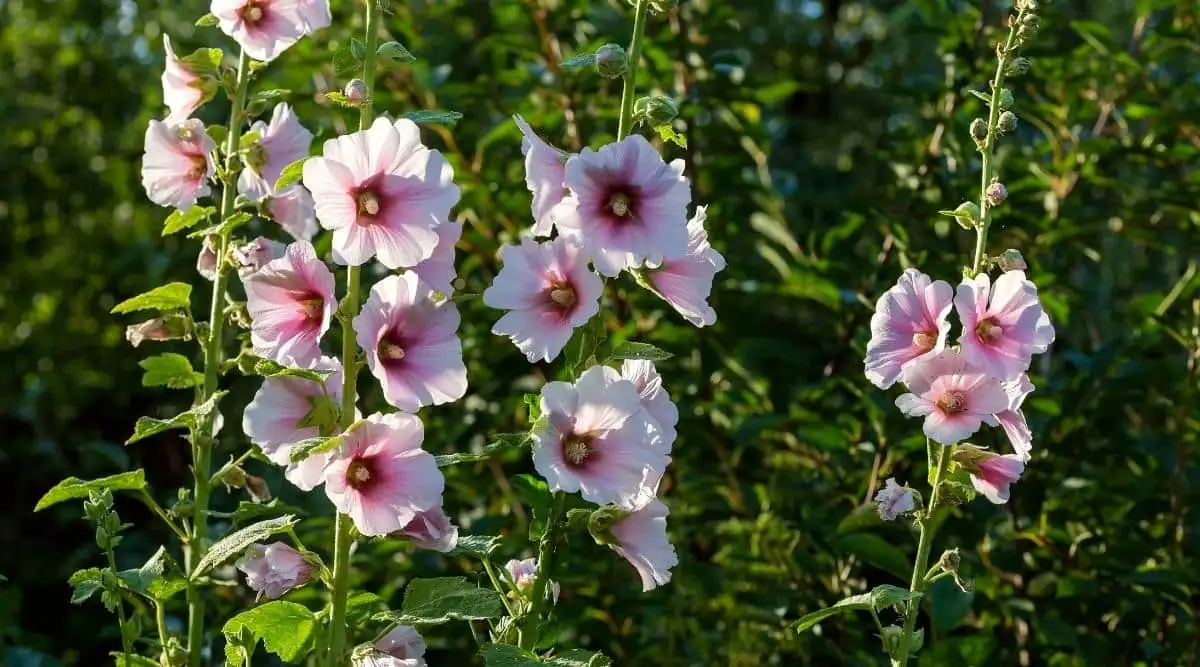
Imagine a garden where the air is alive with the gentle hum of bees, the flutter of butterfly wings, and the darting dance of hummingbirds. This is the vibrant world that hollyhocks, botanically known as Alcea rosea, can help create. These towering floral giants, which can reach impressive heights of 4 to 8 feet, not only add vertical drama to your garden but also serve as essential pit stops for a variety of pollinators.
Nature’s High-Rise Hotels for Pollinators
Hollyhocks are the skyscrapers of the garden, their tall spires laden with large, cup-shaped flowers that open sequentially from bottom to top. This bloom progression, which typically occurs from mid to late summer, provides an extended period of nectar availability, making them an irresistible magnet for bees, butterflies, and hummingbirds.
Why do pollinators love them so? The answer lies in the flowers’ design. Hollyhock blooms are like brightly colored billboards, advertising their nectar and pollen through vivid hues ranging from whites and yellows to deep reds and near-blacks. Moreover, like many flowering plants, hollyhocks may exhibit UV color patterns invisible to the human eye but highly attractive to bees, guiding them efficiently to their sweet rewards.
A Biodiversity Bonanza
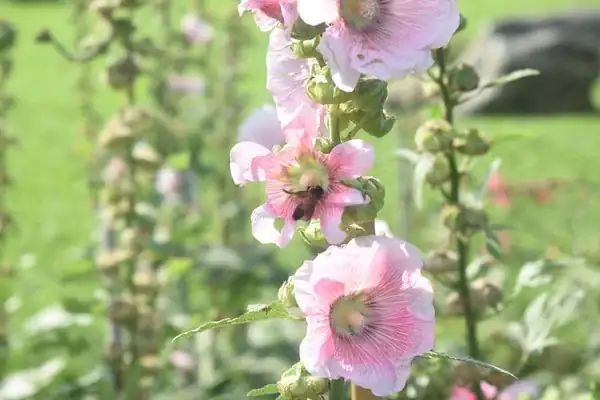
Beyond their visual appeal, hollyhocks play a crucial role in supporting biodiversity within garden ecosystems. By attracting a diverse array of pollinators, these flowers help ensure the pollination of other nearby plants, promoting a healthy and balanced garden environment. This symbiotic relationship enhances the vitality of your garden, as a healthy pollinator population supports the reproduction of a wide range of plant species.
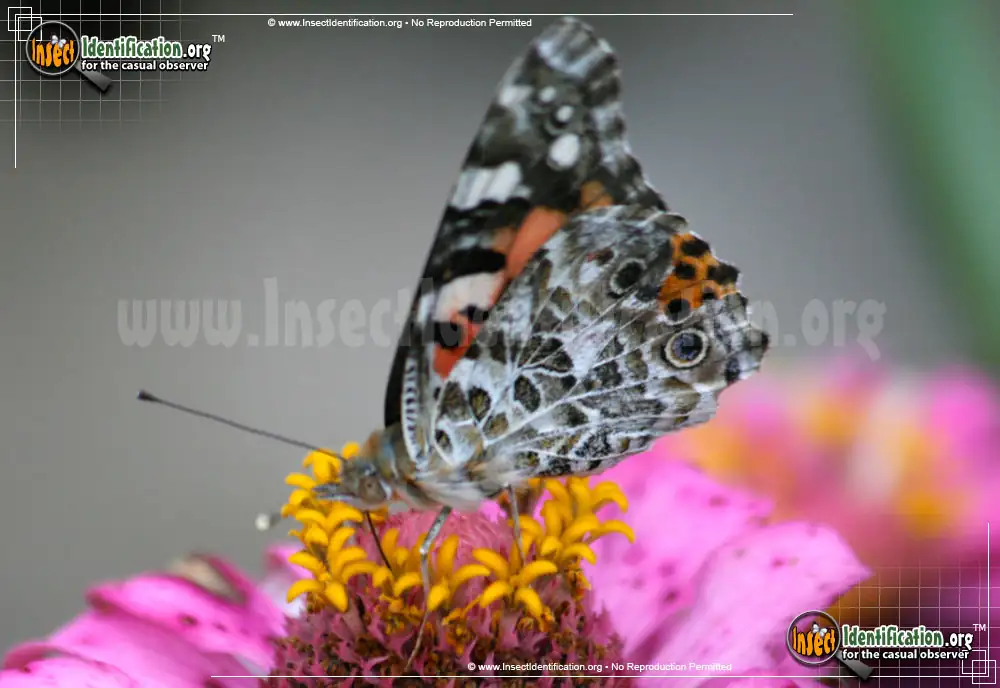
But it’s not just about the bees and butterflies. Painted lady butterflies, for instance, are known to use hollyhocks as host plants for their caterpillars, further embedding these flowers into the life cycles of local wildlife.
Easy Care with Big Rewards
One of the joys of growing hollyhocks is their ease of care and their knack for self-seeding. While they are typically biennials—forming leafy rosettes in their first year and flowering in their second—hollyhocks often behave like short-lived perennials in gardens, thanks to their self-seeding habit. This means that once you plant them, they can grace your garden year after year with minimal intervention.
Growing Tips:
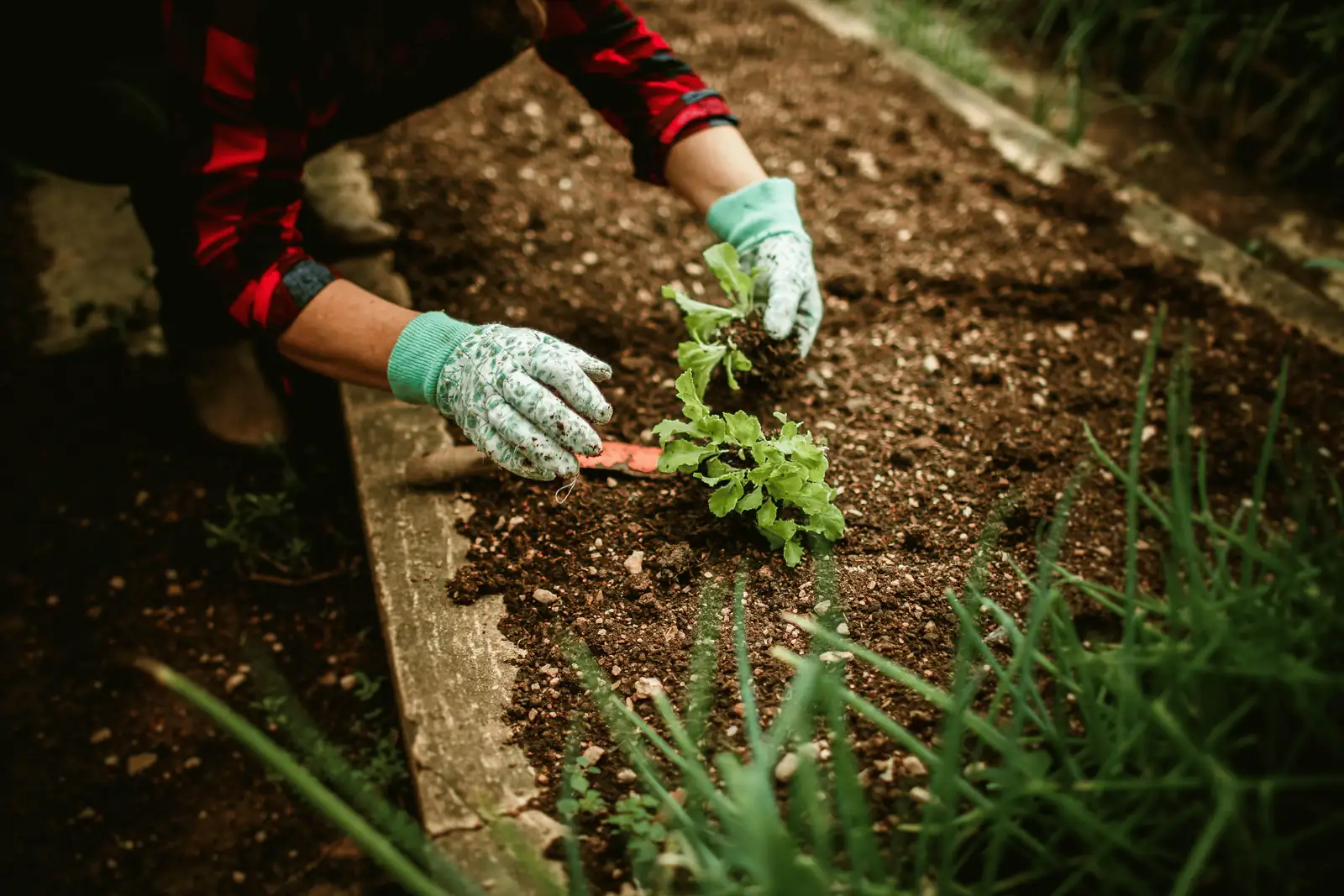
- Location, Location, Location: Hollyhocks thrive best in full sun, about 6–8 hours daily, which keeps them upright and flourishing with abundant blooms.
- Soil and Water: Rich, well-draining soil with consistent moisture will keep your hollyhocks happy. A little compost or aged manure at planting goes a long way.
- Space for Growth: Allowing about 18–24 inches between plants ensures good airflow, reducing the risk of diseases like rust.
More Than Just a Pretty Face
Hollyhocks have been cherished for centuries, not just for their ornamental value but also for their historical and cultural significance. In the Victorian language of flowers, hollyhocks symbolize ambition and the cycle of life—a nod to their towering growth and life cycle from seed to bloom.
Additionally, these flowers have been used in traditional medicine for their soothing properties, and some parts are even edible, often used as colorful garnishes.
Conclusion: Your Garden’s Best Friend
Incorporating hollyhocks into your garden is like adding a splash of nostalgia and charm while providing a hub of activity for pollinators. Their towering presence not only beautifies the landscape but also supports a diverse and thriving ecosystem. So, if you’re looking to create a lively, biodiverse garden, let hollyhocks stand tall as both your floral showpiece and an invitation to nature’s most diligent pollinators.