

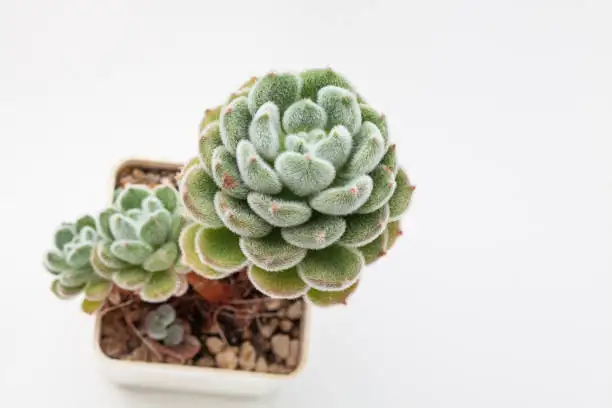
Meet the Mexican snowball you actually want on your windowsill: Echeveria elegans. This glaucous little “stone rose” stays tidy, serene, and sculptural—then surprises you with candy-colored bells on slender wands. Below, a fun, science-sprinkled tour of its small wonders, from its sunscreen-like farina to the reason droplets in the rosette spell trouble.
Echeveria elegans at a glance
- Also called Mexican Snowball, Pearl Echeveria, White Mexican Rose, Mexican Gem
- Origin: Semi‑arid Mexico (commonly reported from Hidalgo)
- Family: Crassulaceae; Genus: Echeveria
- Look: Powdery blue‑gray to blue‑green rosettes, sometimes with a faint pink blush
- Size: Rosettes about 8–15 cm (3–6 in) wide; around 10 cm (4 in) tall not in bloom. Flower stalks lift the show to 10–20 cm (4–8 in)
- Habit: Compact rosette that offsets into charming clumps over time
15 tiny marvels of Echeveria elegans
1) Frosted on purpose: the science of farina
- That dreamy, chalky “powder” is farina, a natural wax (epicuticular wax) that scatters harsh light like billions of microscopic mirrors—think plant-safe sunscreen.
- It’s also water‑shedding and reduces moisture loss, helping the plant handle bright sun and drought.
- Handle with care: fingerprints on farina are forever. Move the plant by the pot or by the very base of the rosette.
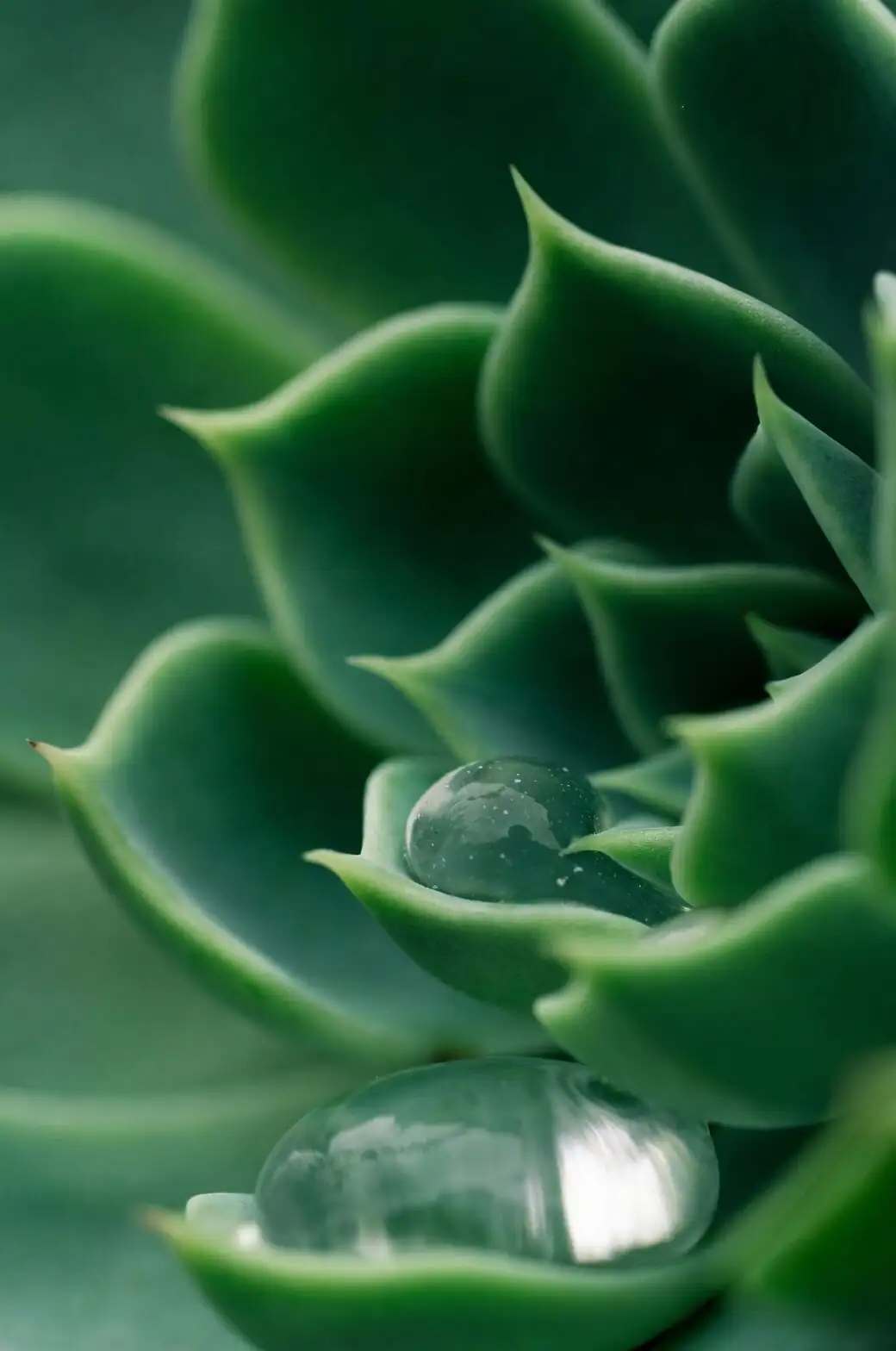
2) Keep the crown dry: why water in the rosette is risky
- A rosette is a perfect little bowl. Water that lingers in the center can lead to rot, especially in cool or still air.
- Yes, farina is somewhat water‑repellent, but it’s not a life vest. Trapped droplets plus shade/cool temps = trouble.
- Pro tips:
- Water the soil, not the leaves (tilt the pot to drain if water does splash in).
- Aim for morning watering so stray droplets evaporate quickly.
- Ensure strong airflow.
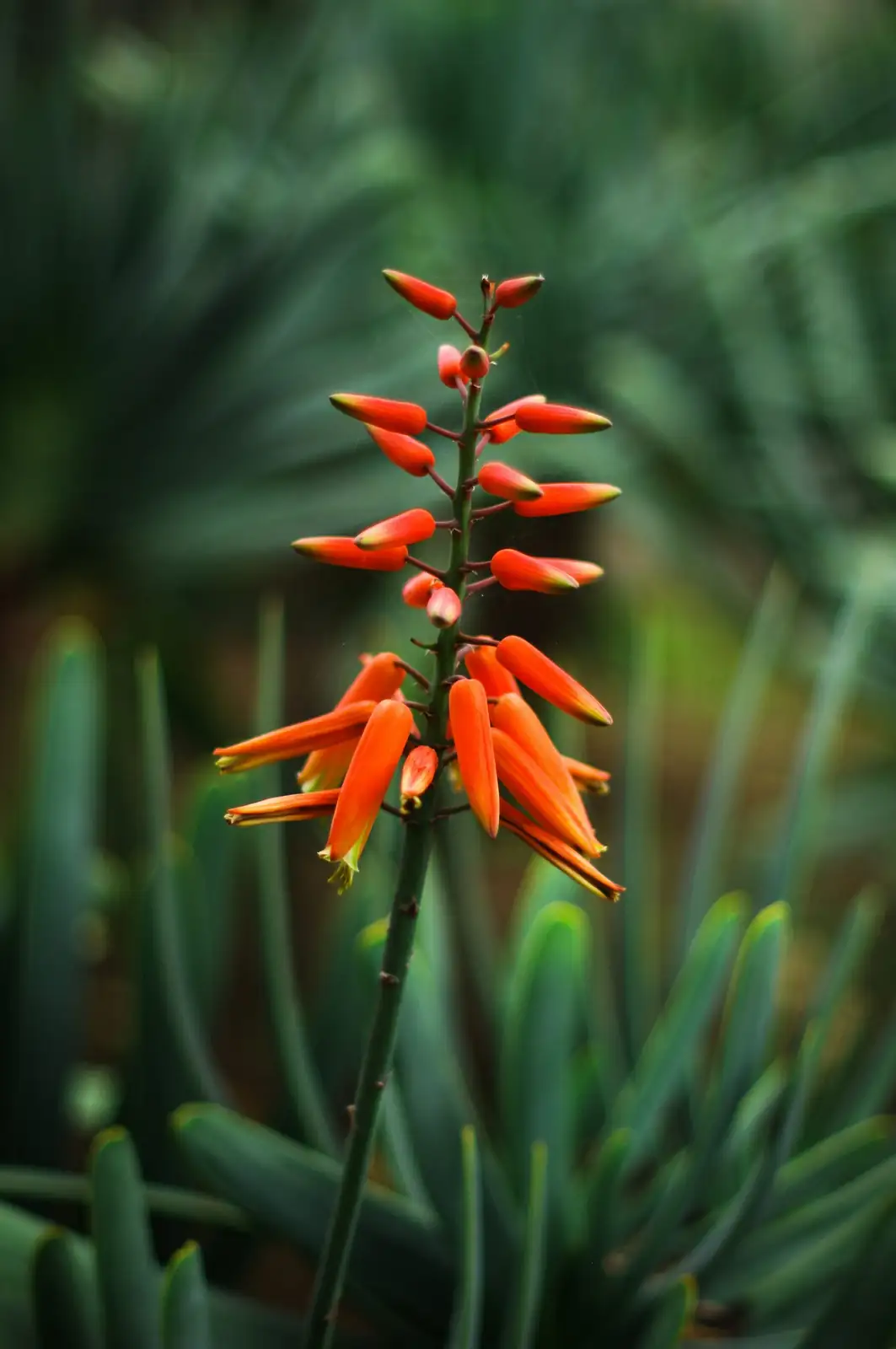
3) Bicolor bells on slender wands
- In late spring to summer, elegans raises elegant stalks topped with nodding, bell-shaped blooms—commonly coral‑pink to red outside with yellow tones inside.
- Snip spent stalks to keep the rosette crisp and redirect energy back to growth.
4) A whisper of pink blush
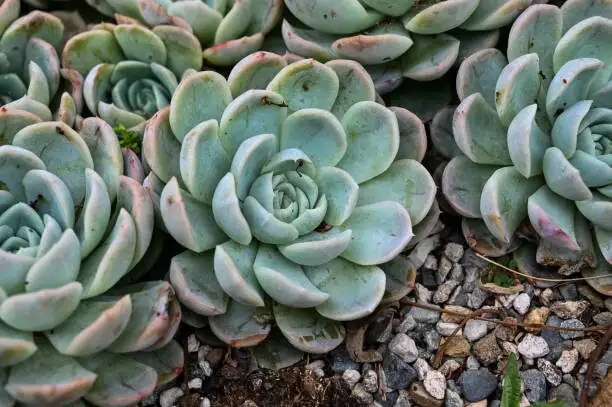
- Those cool, powdery leaves sometimes sport a faint pink cast—most pronounced with bright light, warm days/cooler nights, and lean feeding.
- It’s subtle on this species, more “rosy glow” than neon confetti.
5) Self‑made neighborhoods: offset colonies
- Elegans offsets readily, turning a single rosette into a low mound. Many gardeners let pups cluster for a living bouquet.
- Separating pups:
- Wait until offsets have their own roots.
- Gently twist away, let the cut callus, and pot into a gritty mix.
6) Sun-sipping sculptor: light refines the form
- Bright light to full sun (about 4–6+ hours) keeps the rosette tight and symmetrical with that perfect lotus look.
- Too little light = stretched, open growth and longer internodes. Rotate the pot for even symmetry.
- In very hot climates, offer light afternoon shade and ease plants into stronger sun gradually.
7) The “soak and dry” rhythm (and never in the crown)
- Water thoroughly, then let the mix dry out completely before watering again.
- Typical indoor cadence (adjust for pot size, heat, and airflow):
- Spring–Summer: roughly every 7–14 days
- Autumn: about every 2–3 weeks if still growing
- Winter: brightly lit but much drier—every 3–5+ weeks, or as little as 1–2 times total if kept cool
- Always aim at the soil line; keep fertilizer off the leaves.
8) Compact by design (and by pot)
- Expect 8–15 cm (3–6 in) rosettes. Many are sold in ~8 cm (3.1 in) pots; a common “grown-on” size is 12–15 cm (4.7–5.9 in).
- Repot every 1–2 years in early spring. After repotting, let any disturbed roots dry/callus for a day or two before watering.
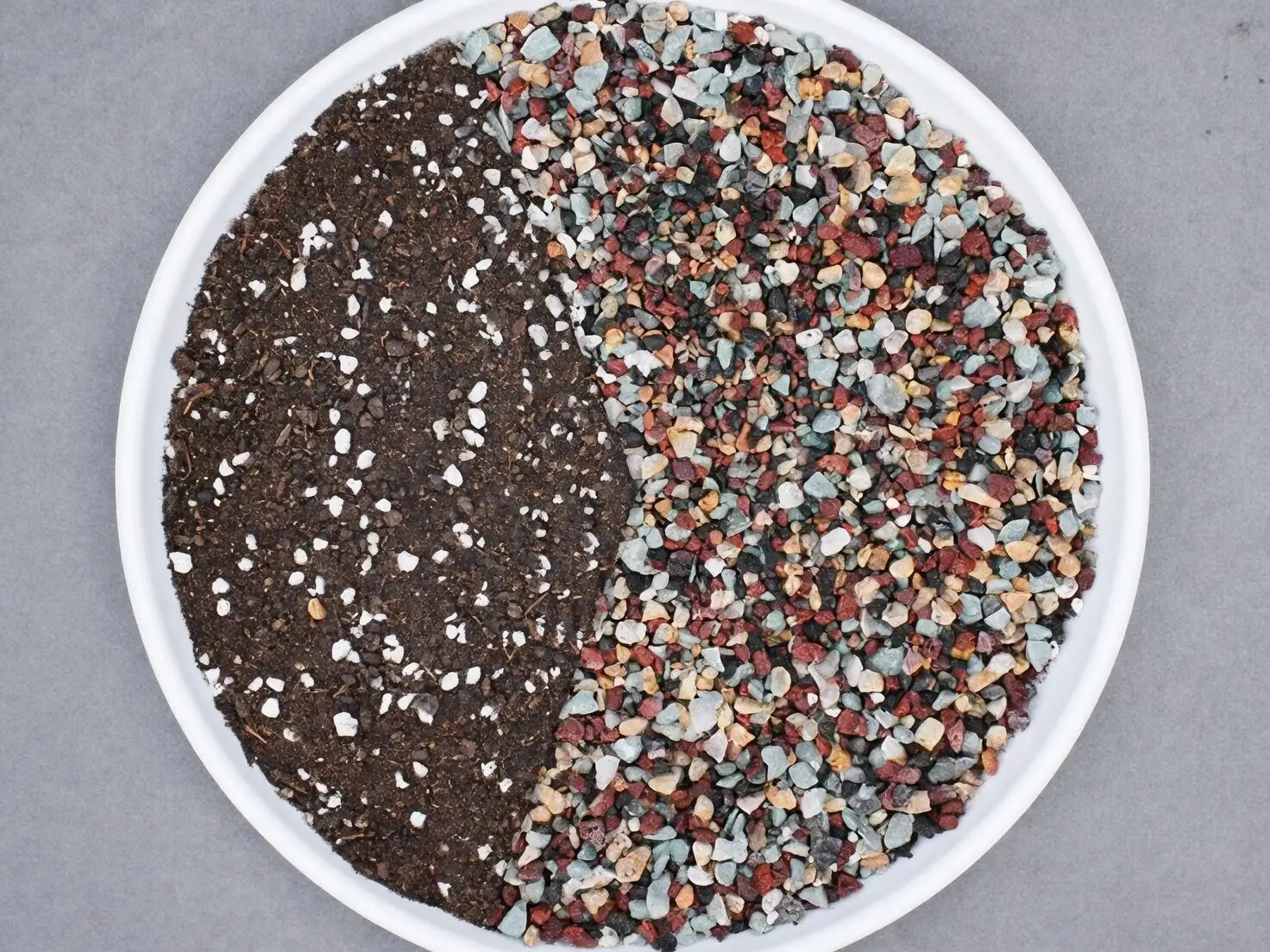
9) Grit lover: the right soil makes the sculpture
- Think fast-draining, mineral-rich: a modest organic base cut heavily with coarse sand, pumice, or grit.
- Pots need drainage holes. Avoid water‑retentive mixes at all costs—cold + wet is the classic path to root rot.
10) Warmth, not winter: its happy temperature window
- Sweet spot: about 18–25°C (64–77°F), with good growth from 15–27°C (59–81°F).
- USDA Zones 9–11 in dry, sheltered sites; protect from frost. The most dangerous combo? Cold and wet soil.
11) Air, not mist: humidity habits
- Elegans prefers dry air and robust airflow. Stagnant, humid conditions (especially when cool) invite disease.
- If extreme heat forces you to nudge humidity, mist the air around—not the rosette.
12) Light feeder, brighter demeanor
- During active growth (spring–summer), use a cactus/succulent fertilizer lightly—about 1/4 strength every 4–8 weeks.
- Some growers use a balanced-to-bloom formula diluted. Skip feeding in winter.
13) Propagation party: leaf, pup, or behead
- Offsets: quickest win—separate once rooted.
- Leaves: remove a healthy leaf cleanly, let it callus several days, then lay on dry, gritty mix; mist very sparingly until roots and a tiny rosette appear.
- Rosette/stem cuttings: behead a leggy plant, let cuts callus, and root in grit.
- Timing: reliable nearly year-round in warm, bright setups, with late summer to early autumn especially dependable. Roots often appear in ~20 days; pot up when 2–3 cm (0.8–1.2 in) long.
14) Troubleshoot like a pro
- Stretching/open rosette? It’s almost always low light (sometimes plus overwatering). Increase sun/grow‑light and let soil fully dry between drinks.
- Mushy, translucent lower leaves? Overwatering or poor drainage—refresh the mix to gritty and slow down watering.
- Pest hideouts: Check leaf axils for mealybugs; flower stalks may host aphids. Isolate, swab with isopropyl alcohol or use insecticidal soap. Good airflow is preventative gold.
15) Friendly beauty
- Generally considered low‑toxicity for people and pets. Still, nibbling any succulent can cause mild stomach upset—keep out of reach of curious mouths.
Care cheat sheet
- Light: Bright light to full sun; ease into stronger rays to avoid scorch.
- Water: Soak and dry; keep the rosette dry.
- Soil: Very fast-draining, gritty cactus/succulent mix; pot with drainage.
- Temperature: Best 15–27°C (59–81°F); protect from frost (Zones 9–11).
- Grooming: Remove dried lower leaves; cut spent flower stalks; behead and reroot if leggy.
A tiny extra: the hydro curveball
- Some growers experiment with water culture. If you try, don’t submerge all roots—keep part above the waterline, refresh water often, and use nutrients lightly in spring/autumn only. Risk of rot is higher than in gritty soil, so soil culture remains the easy path.
Symbolism, with a wink to modern “flower language”
- Elegans is often linked with quiet resilience, enduring love, and lasting beauty—fitting for a plant that stays composed through dry spells and keeps giving offsets.
- Think of this less as ancient folklore and more as contemporary horticultural sentiment: a living reminder that calm, steady care yields graceful rewards.
Ready to grow your own snowball? Give Echeveria elegans sun, grit, and breathing room—and it will repay you with a powder‑kissed rosette, charming bicolor bells, and a slowly expanding family of pups. Small wonder, indeed.