

Plant Features
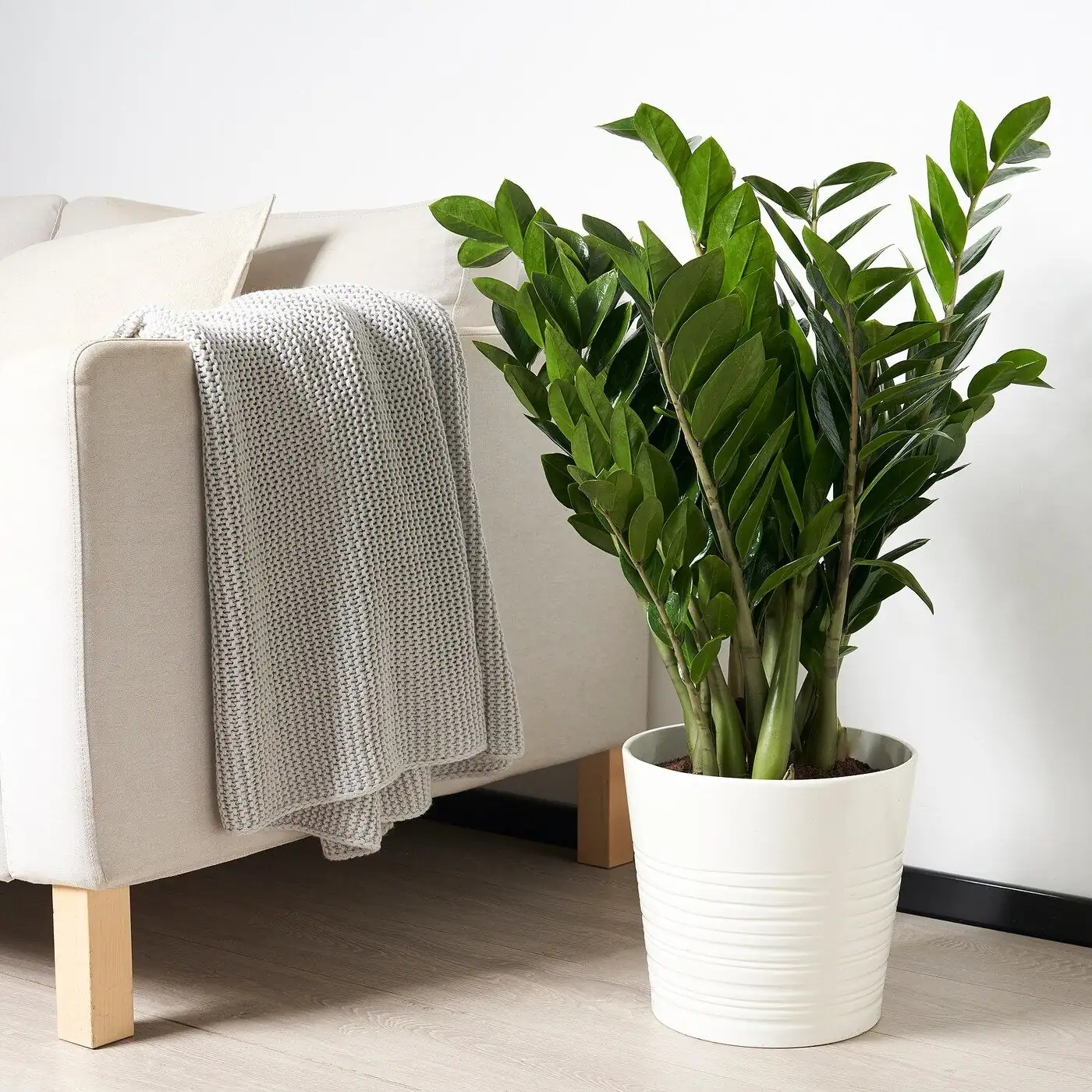
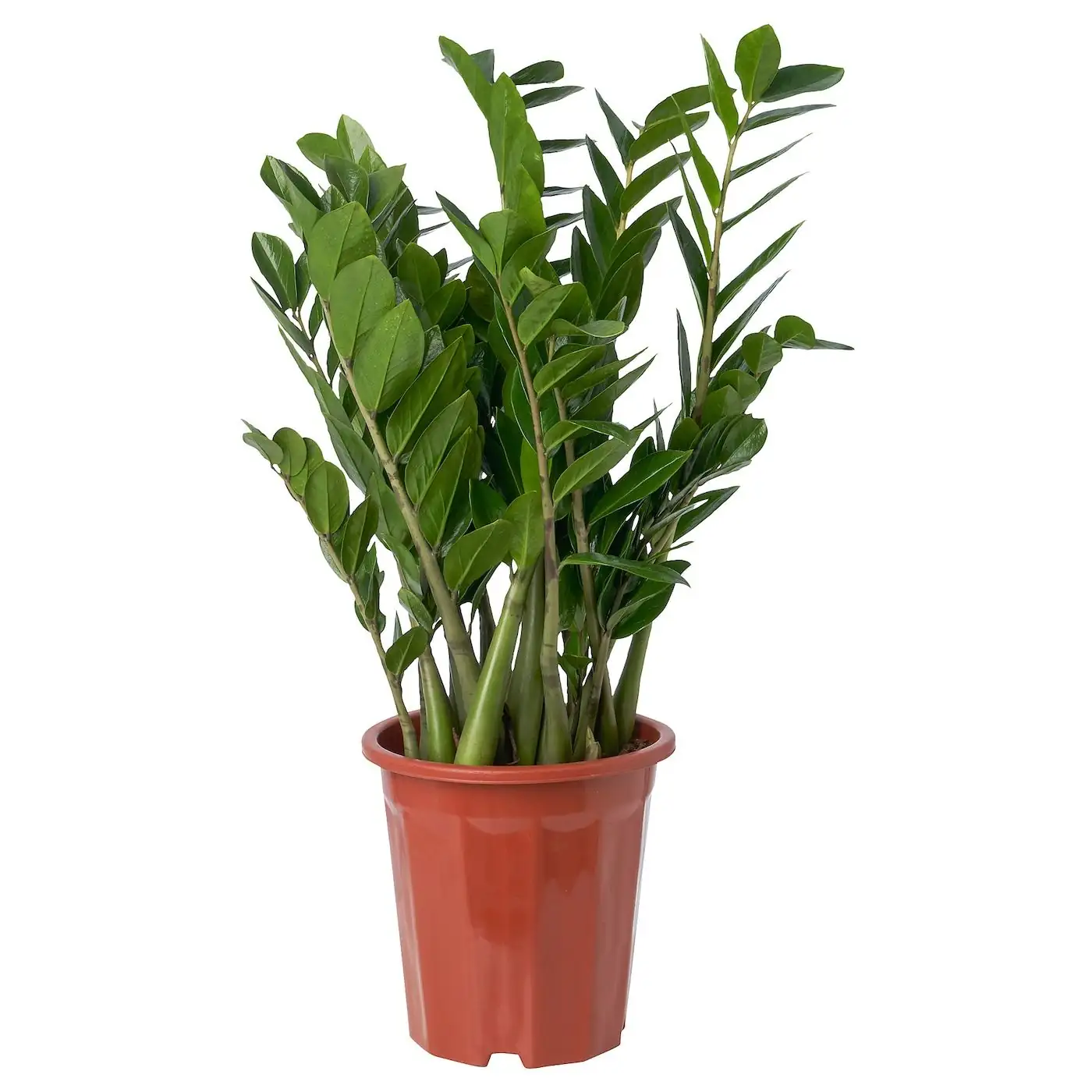
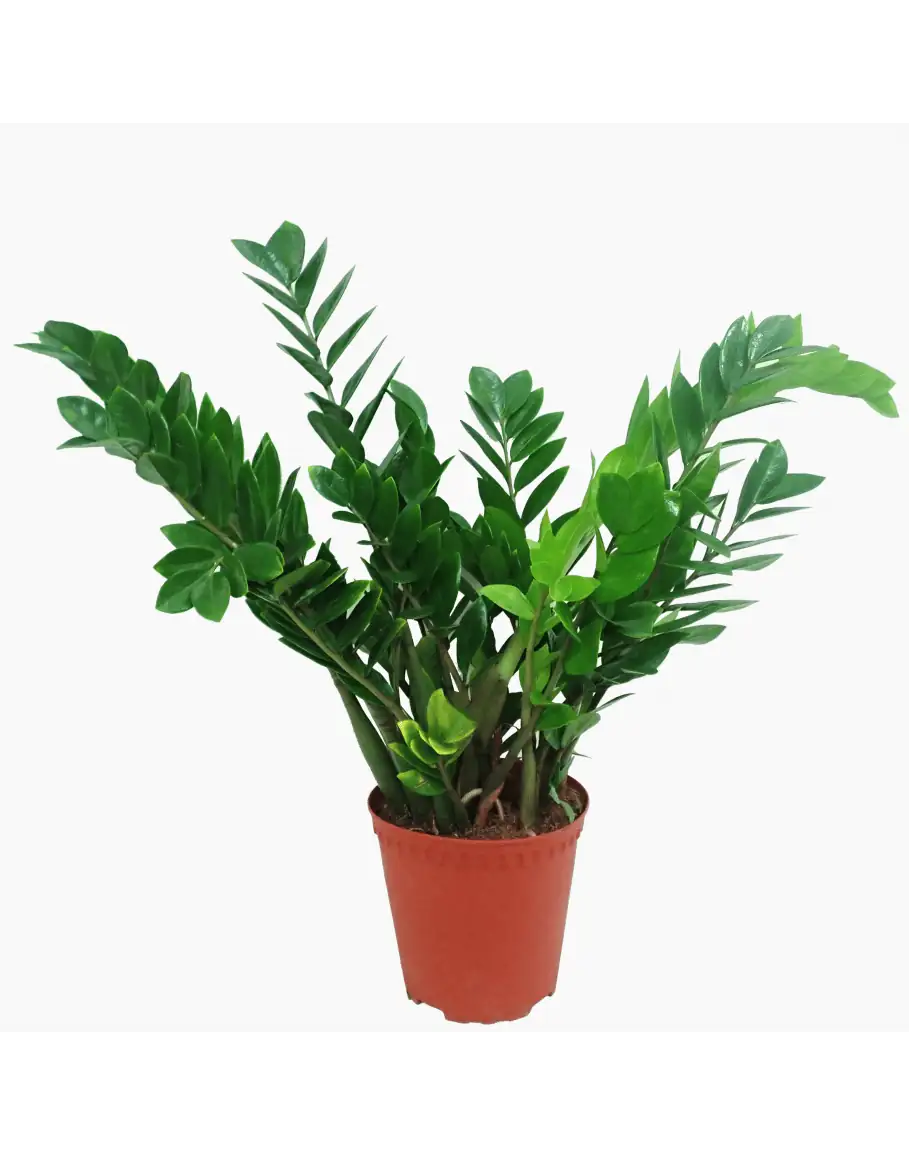
- Size: Typically about 45–120 cm (18–48 in) tall with a similar spread of roughly 45–120 cm (18–48 in), depending on age and pot size; many indoor plants stay around 60–90 cm (24–35 in).
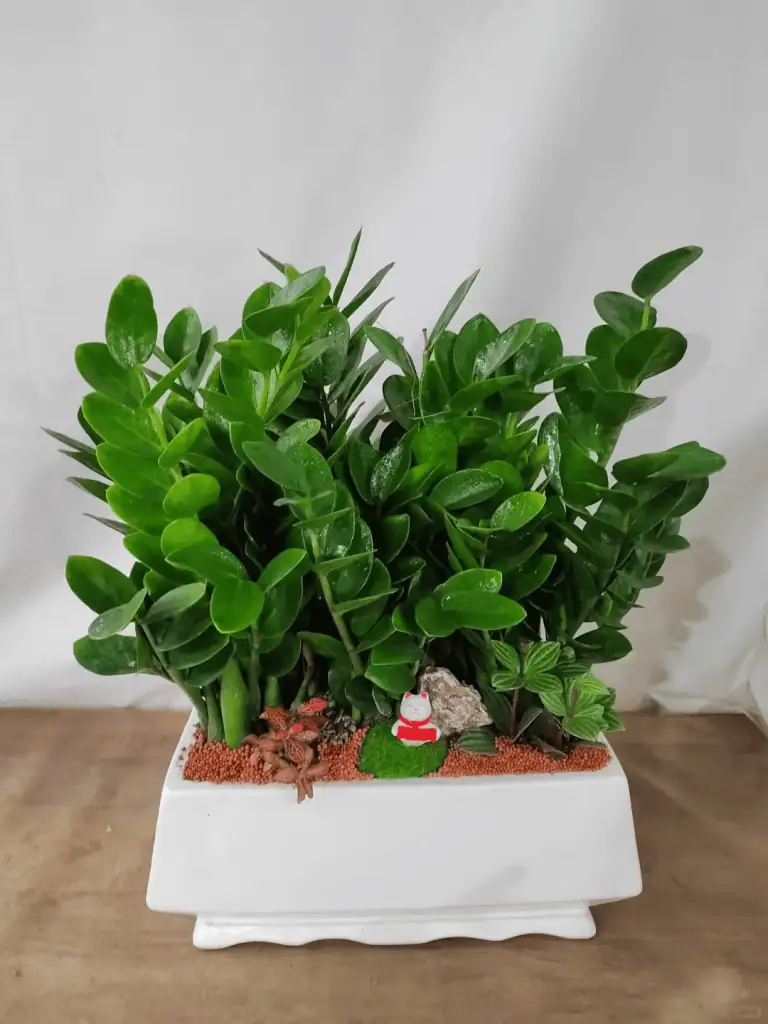
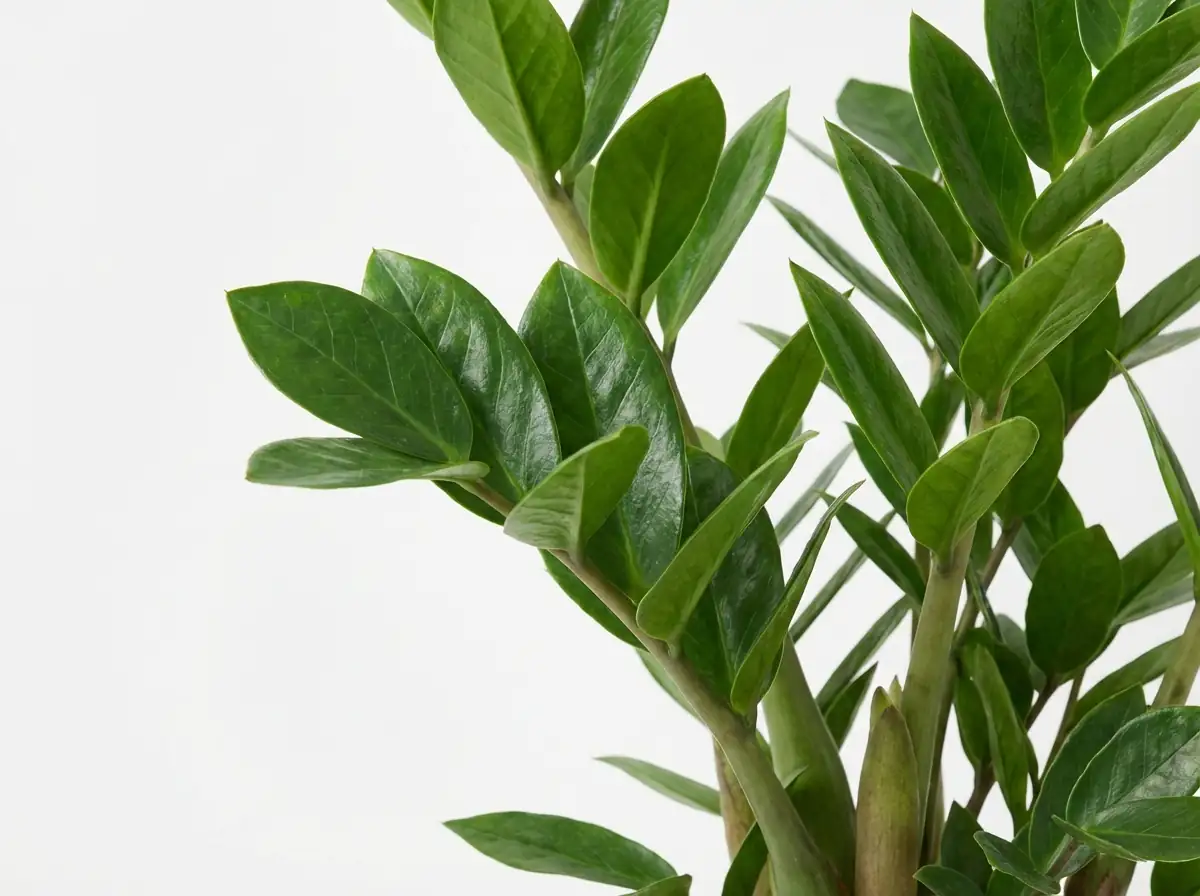
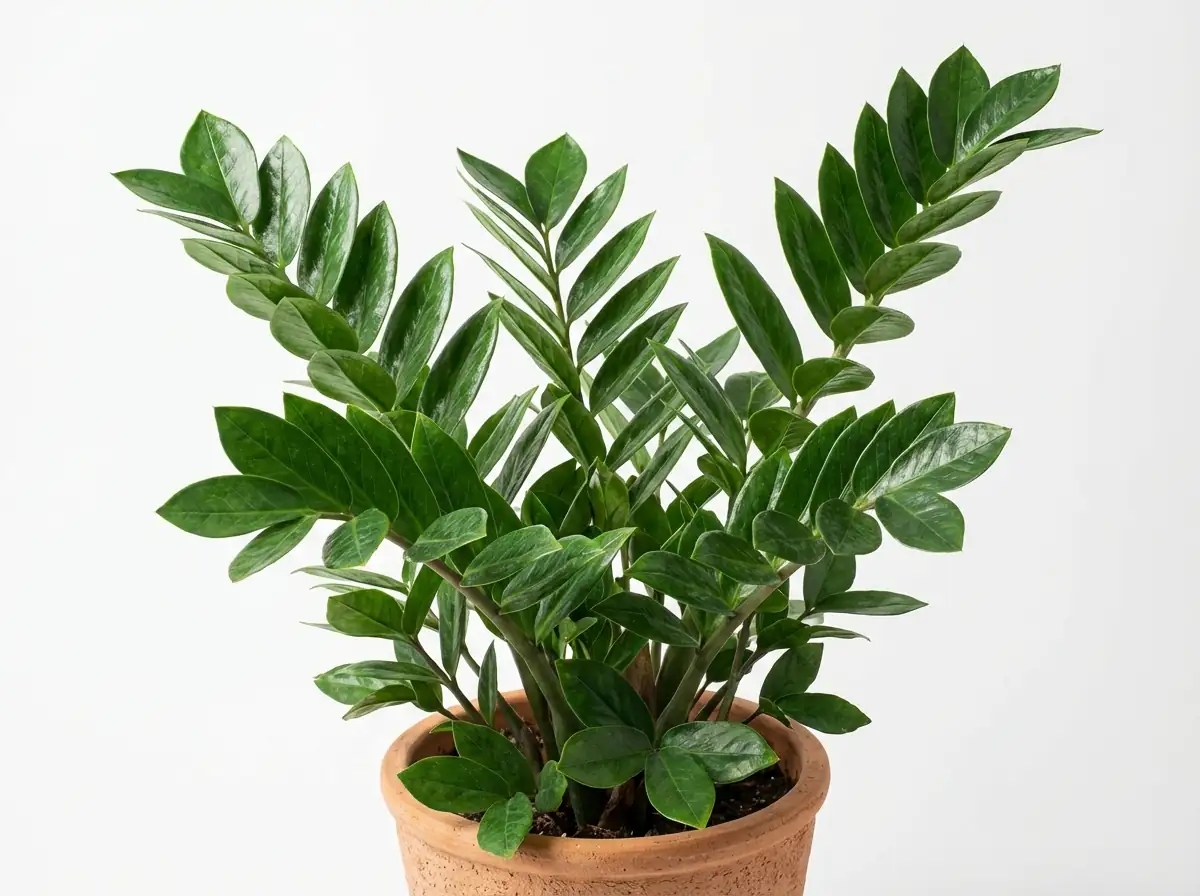
- Foliage: Upright to gently arching, fleshy stems carry rows of thick, waxy, extremely glossy leaflets (rounded to elliptic). Leaflets are often about 7.5–12.5 cm (3–5 in) long, arranged in paired rows along each compound leaf (commonly around 6–8 pairs). Healthy foliage looks firm, plump, and polished, with minimal spotting.
- Flower: Flowering indoors is uncommon. When it does bloom, it produces a small arum-style spadix with a spathe (pale green to cream, sometimes yellow-brown), usually tucked near the base of the plant—more of a curiosity than a showstopper.
- Flowering Season: Sporadic; most likely spring to summer (rare in cultivation, especially indoors).
- Growth Habit: Upright, clump-forming perennial arising from thick underground rhizomes that spread laterally. Naturally slow growing; offsets may form and can be divided.
Environment
Sunlight
Bright, indirect light is ideal, but it tolerates low light and even fluorescent lighting. Avoid harsh, prolonged direct sun, which can scorch leaves; in summer, keep it out of strong midday rays.
Temperature
Best in warm indoor temperatures around 15–30°C (59–86°F). Keep reliably above about 10°C (50°F); avoid prolonged chills, cold drafts, and temperatures below about 7°C (45°F).
Humidity
Average household humidity is perfectly fine; it tolerates dry indoor air well. Occasional light misting can help during very dry periods, but don’t keep foliage constantly wet.
Soil
Fast-draining, airy mix is key (e.g., standard houseplant mix amended with perlite/coarse sand; commonly around a 2:1 mix of potting soil to grit). Slightly acidic to neutral is fine (about pH 6.0–7.0). Always use a pot with drainage holes—waterlogged soil is the quickest route to rot.
Placement
Great for living rooms, bedrooms, offices, and low-light corners. Near an east-facing window or set back from brighter south/west windows works well; in winter, give it the brightest spot you can. Keep away from heating/AC vents, cold drafts, and nibbling pets/children due to toxicity.
Hardiness
USDA Zones 9–11 (sometimes listed 10–12); not frost hardy and best treated as a houseplant outside truly warm climates.
Care Guide
Difficulty
Easy overall and very forgiving of missed waterings, but it strongly dislikes cold, harsh sun, and soggy soil. Overwatering is the most common problem.
Buying Guide
Choose a plant with firm, upright stems and clean, glossy leaves—avoid yellowing, soft stems, spotting, or a sour smell in the pot (possible rot). Check leaf bases and stems for scale/mealybugs. If you can see/feel the rhizomes, they should be plump and firm; some guides use ~3 cm (1.2 in) rhizome diameter as a “good quality” benchmark.
Watering
Let the mix dry well between waterings. A reliable rule: water thoroughly, then wait until the pot feels light and the soil is dry (at least the top 2.5–5 cm / 1–2 in; often closer to fully dry for safety). Typical timing indoors is about every 2–4 weeks in spring–fall and every 4–6+ weeks in winter, but adjust to light, pot size, and temperature. Never leave the pot sitting in water—cool + wet soil can quickly cause rhizome/root rot.
Water culture (hydro-style display): You can grow ZZ in water for décor. Rinse roots clean; keep the rhizome and about 1/3 of the roots above the waterline, with about 2/3 submerged, and use clean pebbles for support. Start with plain water; after ~3–4 weeks add a small amount of hydroponic nutrient. Change water every 5–7 days in summer and about every 2 weeks in spring/autumn; in winter use plain water and keep temperatures above 10°C (50°F).
Fertilization
Light feeding is plenty. During active growth (spring through early fall), feed at half strength: either monthly, or up to every 2 weeks if the plant is in bright light and actively growing. Stop fertilizing in winter or when temperatures drop below about 15°C (59°F).
Pruning
Pruning is mostly for tidiness: remove yellowing or damaged stems at the base with clean, sharp pruners. Wipe leaves to keep their natural shine. Wear gloves if you’re sensitive to sap.
Propagation
Most practical: divide rhizomes/offsets during repotting (late spring to early summer is ideal). You can also propagate from leaflets or stem cuttings, but it’s slow—cuttings may take months to form new rhizomes before they really take off. If cutting rhizomes, let cut surfaces dry/callus briefly before potting to reduce rot risk.
Repotting
Repot only when crowded—roughly every 2–3 years (sometimes 1–2 years for fast-growing, well-lit plants). ZZs actually like being a bit snug. Choose a pot just 2.5–5 cm (1–2 in) wider than the current one; avoid oversized pots. Repot in spring/summer. When planting, many growers keep the top of the rhizome about 2 cm (0.8 in) below the soil surface.
📅 Seasonal Care Calendar
Spring: best time to repot/divide; resume light feeding; water a bit more as growth starts.
Summer: keep out of strong direct sun; water only after the mix dries well (often every 1–3 weeks depending on conditions). If in water culture, change water every 5–7 days.
Autumn: growth slows—reduce watering; reduce/stop fertilizer.
Winter: brightest spot indoors; water sparingly (often monthly or less); no fertilizer; keep warm and away from drafts (preferably above 10°C/50°F).
Pests, Diseases & Safety
Common Pests & Diseases
Usually trouble-free. Possible pests include mealybugs, scale, aphids, spider mites, and fungus gnats. Treat early by wiping pests off (cotton swab with rubbing alcohol works well for scale/mealybugs), rinsing foliage, and using insecticidal soap or neem oil as needed. The biggest health issue is root/rhizome rot from overwatering or cold, wet soil—symptoms include yellowing, soft/mushy stems, and a sour smell. Fix by letting the mix dry, improving drainage, removing rotted parts, and repotting into a faster-draining mix. Leaf spot can show up with poor airflow or constantly wet foliage—improve ventilation and avoid overhead wetting.
Toxicity
Toxic if chewed or ingested by people or pets (contains calcium oxalate crystals typical of aroids). Sap can irritate skin and mouth; keep out of reach of children/pets and wash hands after handling (gloves are a good idea for pruning/repotting).
Culture & Symbolism
Symbolism: A classic “prosperity plant” in popular culture and Feng Shui—its upward stems suggest steady growth, and the glossy, coin-like leaflets are widely linked with wealth, good luck, resilience, and fresh starts.
History & Legends: Although native to East Africa, the ZZ plant became a modern houseplant superstar relatively recently, taking off internationally after large-scale nursery propagation in the late 1990s. In many Asian markets (including Taiwan), it’s especially popular as a lucky, giftable foliage plant thanks to its tidy look and ability to survive a bit of neglect.
Uses: Primarily an ornamental indoor foliage plant for homes, offices, and commercial interiors. It’s prized as an easy, low-light “green backdrop” and is also commonly displayed in decorative water culture. It’s often promoted as an air-cleaning plant (a nice bonus), but its real superpower is toughness and style.
FAQ
How often should I water my ZZ plant?
Only after the potting mix has dried well and the pot feels light. Many homes end up watering about every 2–4 weeks in spring–fall and every 4–6+ weeks in winter. When in doubt, wait—ZZ is far happier under-watered than over-watered.
Why are my ZZ plant leaves or stems turning yellow?
Most often it’s overwatering or poor drainage. Let the soil dry much more between waterings, make sure the pot has drainage holes, and consider switching to a faster-draining mix. If stems are soft/mushy, check for rot and repot after removing damaged parts.
Can ZZ plants grow in low light?
Yes—low light tolerance is one of their claim-to-fame traits. Just expect slower growth and a looser look. Bright, indirect light keeps it denser and speeds growth.
How do I grow a ZZ plant in water (water culture)?
Rinse the roots and set it so the rhizome and about 1/3 of the roots stay above the waterline, with about 2/3 submerged. Use clean pebbles for support. Start with plain water; after about 3–4 weeks add a small amount of hydroponic nutrient. Change water every 5–7 days in summer and about every 2 weeks in spring/autumn; in winter use plain water and keep it warm (above 10°C/50°F).
Is it normal for a ZZ plant to grow slowly?
Completely normal. ZZ plants are naturally slow growers and may only put out a few new stems a year, especially in low light.
Fun Facts
- Those thick underground rhizomes are water-storage “tanks,” which is why ZZ can go a long time between waterings.
- Flowering indoors is rare—if you spot a small spadix near the base, you’ve witnessed a special moment.
- It tolerates low light so well that it’s a favorite for offices and interior corners—though it won’t grow much in deep shade.
- The name Zamioculcas zamiifolia points to its Zamia-like foliage (Zamia are cycads), which is why people sometimes think it looks ‘ancient’ or ‘prehistoric.’
- It’s widely marketed as an air-cleaning plant; regardless of the hype, it’s genuinely excellent at staying attractive with minimal care.


