

Plant Features
- Size: Up to about 25 m (82 ft) tall; crown typically broadly oval.
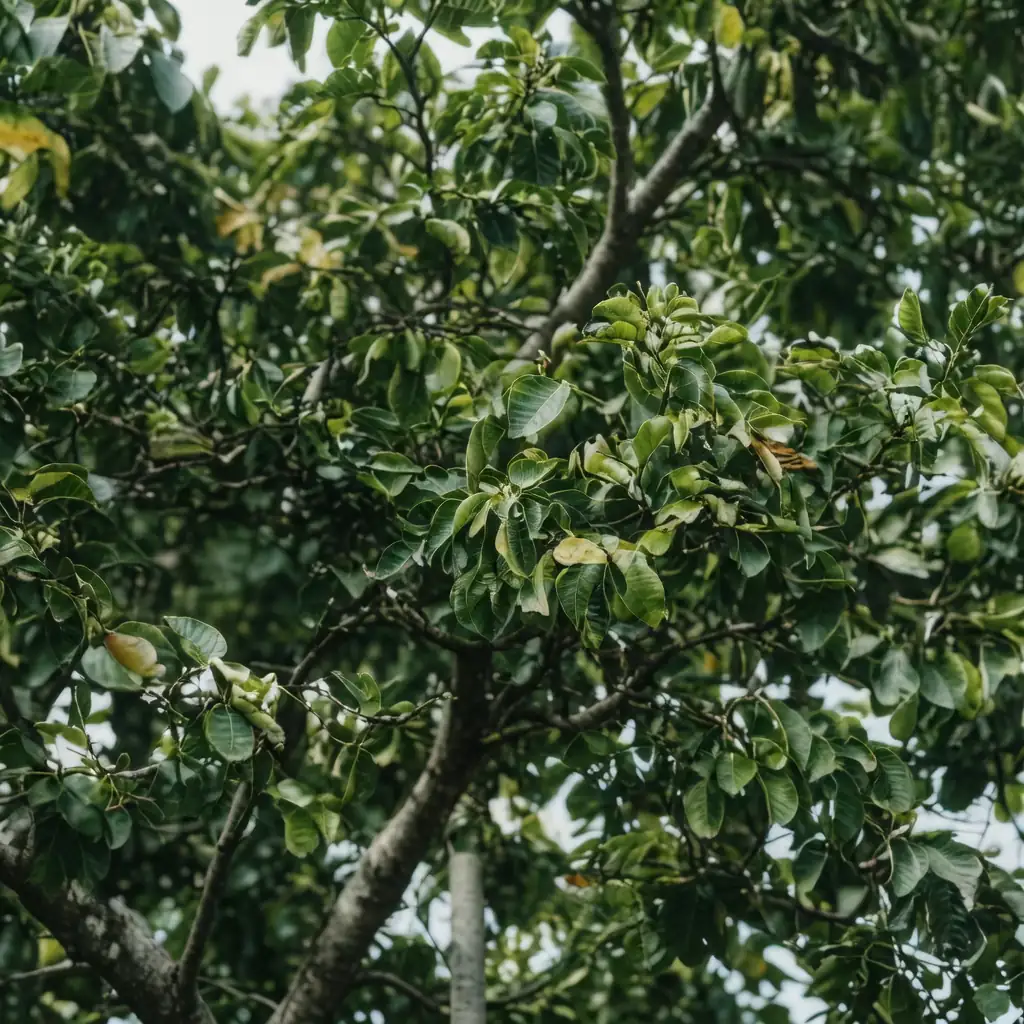
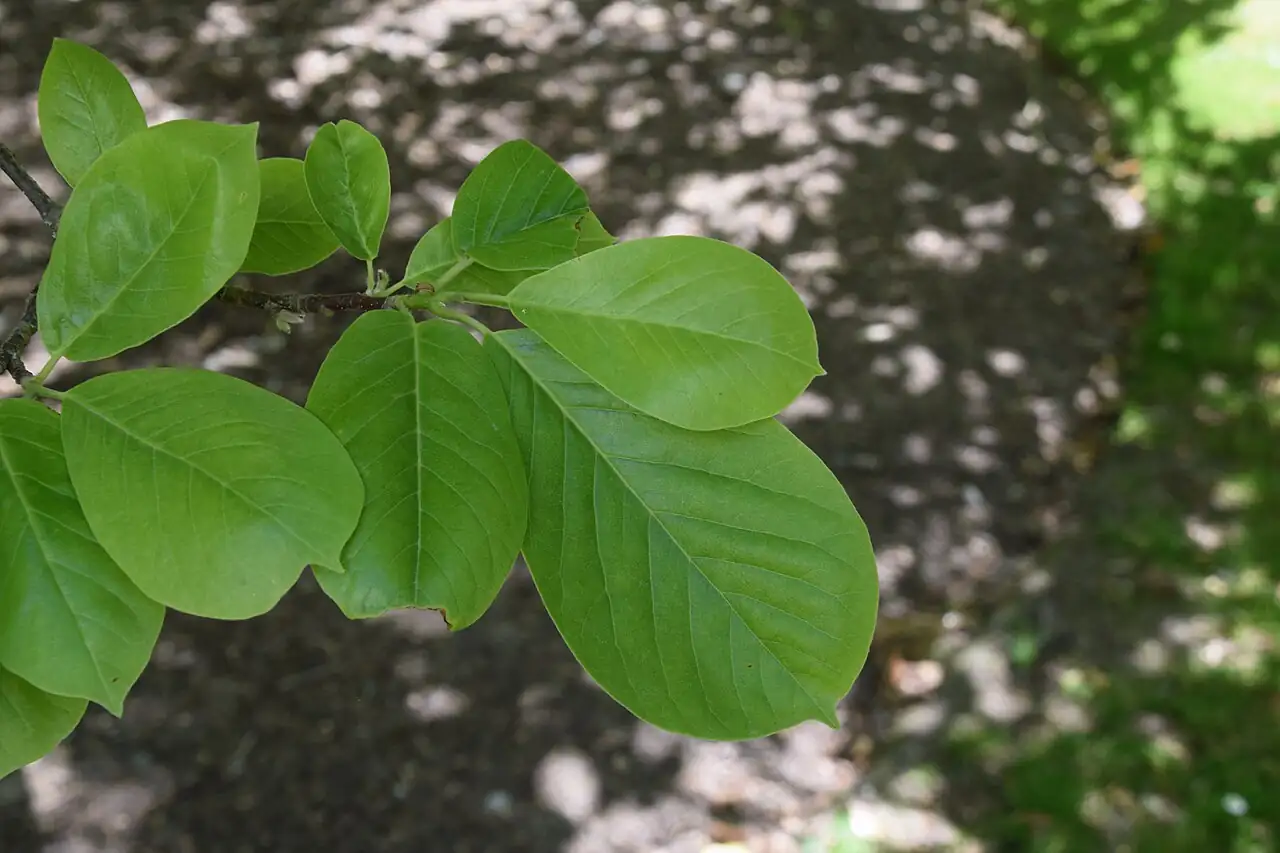
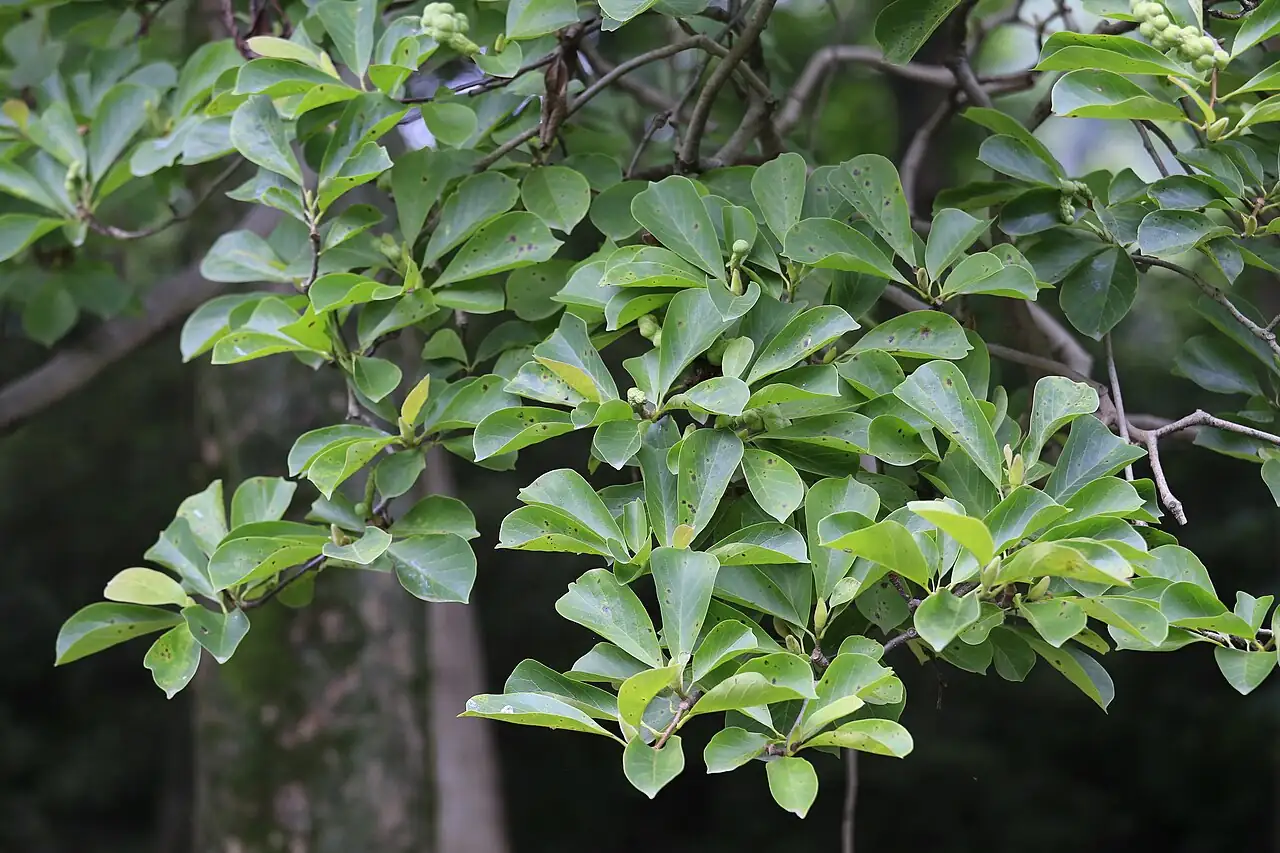
- Foliage: Leaves are broadly obovate with a rounded or blunt tip and a small point; leaf stalks (petioles) are softly hairy. The tree typically flowers before leaf-out, so foliage arrives after the main spring show.
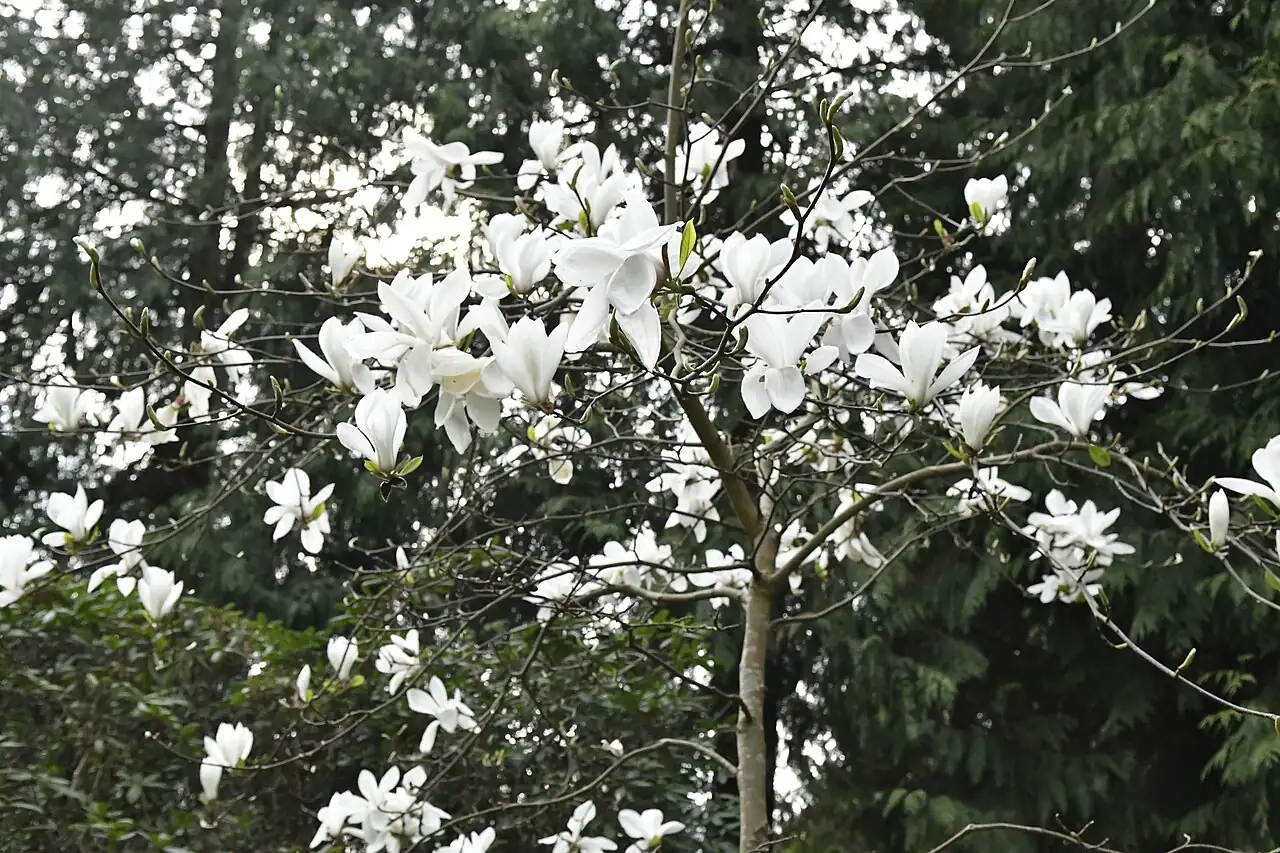
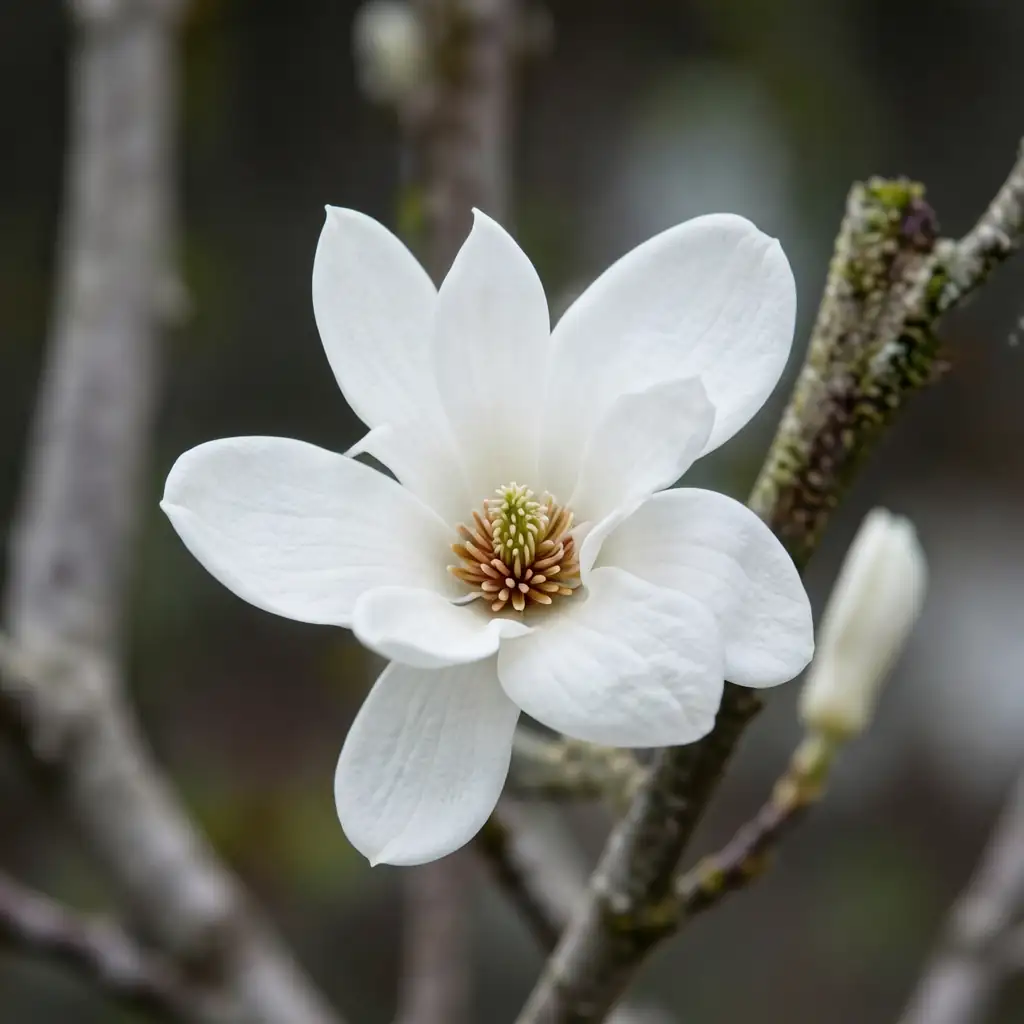
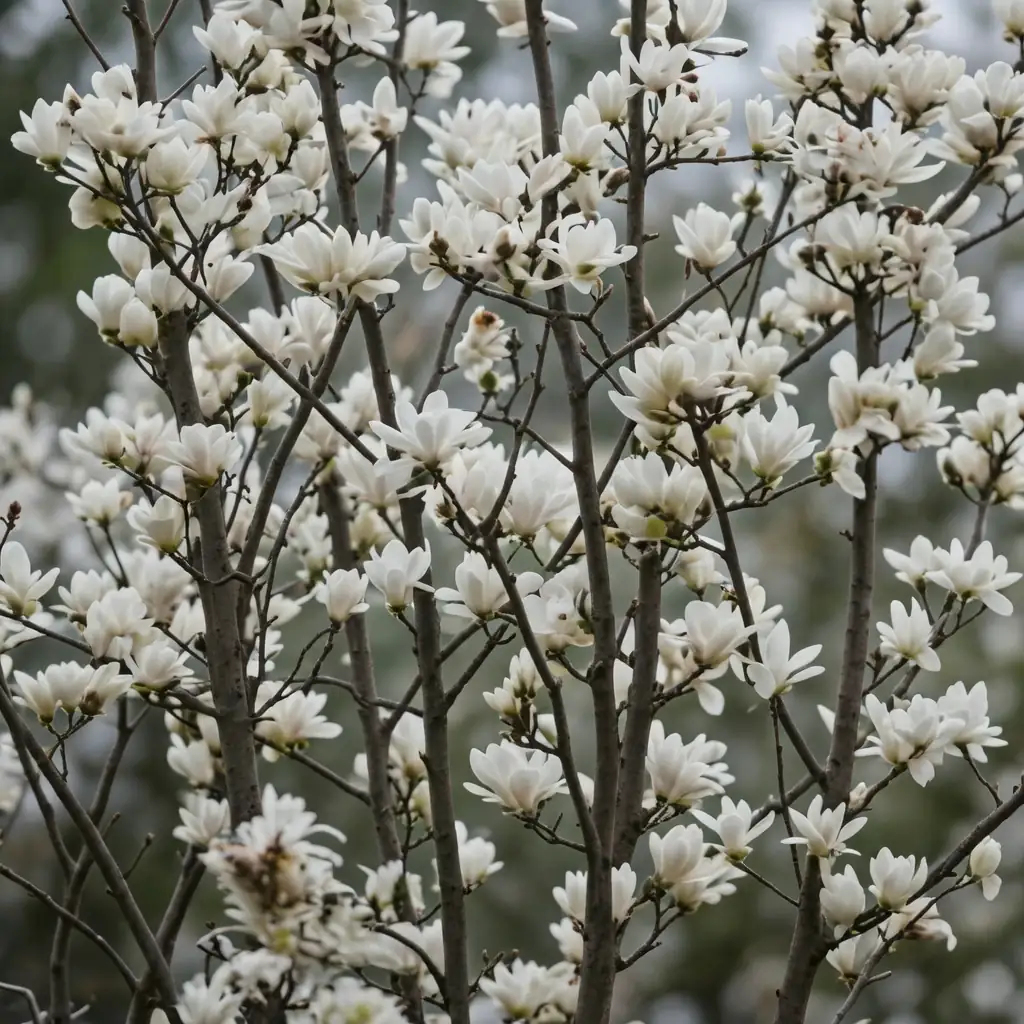
- Flower: Flowers open before the leaves and are borne singly at shoot tips. Blooms are very large and strongly fragrant, typically about 12–15 cm (4.7–5.9 in) across, with white, petal-like tepals (commonly around 9). On a cool spring morning, the flowers can look almost porcelain against the bare branches.
- Flowering Season: March–April
- Growth Habit: Deciduous, upright tree with an oval crown; slow-growing and long-lived. Best treated as a permanent, settled-in specimen rather than something to move around.
Environment
Sunlight
Full sun to light shade (best flowering in full sun).
Temperature
Cold tolerant; prefers cool-to-temperate climates. Roughly 5–25°C (41–77°F) during active growth is ideal; protect from extreme heat and drying winds, which can stress buds and dry soil quickly.
Humidity
Prefers evenly moist conditions; moderate to high humidity is beneficial. Avoid letting the site swing between soggy and bone-dry.
Soil
Deep, fertile, moisture-retentive but well-drained soil. Neutral to slightly acidic is ideal, though it can tolerate mildly alkaline soils if drainage is good. Consistent moisture plus air in the root zone is the winning combination.
Placement
Outdoors in gardens, parks, and streetscapes. Excellent as a specimen tree near an entry, patio, lawn, or courtyard where fragrance can be enjoyed; also works well in avenues. Looks especially good with other spring bloomers (e.g., camellias) or paired with pines and rocks in traditional-style plantings.
Hardiness
Hardy in USDA Zone 5–8 (approx.). Avoid waterlogged, low-lying sites; fleshy roots are prone to rot. Dislikes transplanting and heavy pruning; relatively tolerant of urban air pollution (including sulfur dioxide).
Care Guide
Difficulty
Moderate: it’s not fussy day-to-day once established, but it can be challenging because it resents transplanting and hard pruning. Success mostly comes down to choosing the right site (deep, fertile, well-drained soil) and avoiding waterlogging, which can rot its fleshy roots.
Buying Guide
Choose a healthy plant with an intact, firm root ball and no sour smell or blackened roots. Avoid pot-bound specimens and trees that have been repeatedly moved or root-pruned; plan the planting spot carefully because established plants dislike relocation.
Watering
Keep soil evenly moist, especially in the first 1–2 years after planting. Water deeply, then allow the top layer to dry slightly; do not leave the roots sitting in water. Good drainage is essential because the fleshy roots can rot in soggy soil.
Fertilization
Feed in early spring with a balanced, slow-release fertilizer or well-rotted compost. Avoid excessive nitrogen, which can encourage lush leafy growth at the expense of flowers.
Pruning
Minimal pruning only. If needed, remove dead, damaged, or crossing branches right after flowering; avoid hard pruning because the tree responds poorly and you may remove next year’s flower buds.
Propagation
Commonly propagated by seed (often requiring cold stratification) or by grafting/budding in nurseries to maintain reliable flowering.
Repotting
Not typically a container plant long-term. If grown in a pot when young, up-pot carefully in early spring, disturbing roots as little as possible. Use a deep container with excellent drainage.
📅 Seasonal Care Calendar
Flowers: March–April. Fruit: August–September. In spring, feed lightly and maintain steady moisture; through the growing season, keep soil evenly moist but never waterlogged. During rainy periods, monitor drainage closely; avoid moving the plant or doing heavy pruning.
Pests, Diseases & Safety
Common Pests & Diseases
Generally trouble-free when well sited. Potential issues include scale insects, aphids, and occasional fungal leaf spots. Root rot can occur in poorly drained soils—prevent by improving drainage, watering deeply but less often, and avoiding standing water.
Toxicity
Not generally considered highly toxic to people or pets; however, chewing or ingesting plant parts (bark, buds, seeds) can cause mild stomach upset. It’s best to discourage pets from nibbling.
Culture & Symbolism
Symbolism: Often associated with purity, elegance, and the first breath of spring—refined, calm, and quietly luxurious when it blooms on bare branches.
History & Legends: Long cultivated in China as a prestigious garden tree, celebrated for its early-spring fragrance and stately form. It is especially associated with Shanghai, where it is honored as the official city flower.
Uses: Primarily grown as a high-value ornamental for early spring display. Commonly planted as a specimen or in rows near entrances, lawns, roadsides, and pavilions; pairs beautifully with other spring bloomers and with evergreen pines and landscape stones for a classic garden composition.
FAQ
When does it flower?
Typically March–April, often before the leaves emerge.
When does it set fruit?
Typically August–September.
How tall can it get?
Up to about 25 m (82 ft) in favorable conditions.
What growing conditions does it prefer?
Full sun to light shade; cool-to-temperate conditions; deep, fertile, evenly moist but well-drained soil (neutral to slightly acidic is best). Avoid waterlogged sites because the fleshy roots can rot, and try not to transplant or prune heavily.
Where is it native and where is it commonly planted?
It is endemic to China and widely planted in parks and urban landscapes across many Chinese cities; it is the official city flower of Shanghai.
Fun Facts
- It’s endemic to China and one of the most iconic early-spring flowering trees in Chinese gardens.
- It is the official city flower of Shanghai.
- The showy white “petals” are actually tepals—sepals and petals look so similar they’re hard to tell apart (often around nine tepals).
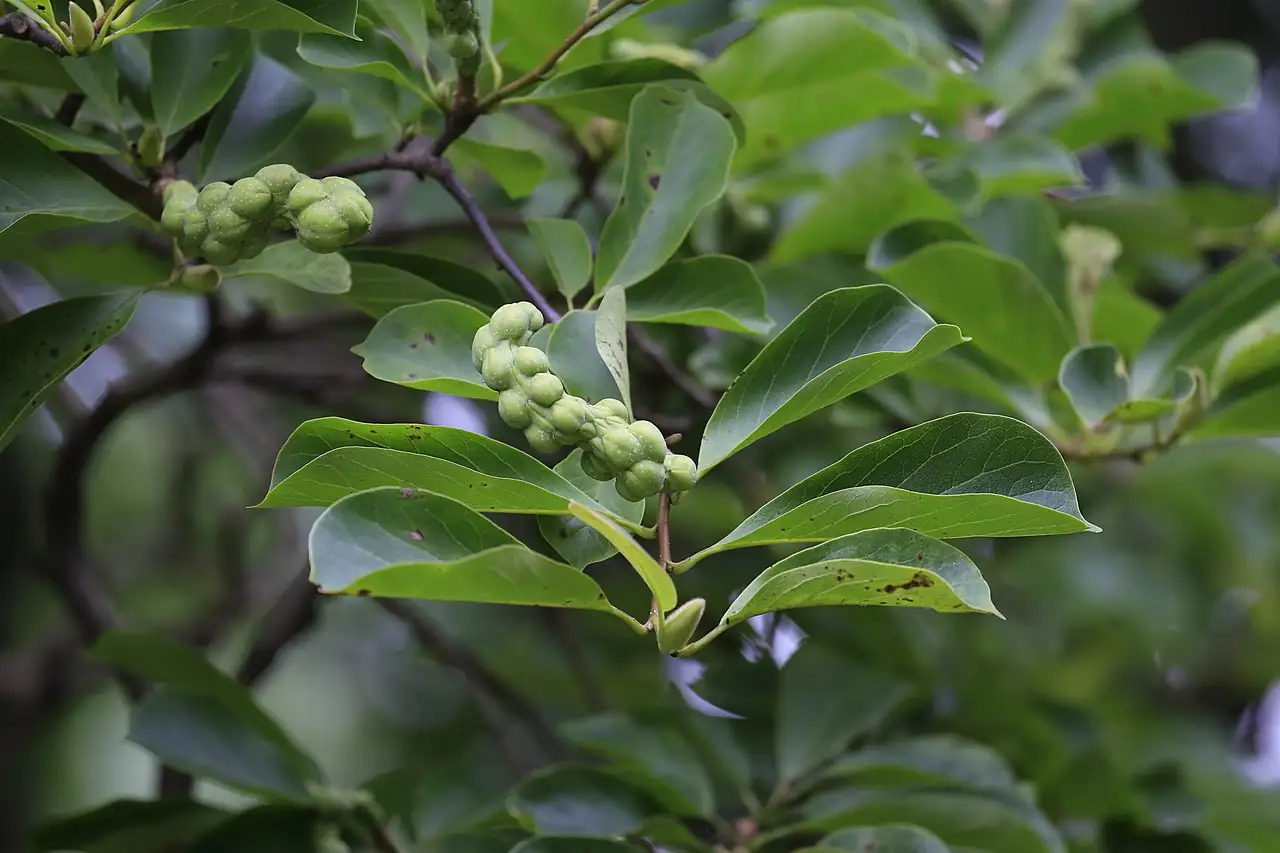
- Its fruit is a woody, cylindrical aggregate that splits open to reveal bright red seeds.
- Because it blooms before leaf-out, the flowers look especially dramatic against bare branches.


