Plant Features
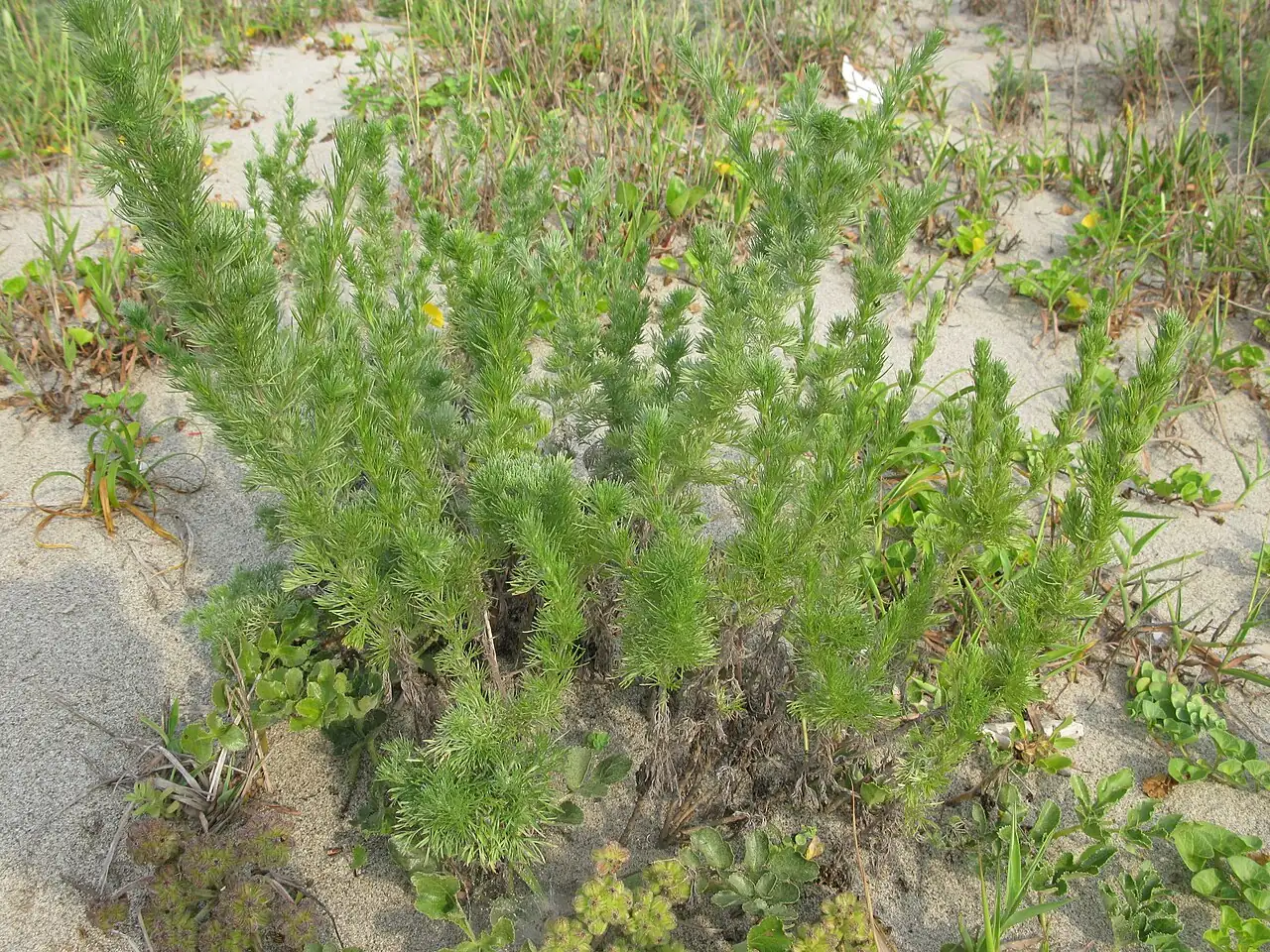
- Size:40–120 cm (16–47 in) tall; typically forms clumps or spreading patches depending on site conditions.
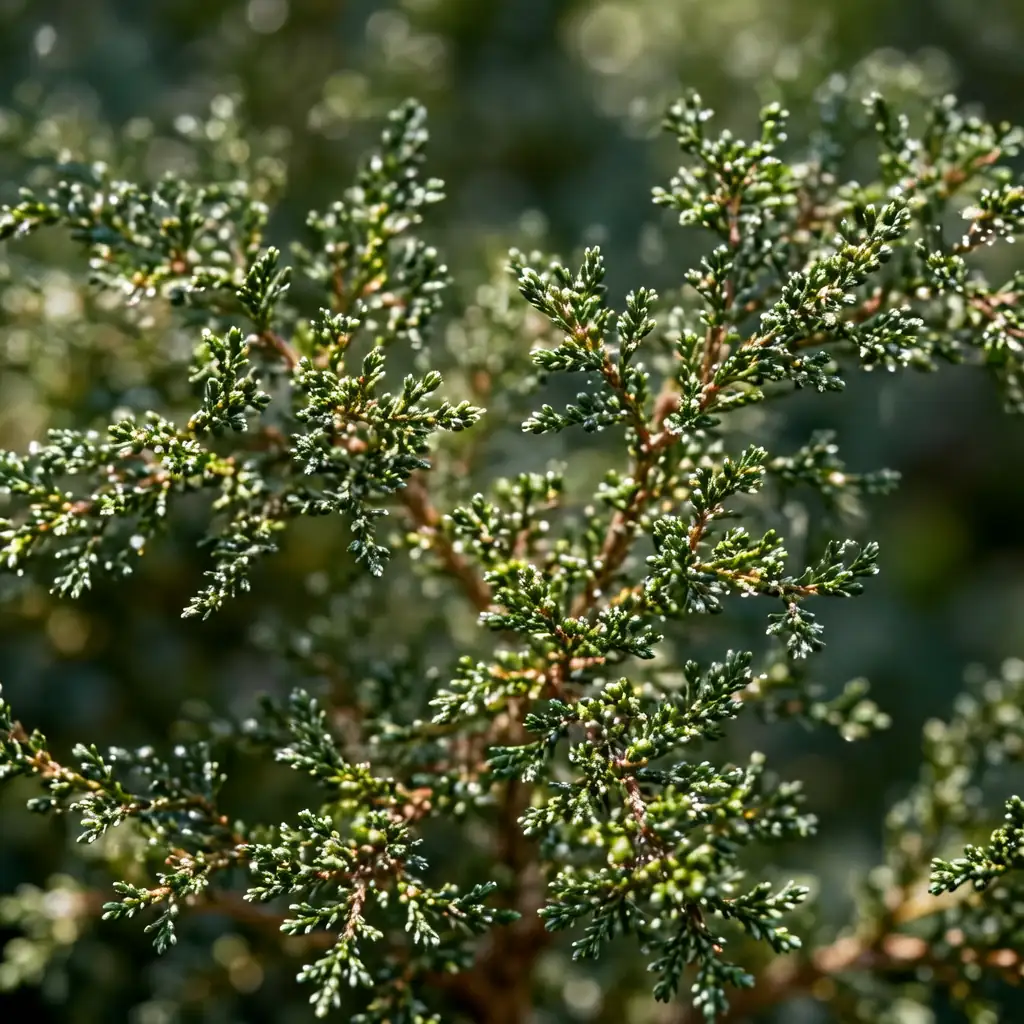
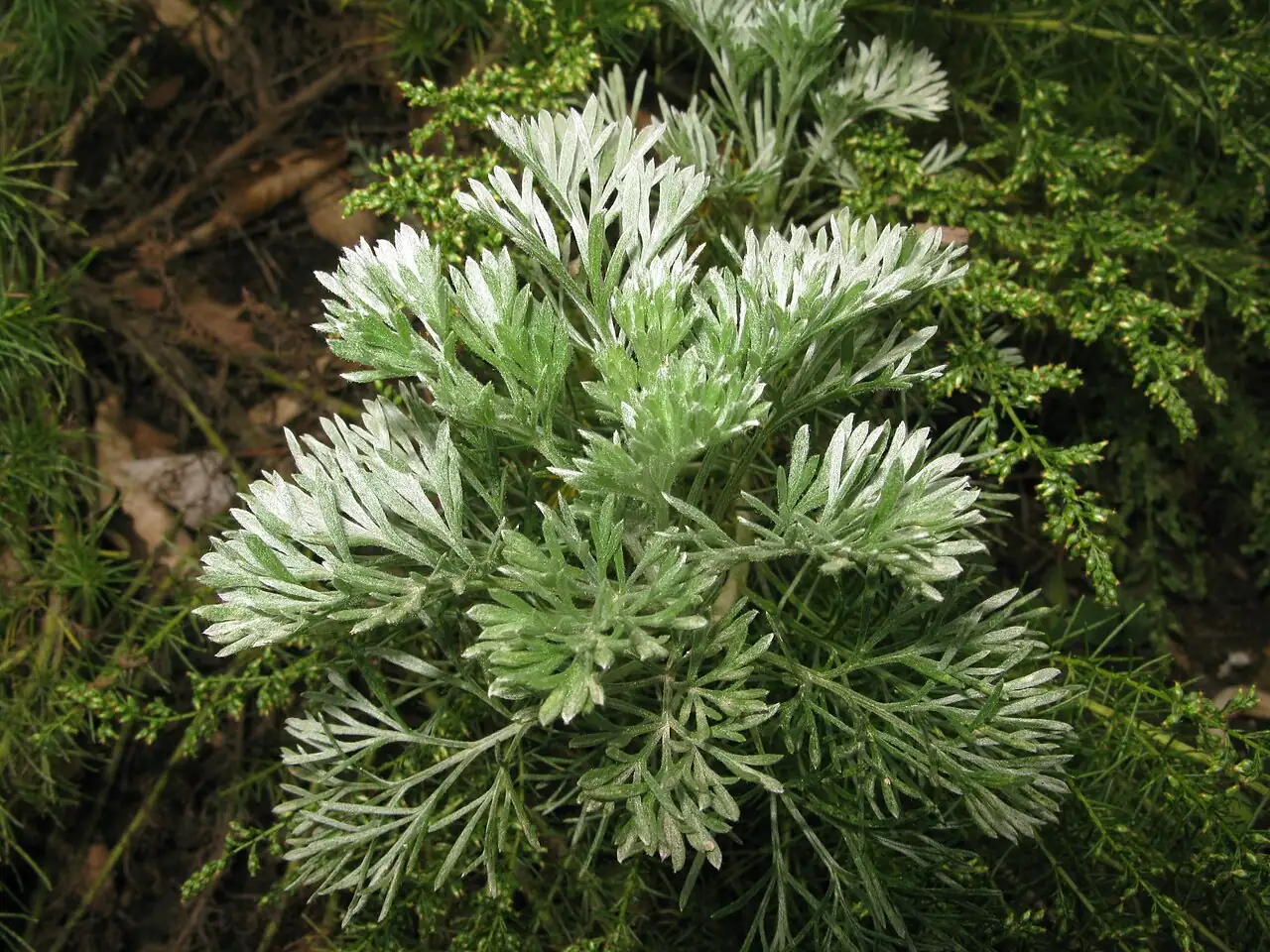
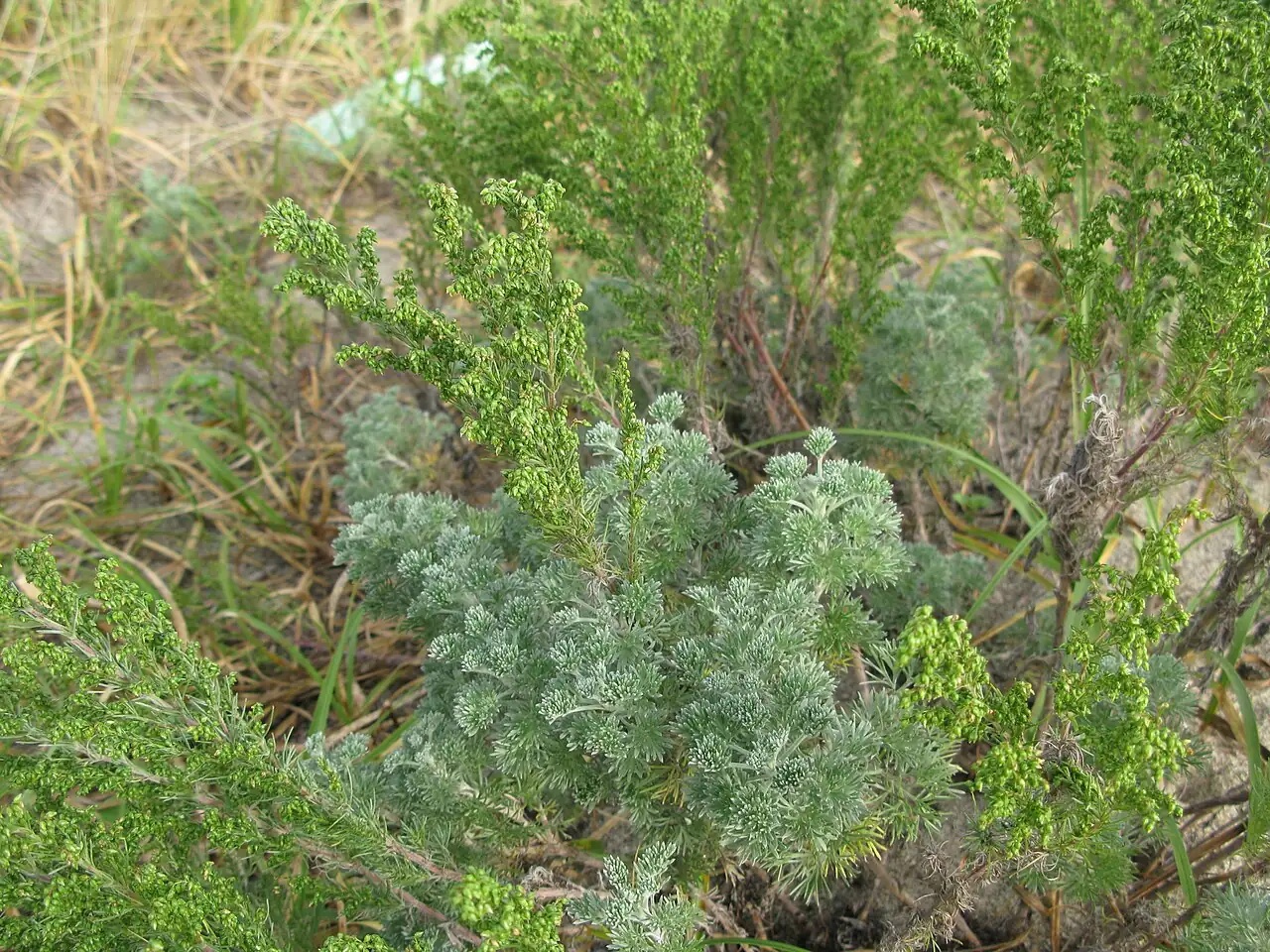
- Foliage: Strongly scented, with basal leaves often crowded into a rosette. Leaves are oval to elliptic in overall outline but deeply divided (2–3 times pinnatisect) into narrow segments, creating a delicate, ferny texture. The main root becomes noticeably woody with age, supporting its semi-shrubby feel.
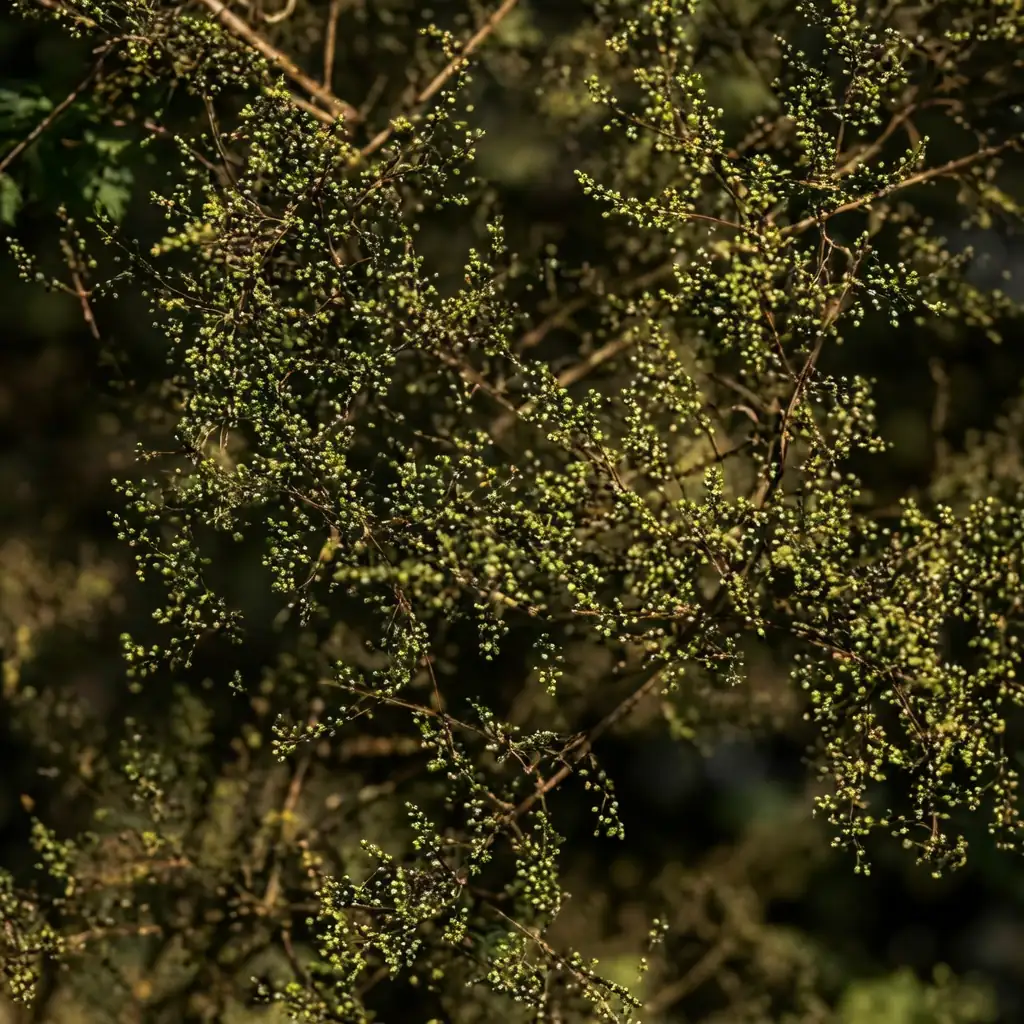
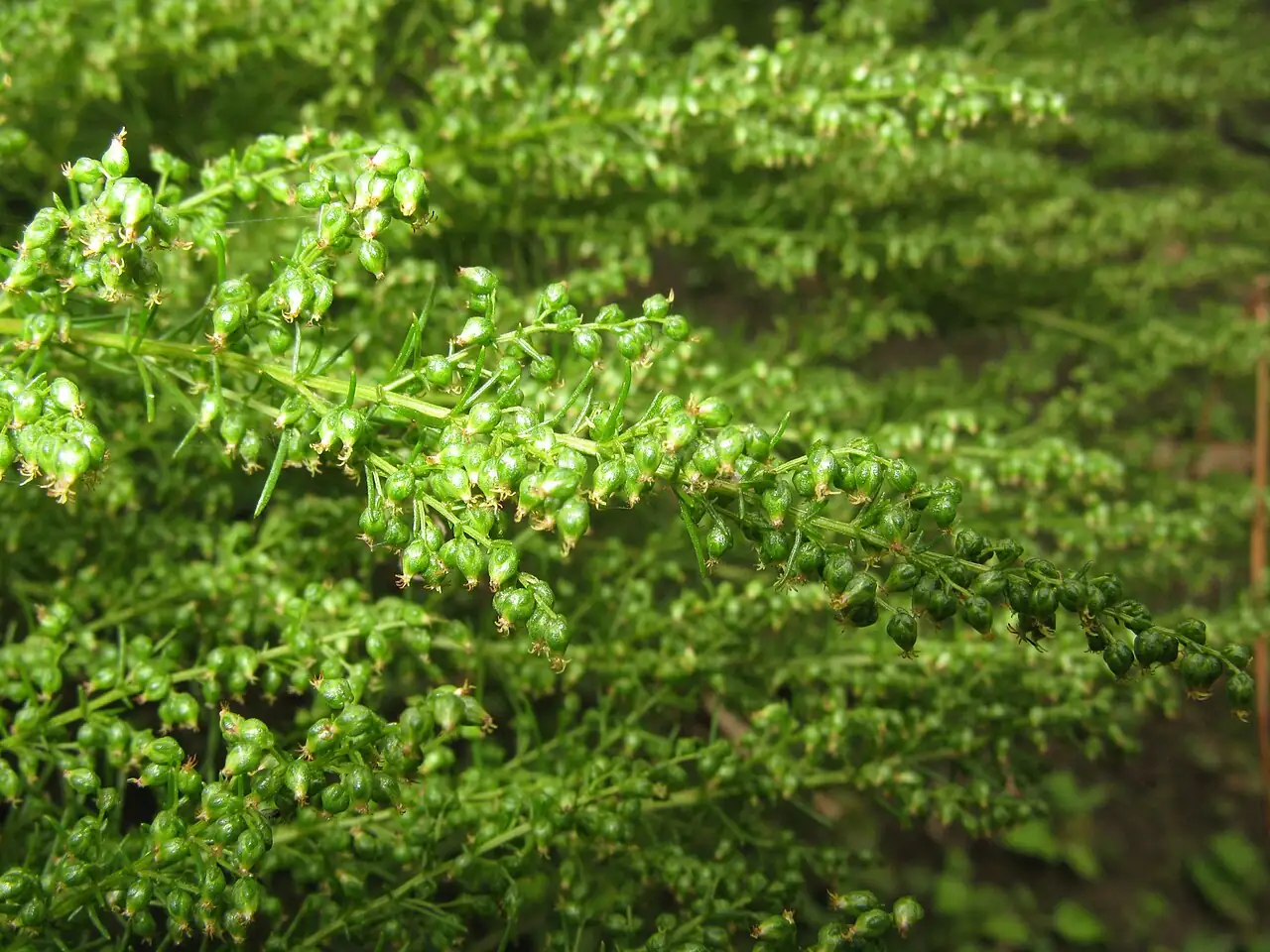
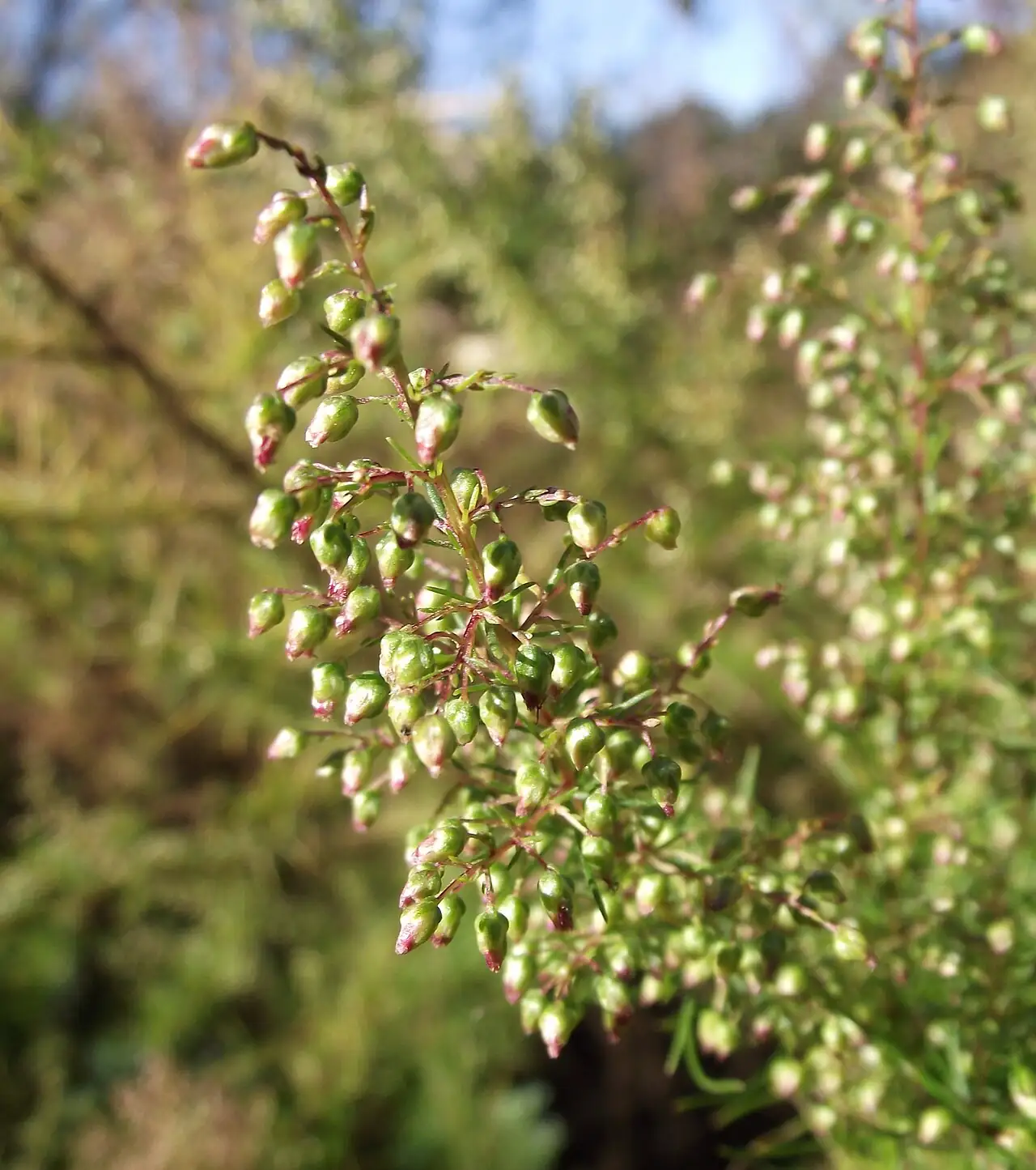
- Flower: Produces numerous small, dense, egg-shaped flower heads (capitula). After flowering, it forms small achenes that are oblong to narrowly egg-shaped.
- Flowering Season: July–October (mid-summer to autumn)
- Growth Habit: Semi-shrubby perennial herb; stems are usually solitary or few, arising from a woody rootstock, and it can form clumps or patches over time.
Environment
Sunlight
Full sun to light shade; aim for at least 4–6 hours of direct sun per day for best fragrance and compact growth.
Temperature
Prefers warm conditions; typical active growth range about 15–30°C (59–86°F).
Humidity
Moderate to moist conditions suit it best; handles average humidity well as long as the soil isn’t allowed to dry out completely when young.
Soil
Moist but well-drained sandy or sandy-loam soil; tolerates poorer soils if drainage is good. Avoid heavy, waterlogged soils.
Placement
Sunny borders, naturalistic/wildlife-style plantings, and coastal or riverside-themed gardens; useful as a groundcover or edging plant to soften hard landscaping.
Hardiness
Cold-hardy temperate perennial; commonly grown outdoors in USDA Zone 4–9 (approx.).
Care Guide
Difficulty
Easy to moderate. Established plants are fairly resilient; the main balancing act is steady moisture without waterlogging, especially early on.
Buying Guide
Pick plants with fresh, strongly aromatic foliage and clean stems. Avoid pots with blackened stems, sour-smelling mix, severe root-binding, or obvious pest damage.
Watering
Water regularly while establishing. Once established, water when the top 2–5 cm (1–2 in) of soil has dried. Increase frequency during hot weather, but don’t keep the soil constantly saturated.
Fertilization
Light feeder. Feed with a balanced fertilizer at 1/4–1/2 strength every 4–6 weeks in spring and summer, or top-dress with compost once in spring. Avoid heavy nitrogen, which can cause floppy growth and reduce aroma.
Pruning
Lightly shear to keep tidy and encourage bushiness. Cut back after flowering or in late winter/early spring to remove old stems and refresh growth.
Propagation
Divide clumps in spring or early autumn. Stem cuttings root well from late spring through summer. Seed is also possible when available.
Repotting
In containers, repot every 1–2 years in spring into a fresh, free-draining mix (amend with sand/grit) and ensure excellent drainage holes.
📅 Seasonal Care Calendar
Spring: divide/repot and begin light feeding. Summer: water more in heat; trim to shape. Autumn: enjoy flowering; reduce feeding. Winter: keep slightly drier; cut back before new growth starts.
Pests, Diseases & Safety
Common Pests & Diseases
Usually trouble-free. Aphids may appear on tender growth; powdery mildew can show up in crowded, poorly ventilated conditions. Improve airflow, avoid late-day overhead watering, and treat with insecticidal soap or horticultural oil as needed.
Toxicity
Artemisia can irritate skin or trigger allergies in sensitive people. Not recommended for pets to ingest; larger amounts may cause gastrointestinal upset. If using as food or in traditional preparations, only do so with confident identification and appropriate guidance.
Culture & Symbolism
Symbolism: Often linked with cleansing, protection, and herbal wellness traditions—fitting for a plant with such a bold fragrance.
History & Legends: A familiar name in East Asian herbal and seasonal food traditions, frequently mentioned as a fragrant herb used in everyday life and traditional preparations.
Uses: Ornamental: a fragrant, fine-textured groundcover/edging plant for sunny borders and naturalistic plantings. Culinary (regional/traditional): young growth may be steamed or served as a cold dressed dish (use only with proper identification).
FAQ
Does yinchen wormwood need full sun?
Full sun is best for strong aroma and compact growth, but light shade is tolerated. In deep shade it often becomes leggy and less fragrant.
Can I grow it in a pot?
Yes—use a gritty, free-draining sandy mix and a container with excellent drainage. Water when the top 2–5 cm (1–2 in) dries.
When does it flower?
Most commonly from July to October (mid-summer through autumn), with many small, dense flower heads.
Fun Facts
- Brush the foliage and the fragrance is immediate—this is one of its most charming features.
- The plant often forms a dense basal rosette that looks almost fern-like from a distance.
- In the wild, it’s right at home on moist sandy riverbanks and coastal sands.
- Its main root can become distinctly woody, which helps explain its semi-shrubby character.
- It’s appreciated both as an ornamental edging plant and as a seasonal edible herb in some local cuisines.