Plant Features
- Size: Pitchers typically 30–80 cm (12–31 in) tall; in excellent conditions up to about 100 cm (39 in). Clumps can spread 30–60 cm (12–24 in) over time.
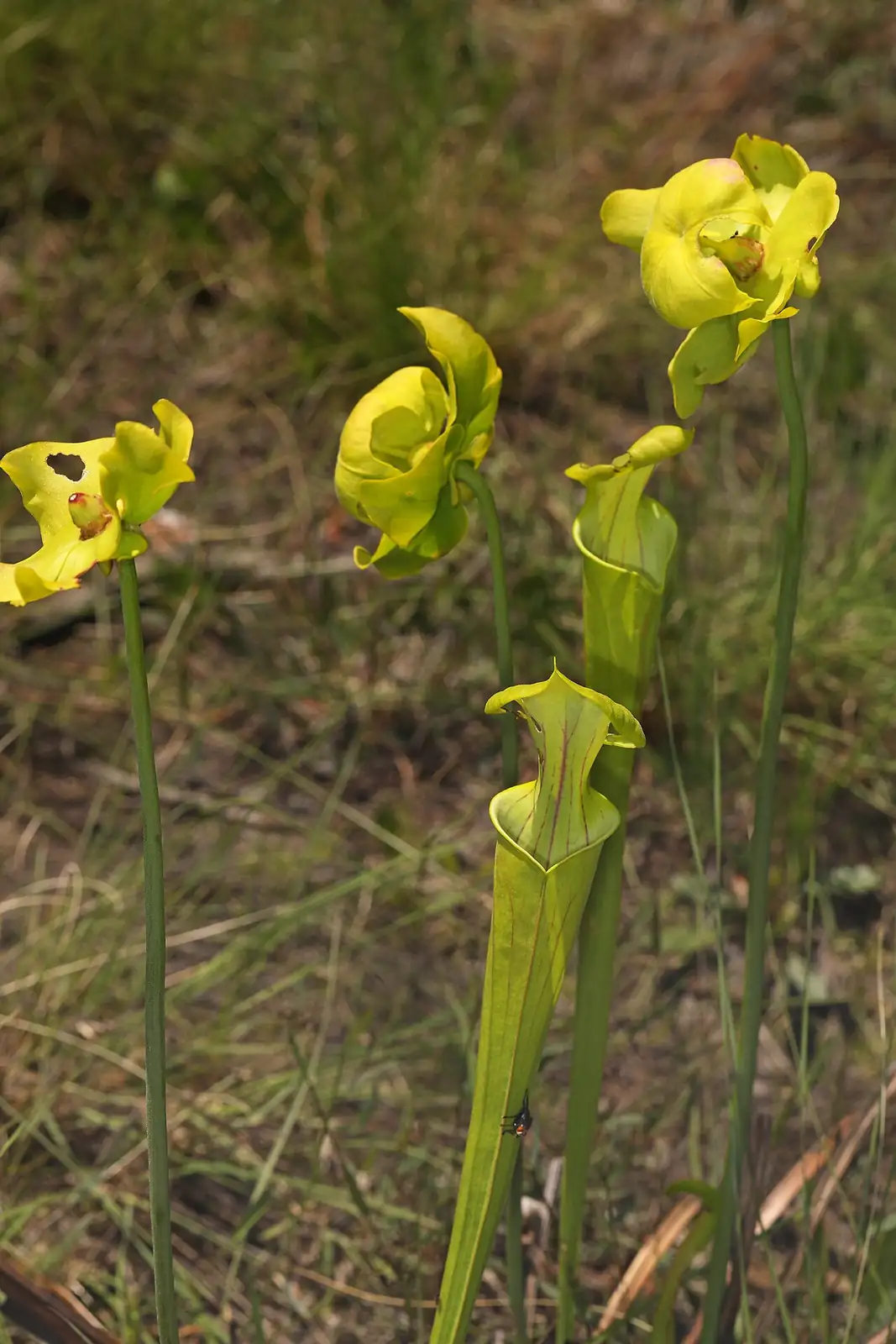
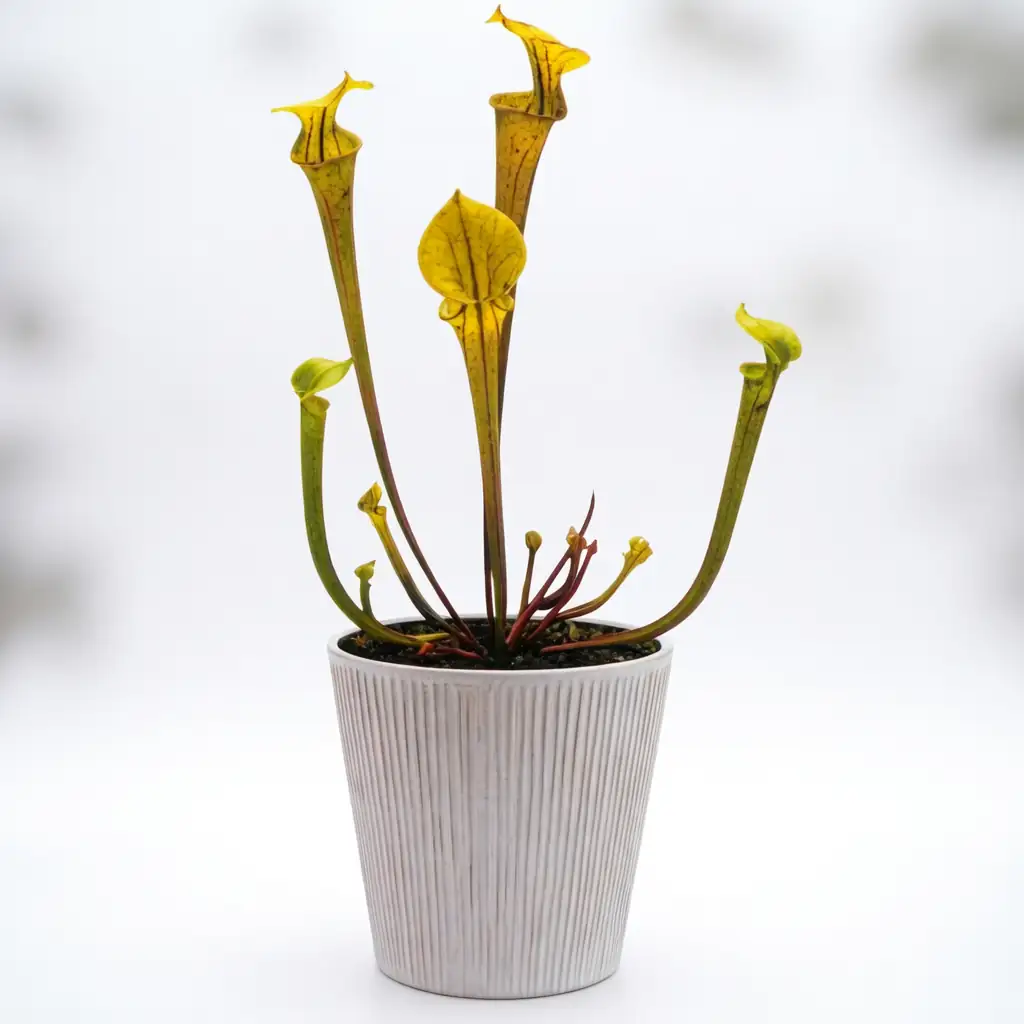
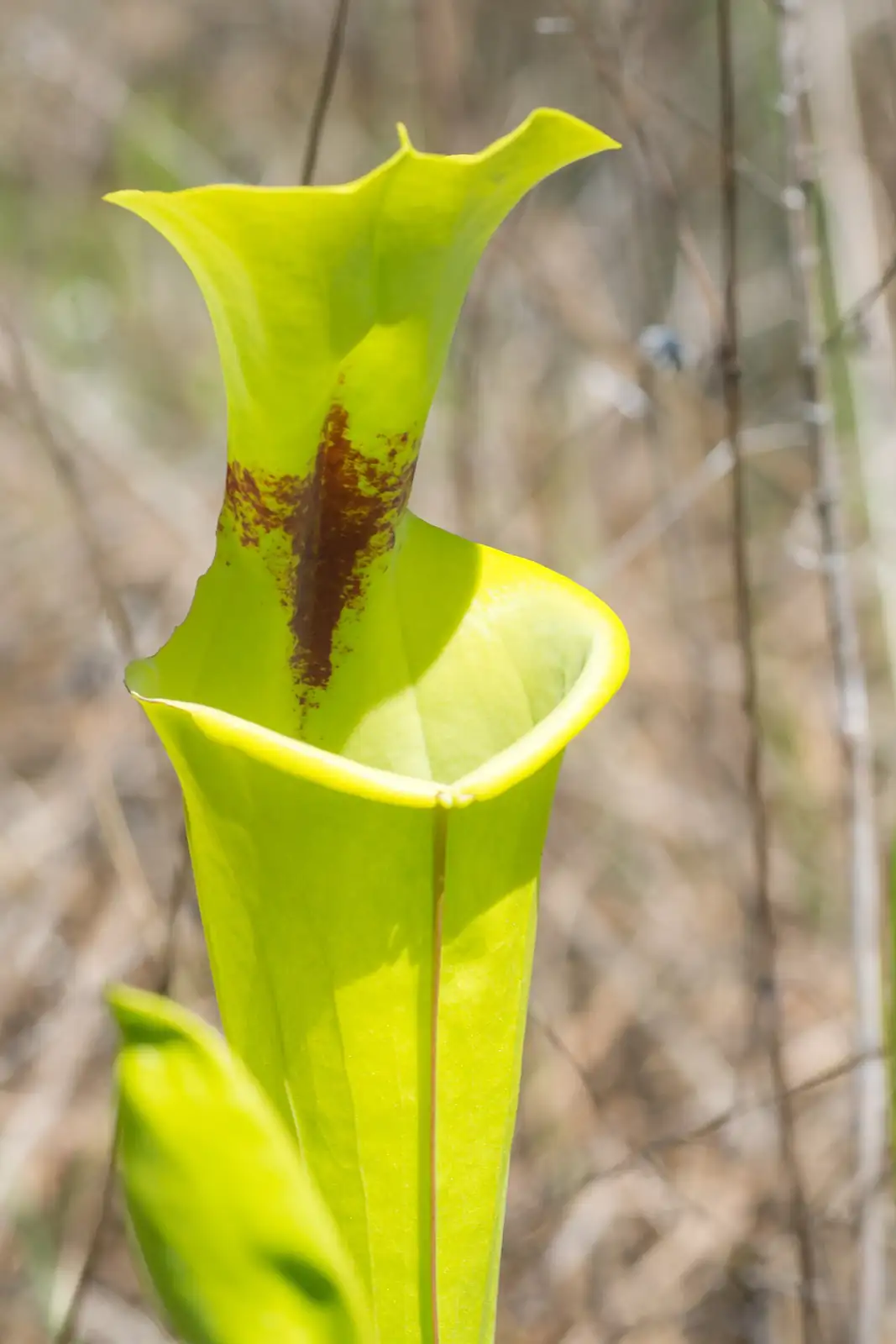
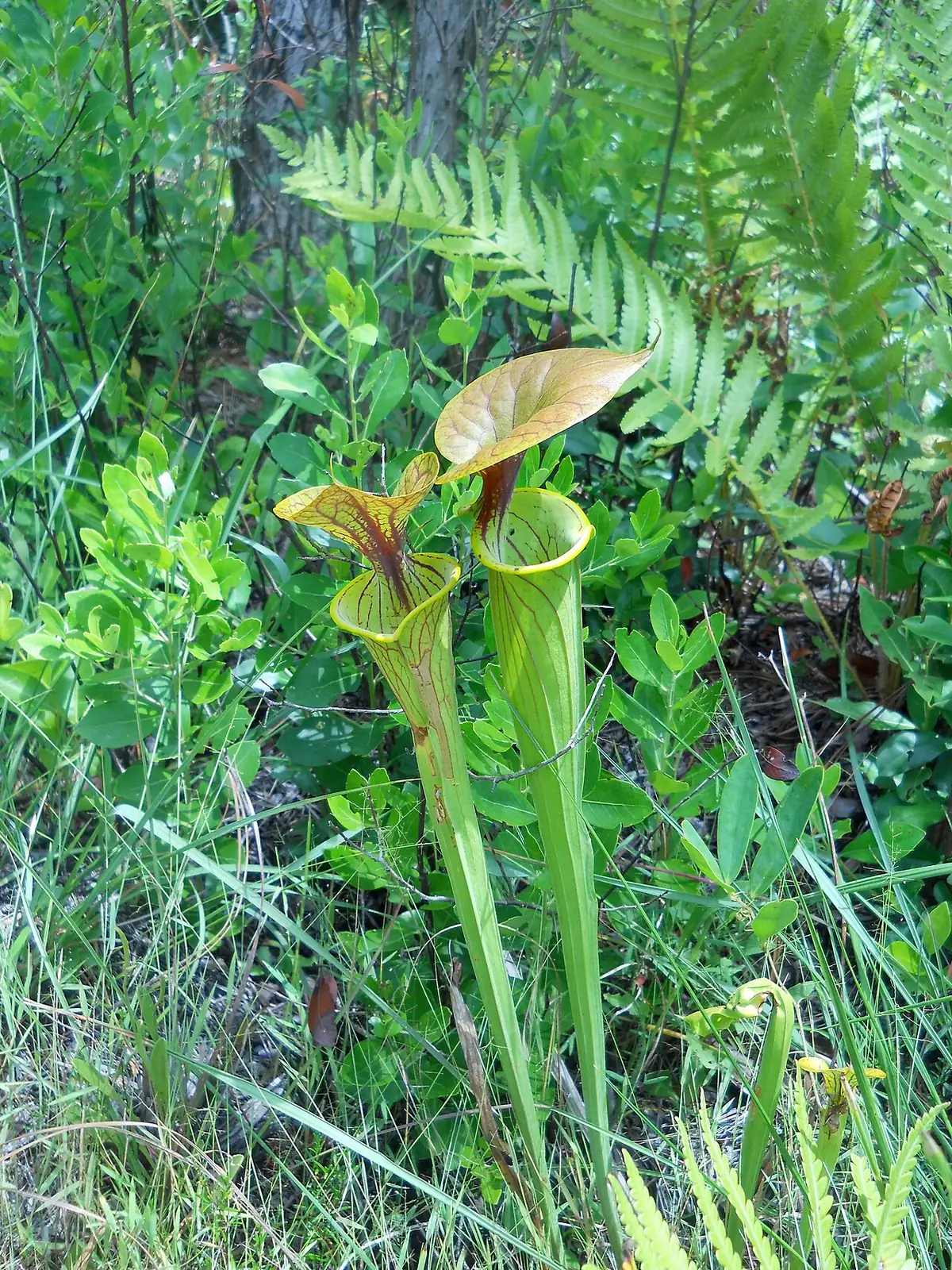
- Foliage: Erect, tubular pitchers (modified leaves) in yellow-green to green, often decorated with red veining. The mouth is slightly flared, and the lid is held upright to gently arched above the opening.
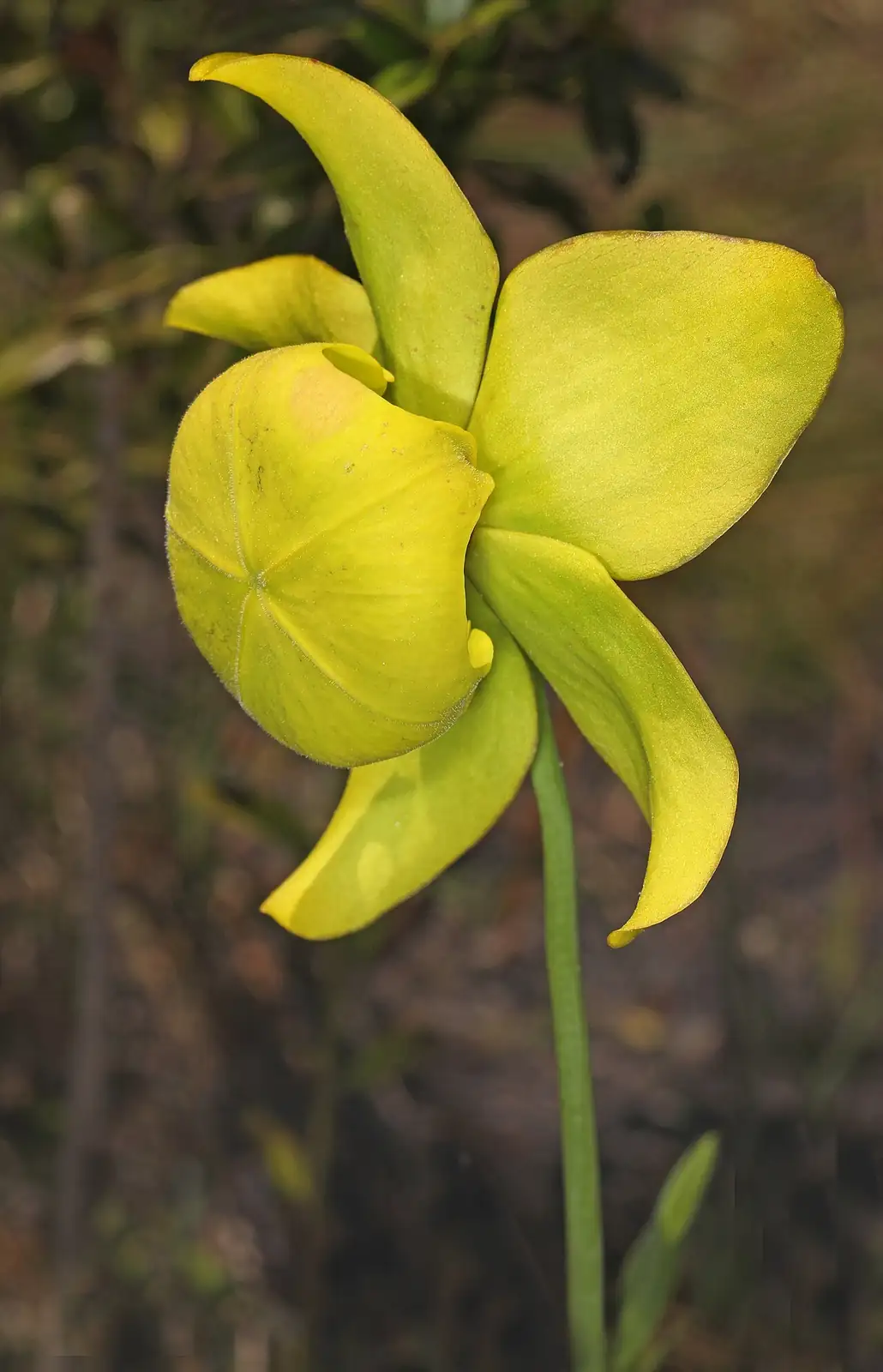
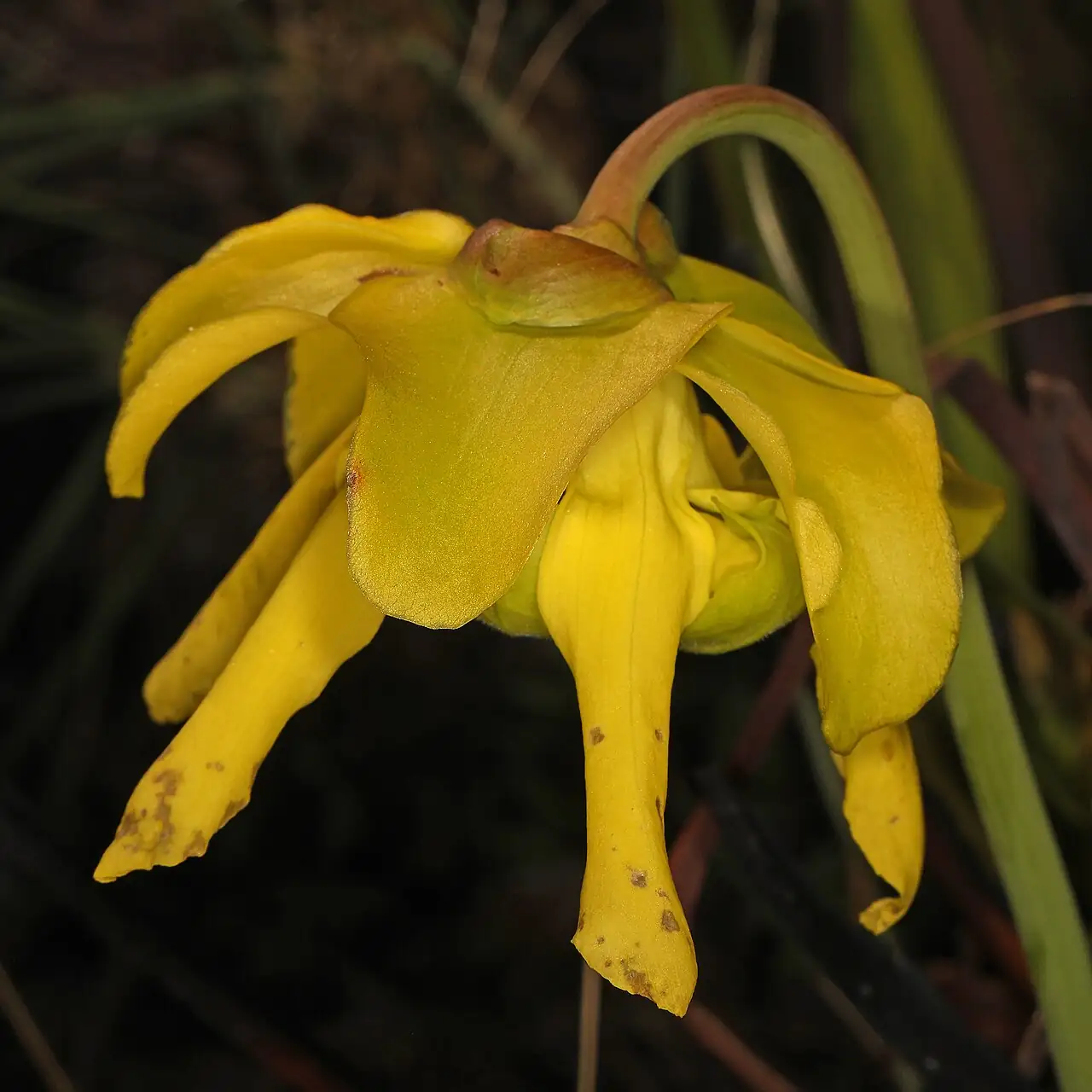
- Flower: Single, pendulous, buttery-yellow flowers with yellow petals, carried on tall stalks above the pitchers; lightly scented in some forms.
- Flowering Season: Spring (often March–May, depending on location and climate)
- Growth Habit: Clump-forming, upright, rhizomatous perennial carnivorous plant that produces trumpet-shaped pitchers from a central rhizome.
Environment
Sunlight
Full sun for best pitcher size and strong coloration; aim for at least 6–8 hours of direct sun daily. In very hot climates, a touch of light afternoon shade can help prevent scorching.
Temperature
During active growth: about 18–32°C (65–90°F). Benefits from a winter dormancy: roughly 0–10°C (32–50°F) for several weeks to months.
Humidity
Prefers moderate to high humidity, about 50–80%, but performs well outdoors as long as the roots stay consistently wet.
Soil
Nutrient-poor, acidic, airy but constantly moist medium such as sphagnum peat moss mixed with perlite and/or silica sand (often about 1:1). Avoid enriched potting soil, compost, added fertilizers, and limestone-based mixes.
Placement
Best outdoors in full sun in a bog pot, rain garden, or tray system. Indoors is possible but challenging—use an extremely bright window or strong grow lights and still provide a cool winter dormancy.
Hardiness
USDA Zone 6–9 (approximately down to −23°C / −10°F in colder parts of its range when dormant). Tolerates frost during dormancy.
Care Guide
Difficulty
Moderate. Surprisingly easy outdoors if you meet its three big needs—full sun, pure water, and poor acidic media—but often difficult as a standard houseplant because it demands intense light and a true winter dormancy.
Buying Guide
Pick plants with firm, healthy rhizomes and upright pitchers that look clean and sturdy (not widely blackened). Avoid pots filled with regular garden soil. If possible, confirm it has been grown with rain/distilled/RO water and that it is a true Sarracenia flava rather than a hybrid.
Watering
Use only rainwater, distilled water, or reverse-osmosis water. In the growing season, keep the pot sitting in 1–5 cm (0.4–2 in) of water so the medium never dries out. In winter dormancy, keep the medium just damp (not soggy) to reduce the risk of rot.
Fertilization
Do not fertilize the soil. Outdoors it usually catches enough insects. Indoors, feeding is optional: offer a small insect occasionally, or use a very dilute foliar orchid-type fertilizer at about 1/8–1/4 strength no more than once a month—never pour fertilizer into the soil.
Pruning
Trim dead or brown pitchers at the base with clean scissors. In late winter to early spring, remove last season’s dead growth to improve airflow and help prevent fungal problems.
Propagation
Best by rhizome division in late winter to early spring. Seeds are possible but slow; fresh seed commonly benefits from cold stratification at about 4°C (39°F) for 4–8 weeks before sowing on moist peat/sphagnum.
Repotting
Repot every 1–2 years in late winter/early spring as the media breaks down and the rhizome fills the pot. Use fresh carnivorous-plant mix and a deep pot to accommodate the root system.
📅 Seasonal Care Calendar
Spring: flowers appear; return to full sun and higher water levels. Summer: keep constantly wet and sunny; watch overheating in small, dark pots. Fall: growth slows; gradually reduce standing water. Winter: provide a cool dormancy; keep the medium only slightly damp.
Pests, Diseases & Safety
Common Pests & Diseases
Aphids can attack tender new growth; scale, thrips, and spider mites are more common indoors. Poor airflow or warm, stagnant winter conditions can invite fungal issues and rhizome rot. Improve light and airflow, remove dead material, and use insecticidal soap or appropriately labeled systemic treatments when needed; avoid oil-based sprays in high heat.
Toxicity
Not known to be poisonous to people or pets with normal handling. It isn’t an edible plant, though—discourage children and pets from chewing (both for safety and to protect the plant).
Culture & Symbolism
Symbolism: Often linked with resilience and clever adaptation—thriving where other plants struggle by turning insects into nutrients.
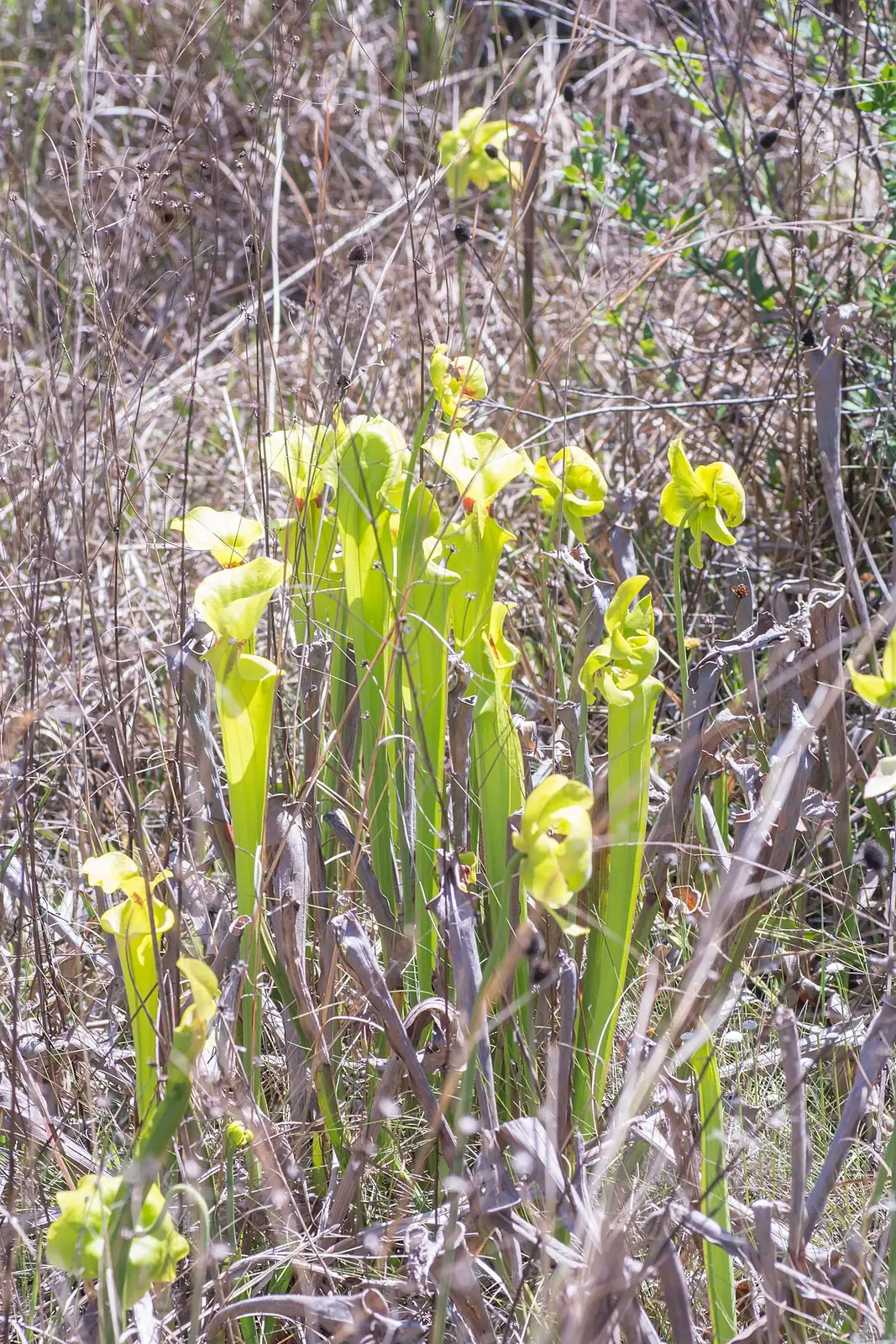
History & Legends: A signature species of North American pitcher-plant bogs and a favorite in carnivorous plant collections. Its flower stalks rise above the traps, a neat evolutionary trick that helps reduce the chance of catching its own pollinators.
Uses: Ornamental and educational: bog gardens, carnivorous plant displays, and botanical teaching collections.
FAQ
Why are my pitchers turning brown or collapsing?
Some dieback is normal as pitchers age, especially after flowering or toward fall. Faster browning can be caused by low light, minerals from tap water, letting the pot dry out, or heat stress in small containers. Use pure water, keep it consistently wet in the growing season, and increase sun/light.
Does the yellow pitcher plant need dormancy?
Yes. Sarracenia flava is a temperate perennial and stays strongest with a cool winter dormancy around 0–10°C (32–50°F). Skipping dormancy can weaken it over time.
Can I grow it indoors year-round?
It can be done, but it’s demanding: very strong light (often grow lights), pure water, nutrient-poor media, and a cool dormancy each winter. For most people, outdoor full sun is easier.
Fun Facts
- Those dramatic “pitchers” are leaves transformed into insect-trapping tubes—perfect for bogs where the soil is too nutrient-poor for most plants.
- The flowers sit high above the pitchers on purpose, helping pollinators visit safely without accidentally falling into the traps.
- Natural populations vary a lot—some plants show bold red veining or a deep red throat inside the pitcher.