

Plant Features
- Size: Floating-leaved aquatic perennial; flowering stems typically rise about 5–15 cm (2–6 in) above the water surface; spread can reach 1–3 m (3–10 ft) or more in favorable conditions.
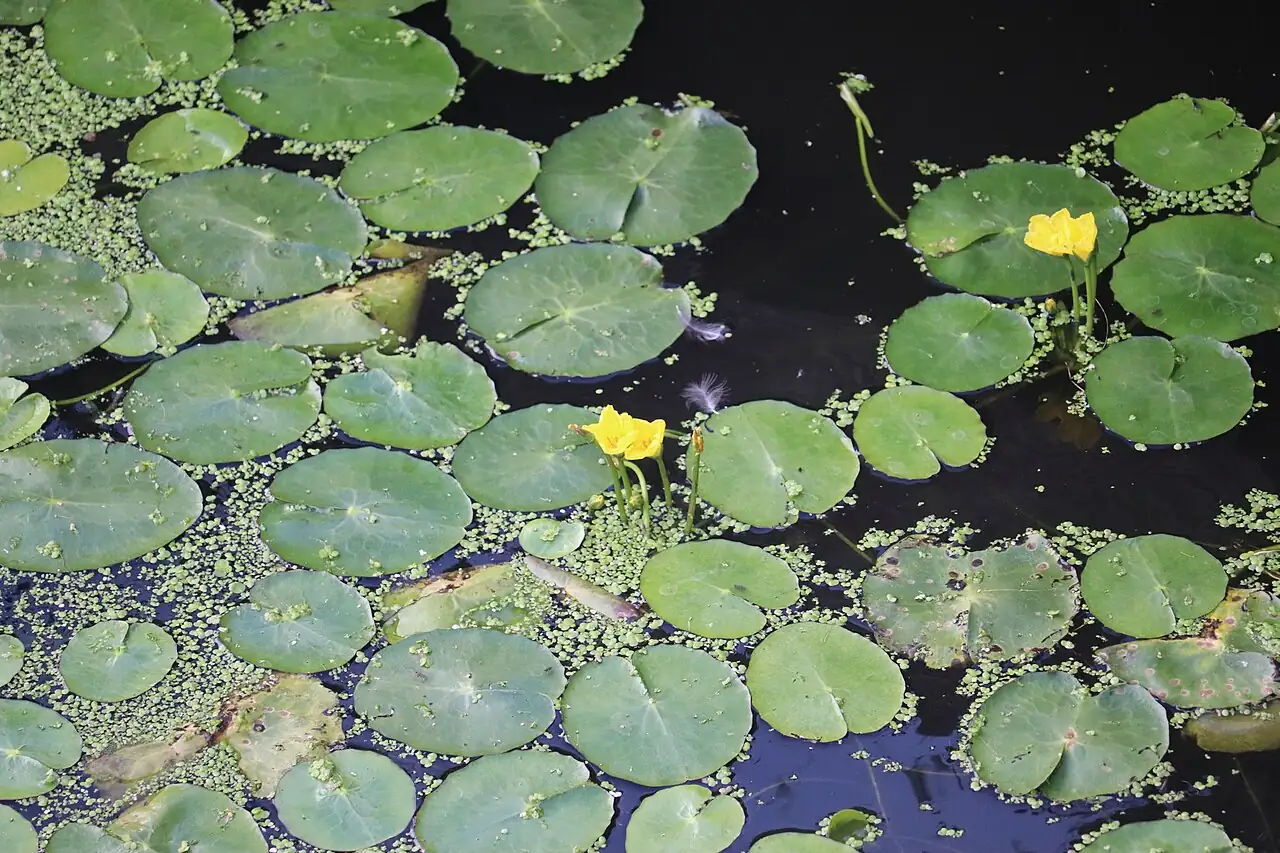
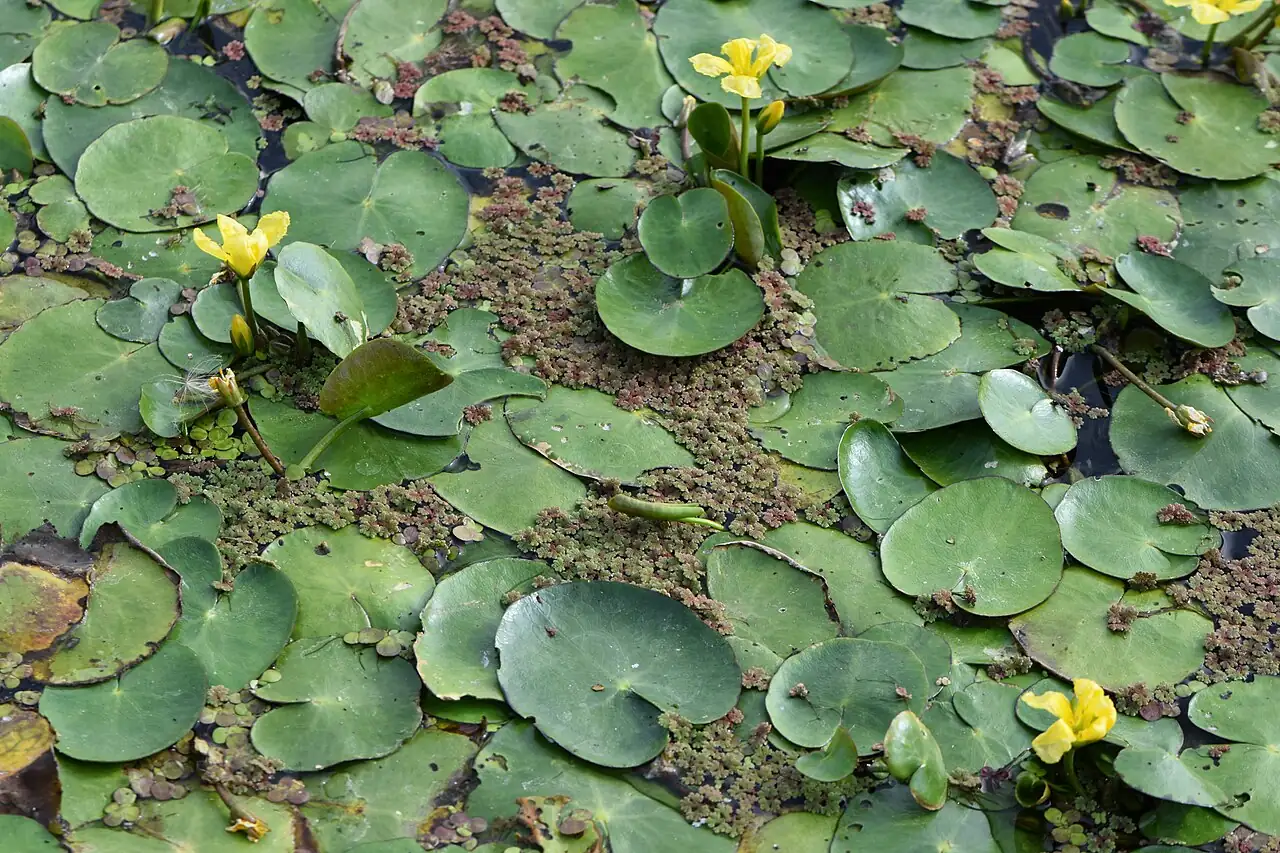
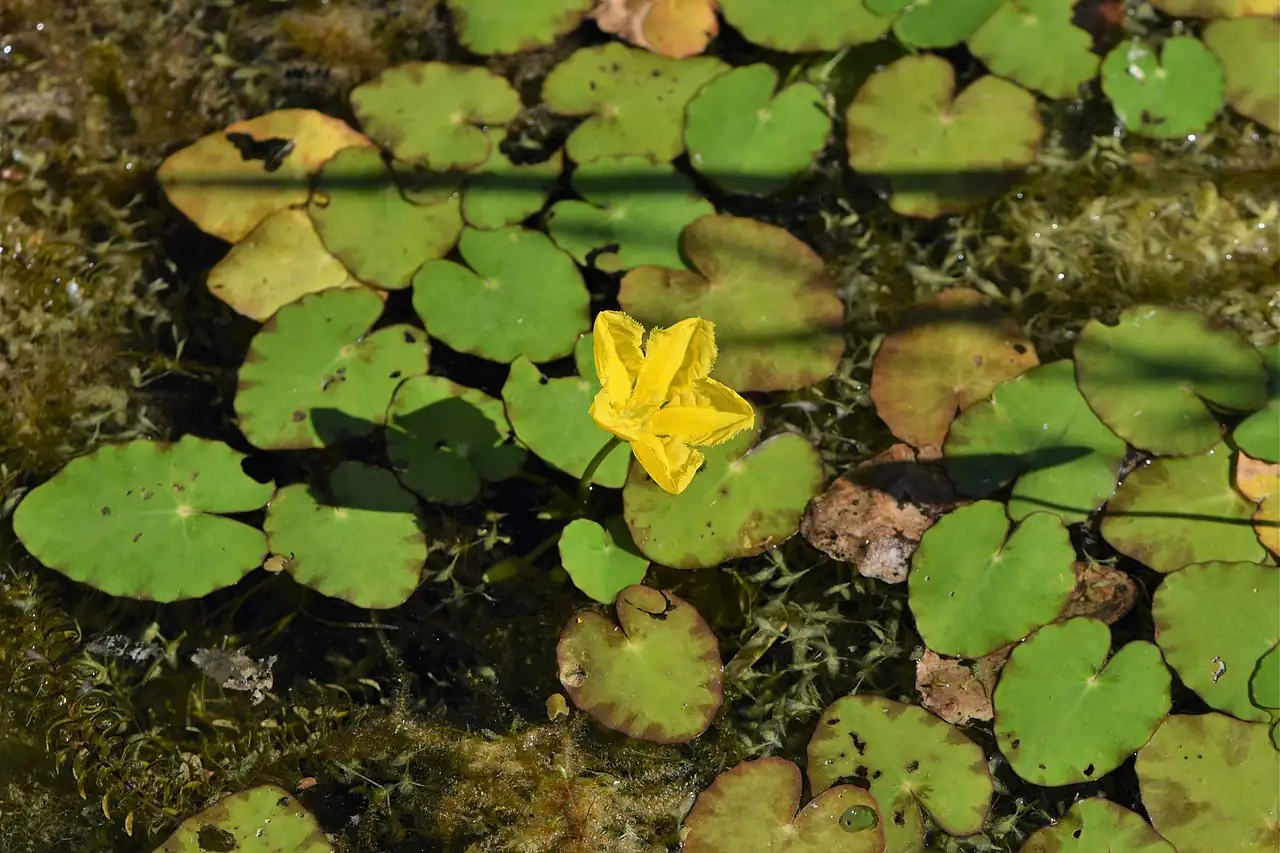
- Foliage: Floating, oval to heart-shaped leaves on variable-length stalks. The top is green (often with darker mottling), while the underside is commonly purplish—overall giving a miniature water-lily-pad effect.
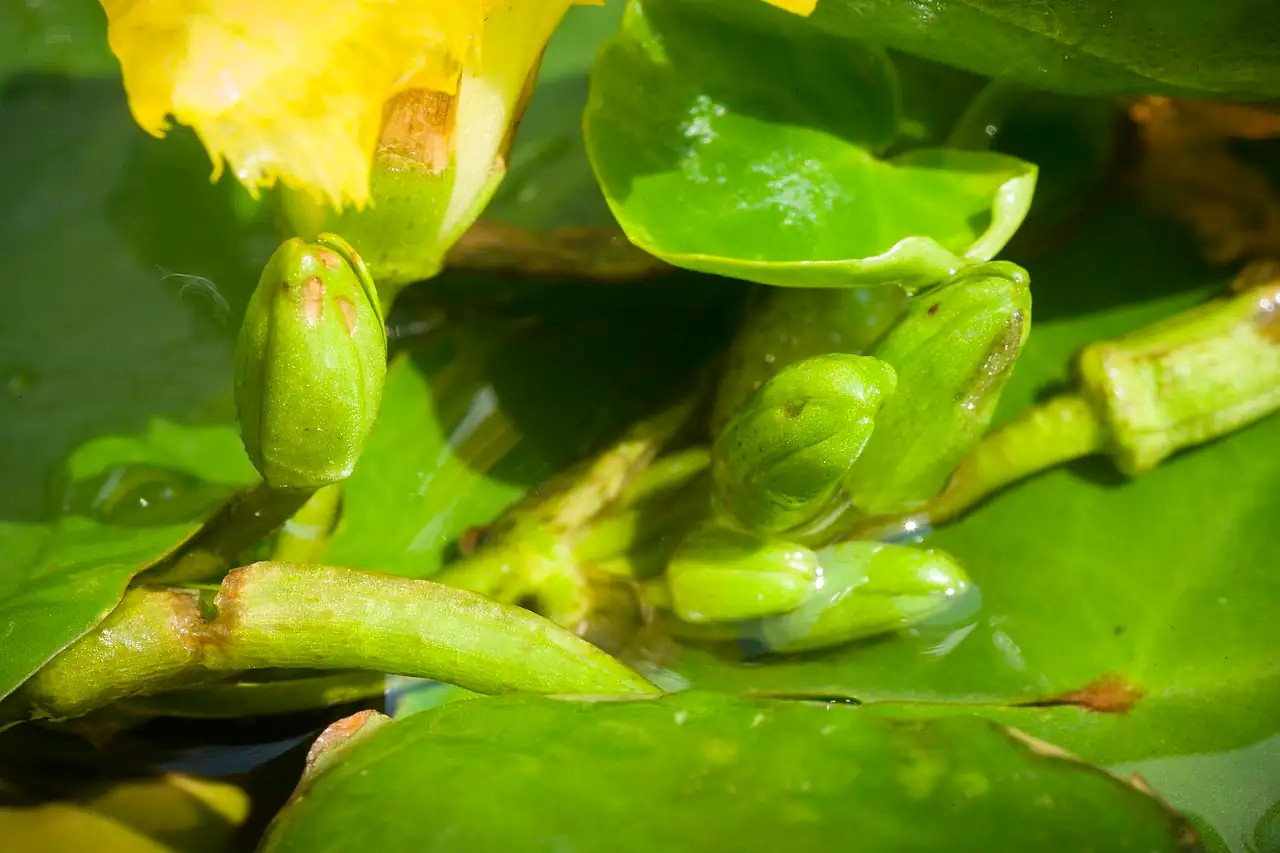
- Flower: Showy, bright yellow flowers with five petals held above the water; each petal has a distinctly fringed edge. After flowering, it forms oval capsules containing many flattened seeds.
- Flowering Season: April–October (4–10), depending on climate
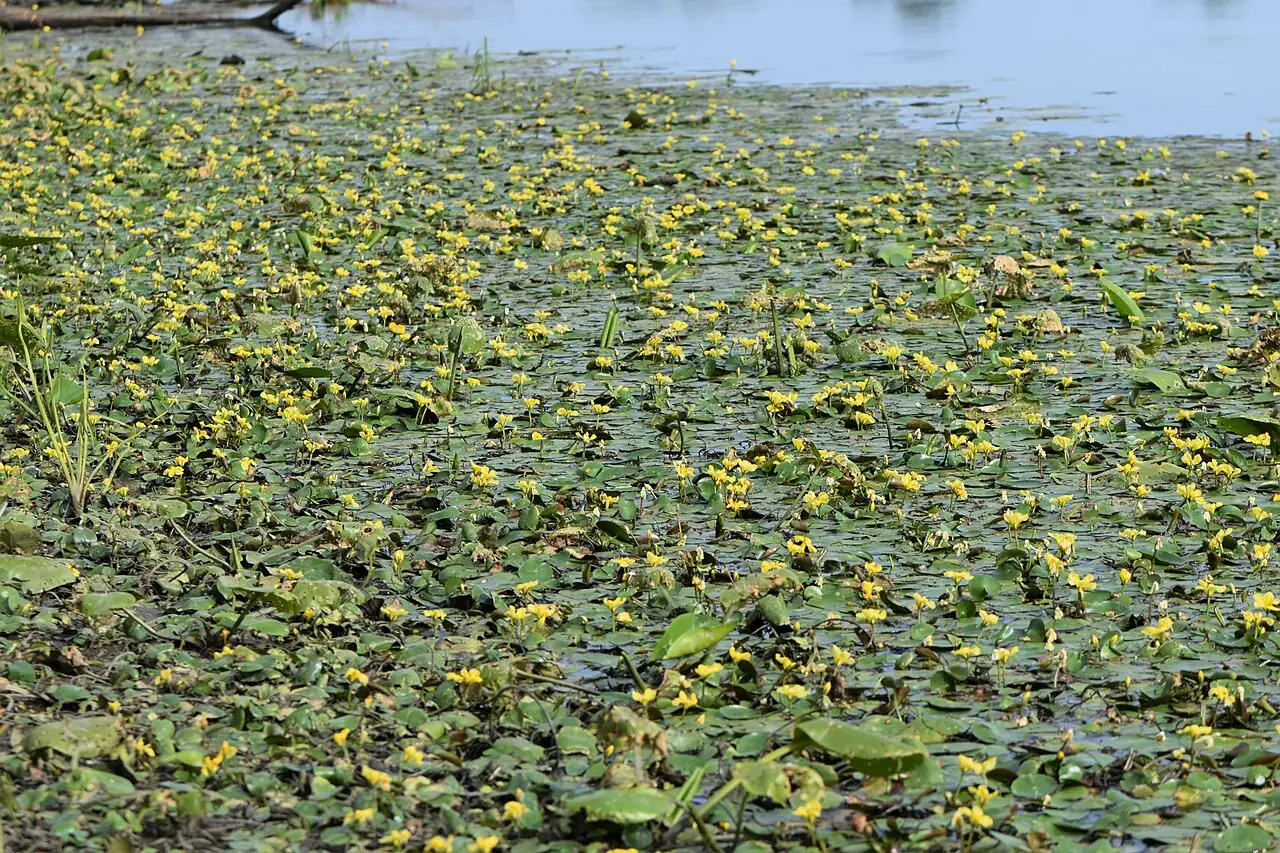
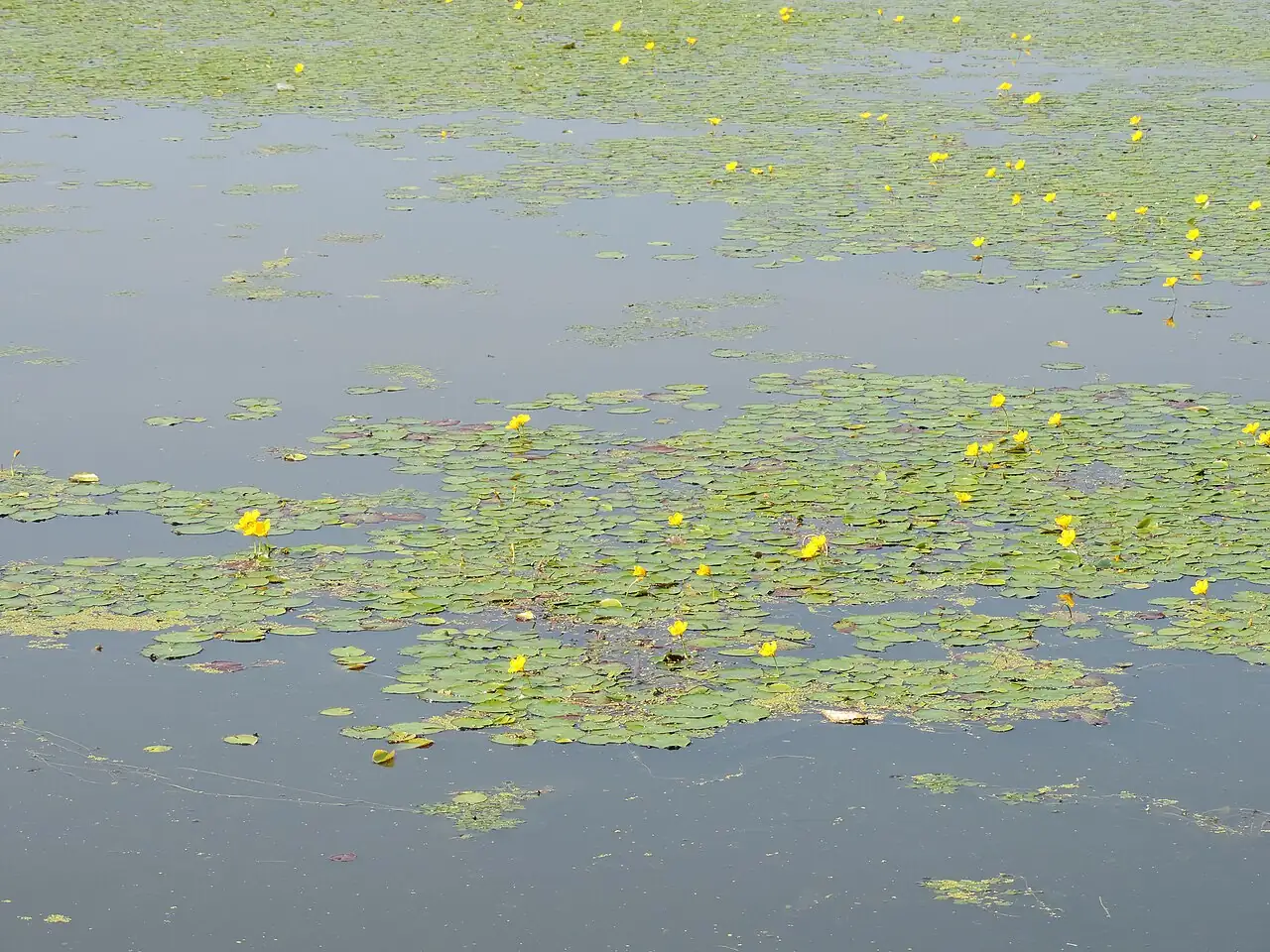
- Growth Habit: A perennial aquatic herb that spreads by creeping rhizomes/stolons along the pond bottom; new shoots arise from nodes and can knit together into dense colonies, especially in nutrient-rich water.
Environment
Sunlight
Full sun to partial shade; flowers best in full sun (about 6+ hours/day).
Temperature
Cool-temperate to warm-summer conditions; most active growth is around 15–30°C (59–86°F).
Humidity
Aquatic plant—ambient humidity is not a limiting factor as long as it’s grown in open water.
Soil
Rich, humus-laden pond mud/silt. Prefers slightly acidic to neutral conditions: pH 5.5–7.0.
Placement
Ponds and water gardens—especially still water or gentle margins where it can float freely without being battered by strong currents.
Hardiness
Typically hardy in USDA Zones 5–10 (approx.); not a frost-tender tropical plant. In cold regions it dies back and overwinters from rhizomes in the mud.
Care Guide
Difficulty
Easy once established in a suitable pond, but it needs monitoring because it can spread aggressively; best for gardeners willing to thin it regularly.
Buying Guide
Pick plants with firm, healthy rhizomes/stolons and clean, intact floating leaves—avoid anything mushy, foul-smelling, or obviously rotting. Buy from reputable aquatic nurseries to reduce the risk of hitchhiking pests (like snails) and stray fragments, and keep it contained if local rules restrict it.
Watering
No traditional watering—keep the root zone continuously underwater. Maintain stable water levels so the crown/rhizomes never dry out.
Fertilization
Usually unnecessary in established ponds (especially if the water is nutrient-rich). If growth is weak in very lean water, use slow-release aquatic fertilizer tablets pushed into the mud during the growing season—don’t broadcast fertilizer into the water.
Pruning
Remove yellowing leaves and spent flowers for tidiness. Thin aggressively if it starts to blanket the surface—leaving open water helps oxygen exchange and supports pond wildlife.
Propagation
Easiest by dividing rhizomes/stolons in spring or early summer and replanting sections. It can also be grown from seed; in ponds it naturally expands as new shoots form along creeping stems.
Repotting
If grown in baskets/containers, divide or repot every 1–2 years to prevent overcrowding. Use heavy loam/aquatic media and top with gravel to reduce clouding and stop the mix from floating out.
📅 Seasonal Care Calendar
Spring: plant/divide and start monitoring spread. Summer: deadhead and thin to prevent surface takeover. Autumn: remove excess biomass and decaying leaves. Winter: growth slows or dies back in colder climates; rhizomes overwinter in the mud.
Pests, Diseases & Safety
Common Pests & Diseases
Usually quite trouble-free. Occasionally aphids may appear on emergent growth; snails and aquatic insects can chew leaves; leaf spotting can show up where water is stagnant and low-quality. Manage by improving water conditions, removing affected leaves, and using only pond-safe controls.
Toxicity
Not commonly listed as toxic to people or pets, but any aquatic plant may cause mild stomach upset if eaten in quantity. Discourage pets from chewing pond plants, and don’t consume unless it’s correctly identified and sourced.
Culture & Symbolism
Symbolism: Often linked with calm water, sunny optimism, and lively summer energy—thanks to its bright, fringed yellow blooms floating over still ponds.
History & Legends: Long grown as an ornamental pond plant across Eurasia. In modern times it’s also frequently discussed in the context of invasiveness, because it can spread strongly and form thick surface mats under the right conditions.
Uses: Primarily an ornamental plant for water gardens, pond margins, and surface cover. In some settings, harvested biomass has been used as aquatic fodder or as green manure (worked into soil as organic matter).
FAQ
Will yellow floating heart take over my pond?
It can. In still, nutrient-rich water it may spread quickly into dense mats. The easiest way to keep it well-behaved is to grow it in a container/basket and thin it regularly so plenty of open water remains.
How deep should I plant it?
Anchor the rhizome in heavy aquatic soil or pond mud and place it so the leaves can reach the surface. Many growers start it in shallow margins and adjust—often around 15–60 cm (6–24 in) of water above the pot/soil, depending on plant size and conditions.
Why isn’t it flowering well?
The usual culprits are too much shade, very cold early-season water, or planting too deep. Move it to a sunnier spot and make sure leaves can float freely on the surface.
Fun Facts
- Its leaves look like tiny water-lily pads—great for small ponds that can’t handle full-sized lilies.
- The flowers’ fringed petal edges are its signature feature and can appear for months in warm seasons.
- It prefers humus-rich pond mud with slightly acidic to neutral water/soil conditions (pH 5.5–7.0).
- It spreads both by creeping rhizomes/stolons and by producing many flattened seeds.
- Because it can form thick floating mats, it’s loved by pond designers—and watched carefully by ecologists in places where it naturalizes.


