

Plant Features
- Size: Typically 50–90 cm (20–35 in) tall; flower spikes about 30–50 cm (12–20 in) long.
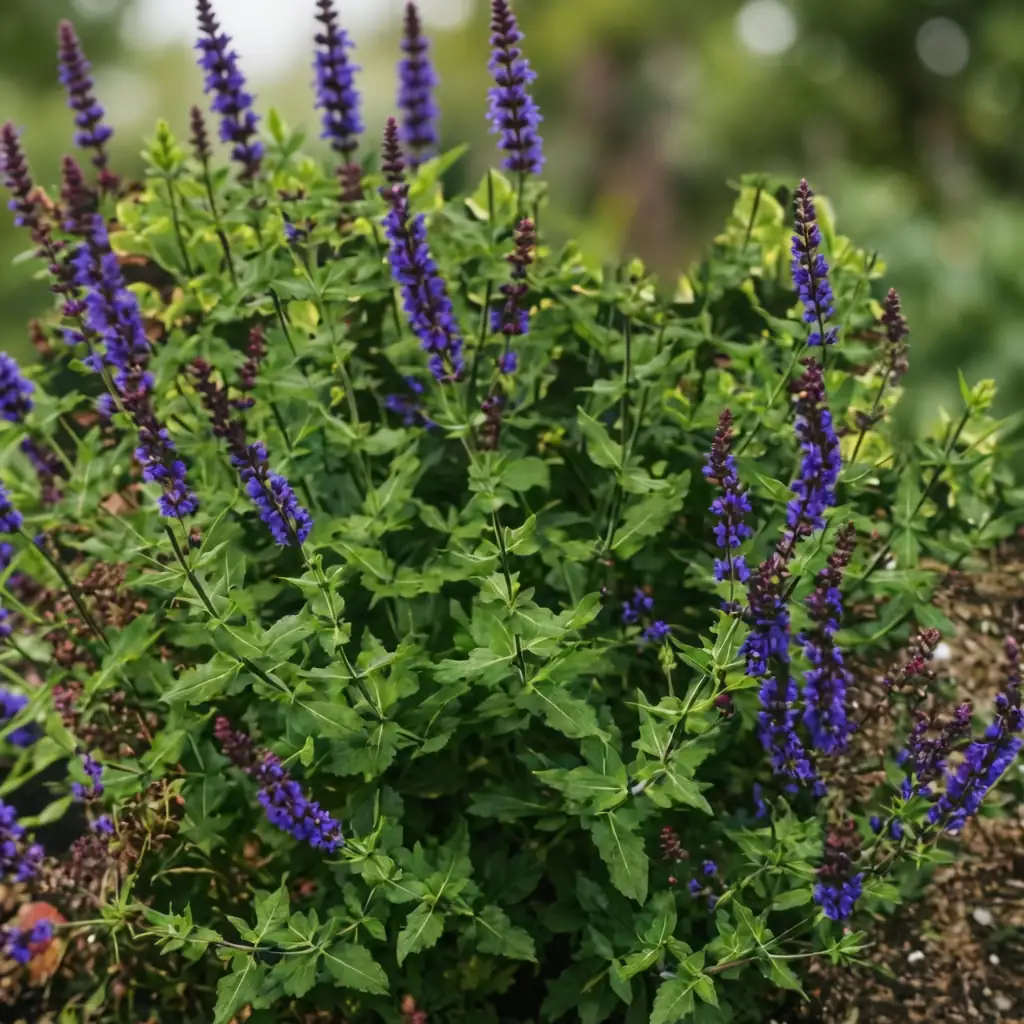
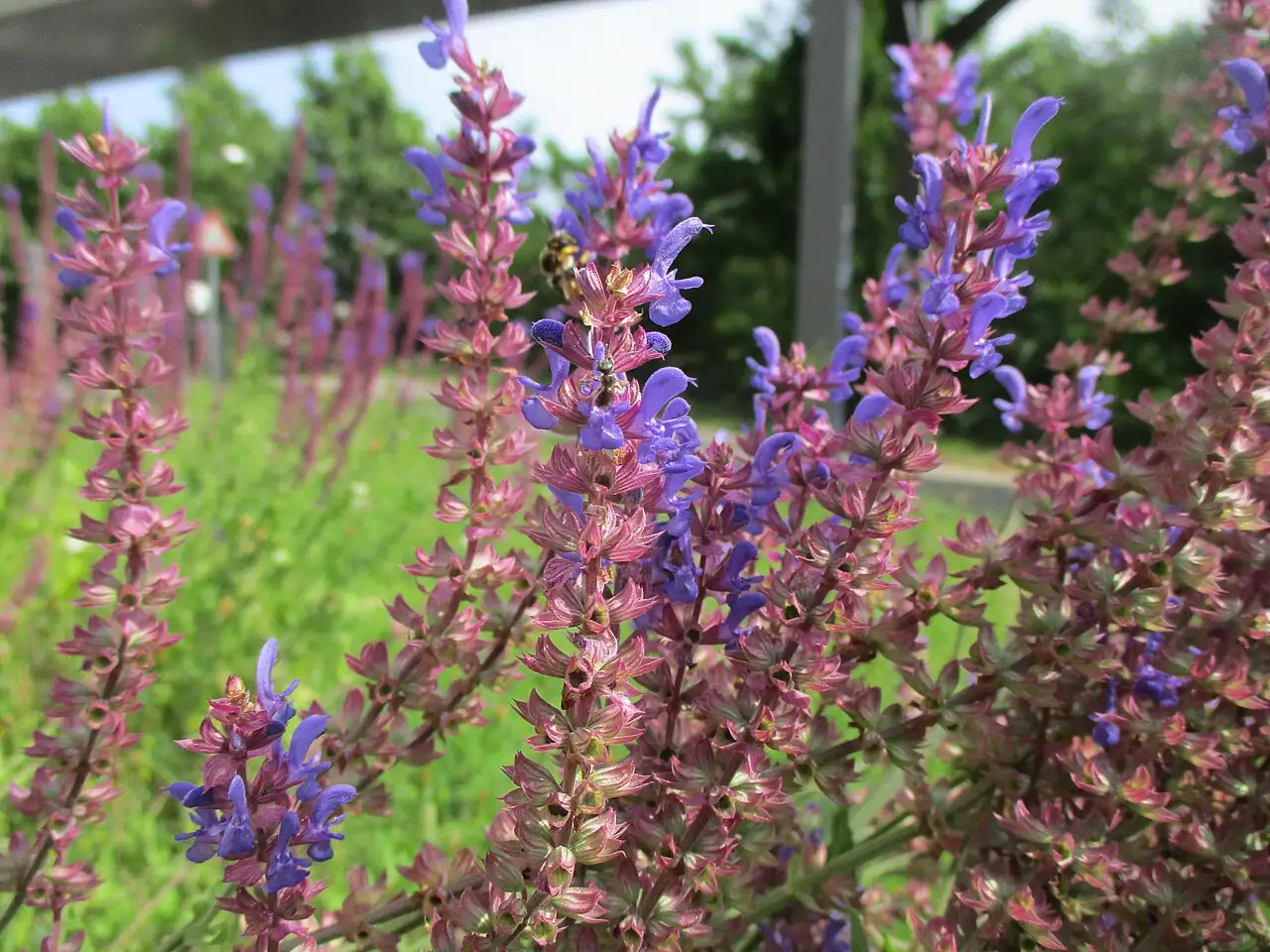
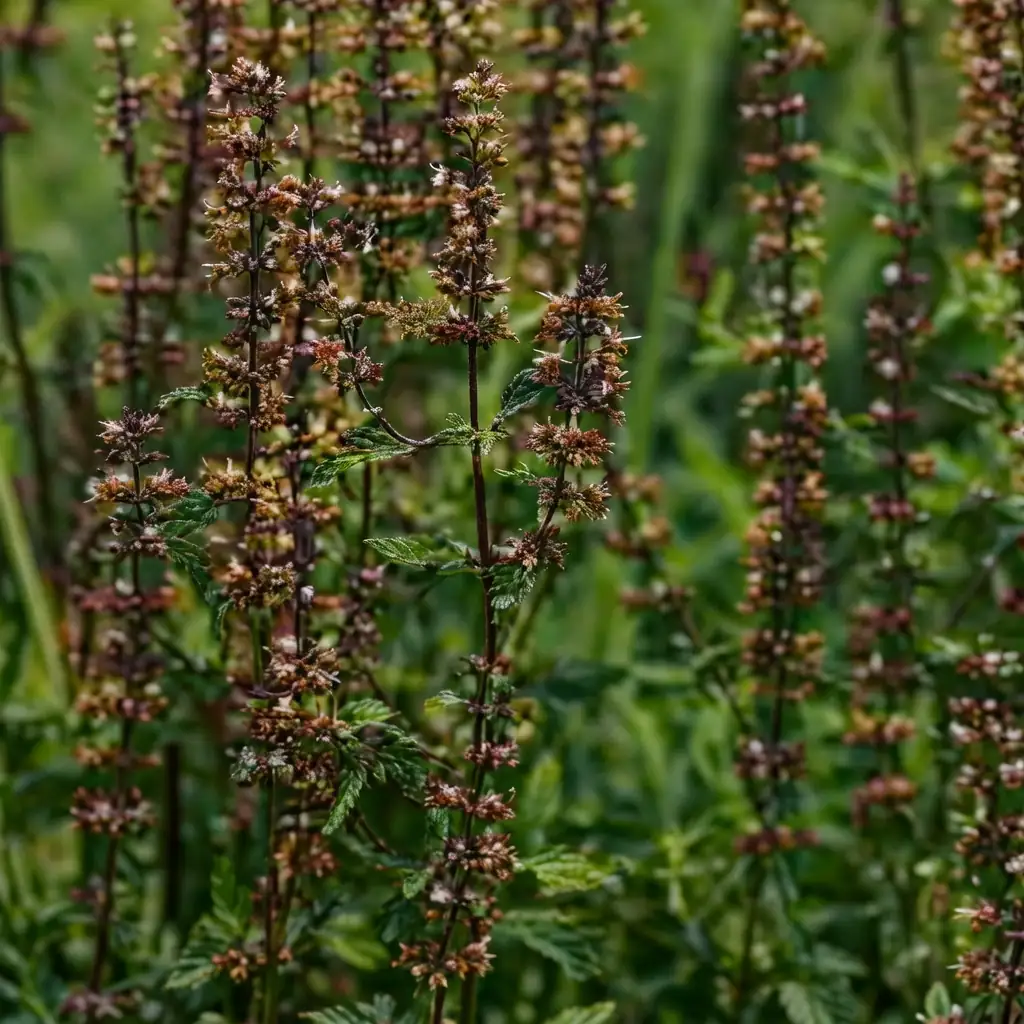
- Foliage: Leaves are opposite, oblong to narrowly lance-shaped, and noticeably textured/wrinkled with pointed tips. The plant forms a neat basal clump, sending up upright flowering stems above the foliage.
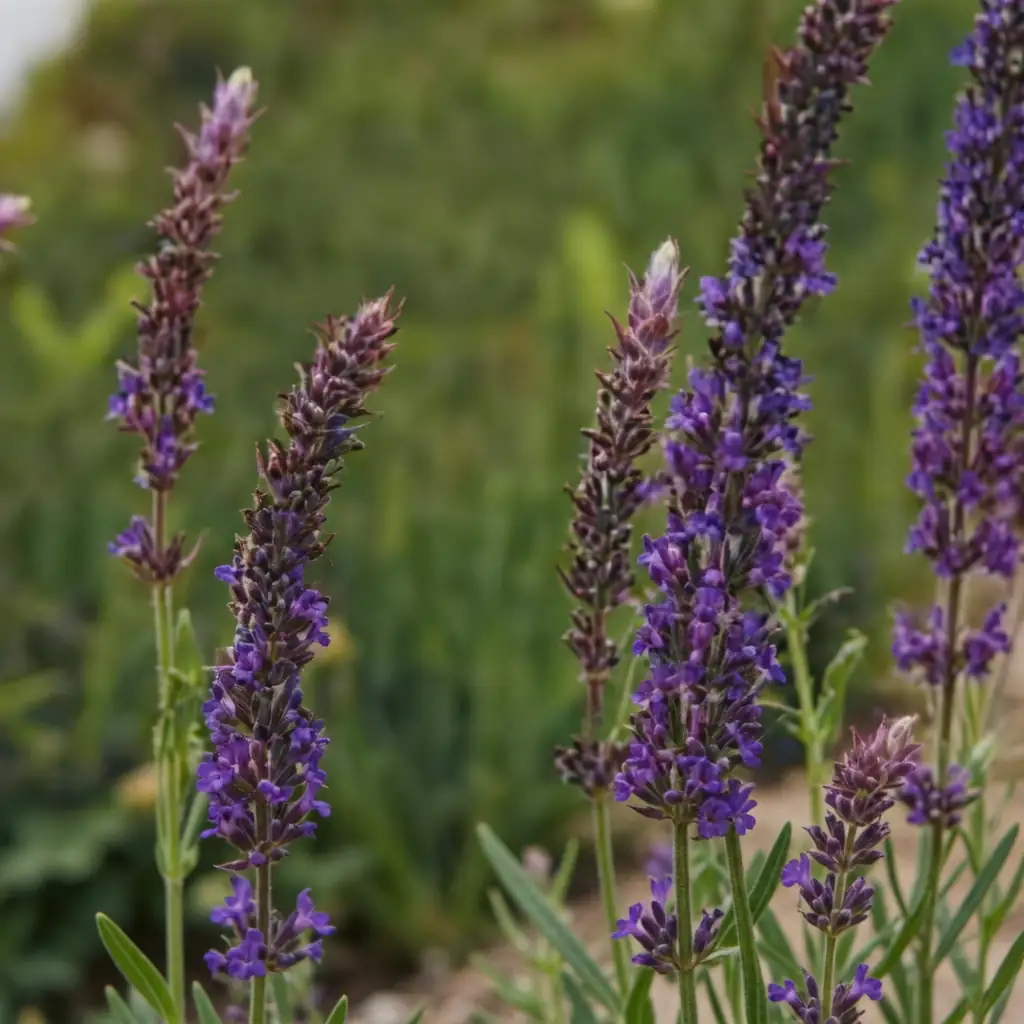
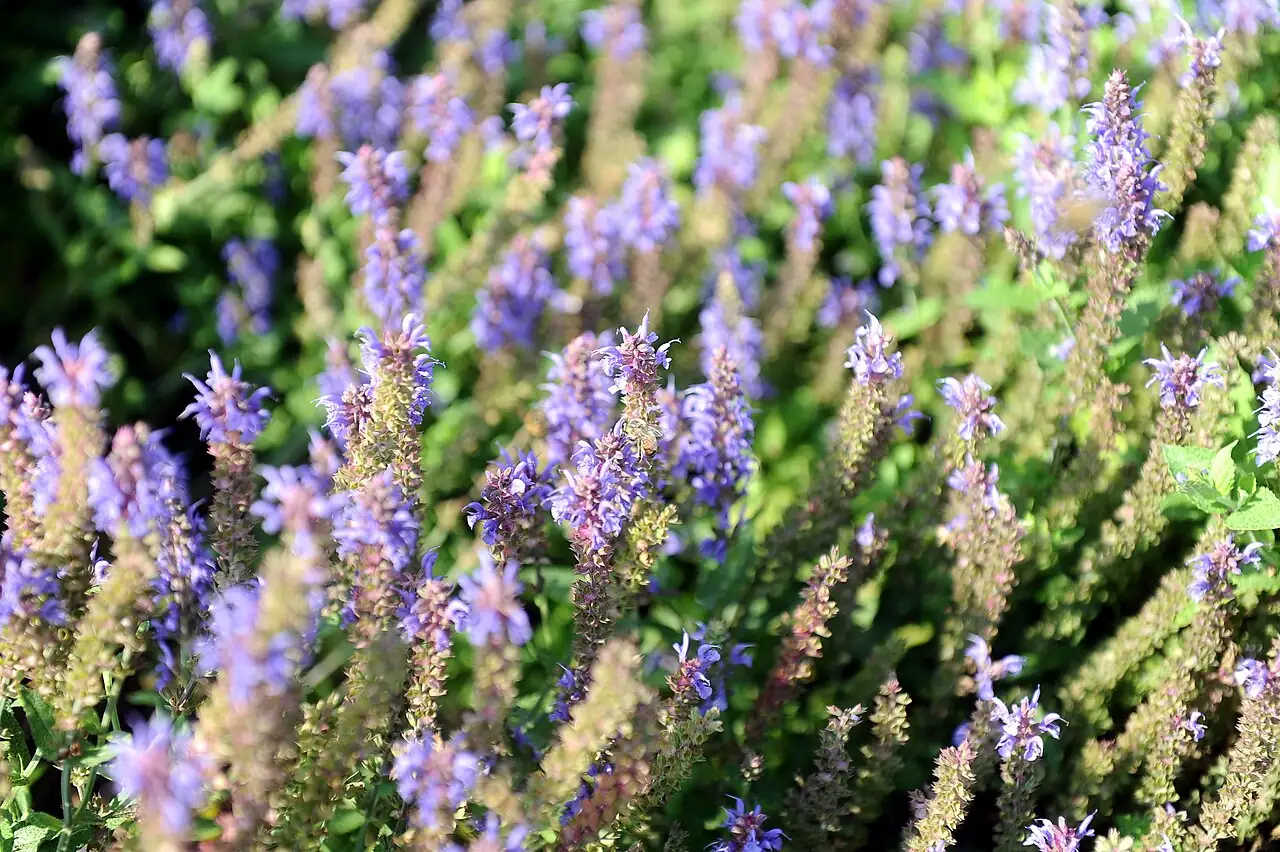
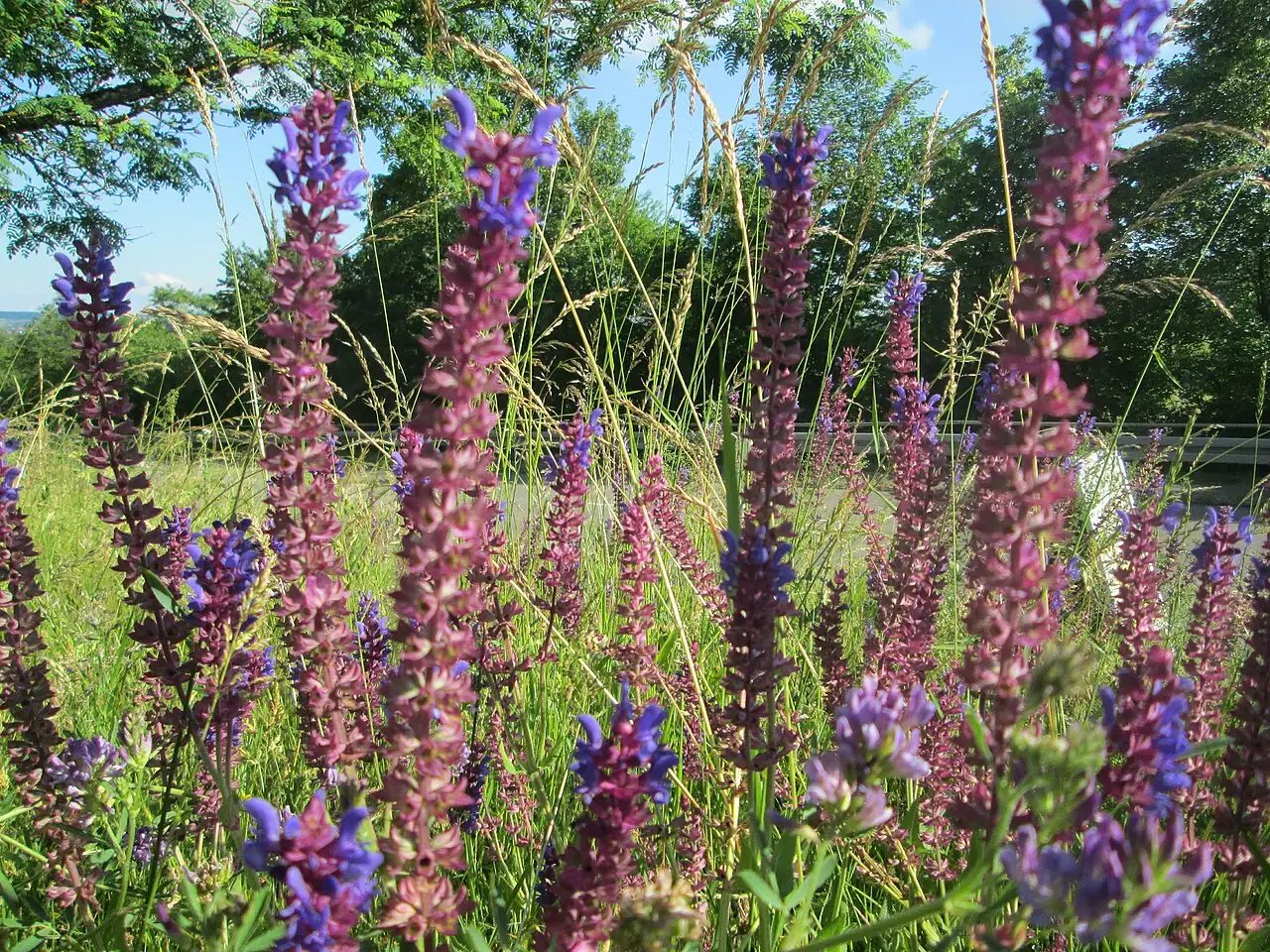
- Flower: Flowers are arranged in whorls that stack into dense, upright spikes. Each bloom is two-lipped, with the lower lip reflexed. Colors are commonly violet-blue, and many cultivars flower in pink.
- Flowering Season: May–July (late spring to midsummer)
- Growth Habit: Herbaceous, clump-forming perennial with upright flowering spikes.
Environment
Sunlight
Full sun to light shade (best flowering in full sun).
Temperature
Cold-hardy; best growth around 10–25°C (50–77°F).
Humidity
Average outdoor humidity; avoid persistently damp, stagnant conditions around the crown.
Soil
Fertile, well-drained soil; tolerates poorer soils once established but dislikes waterlogging.
Placement
Sunny borders, roadside plantings, parks, courtyards, and flowerbeds; excellent for mass planting and mixed perennial borders.
Hardiness
USDA Zone 4–8 (cold-hardy; tolerates winter frost).
Care Guide
Difficulty
Easy. A reliable perennial if given sun and sharp drainage.
Buying Guide
Choose sturdy plants with firm, non-blackened crowns and fresh basal growth. Avoid pots with sour-smelling, waterlogged compost or plants with heavily yellowed leaves. Cultivars vary widely in height and flower color—select to match your border design.
Watering
Water regularly during establishment (first growing season). Once established, water when the top 2–5 cm (1–2 in) of soil dries; avoid keeping the crown constantly wet.
Fertilization
In spring, top-dress with compost or apply a balanced slow-release fertilizer at label rates. Avoid heavy nitrogen, which can cause floppy growth and fewer flowers.
Pruning
Deadhead or shear back spent flower spikes to encourage repeat blooming. In late fall or early spring, cut back old stems to near the base, leaving new shoots intact.
Propagation
Divide clumps in spring or early fall. Softwood cuttings in late spring to early summer also root readily.
Repotting
If grown in containers, repot in spring every 1–2 years into fresh, free-draining mix and a pot with drainage holes.
📅 Seasonal Care Calendar
Spring: cut back, divide if needed, and feed lightly. Late spring–summer: deadhead/shear after the main flush and water during dry spells. Autumn: tidy and reduce watering; division is possible in early autumn. Winter: keep crowns from sitting wet; outdoor plants are generally fully hardy in suitable zones.
Pests, Diseases & Safety
Common Pests & Diseases
Generally trouble-free. Possible issues include aphids on new growth, spider mites in hot/dry sites, and powdery mildew in crowded or shaded plantings. Improve airflow, avoid overhead watering late in the day, and remove heavily affected stems.
Toxicity
Not generally considered highly toxic, but ingestion may cause mild gastrointestinal upset in pets or people. Best to discourage chewing and keep out of reach of curious pets.
Culture & Symbolism
Symbolism: Often linked with wisdom and healing—very fitting for a plant in the sage family.
History & Legends: A European Salvia long grown in gardens; many modern border cultivars are selected from Salvia nemorosa for compact growth and reliable flowering (often with repeat bloom after shearing).
Uses: Mainly ornamental: a go-to for borders, parks, courtyards, roadsides, and flowerbeds. Also valued for strong vertical accents in design and for supporting pollinators.
FAQ
Will woodland sage bloom again after flowering?
Yes. If you shear or deadhead soon after the first flush, it often produces a second, lighter bloom later in summer.
Does woodland sage need full sun?
It performs best in full sun, where stems stay sturdier and flowering is heaviest, but it can tolerate light shade.
Fun Facts
- It’s native to central and western Europe.
- Its flowers stack in neat whorls to form showy spikes about 30–50 cm (12–20 in) long.
- Peak bloom is typically May–July, with violet-blue and pink being especially common in gardens.


