Plant Features
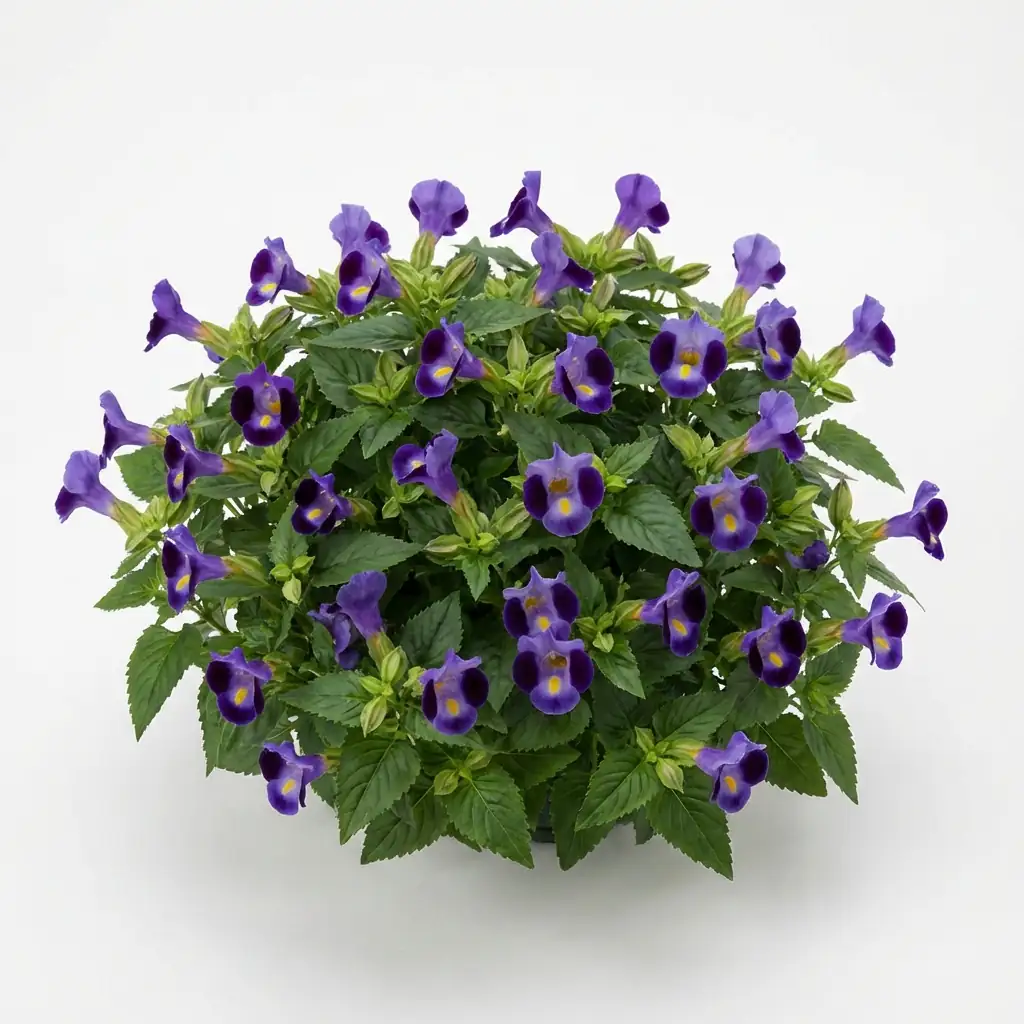
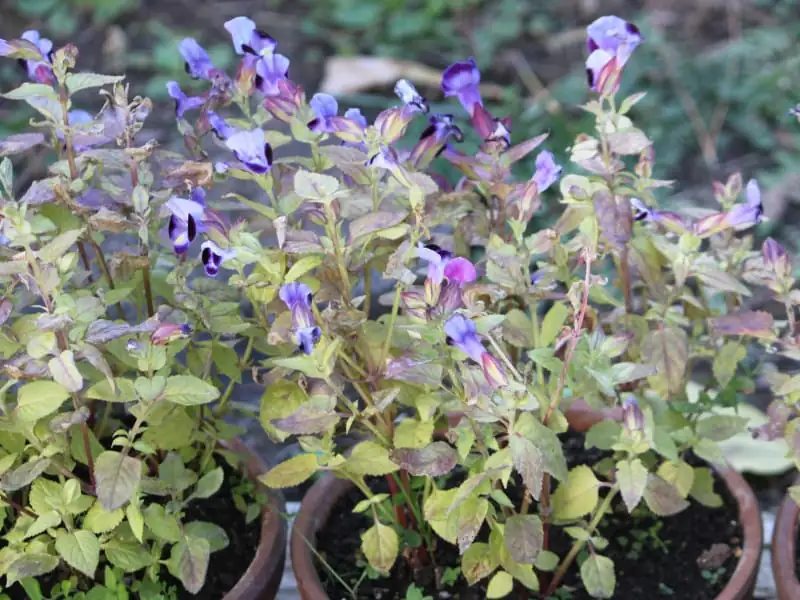
- Size: Typically 20–30 cm (8–12 in) tall and 20–25 cm (8–10 in) wide; trailing types may spread 25–35 cm (10–14 in) or trail up to about 90 cm (36 in).
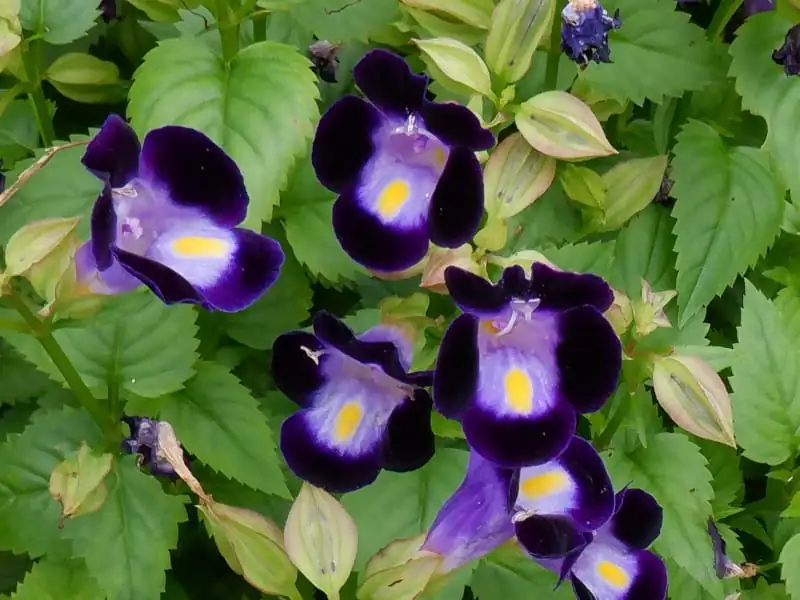
- Foliage: Fresh green, soft-textured leaves that are oval to lance-shaped with lightly serrated edges. Leaves sit opposite each other along the stems, creating a lush backdrop for the flowers. Stems are often square in cross-section and generally smooth (hairless).
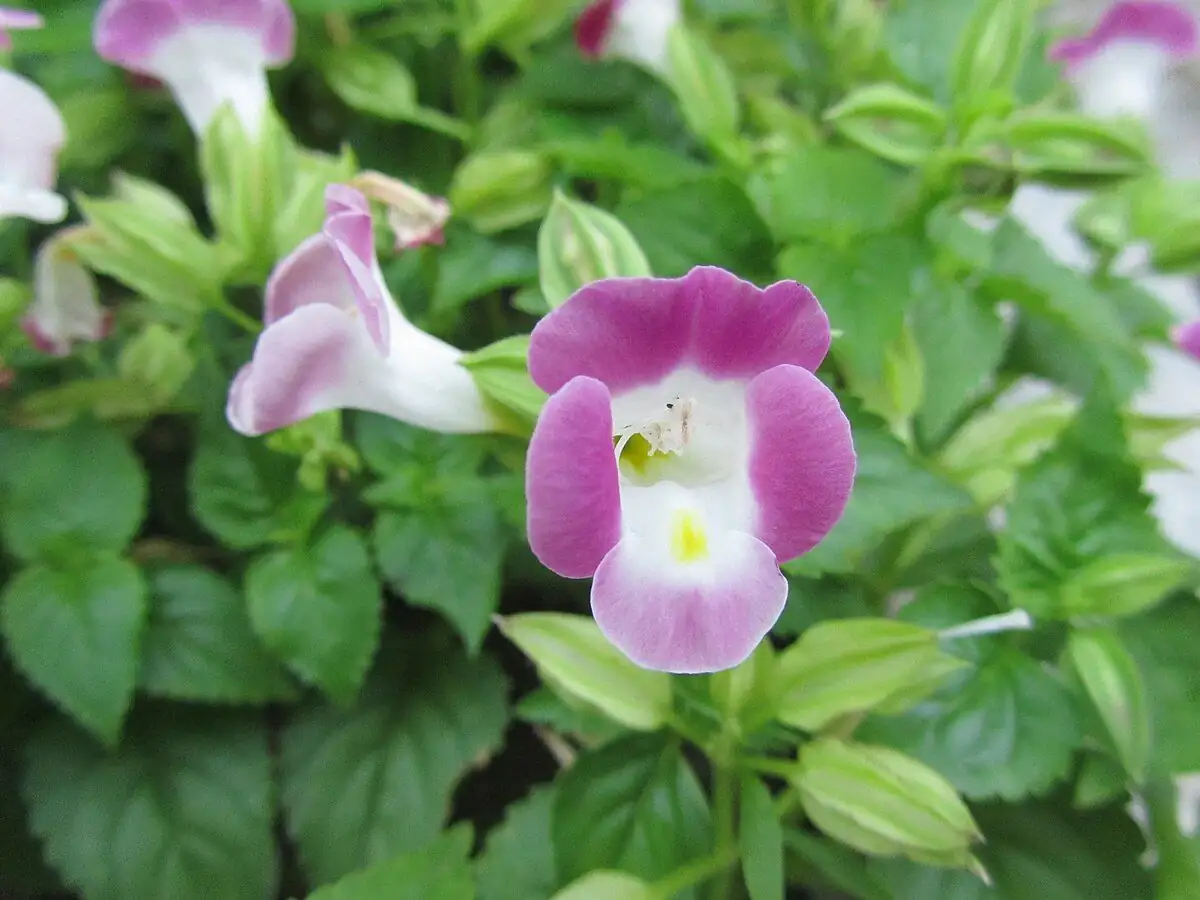
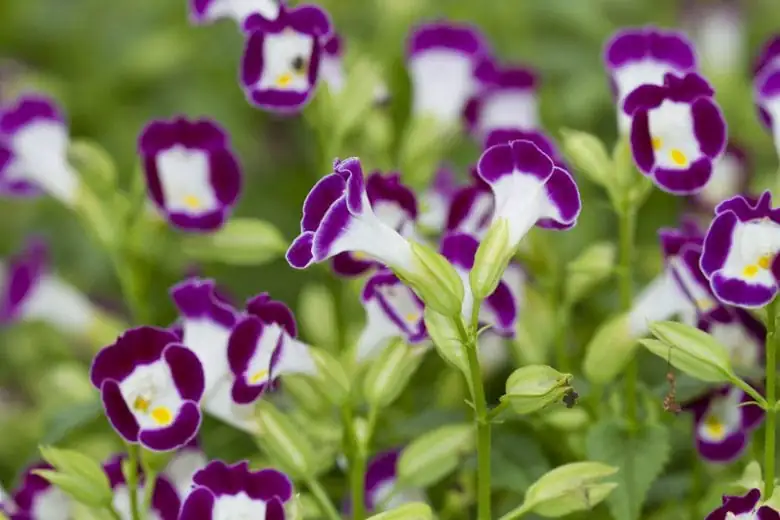
- Flower: Showy, tubular trumpet-shaped flowers about 2.5–5 cm (1–2 in) long with a two-lipped look—three larger lower lobes and two smaller upper lobes. Many flowers have yellow spots or darker blotches in the throat. Inside are the signature paired stamens that curve together like a tiny wishbone (the feature behind the common name). Colors span blue, purple, pink, magenta, white, yellow, and many bicolors.
- Flowering Season: Late spring through fall (May to October). In tropical/subtropical climates, it may bloom for much longer and can flower nearly year-round in Zones 10–11.
- Growth Habit: Compact, mounded, branching annual (or tender perennial in frost-free climates). Many cultivars stay neat and dense; some are bred to trail for baskets and edging.
Environment
Sunlight
Best in partial shade to full shade—especially where afternoons are hot. It can take more sun (even full sun) in cooler regions if watered consistently, but typically appreciates morning sun and afternoon shade.
Temperature
Loves warmth: about 20–35°C (68–95°F). Frost-tender; growth collapses with freezing temperatures.
Humidity
Enjoys moderate to high humidity (around 50%+). Good airflow helps prevent fungal problems in muggy weather.
Soil
Rich, moisture-retentive but well-draining soil is ideal—loamy mixes with plenty of compost work beautifully. Prefers slightly acidic to neutral pH (about 6.0–7.0). In containers, use a quality free-draining potting mix and always ensure drainage holes.
Placement
Perfect for bright shade: under trees, north- or east-facing beds, shaded borders, patios, balconies, window boxes, and hanging baskets—anywhere you want long-lasting color without scorching sun.
Hardiness
USDA Zones 10–11 as a tender perennial; grown as a warm-season annual in colder zones.
Care Guide
Difficulty
Easy and beginner-friendly—one of the most rewarding shade annuals when kept evenly moist.
Buying Guide
Pick plants that look compact and well-branched with healthy, bright green foliage. Avoid leggy stems, yellowing leaves, or any sticky residue (a sign of aphids/whiteflies). Bud-heavy plants give the fastest color payoff.
Watering
Keep the soil consistently moist, not waterlogged. Water when the top 2.5 cm (1 in) feels dry. Containers may need daily watering during hot, dry spells. Try to water at the base (not over the leaves) to reduce mildew risk, and consider mulch to slow evaporation.
Fertilization
Feed every 2–4 weeks during active growth with a balanced water-soluble fertilizer, or use a slow-release fertilizer at planting time. Container plants generally appreciate slightly more regular feeding. Avoid heavy overfeeding, which can push leafy growth at the expense of flowers and make plants lanky.
Pruning
Pinch young plants early to encourage a fuller, bushier shape. No deadheading is needed because it’s self-cleaning, but a light trim can refresh plants mid-season or keep baskets tidy.
Propagation
Most commonly grown from seed. Start indoors 8–10 weeks before the last frost, or sow outdoors after frost danger passes. Seeds need light to germinate—press them into the surface rather than covering them. Expect germination in about 7–15 days at around 21°C (70°F). It may self-sow lightly where conditions suit it.
Repotting
For container growing, refresh the potting mix each spring and use a pot with good drainage to prevent root rot.
📅 Seasonal Care Calendar
Spring: Start seeds indoors or plant transplants after the last frost. Summer: Peak bloom—water steadily and feed lightly and regularly. Fall: Keeps flowering until frost. Winter: Treat as an annual in cold climates; in frost-free climates it may persist and keep blooming.
Pests, Diseases & Safety
Common Pests & Diseases
Generally trouble-free. Occasionally bothered by aphids or whiteflies (use insecticidal soap or neem). Slugs and snails may chew plants in shady, damp spots (use barriers or baits). Too much moisture on leaves or poor airflow can lead to fungal issues like powdery mildew; soggy soil can cause root rot—aim for even moisture and good drainage.
Toxicity
Generally considered non-toxic to common pets (cats, dogs, horses). Even so, it’s best to discourage chewing, as any plant material can cause mild stomach upset in sensitive animals.
Culture & Symbolism
Symbolism: Often associated with happiness, charm, friendship, affection, and a little bit of luck—thanks to the “wishbone” hidden inside each bloom.
History & Legends: Cultivated as an ornamental since the late 19th century, wishbone flower became popular with gardeners because it does something rare: it flowers generously in shade during the heat of summer. Its memorable common name comes directly from the curved stamens that resemble a tiny wishbone inside the flower.
Uses: Primarily ornamental. A standout for shady garden color in beds, borders, and containers; excellent in hanging baskets and window boxes. The nectar-rich blooms also attract pollinators such as bees and butterflies, and can draw hummingbirds where they’re present.
FAQ
Can wishbone flower grow in full sun?
Yes, especially in cooler climates—just keep it well-watered. In hot regions, it performs best with morning sun and afternoon shade.
Will Torenia come back every year?
Only in frost-free climates (roughly USDA Zones 10–11), where it can behave like a tender perennial. In colder areas it’s grown as an annual and won’t survive frost.
Do I need to deadhead it?
No—most Torenia is self-cleaning, so old flowers drop off naturally. A quick trim can help if plants start looking tired mid-season.
Is Torenia invasive?
It isn’t generally considered invasive. It may self-sow a little in ideal conditions, but it typically stays well-behaved.
What plants pair well with Torenia in shade containers?
Try coleus, impatiens, begonias, ferns, hostas, lobelia, and astilbe—plants that enjoy similar light and moisture.
Fun Facts
- The “wishbone” is real: the two curved stamens inside the flower look like a tiny chicken wishbone.
- It’s one of the most reliable shade-loving annuals for steady color through hot summer weather.
- Seeds need light to germinate—so they should be pressed onto the soil surface rather than buried.
- Many modern cultivars have been selected for improved performance in heat and humidity, making them even easier in summer.