Plant Features
- Size: Typically a rounded, multi-stemmed shrub reaching up to about 3 m (10 ft) tall.
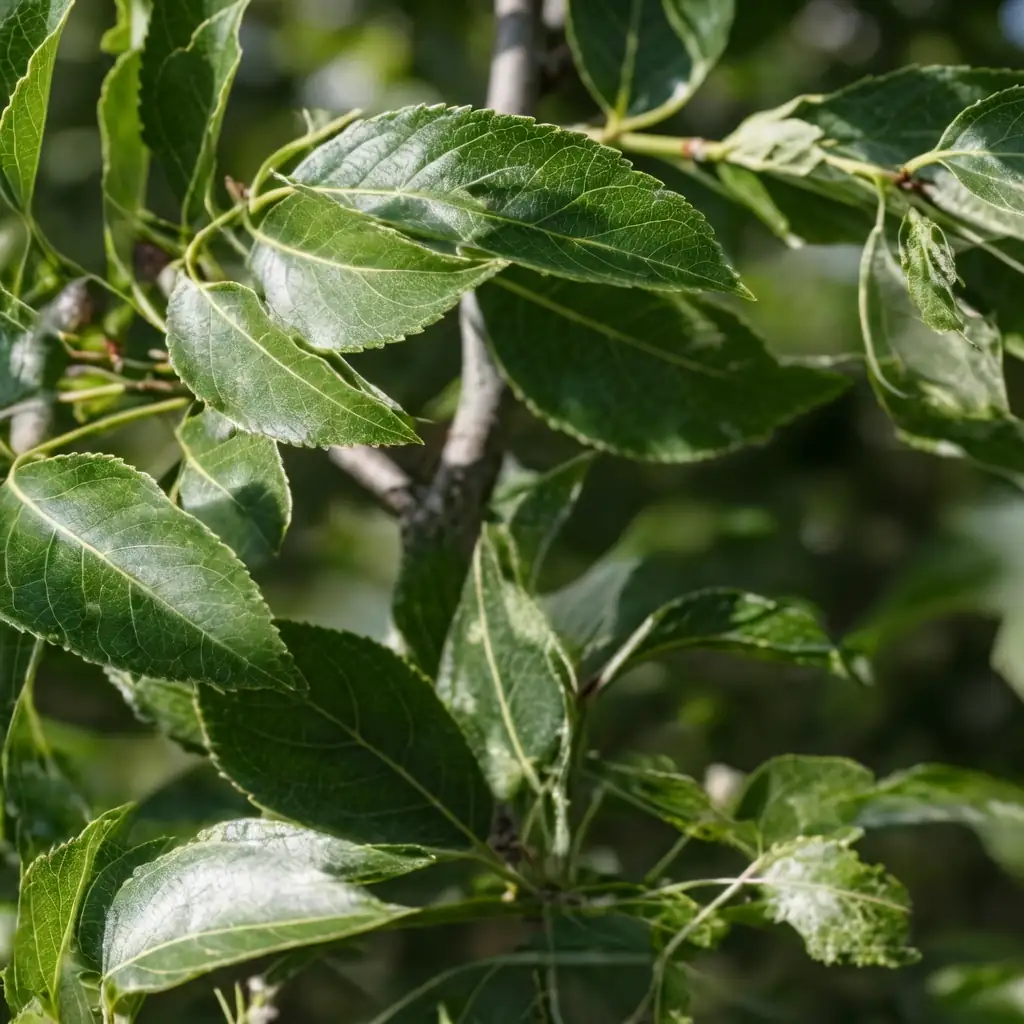
- Foliage: Leaves are oval to ovate-lanceolate with pointed tips, usually about 7–15 cm (2.8–5.9 in) long. The upper surface can feel slightly rough with stiff hairs, while the underside is smoother.
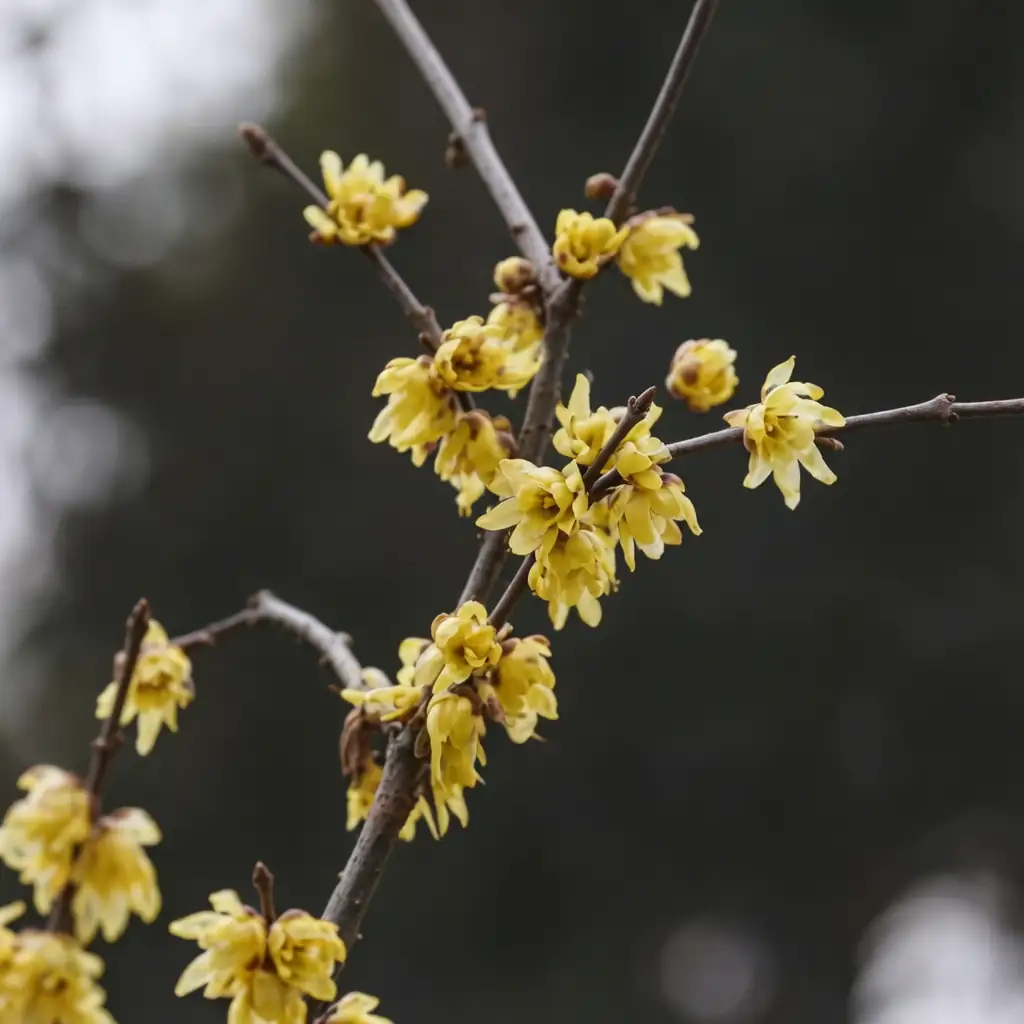
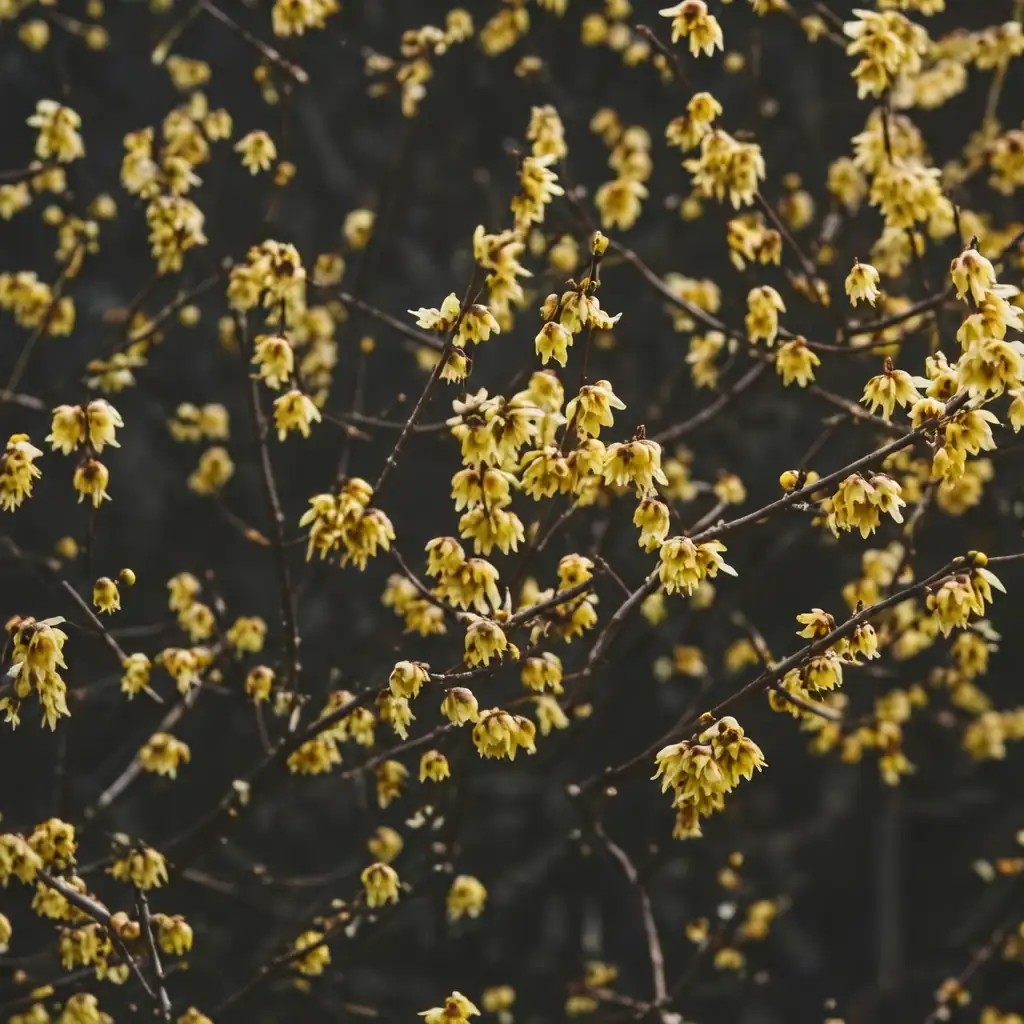
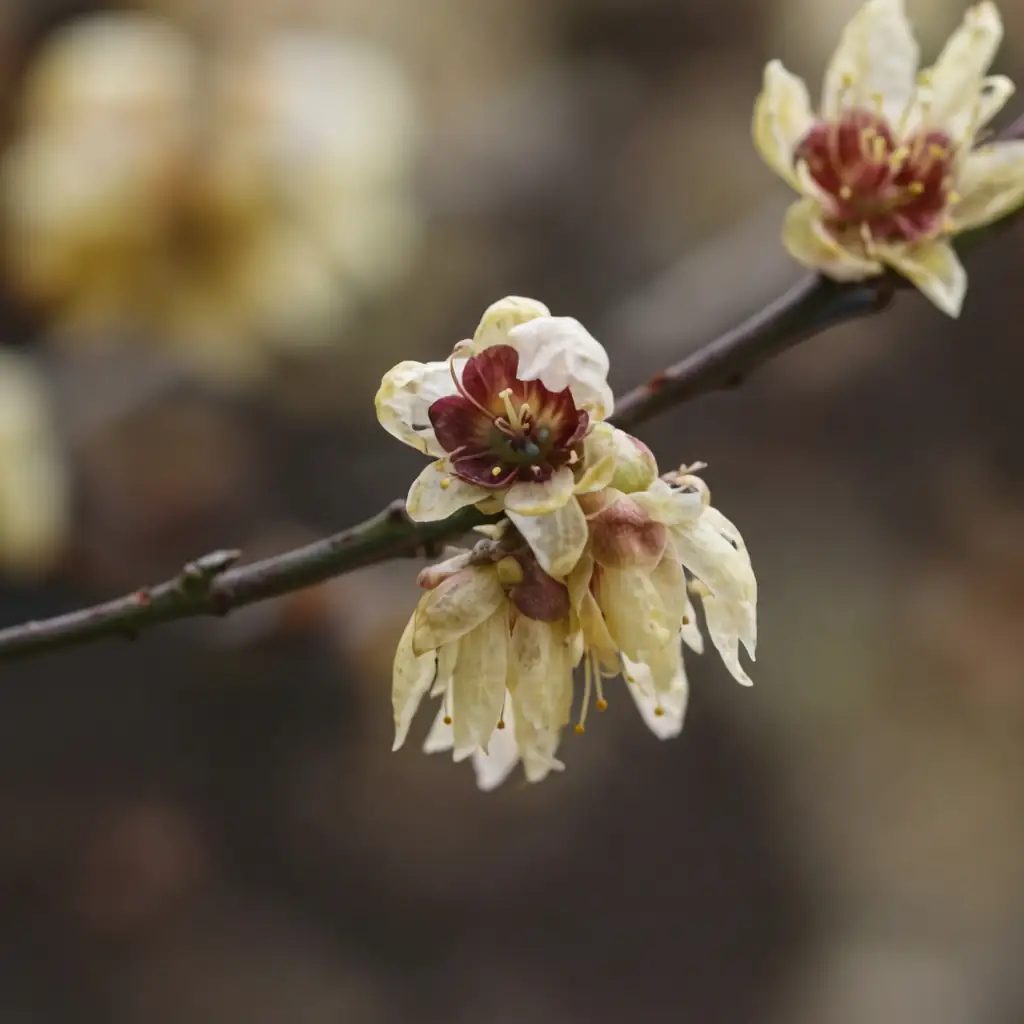
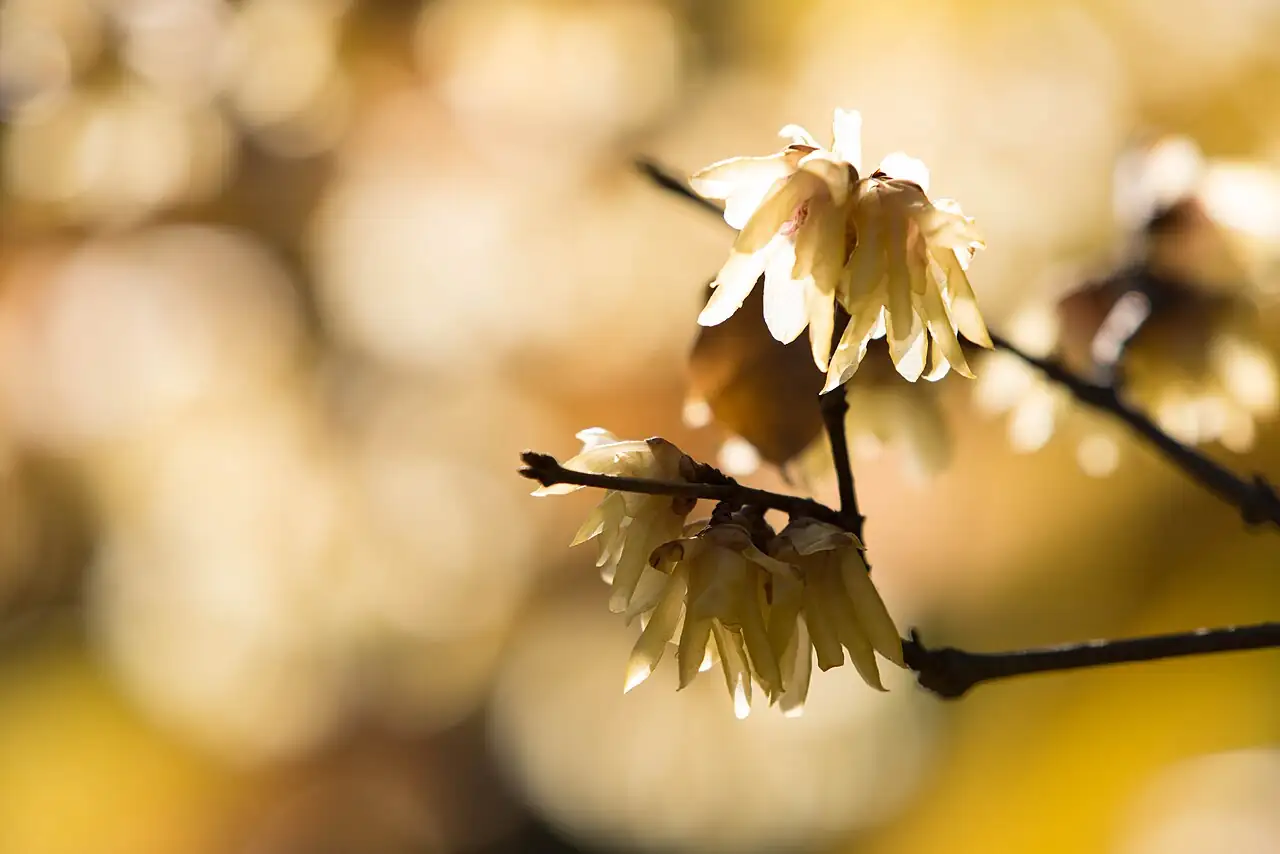
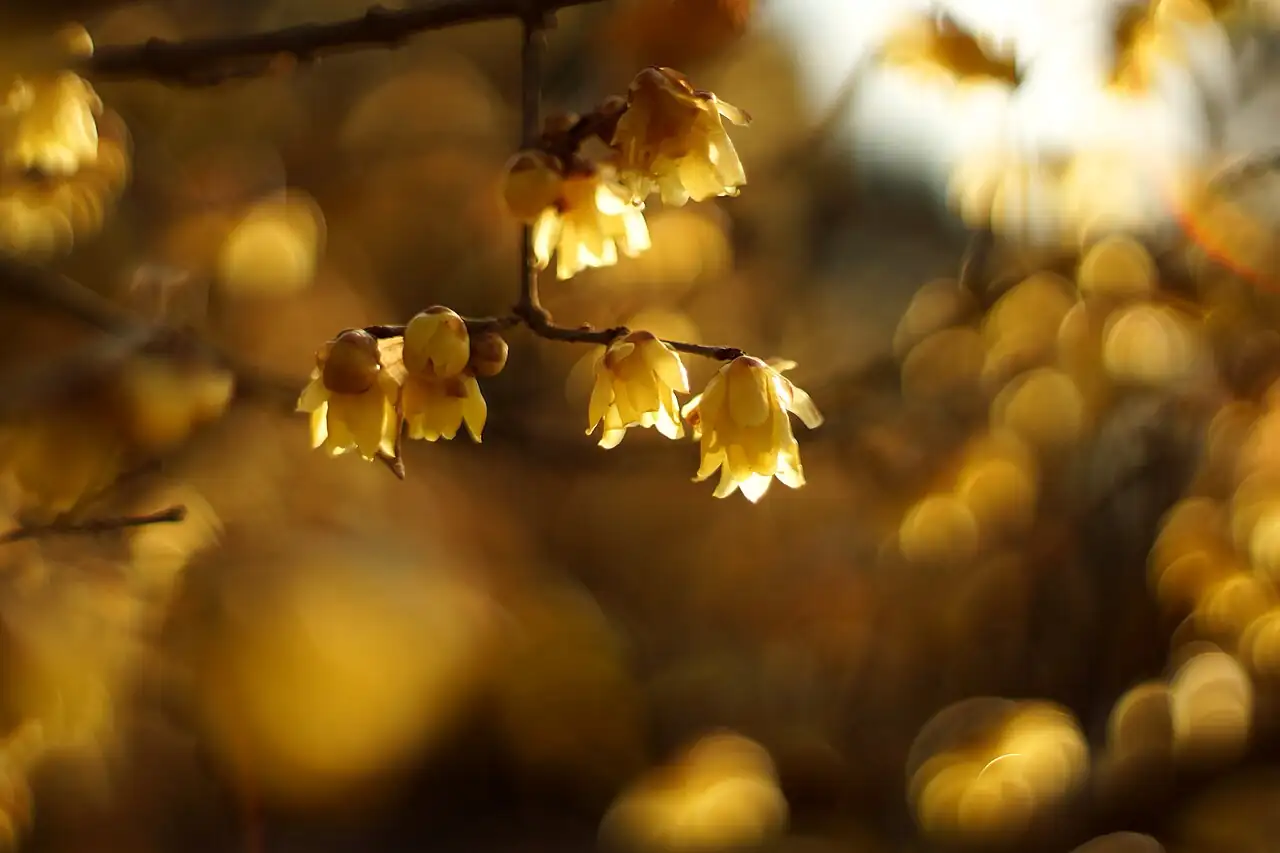
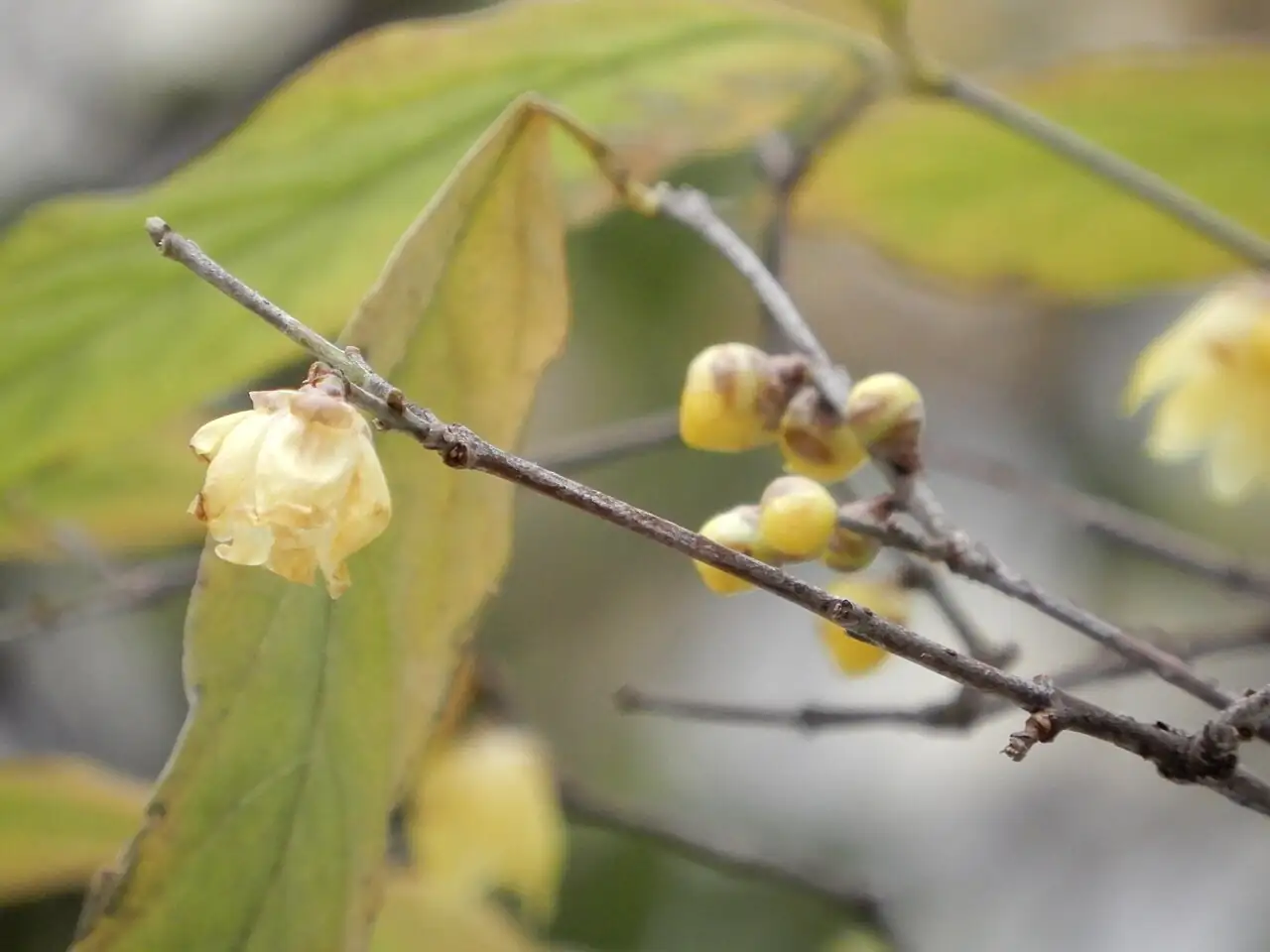
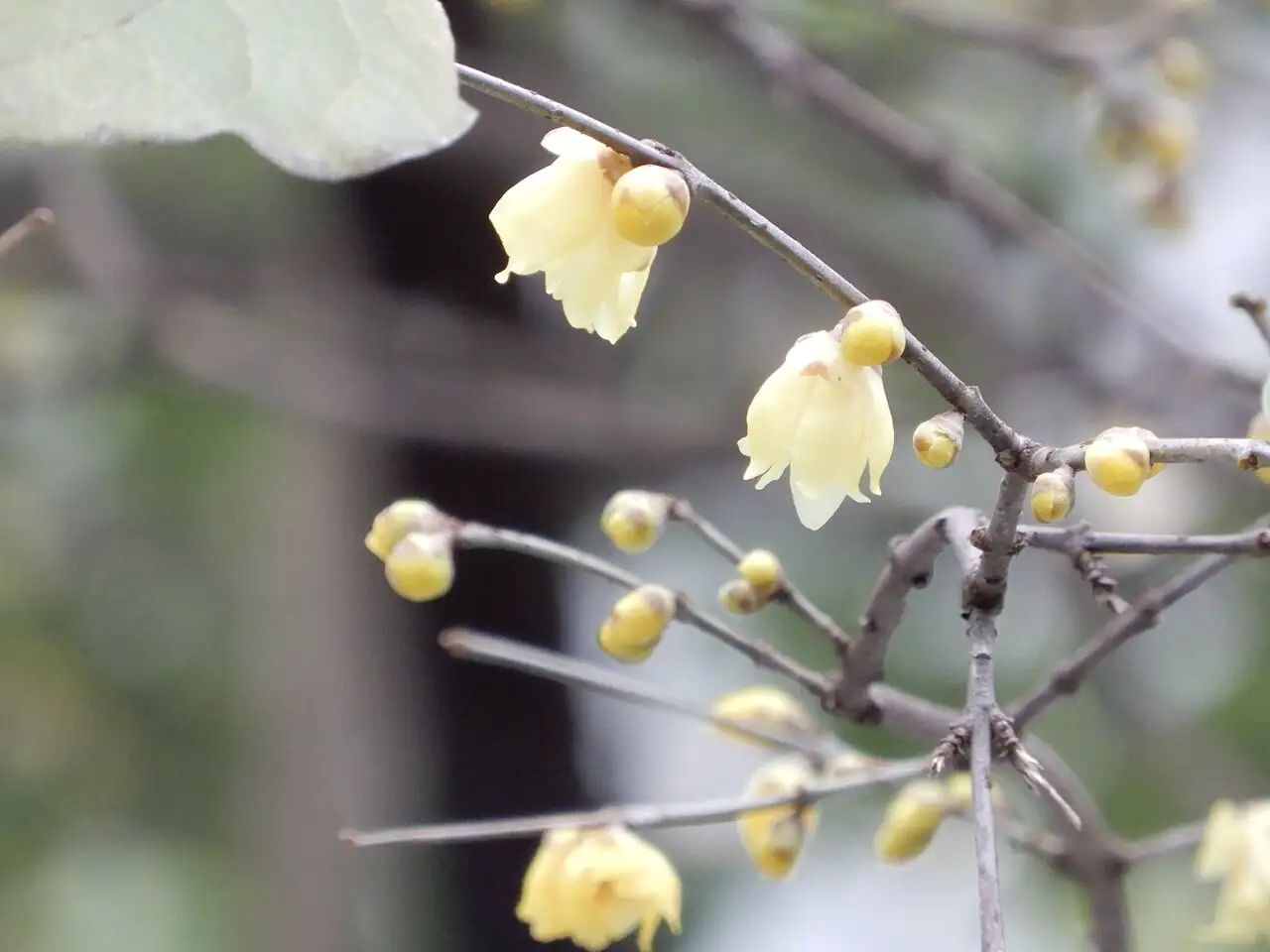
- Flower: Solitary, waxy flowers about 2.5 cm (1 in) across. Outer tepals are clear, waxy yellow; inner segments often show purple to maroon striping. Flowers are strongly scented and commonly open on bare stems before leaves emerge.
- Flowering Season: November to March (late fall through early spring, depending on climate)
- Growth Habit: Deciduous, multi-stemmed shrub with a naturally rounded form
Environment
Sunlight
Full sun to partial shade; best flowering and strongest fragrance in full sun. A sheltered spot away from strong, drying winds helps protect buds.
Temperature
Cold hardy; established plants can tolerate about -15°C (5°F).
Humidity
Not fussy about humidity, but it prefers conditions that aren’t constantly wet. Moderately drought tolerant once established; avoid prolonged sogginess around the roots.
Soil
Deep, fertile, loose, well-drained soil is ideal; slightly acidic sandy loam is a great fit. Avoid saline soils and strongly alkaline conditions, and never plant where water sits in winter.
Placement
Near doorways, paths, patios, or along a warm wall where winter fragrance can be enjoyed; also excellent in containers, for bonsai-style training, and for cutting branches to force indoors.
Hardiness
Approximately USDA Zone 7 to 9; avoid frost pockets and waterlogged winter soils.
Care Guide
Difficulty
Moderate: very rewarding and fairly easy once established if it has sun and excellent drainage. The main challenge is preventing winter wet and avoiding exposed, windy sites that can cause bud drop.
Buying Guide
Choose plants with multiple healthy stems and plump buds (especially in late fall to winter). Avoid specimens that are pot-bound or sitting in sour-smelling, constantly wet compost. If available, pick named cultivars for more reliable flower form, color, and fragrance.
Watering
Water regularly during the first growing season to help it establish. After that, let the top layer of soil dry slightly between waterings—aim for evenly moist, never soggy. For containers, ensure fast drainage and don’t let the pot stand in water.
Fertilization
Feed in early spring with a balanced slow-release fertilizer or a generous top-dressing of compost. Go easy on high-nitrogen feeds, which can push leafy growth at the expense of flowers.
Pruning
Prune right after flowering (late winter to early spring). Remove dead wood and any crossing or inward-growing stems, and thin lightly to keep an open framework. Avoid hard pruning in late summer or fall, because you may remove developing buds for next winter’s show.
Propagation
Propagate by semi-hardwood cuttings in summer, layering, or grafting selected cultivars. Seed is possible, but seedlings vary and often take longer to flower.
Repotting
For potted plants, repot every 2–3 years in spring after flowering. Refresh with a free-draining, slightly acidic mix, increase pot size gradually, and keep drainage holes clear.
📅 Seasonal Care Calendar
Flowering: November–March. Fruiting: April–November. Flowers often open before leaves; prioritize winter drainage and provide shelter from strong winds to help buds hold and open well.
Pests, Diseases & Safety
Common Pests & Diseases
Generally trouble-free. Watch for aphids on soft new growth and occasional scale insects. Leaf spots and other fungal issues are more likely in still, overly wet conditions—improve airflow and avoid overwatering. The most common serious problem is root stress from waterlogging; improving drainage is the best prevention.
Toxicity
Toxicity is not consistently documented across major household/pet references. For safety, treat it as potentially harmful if ingested: keep plant parts away from children and pets, and do not consume.
Culture & Symbolism
Symbolism: A classic symbol of resilience and hope—wintersweet blooms when most plants are resting, bringing fragrance and color to the darkest season.
History & Legends: Long cultivated in China as a prized winter ornamental. Branches are traditionally cut and brought indoors to perfume the home and celebrate the season.
Uses: Primarily grown as a winter ornamental for its scent and flowers. Popular near entrances and walkways, trained against walls, grown in pots (even bonsai-style), and used as cut branches for indoor display. In Chinese-style plantings it’s often paired with heavenly bamboo (Nandina) for a lively winter combination of fragrance, color, and texture.
FAQ
Why does my wintersweet have lots of buds but few flowers?
Bud drop is commonly caused by cold, drying winds or waterlogged roots in winter. Choose a sheltered position with excellent drainage, and don’t overwater in winter—especially for container plants.
Does wintersweet need full sun?
It can grow in partial shade, but full sun usually gives the heaviest flowering and strongest fragrance. In very hot climates, light afternoon shade can reduce stress.
When should I prune wintersweet?
Prune right after flowering (late winter to early spring). Pruning later can remove developing buds for next season.
Fun Facts
- The flowers often open before the leaves appear, so you get blooms on bare winter branches.
- That glossy, translucent look is why people describe the petals as “waxy”—and how it earned the name wintersweet.
- Many forms have yellow outer tepals with purple to maroon markings in the center, and the scent can carry surprisingly far on cold air.
- It’s impressively cold tolerant for such a fragrant shrub, tolerating around -15°C (5°F) once established.
- A classic East Asian garden pairing is wintersweet with heavenly bamboo (Nandina) for contrasting winter color and texture.