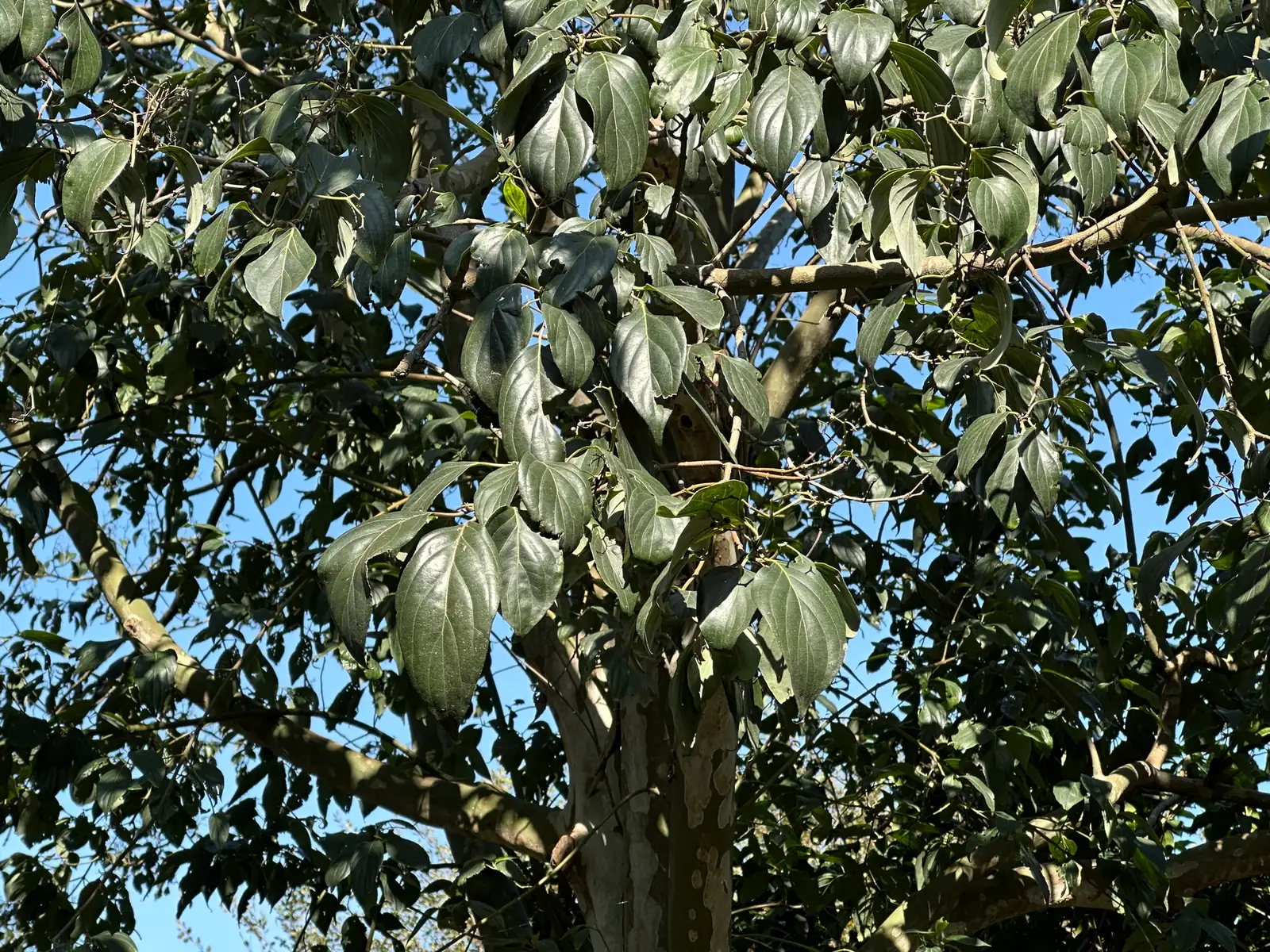
Plant Features
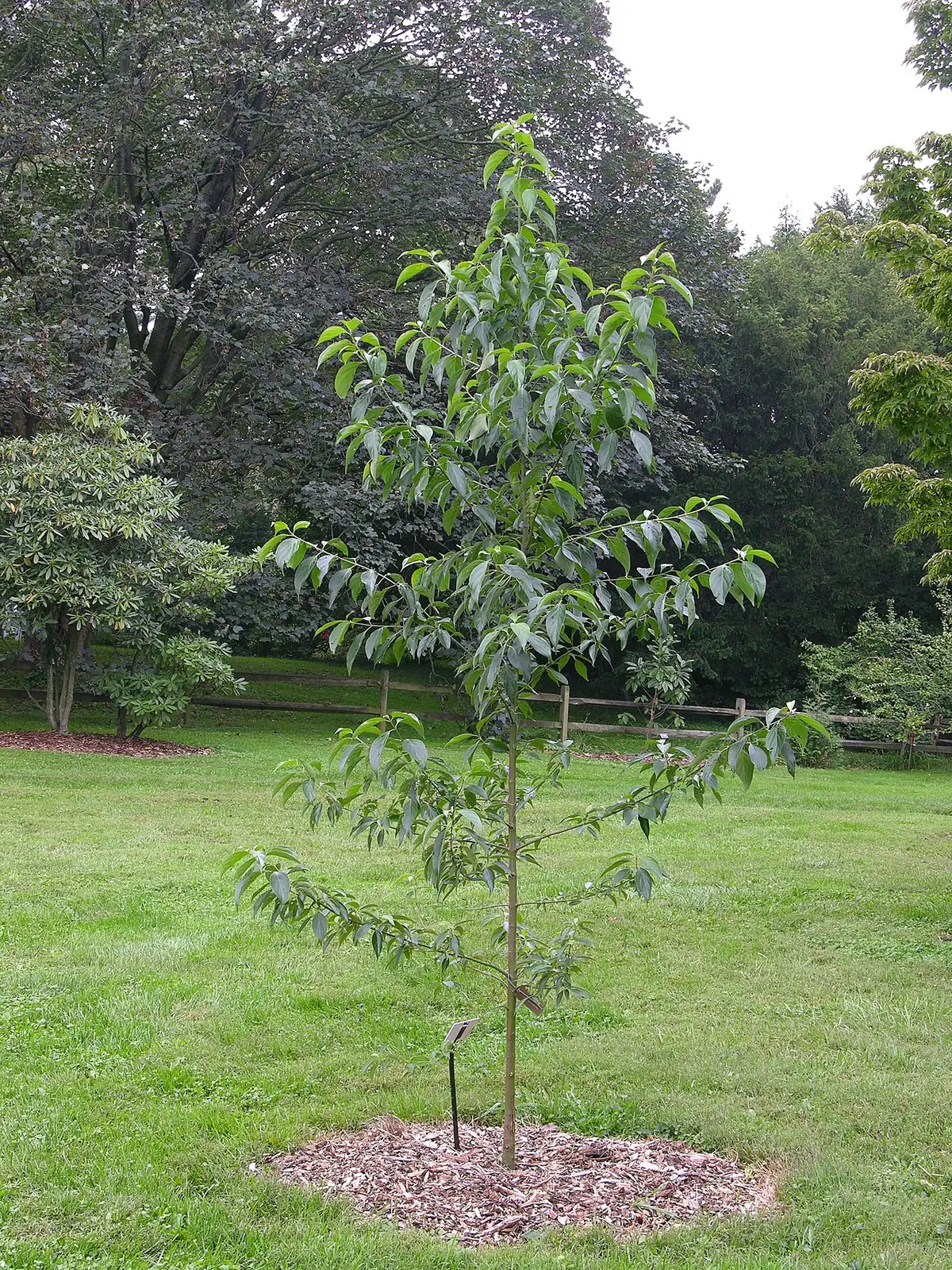
- Size: Up to 40 m (131 ft) tall; typically a large, upright deciduous tree.
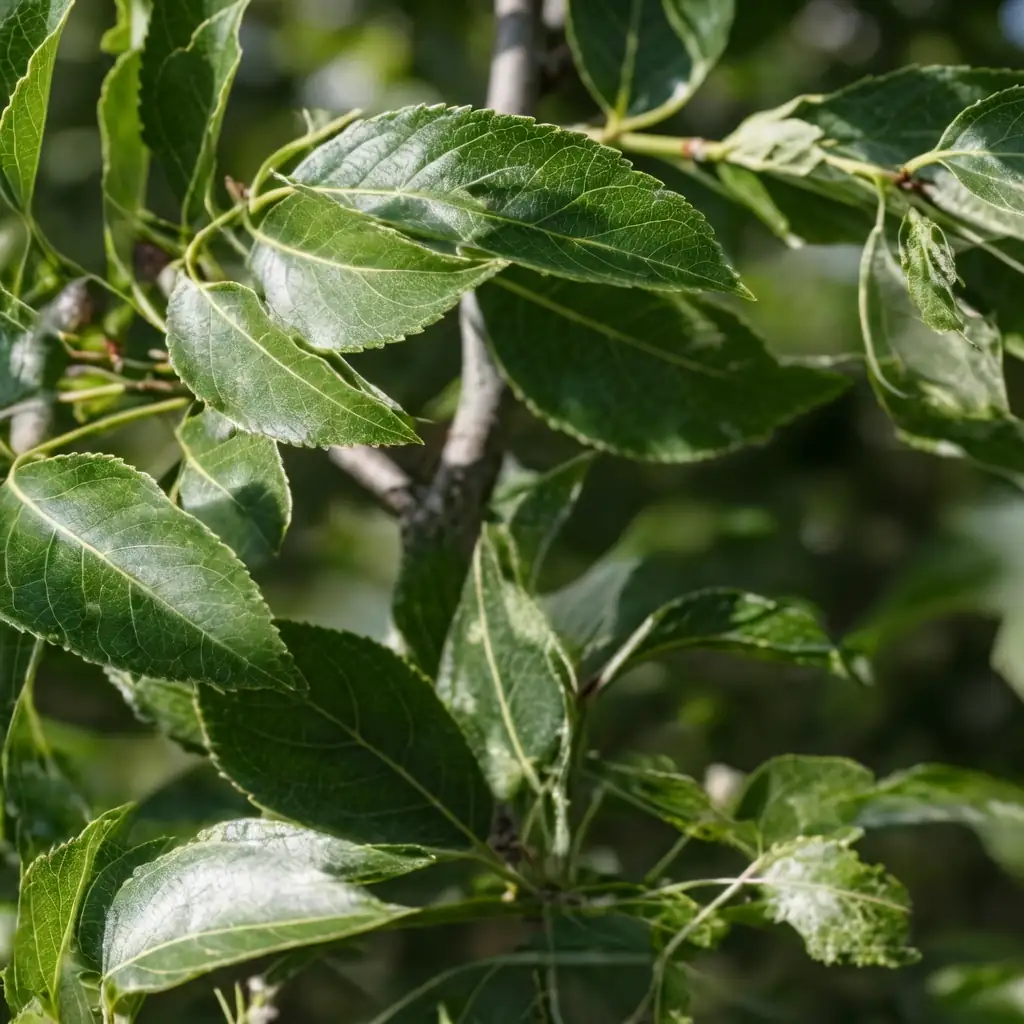
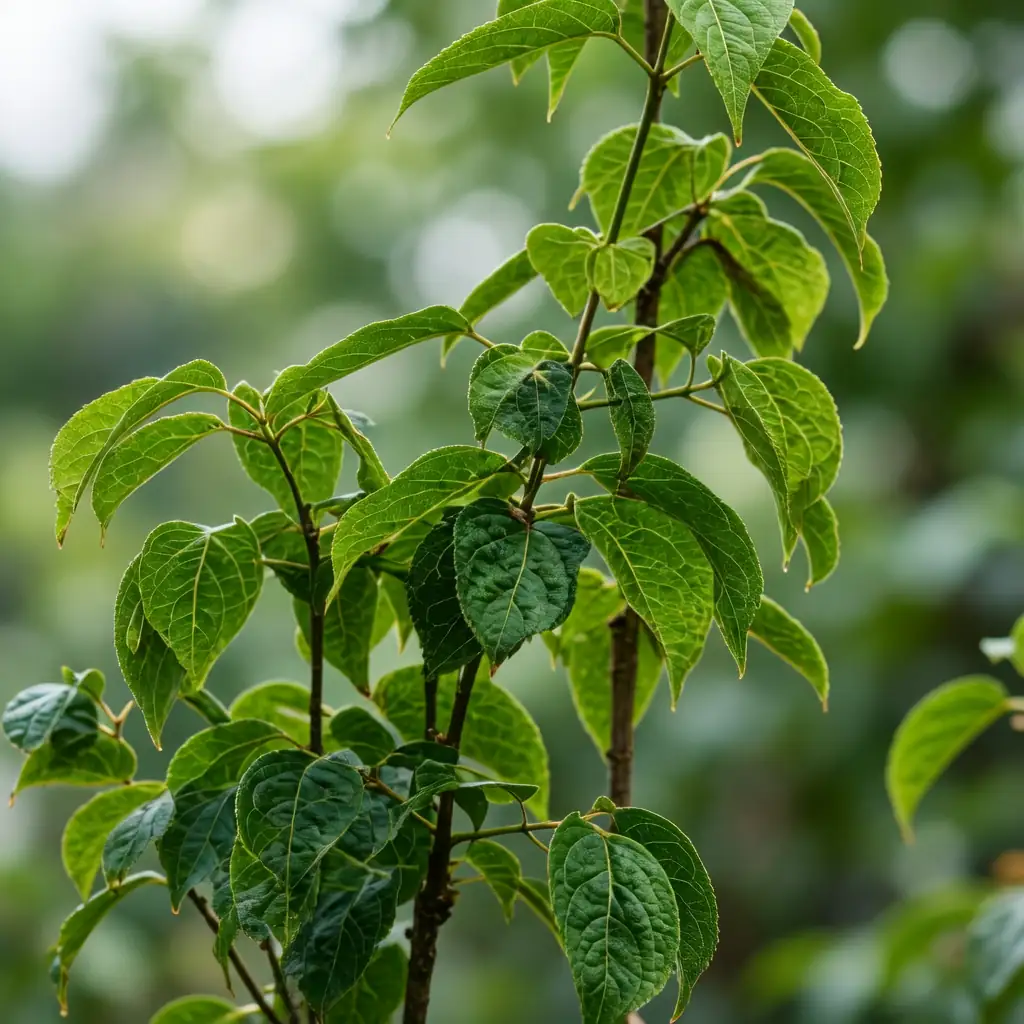
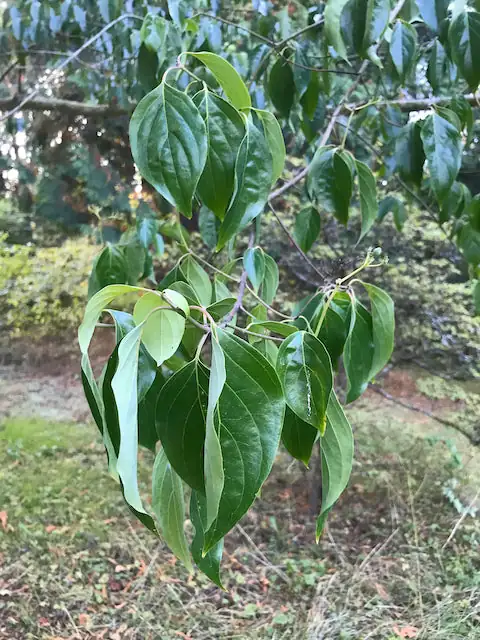
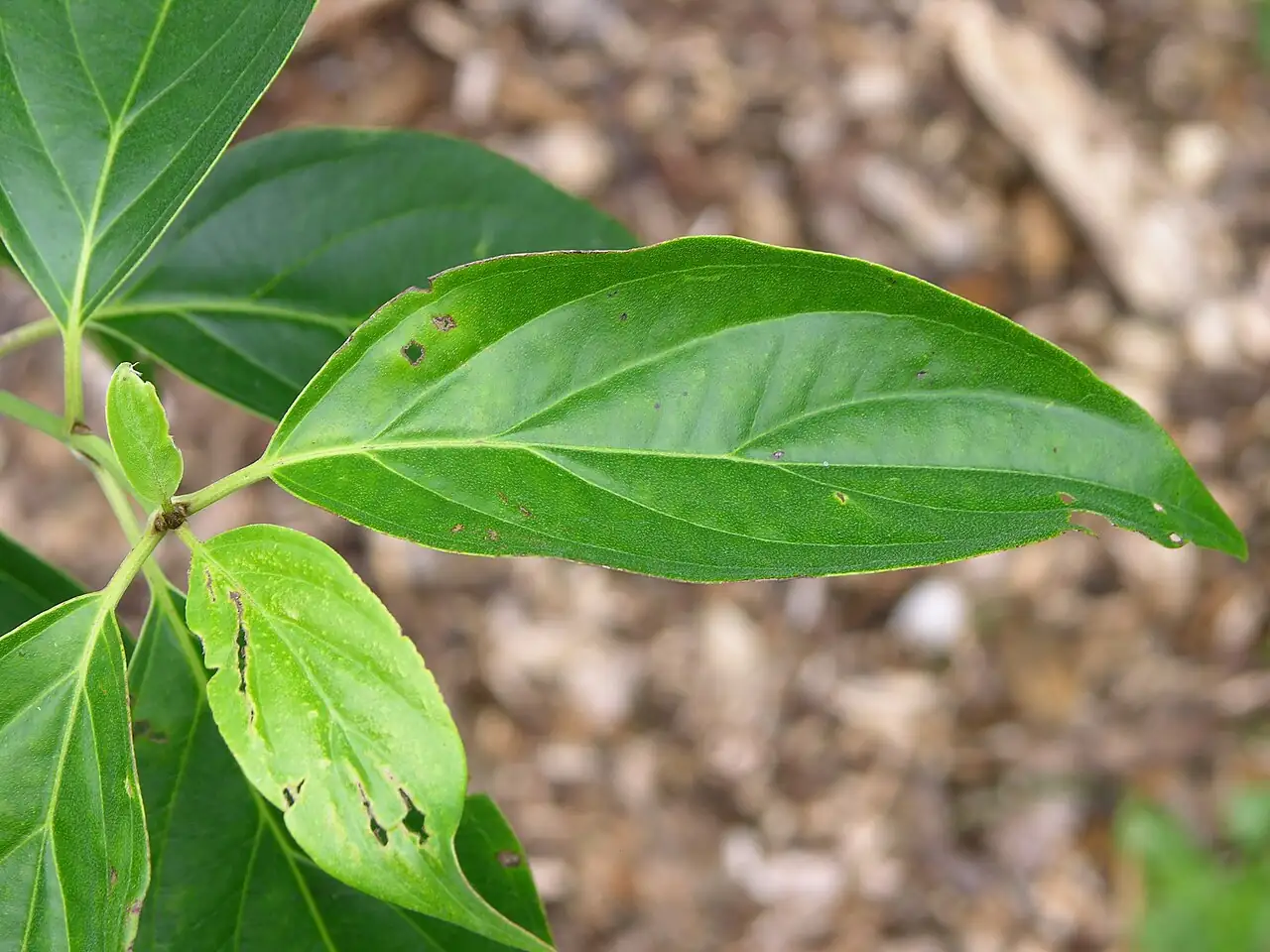
- Foliage: Leaves are opposite and papery, with pointed tips, wedge-shaped bases, and margins that may look gently wavy. The trunk and larger branches develop gray to blue-gray bark that exfoliates in distinctive plate-like patches, adding year-round texture and interest.
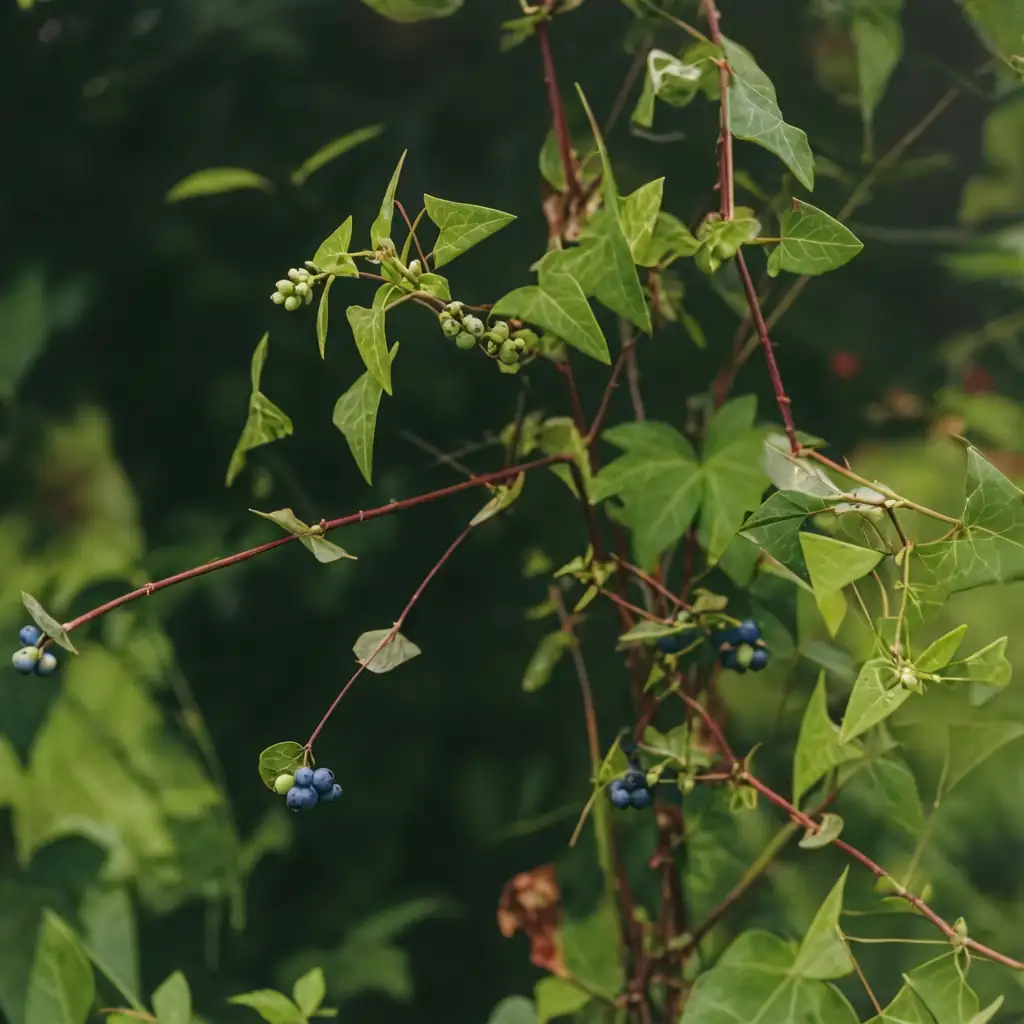
- Flower: Produces small white flowers in clustered inflorescences on slender stalks in late spring. After flowering, it sets round, berry-like drupes (stone fruits) that mature in autumn.
- Flowering Season: May (late spring)
- Growth Habit: Upright, large deciduous tree with a tall canopy when mature
Environment
Sunlight
Full sun to light shade; full sun usually gives the best flowering and strongest overall form.
Temperature
Cold tolerant and well-suited to temperate climates; for cultivation, a broad working range is roughly 5–30°C (41–86°F) depending on local provenance and conditions.
Humidity
Prefers consistently moist conditions; avoid prolonged drought, especially while establishing.
Soil
Deep, fertile, moisture-retentive yet well-drained soil. Tolerates both acidic soils and limestone-derived (calcareous) soils.
Placement
Outdoors only; ideal as a specimen tree, park tree, or street/avenue tree where it has space to develop height and canopy.
Hardiness
Cold-hardy temperate tree; exact USDA zone varies by source and local selection, but it is generally grown in cool to warm temperate regions.
Care Guide
Difficulty
Moderate (outdoors): typically robust once established, but looks best with adequate space and even moisture.
Buying Guide
Pick a healthy young tree with a straight central leader, evenly spaced branches, and no trunk wounds. Avoid severely pot-bound stock; check that roots are firm and the foliage is clean and pest-free.
Watering
Water deeply after planting and keep soil evenly moist through the first 1–2 growing seasons. Once established, water during dry spells; avoid waterlogging, especially in heavy soils.
Fertilization
In spring, top-dress with compost or use a balanced slow-release fertilizer if growth is weak. Avoid overdoing nitrogen, which can push soft, floppy growth.
Pruning
Prune in late winter to early spring to remove dead, damaged, or crossing branches and to maintain a strong central leader. Keep pruning light if you want to highlight the tree’s natural form and ornamental bark.
Propagation
Most commonly by seed (often improved by cold stratification). Cuttings can also be used in controlled propagation settings.
Repotting
Not applicable once planted in the ground. For container-grown young trees, step up to the next pot size when roots fill the container, then plant out when well established.
📅 Seasonal Care Calendar
Flowering: May (late spring). Fruiting: October–November (autumn).
Pests, Diseases & Safety
Common Pests & Diseases
Generally trouble-free. Possible issues include aphids, scale insects, and leaf spots in humid conditions. Encourage airflow, monitor regularly, and avoid frequent overhead watering to reduce leaf-spot pressure.
Toxicity
No widely documented toxicity to humans or pets is commonly cited for Cornus wilsoniana. Still, it’s sensible to discourage people and pets from eating ornamental fruits.
Culture & Symbolism
Symbolism: Often admired as a symbol of resilience and “four-season” beauty—flowers in spring, fruit in autumn, and decorative bark through winter.
History & Legends: A China-native dogwood with a long history of local appreciation for both its ornamental bark and its usefulness as a durable timber tree in regional forestry and landscaping.
Uses: Ornamental and urban greening (parks, streets, avenues); hard timber used for durable items such as furniture and agricultural tools.
FAQ
When does it flower?
Typically in May (late spring), with clusters of small white flowers.
When does it fruit?
Fruits usually mature in autumn, commonly October to November.
How tall can it get?
In favorable conditions it can reach up to about 40 m (131 ft), so it needs plenty of space.
Where is it native to?
It is native to China, recorded across many provinces including Shaanxi, Gansu, Zhejiang, Jiangxi, Fujian, Henan, Hubei, Hunan, Guangdong, Guangxi, Sichuan, and Guizhou.
What is it mainly used for?
It’s grown as an ornamental landscape and street tree, and it’s also valued for very hard wood used for durable tools and furniture.
Fun Facts
- Its gray to blue-gray bark peels away in natural plates, giving the trunk a textured, mosaic-like look.
- Despite being ornamental, it’s also a serious timber tree—its wood is notably hard and durable.
- It can grow into a very tall deciduous tree, reaching about 40 m (131 ft) in ideal settings.
- It tolerates both acidic soils and limestone-derived (calcareous) soils, which is unusual for many garden trees.
- Given enough room, it can be an excellent choice for urban greening thanks to its toughness and multi-season interest.