

Plant Features
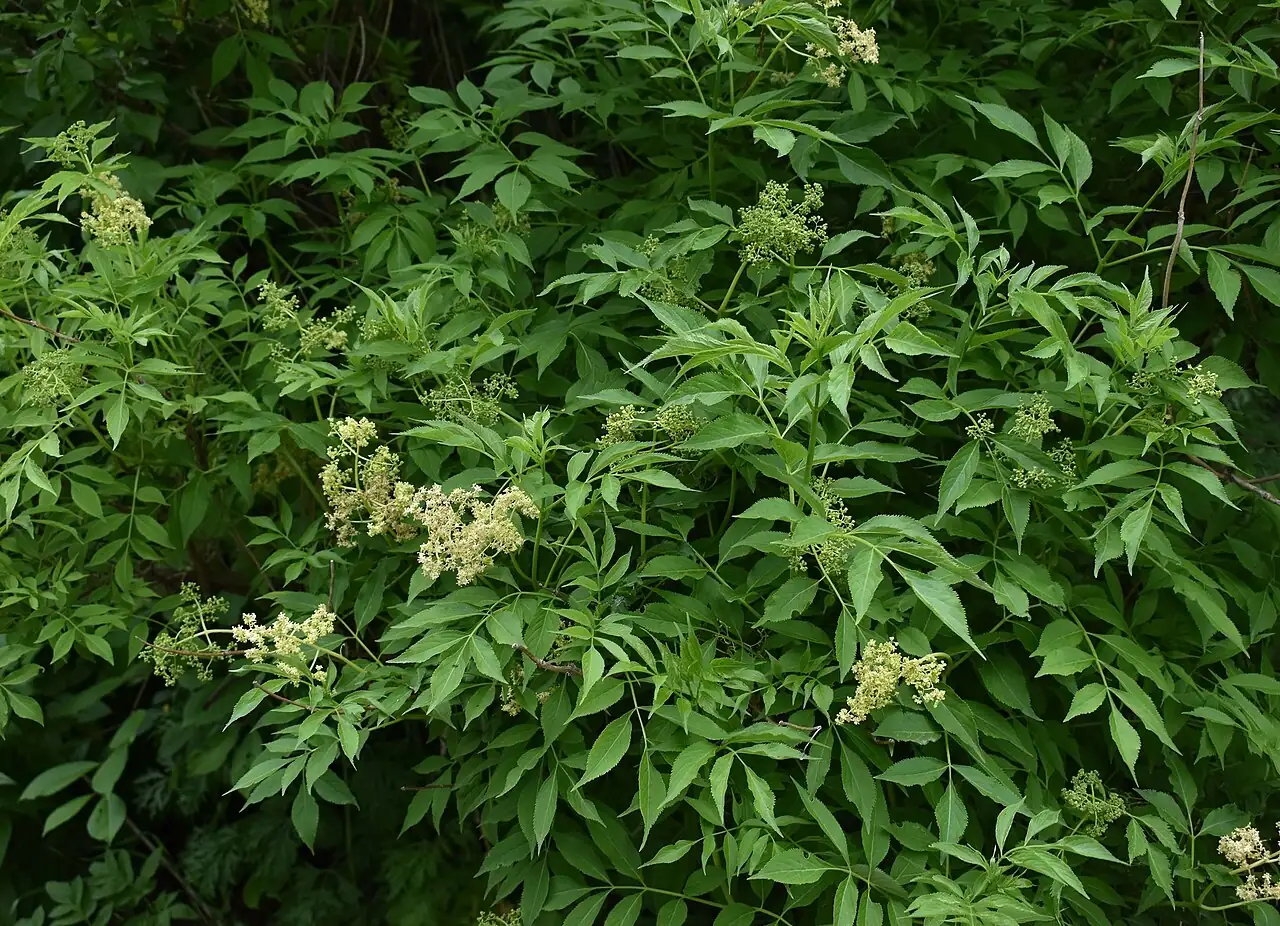
- Size: Up to 6 m (20 ft) tall; often forms a large multi-stemmed shrub or a small tree (size can be kept smaller with pruning).
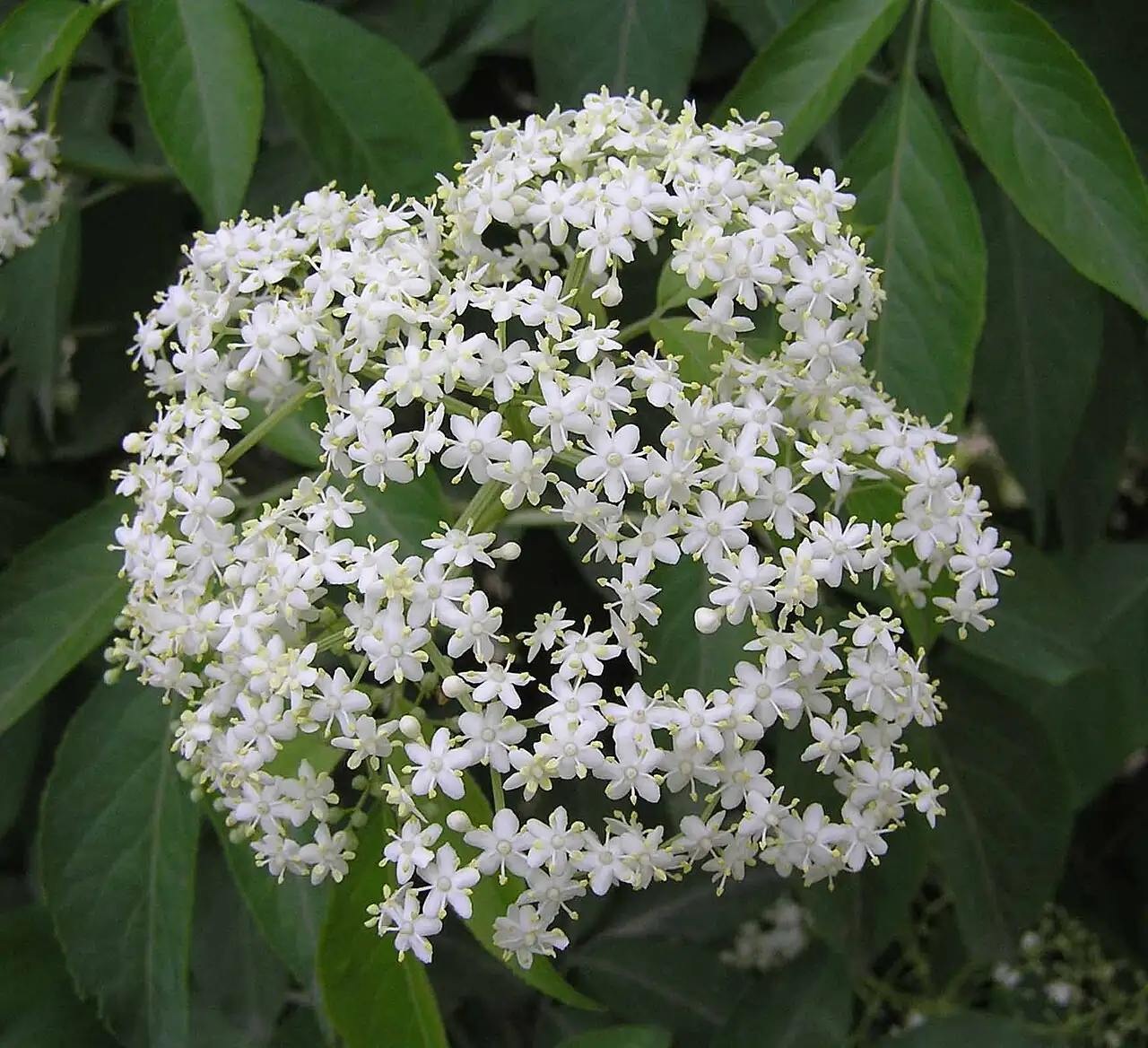
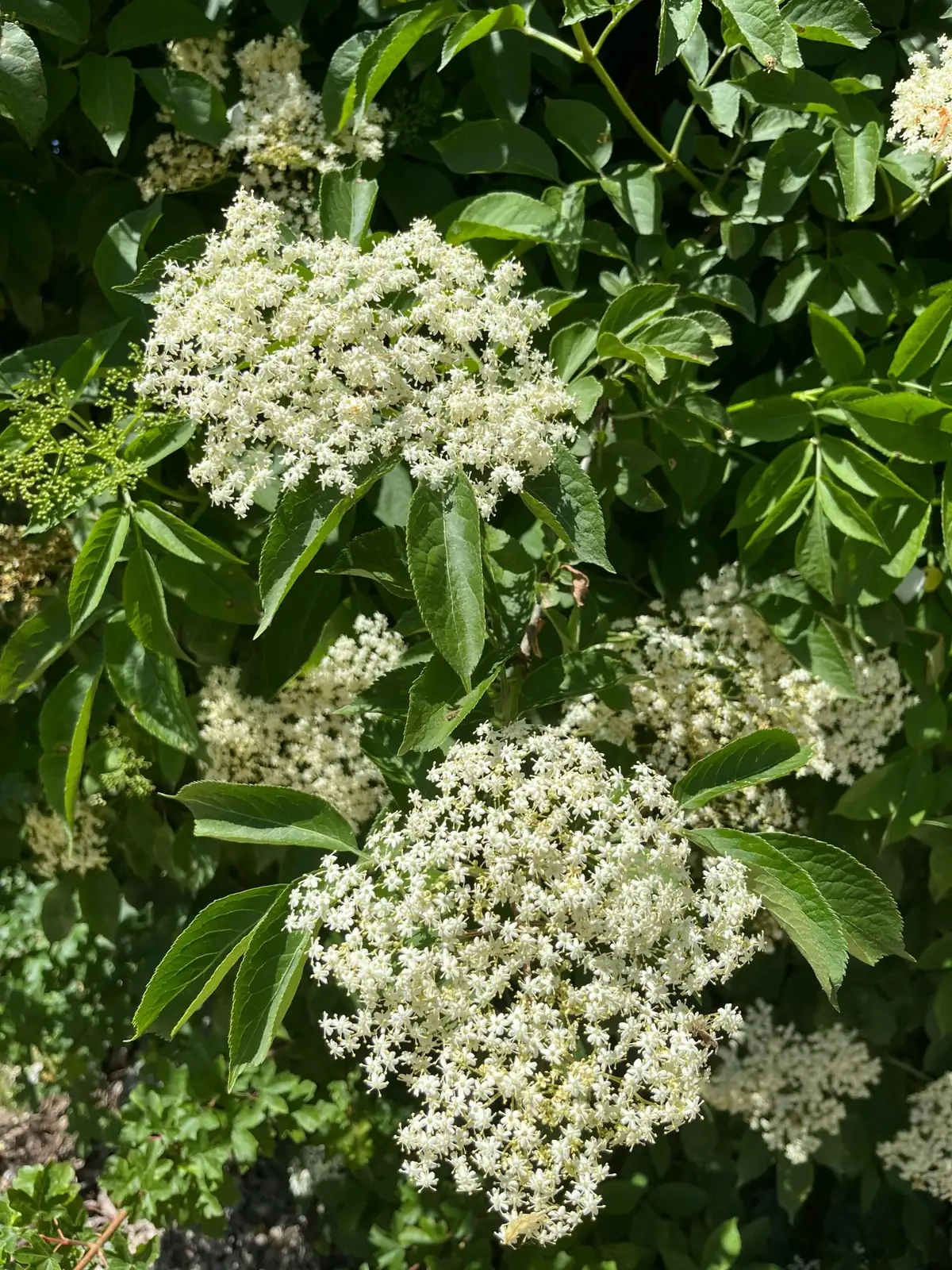
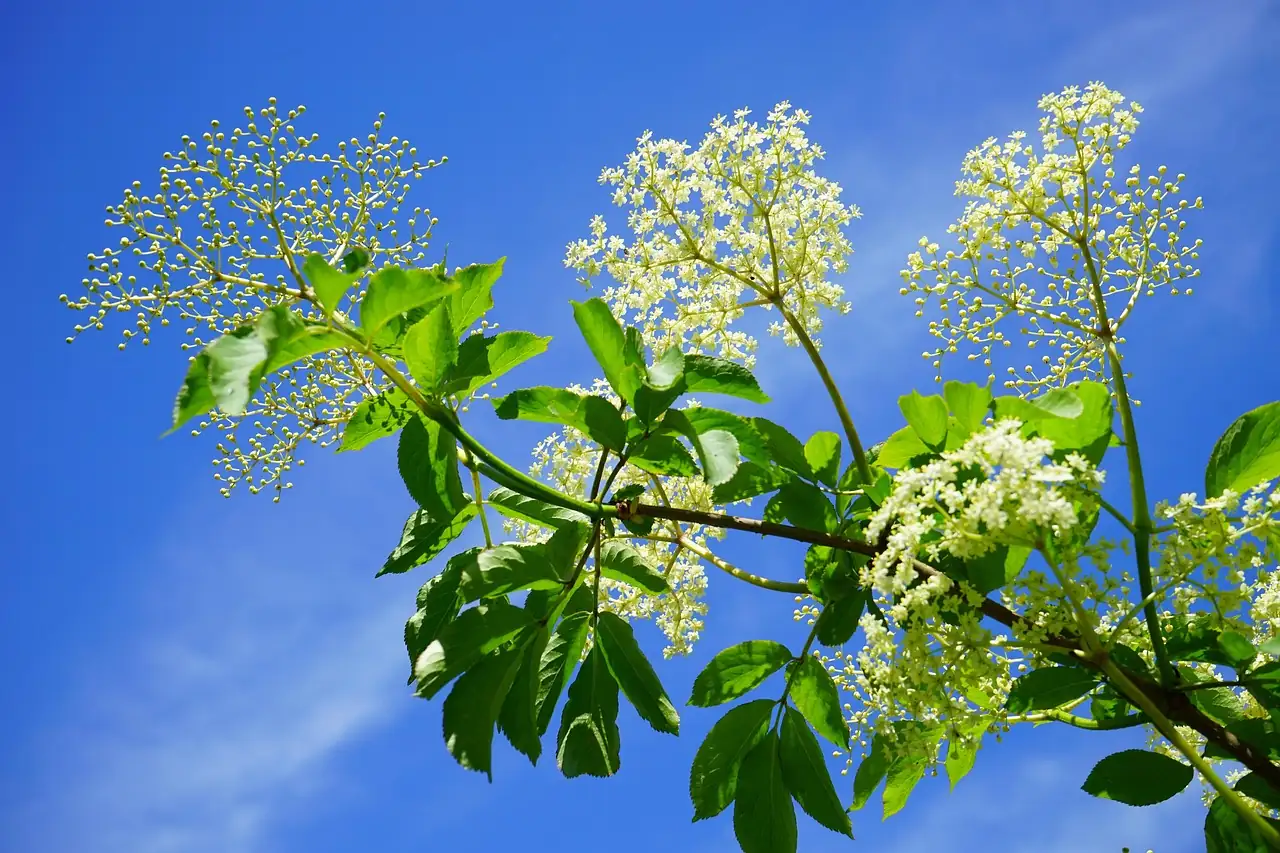
- Foliage: Deciduous, with young branches often yellow-brown. Leaves are pinnate with 5–7 leaflets; leaflets are ovate-elliptic to elliptic-lanceolate with serrated edges and can be slightly uneven at the base. Crushed foliage may have an unpleasant odor.
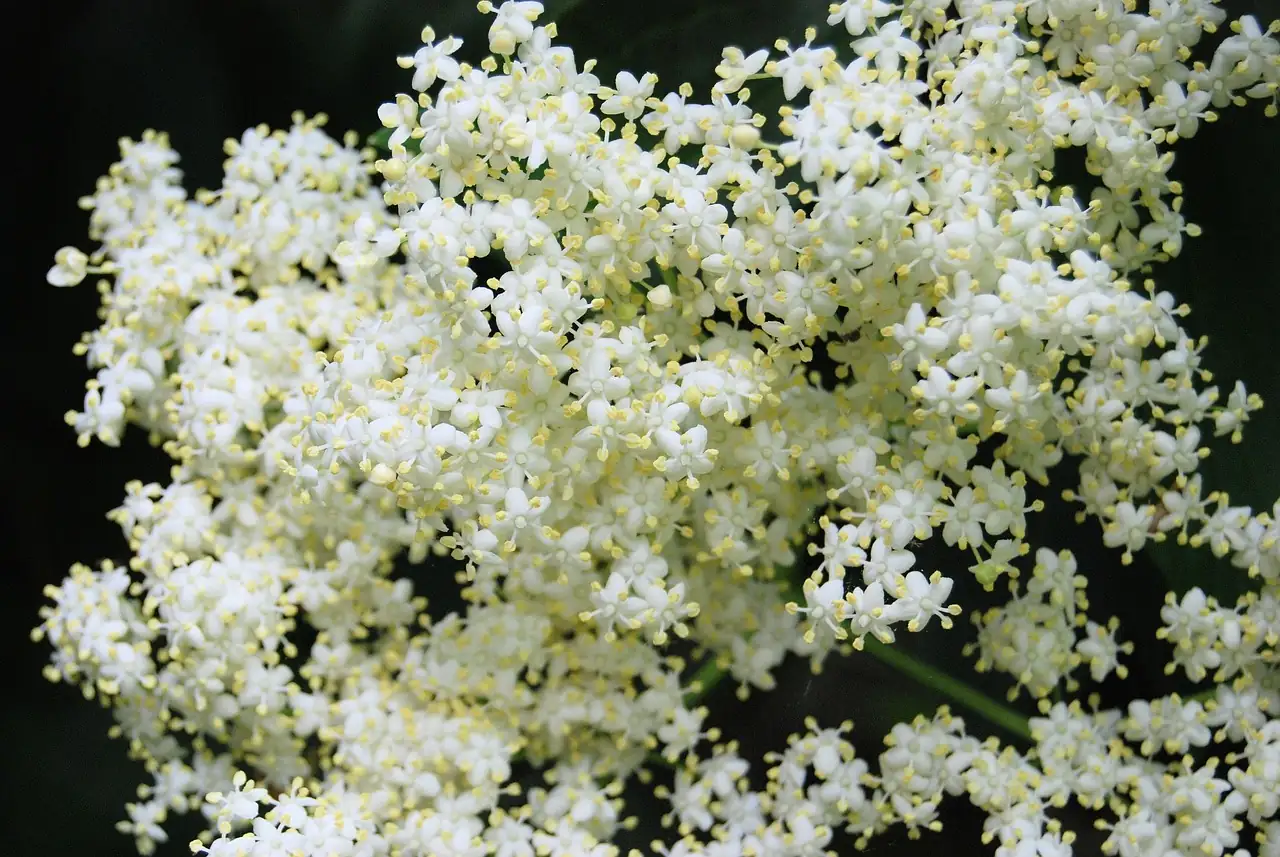
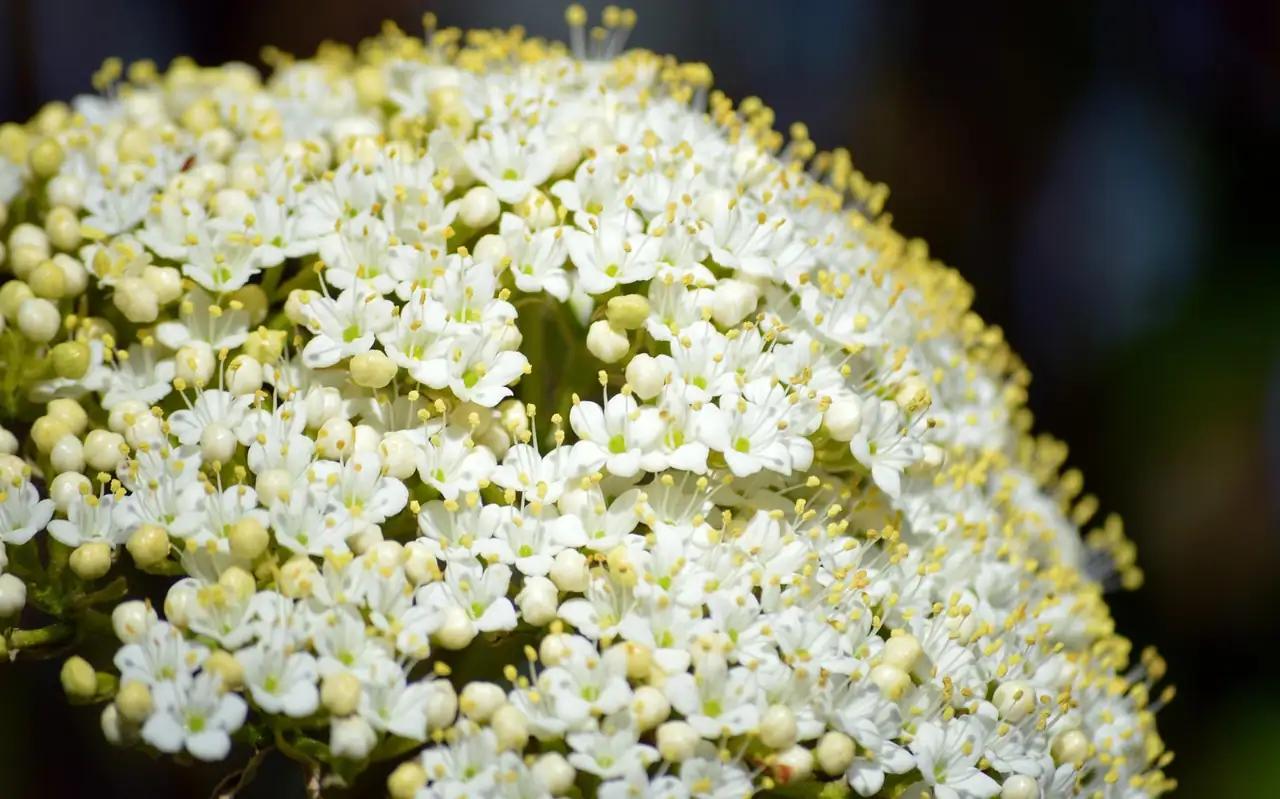
- Flower: Terminal, branched clusters (corymb-like panicles) of many small, starry flowers. The corolla is typically white to pale yellow with 5 lobes, creating a light, lacy look in bloom.
- Flowering Season: April–May; fruiting September–October.
- Growth Habit: Vigorous deciduous shrub/small tree, usually multi-stemmed, with strong regrowth and a notable tendency to sucker from the base or roots.
Environment
Sunlight
Full sun to partial shade; full sun generally gives the best flowering and fruiting.
Temperature
Very tolerant of temperate climates and winter cold; handles a wide range of seasonal temperatures once established.
Humidity
Handles normal garden humidity and becomes fairly drought tolerant once established, but dislikes persistently wet, waterlogged conditions.
Soil
Best in fertile, loose, well-drained sandy loam, but adaptable to many soils as long as drainage is good.
Placement
Works well on sunny lawns, at woodland edges, along roadsides, and near water features or streambanks where the soil drains well (avoid soggy, poorly drained low spots).
Hardiness
Cold hardy; commonly suited to temperate regions (often cited around USDA Zone 4–8, varying by local provenance).
Care Guide
Difficulty
Easy and adaptable—an excellent “plant it and let it grow” shrub in the right soil. Key watch-out: it’s tough with cold and occasional drought, but roots can suffer in standing water or constantly soggy ground.
Buying Guide
Pick plants with firm, healthy stems and no dieback. Avoid severely pot-bound specimens. Check the rootball—healthy roots smell fresh; a sour smell can hint at poor drainage or root rot issues.
Watering
Water consistently during the first growing season to establish roots. After establishment, water mainly during prolonged dry spells. Always avoid waterlogging; if soil stays soggy, improve drainage or relocate the plant.
Fertilization
In spring, top-dress with compost or use a balanced slow-release fertilizer. Don’t overdo nitrogen, which can produce weak, overly soft growth.
Pruning
Prune in late winter to early spring: remove dead, damaged, or crossing branches and thin crowded stems for better airflow. If the plant gets leggy or overgrown, rejuvenate by cutting back some older stems hard to stimulate fresh shoots.
Propagation
Easy to propagate by hardwood cuttings in late winter, softwood/semi-ripe cuttings in summer, or by lifting and replanting root suckers.
Repotting
If grown in a container, repot every 2–3 years in early spring into a slightly larger pot with a free-draining mix and strong drainage holes.
📅 Seasonal Care Calendar
Spring (Apr–May): enjoy bloom; apply compost/fertilizer. Late winter–early spring: main pruning before new growth starts. Summer: watch moisture during heat; keep airflow to reduce mildew risk. Autumn (Sep–Oct): fruits color up; reduce watering as temperatures drop and growth slows.
Pests, Diseases & Safety
Common Pests & Diseases
Generally robust. Aphids may appear on tender new growth; scale can occur on stems; powdery mildew may show up in crowded, humid conditions. Improve airflow with thinning, avoid overwatering, and treat outbreaks with horticultural soap/oil when needed.
Toxicity
Use caution: like many Sambucus species, raw plant parts—especially leaves, bark, and unripe fruit—can cause stomach upset if ingested. Keep away from pets and children, and do not consume unless properly identified and appropriately prepared.
Culture & Symbolism
Symbolism: Often linked with protection and renewal in broader elder folklore, and appreciated by gardeners as a resilient shrub that bounces back strongly after pruning.
History & Legends: Elders have a long cultural presence across Eurasia. In China, Sambucus williamsii is widely known and locally referenced in folk naming and traditional use contexts, though specific stories and customs can differ by region.
Uses: A popular ornamental shrub/small tree for spring flowers and autumn fruit display, especially in naturalistic plantings, mass shrub borders, woodland edges, and roadside greening. The fruits are also valued as a wildlife food source, supporting birds in late season.
FAQ
When does Williams elder flower?
Typically April–May, with the exact timing shifting slightly by local climate.
When does it set fruit?
Usually September–October, after flowering finishes and berries mature through late summer.
How tall can it grow?
Up to about 6 m (20 ft), though it can be kept smaller with regular pruning.
What light and soil does it prefer?
Full sun to partial shade, and a fertile, loose, well-drained soil (sandy loam is ideal).
Is it cold- and drought-tolerant?
Yes—very cold hardy, and fairly drought tolerant once established, but it does not tolerate waterlogged soils.
Fun Facts
- Crushed leaves can smell unpleasant—an unexpected trait in an otherwise charming shrub.
- The berries may look red when young and darken as they ripen, often to deep purple-black.
- It can sucker readily, which helps it recover fast after hard pruning and allows it to fill space quickly.
- It’s naturally widespread across many regions of China, reflecting its adaptability.


