

Plant Features
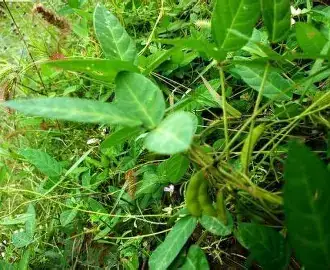
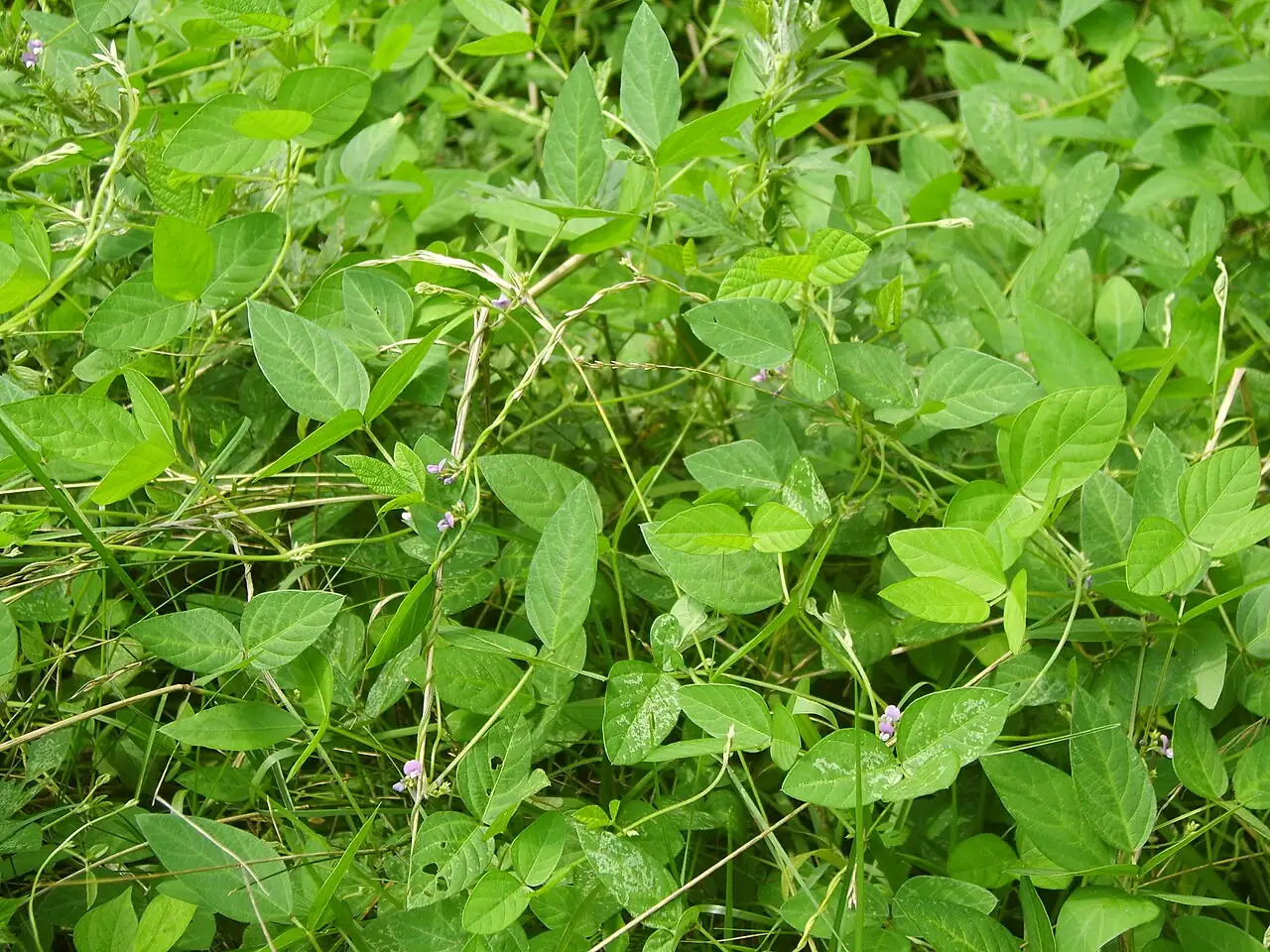
- Size: Twining herbaceous vine with slender, hairy stems. Typical vine length about 0.5–3 m (1.6–9.8 ft), depending on habitat and available support.
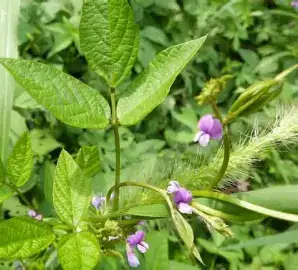
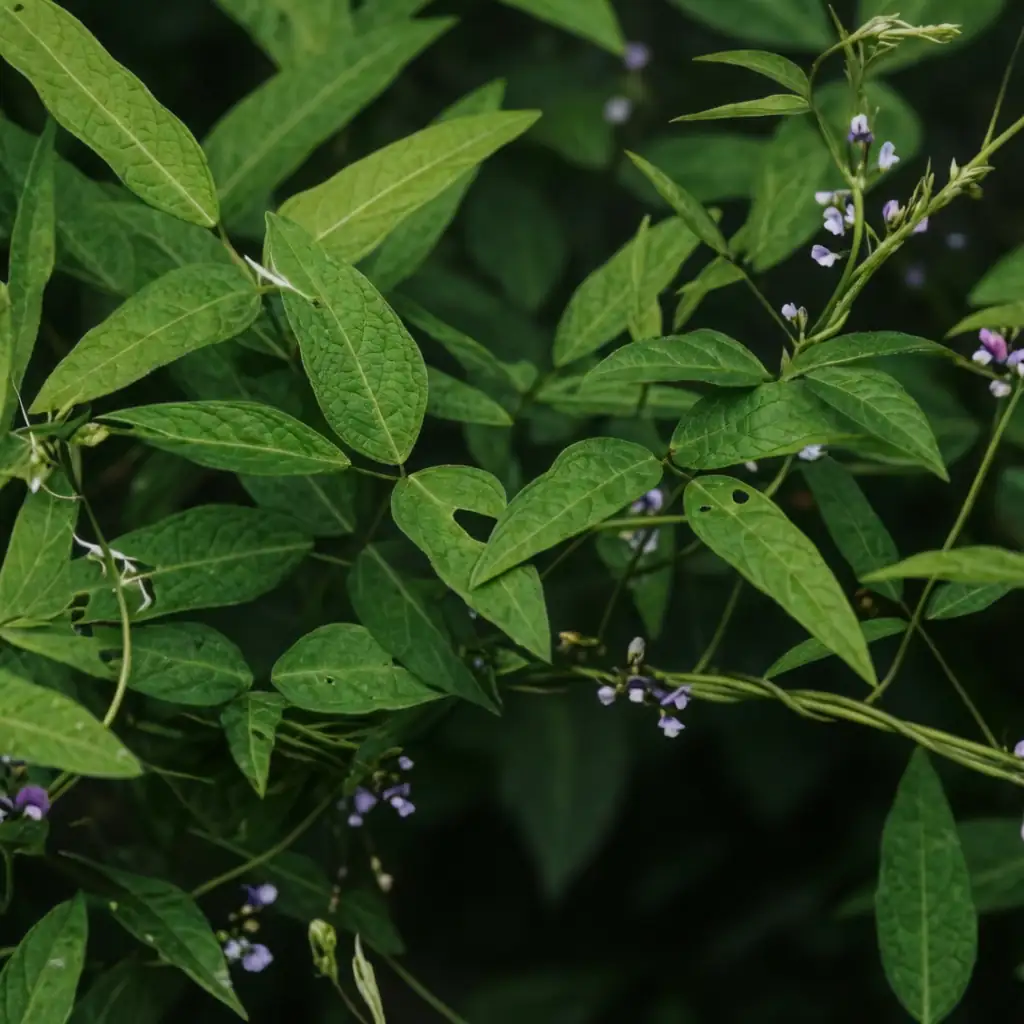
- Foliage: Leaves are trifoliate (three leaflets per leaf). Leaflets are oval to ovate-lanceolate; stems are thin and covered with brownish hairs, giving the plant a slightly fuzzy look up close.
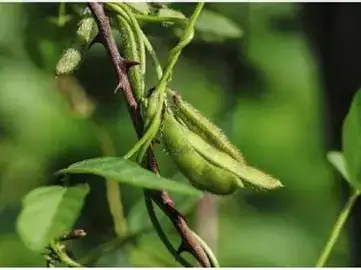
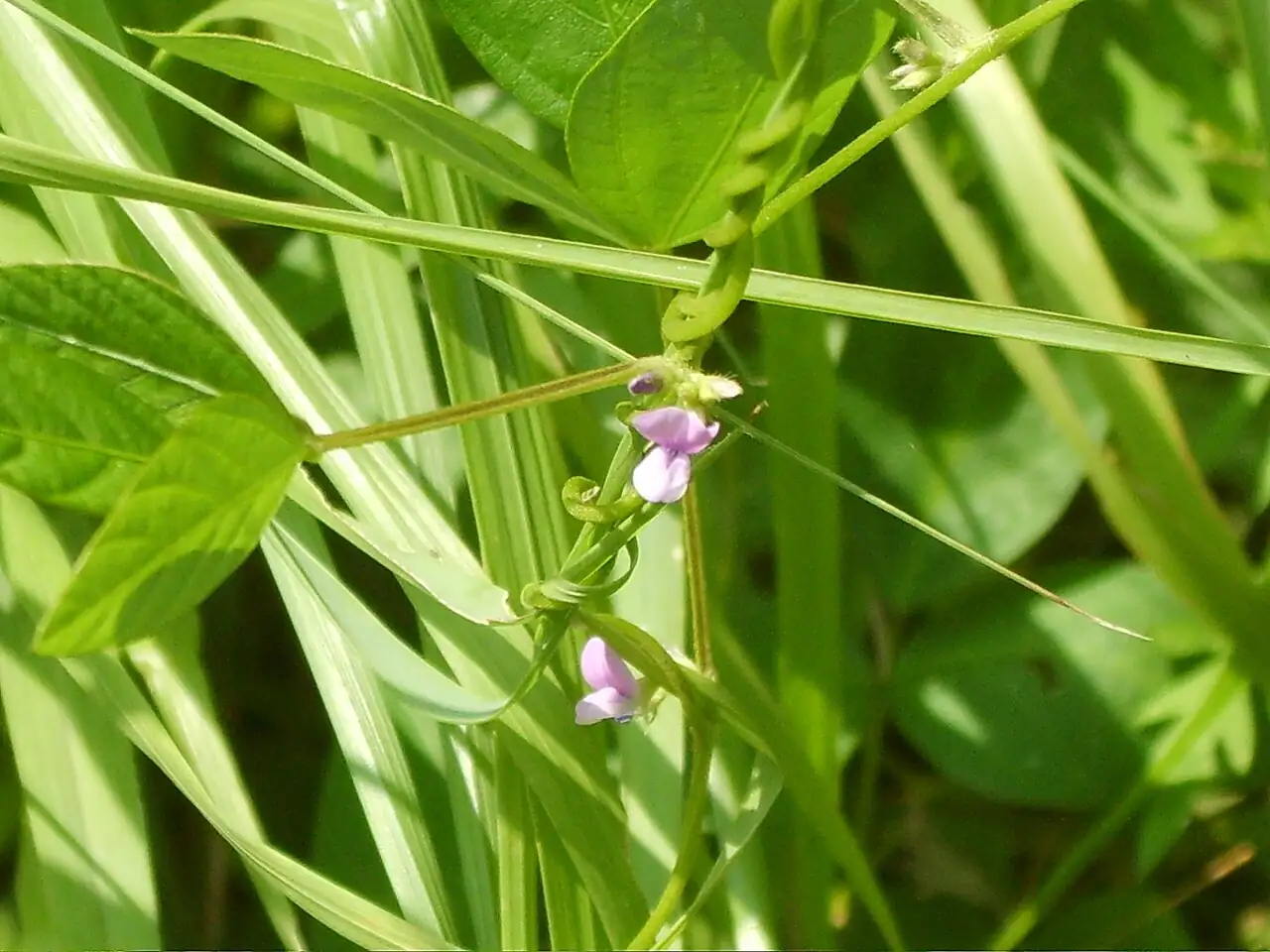
- Flower: Small papilionaceous (pea-like) flowers, usually purple to violet and occasionally white. After flowering, it develops narrow, oblong pods that tend to split open at maturity to disperse seeds.
- Flowering Season: July–August
- Growth Habit: Twining / climbing vine; often scrambles through surrounding vegetation and will readily wrap around a trellis or nearby plants.
Environment
Sunlight
Full sun to light shade; it flowers and sets pods best in full sun.
Temperature
Warm-season grower; most active around 20–30°C (68–86°F). Sensitive to hard frost and typically dies back with freezing temperatures.
Humidity
Prefers moderate to high humidity and naturally favors moist, edge-of-water habitats.
Soil
Moist, well-drained to periodically wet soils. Tolerates loam to sandy soils; performs best in fertile soil with good aeration.
Placement
Outdoors in sunny, moisture-retentive spots—pond/stream edges, wet meadows, or field margins. Provide a trellis, fence, or companion vegetation for it to twine through.
Hardiness
Generally treated as a warm-season annual; not frost-hardy. Approx. USDA Zone 7–11 (as an annual; frost will kill plants).
Care Guide
Difficulty
Easy and adaptable once established; its biggest requirements are warmth, consistent moisture, and decent sun.
Buying Guide
Buy seed from reputable sources and confirm it is true Glycine soja (not cultivated soybean, Glycine max). Choose fresh, well-stored seed and avoid batches showing mold, off odors, or insect damage.
Watering
Keep soil evenly moist while seedlings establish. Once rooted, water when the top 2–3 cm (0.8–1.2 in) dries out; avoid extended drought, especially during flowering and pod filling.
Fertilization
Usually minimal. In poor soils, use a light, balanced fertilizer at planting. Avoid heavy nitrogen (it can push leafy growth at the expense of flowers/pods). If growing where soybeans/legumes haven’t been grown before, inoculating seed/soil with appropriate rhizobia can improve vigor.
Pruning
Not required. If it gets too rambly, pinch or trim long runners to keep it tidy and encourage branching on supports.
Propagation
Primarily by seed. Sow after frost danger has passed, when soil is warm—about 18–25°C (64–77°F). If the seed coat is hard, scarify lightly or soak seeds for 8–12 hours to improve germination.
Repotting
Usually unnecessary in-ground. For containers, start in a deep pot and up-pot once into a final container at least 20–30 cm (8–12 in) deep, and provide a small trellis.
📅 Seasonal Care Calendar
Flowering: July–August. Fruiting: August–October. Maintain warm, moist conditions through flowering/pod fill; reduce watering slightly as pods mature to encourage drying and seed ripening.
Pests, Diseases & Safety
Common Pests & Diseases
May attract aphids, caterpillars, and (in hot, dry weather) spider mites. In humid conditions, watch for leaf spots and powdery mildew. Improve airflow, avoid late-day overhead watering, and use insecticidal soap for soft-bodied pests when needed.
Toxicity
Not generally considered poisonous to people or pets. As with many legumes, raw seeds can contain anti-nutritional compounds; this species is mainly grown for conservation/breeding value rather than as a food crop.
Culture & Symbolism
Symbolism: Often associated informally with resilience and “wild vitality,” since it thrives on habitat edges and represents the untamed ancestry of a major crop.
History & Legends: As the wild progenitor of cultivated soybean, Wild Soybean is a living link to the domestication history of one of the world’s most important legumes and remains a focus of conservation and plant-breeding research.
Uses: Primarily used for conservation, scientific study, and agriculture as a critical wild genetic resource for improving cultivated soybean (for example, enhancing stress tolerance and disease resistance). It can also be grown ornamentally for its delicate pea-flowers and naturalistic vine habit.
FAQ
Is wild soybean the same as the soybean grown for food?
No. Wild soybean (Glycine soja) is the wild ancestor of cultivated soybean (Glycine max). It typically has smaller flowers and pods, and the pods split open easily to disperse seed.
Does it need a trellis?
It helps. The plant naturally twines and scrambles through nearby vegetation; a trellis, fence, or stakes will keep growth tidier and can improve airflow.
Fun Facts
- It is widely recognized as the wild progenitor of cultivated soybean.
- Its pods often split open when ripe—an efficient seed-dispersal trait that was reduced during domestication of soybeans.
- It’s a classic “edge habitat” plant, often thriving where land meets water—ditches, riverbanks, and wet meadow margins.


