

Plant Features
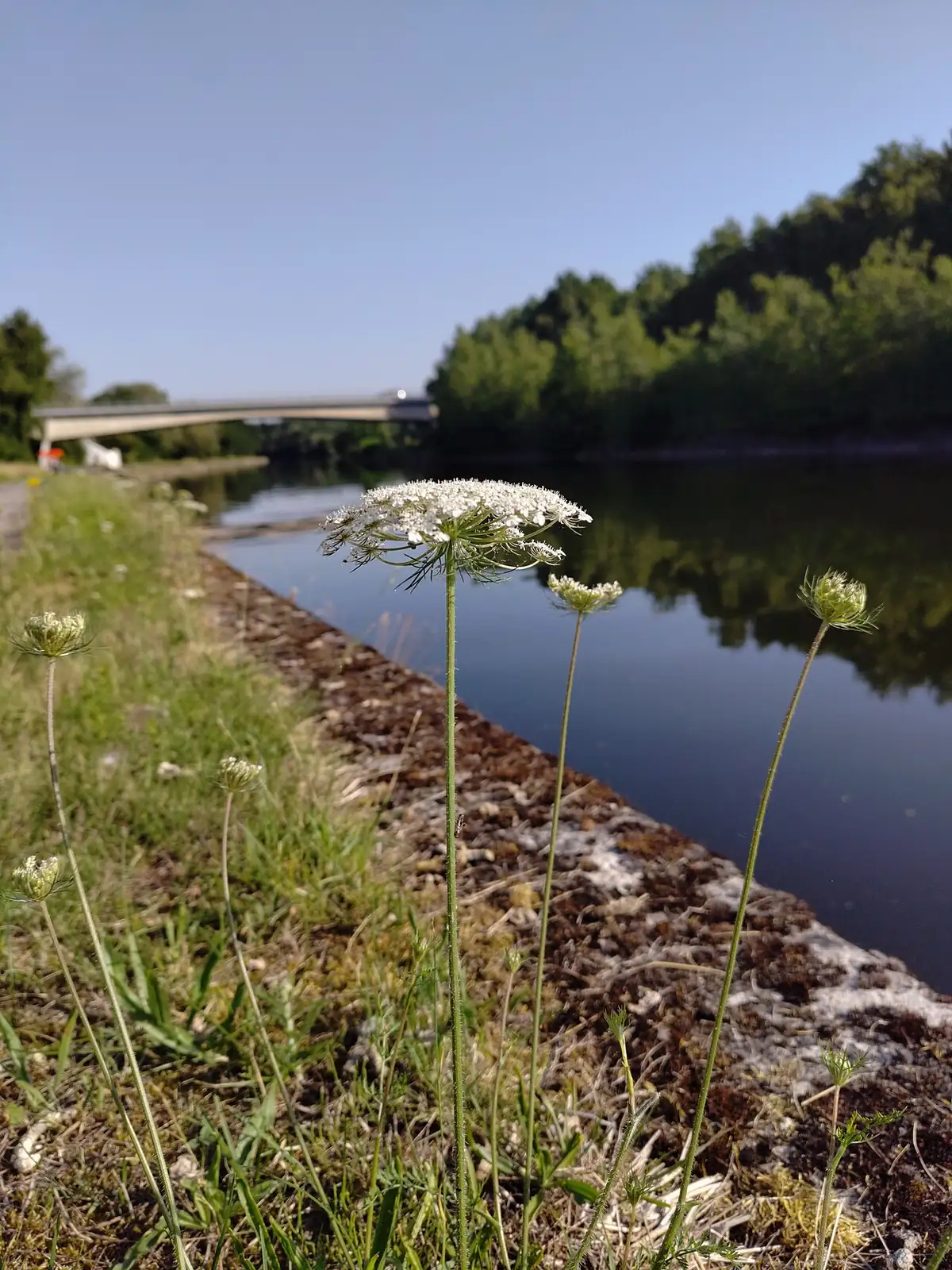
- Size:15–120 cm (6–47 in) tall; clump/spread typically 20–45 cm (8–18 in) depending on site and competition.
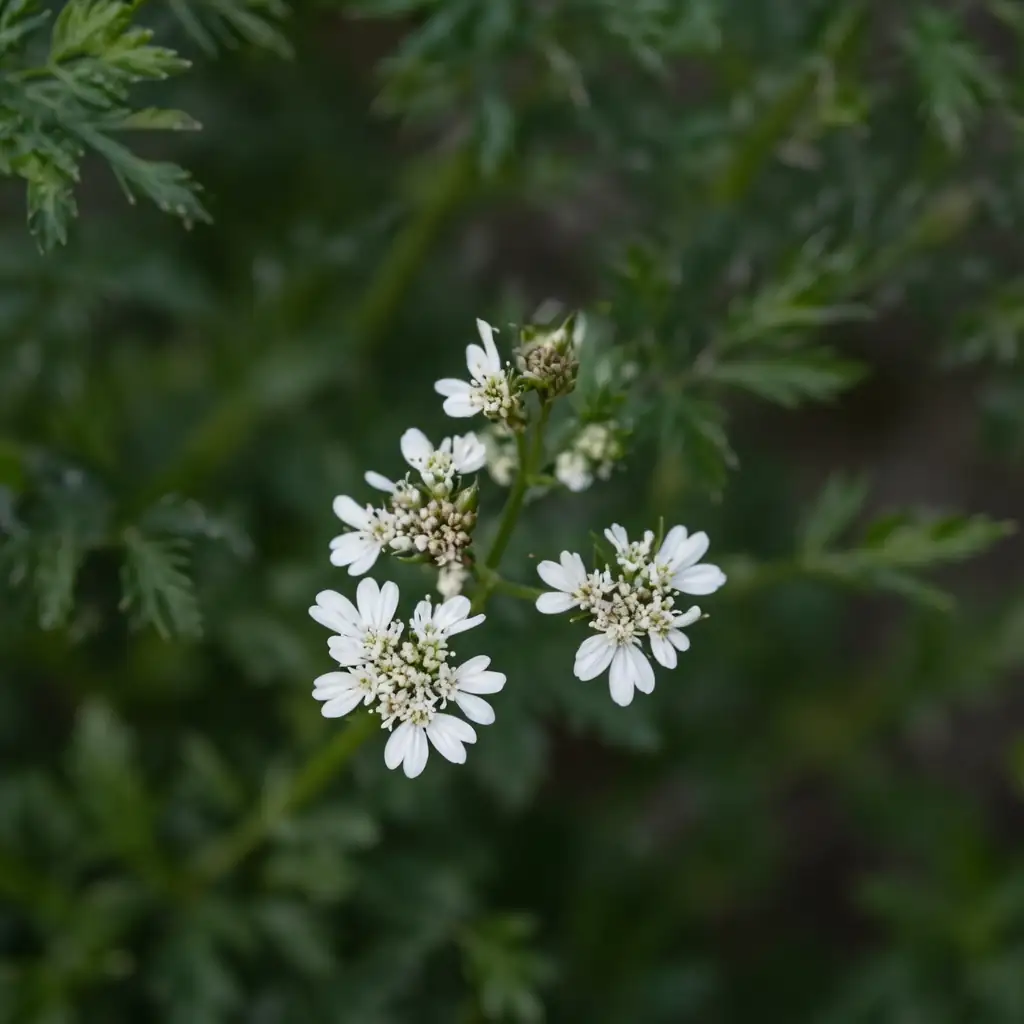
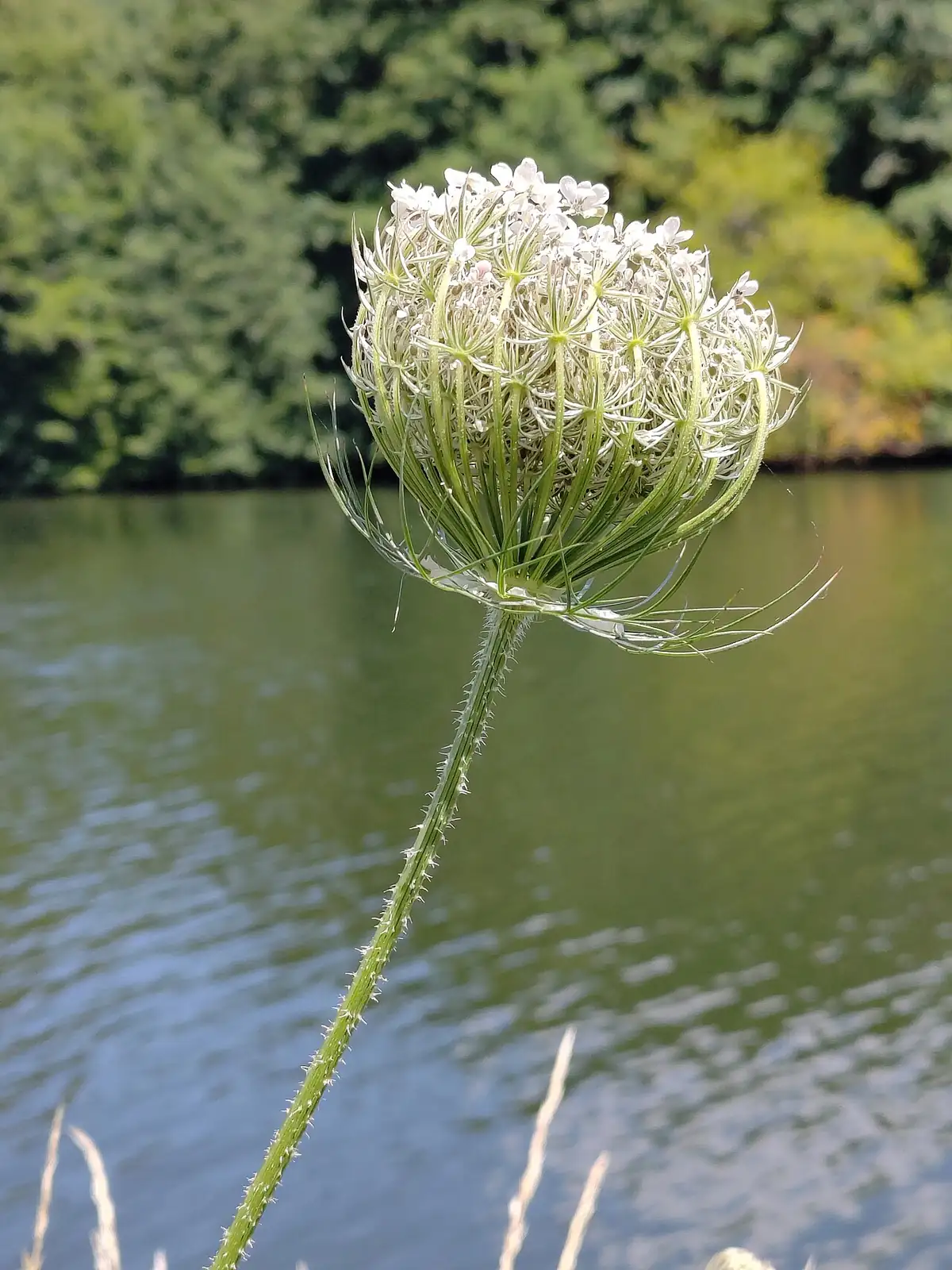
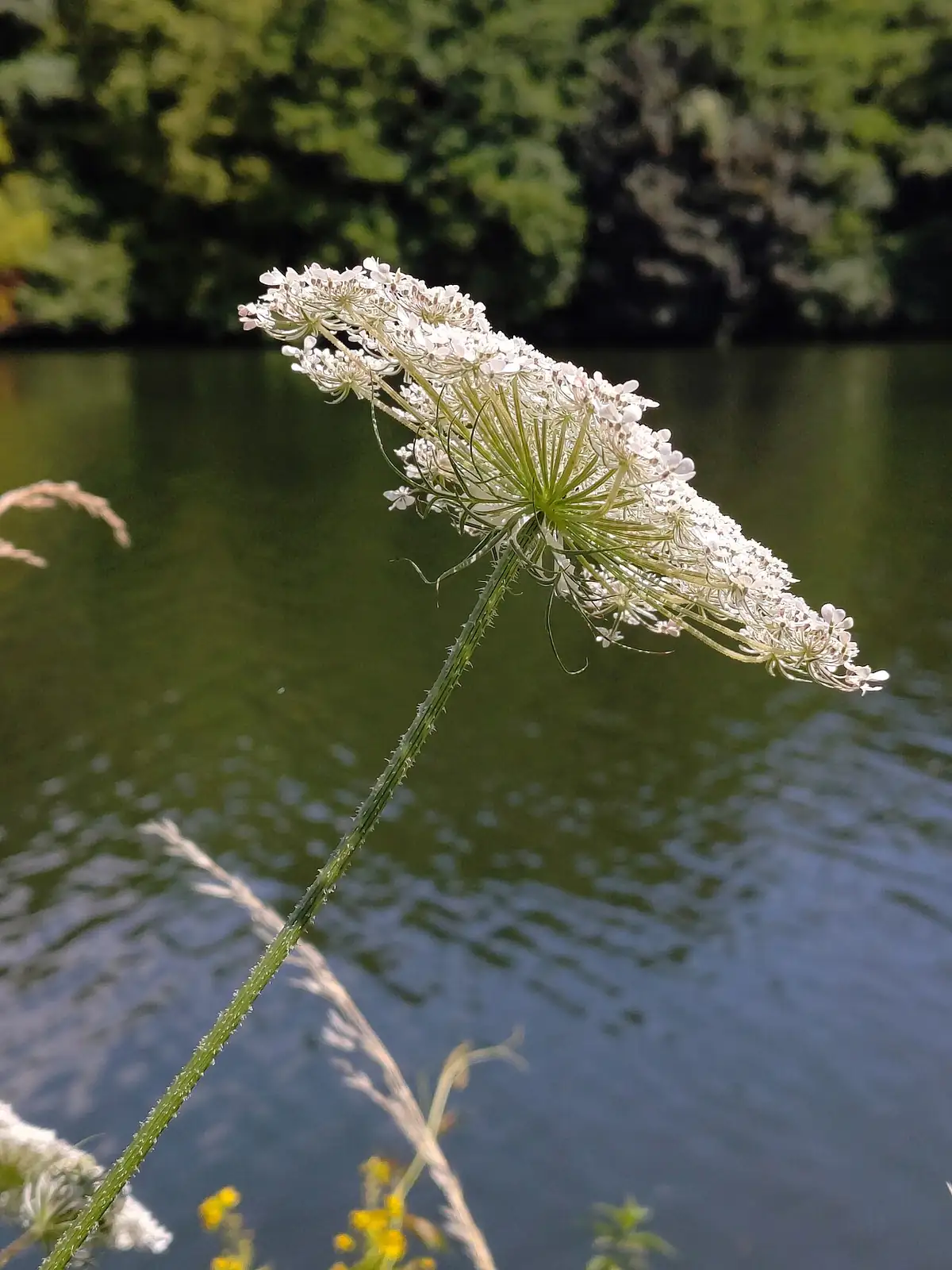
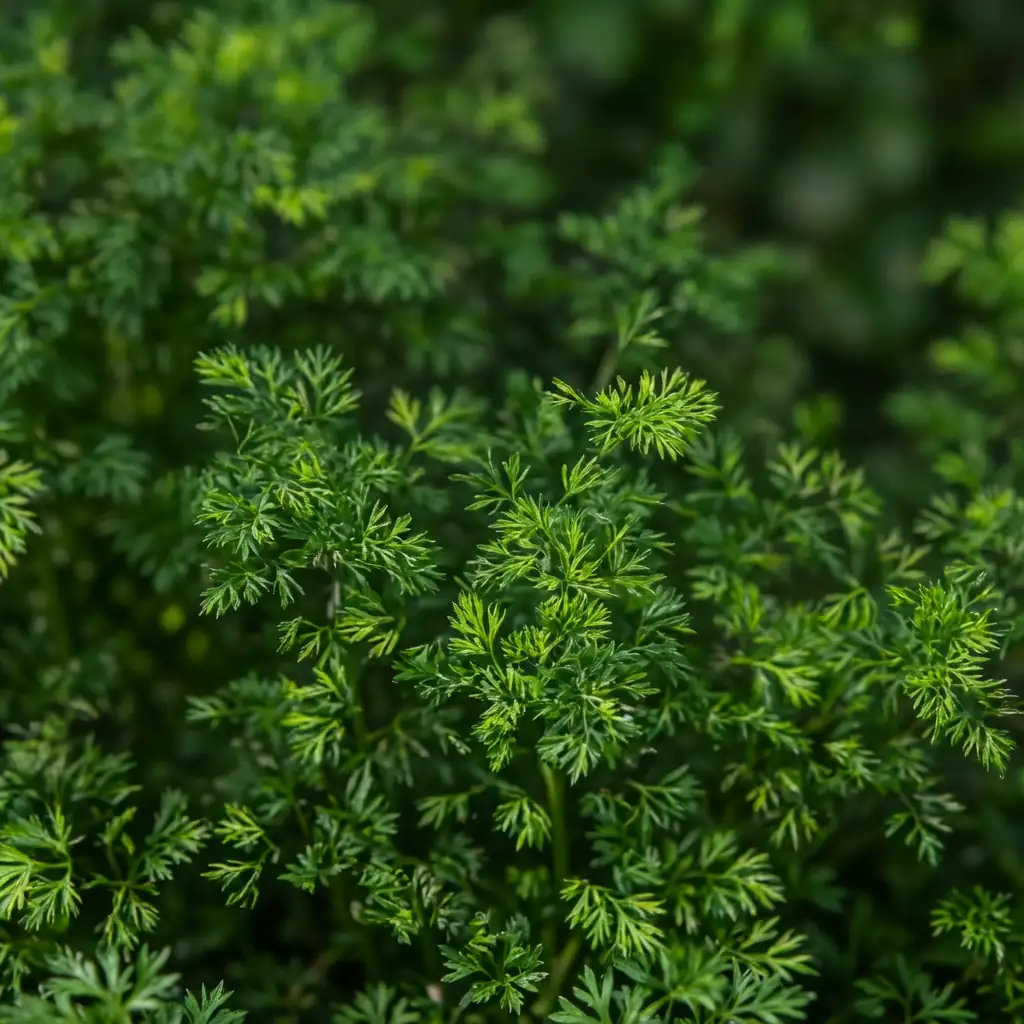
- Foliage: Basal leaves are soft and finely divided, 2–3 times pinnate, creating a delicate, fern-like (lacy) appearance. Stems are usually single, upright, and covered with coarse white bristly hairs.
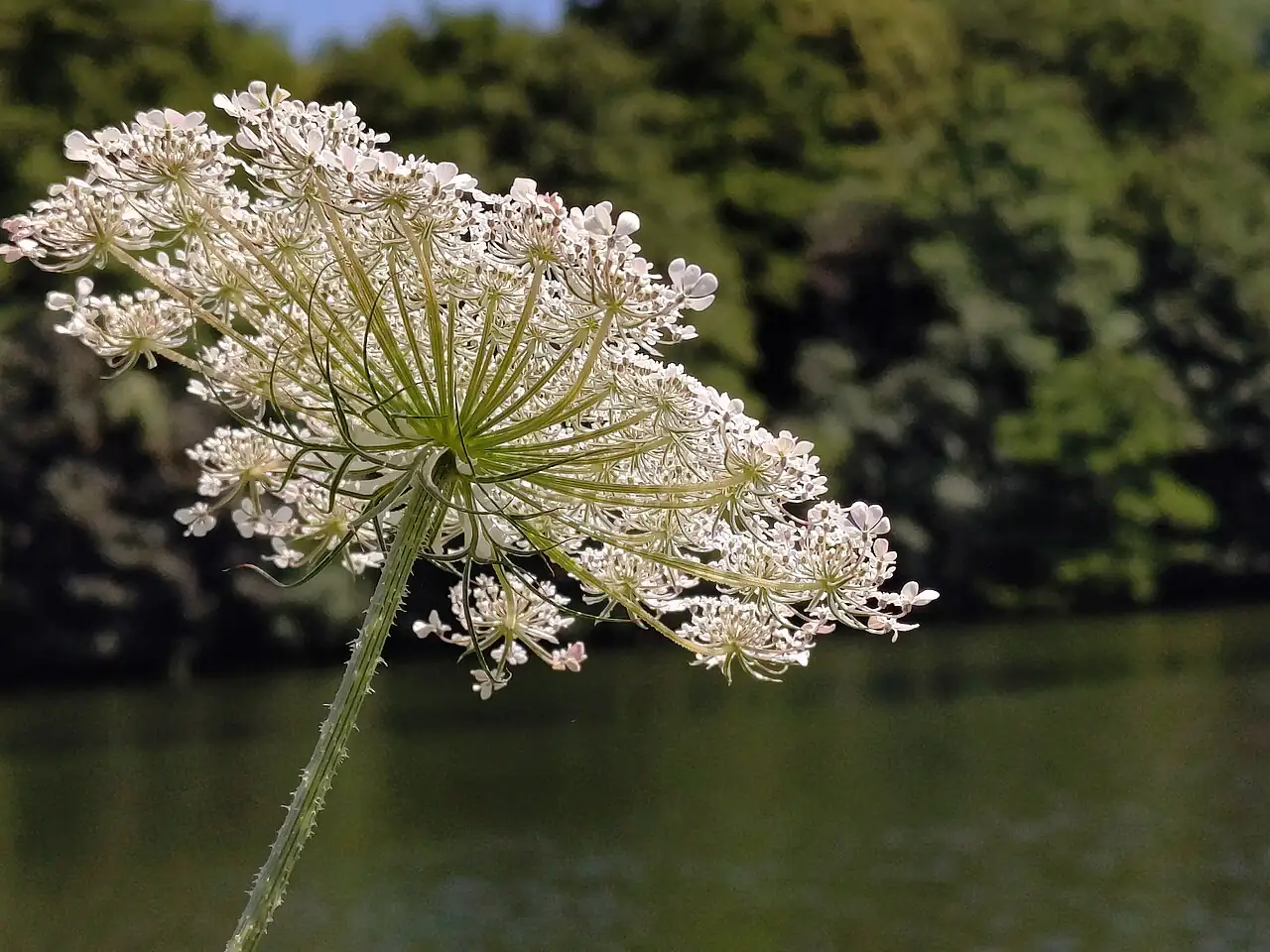
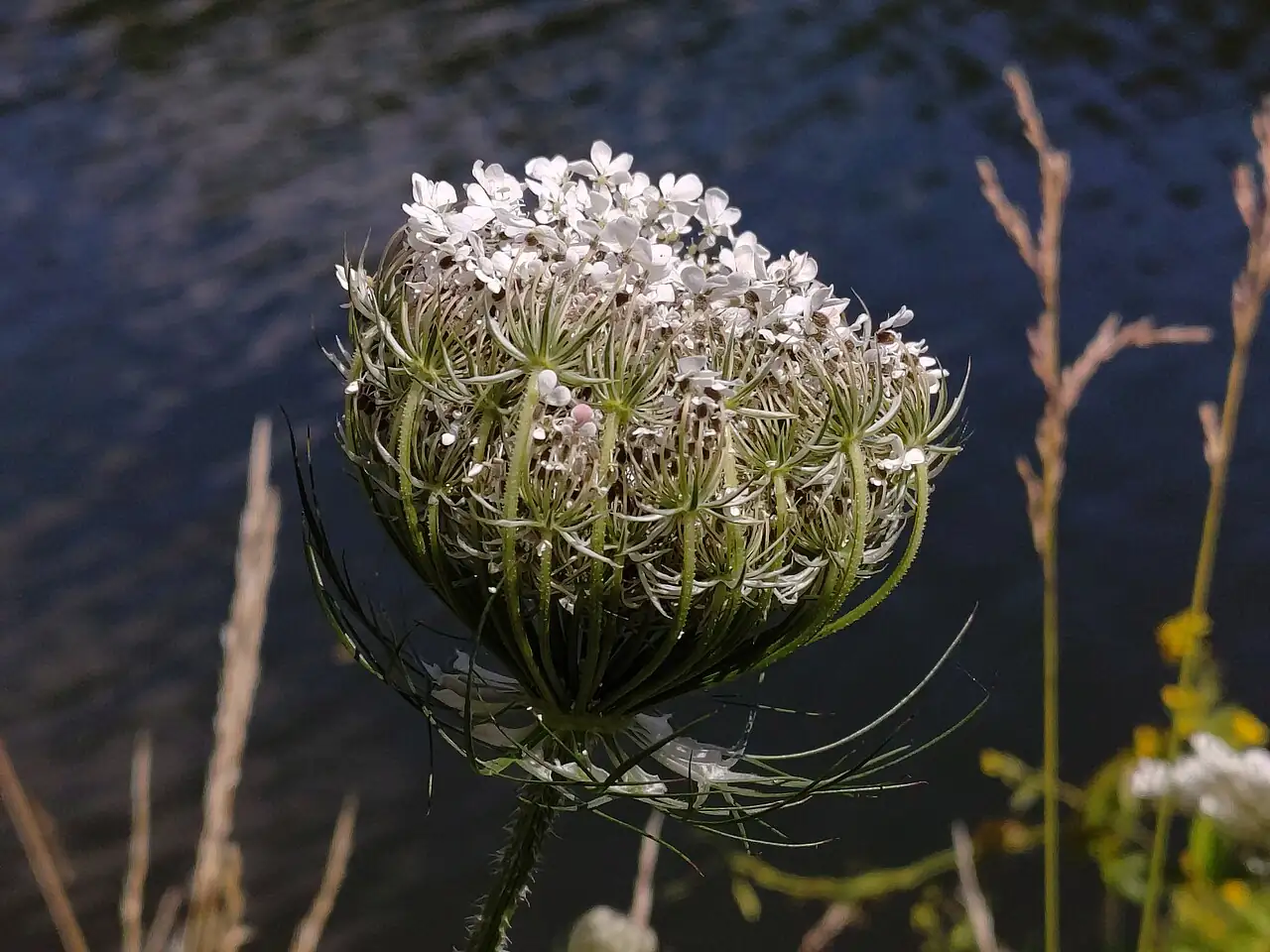
- Flower: Tiny white flowers are carried in flat-topped umbels; the central floret is sometimes darker. As fruits develop, the umbel often curls inward into a nest-like form. Fruits are small, egg-shaped schizocarps about 3–4 mm (0.12–0.16 in) long with bristly ridges.
- Flowering Season: May–July
- Growth Habit: Biennial herb; forms a basal rosette in the first year and an upright flowering stem in the second year, often self-seeding in suitable sites.
Environment
Sunlight
Full sun to light shade; best flowering and sturdier stems in full sun.
Temperature
Thrives in cool to warm temperate conditions, roughly 10–25°C (50–77°F). Very cold tolerant—seedlings have been reported to overwinter down to about -38°C (-36°F) in suitable conditions.
Humidity
Adaptable; prefers moderately moist conditions but tolerates dry air and periodic drought once established.
Soil
Well-drained, reasonably fertile soil is ideal, but it tolerates poorer ground. Prefers slightly acidic to neutral pH, about pH 6.0–7.0. Avoid waterlogged sites to prevent root issues.
Placement
Best outdoors in sunny open ground—meadows, wildlife areas, field edges, or naturalized roadside-style plantings (where appropriate and permitted).
Hardiness
Cold-hardy (commonly grown in USDA Zones 3–10); generally frost tolerant.
Care Guide
Difficulty
Easy and resilient outdoors. Naturally tolerant of cold and some drought, but it can be short-lived and may self-seed freely where it’s happy.
Buying Guide
Buy seed or plants labeled clearly as Daucus carota. Avoid collecting from roadsides where plants may be contaminated. Most importantly, don’t rely on guesswork—wild carrot has dangerous look-alikes in the carrot family (see toxicity notes).
Watering
Water regularly at first to establish, keeping soil lightly moist. Once established, water mainly during prolonged dry spells; in beds, let the top 2–5 cm (1–2 in) dry between waterings.
Fertilization
Usually needs little feeding. If plants look weak, top-dress with compost or use a balanced fertilizer at half strength in spring (follow label directions). Too much fertilizer can make lots of leaves but fewer flowers.
Pruning
Deadhead if you want to reduce self-seeding. After fruiting, cut back spent stems—or leave some seedheads for wildlife and natural reseeding.
Propagation
Primarily by seed. Sow outdoors in spring or autumn; cover lightly and keep evenly moist until germination. Plants typically flower in their second year.
Repotting
Not ideal as a long-term container plant because of its taproot. If grown in pots, use a deep container at least 25–30 cm (10–12 in) deep and avoid disturbing the root when transplanting.
📅 Seasonal Care Calendar
Flowering: May–July. Fruiting: July–August. In many climates, first-year rosettes/seedlings overwinter readily, with reports down to about -38°C (-36°F) in the right conditions.
Pests, Diseases & Safety
Common Pests & Diseases
Usually trouble-free. Possible issues include aphids, leaf spot, and root problems if soil stays wet. Improve airflow, avoid waterlogging, and remove badly affected leaves.
Toxicity
Wild carrot itself isn’t typically considered poisonous, but correct identification is essential: several highly toxic Apiaceae (such as poison hemlock) can look similar. The sap may also cause skin irritation or photosensitivity in some people. Keep children and pets from eating any wild “carrot-family” plants unless identification is certain.
Culture & Symbolism
Symbolism: Often linked with delicate beauty and simple, lace-like charm. In some traditions, Queen Anne’s lace symbolizes sanctuary or protection.
History & Legends: Famous as the wild ancestor of the cultivated carrot. The common name “Queen Anne’s lace” comes from folklore comparing the flower’s fine white umbels to intricate lacework.
Uses: Grown and appreciated as a wildflower for pollinators and naturalistic gardens. The aromatic fruits (often called “seeds”) have a history in folk herbal traditions and as a source of fragrant oil—use medicinally only with expert guidance due to look-alike risks.
FAQ
When does it flower?
Typically May–July.
When does it set fruit/seed?
Usually July–August.
How tall does wild carrot grow?
About 15–120 cm (6–47 in) tall.
Where is it found?
Native to Europe and parts of temperate Asia, and commonly found in open habitats such as field margins, ditches, roadsides, and woodland edges.
Is it cold-hardy?
Yes—very cold tolerant; seedlings have been reported to overwinter down to about -38°C (-36°F) in suitable conditions.
Fun Facts
- It’s the wild ancestor of the cultivated carrot, but the root is usually thin, tough, and nothing like a grocery-store carrot.
- As the seeds mature, the flower head often curls inward into a distinctive “bird’s nest” shape.
- Its aromatic fruits have been used traditionally for fragrant oil and in folk herbal practices.
- It often pops up in sunny disturbed spots like roadsides and field edges.
- Look-alikes in the same plant family can be dangerously toxic—ID matters.


