

Plant Features
- Size: Typically 10–30 cm (4–12 in) tall; spreads outward by creeping stolons that root at the nodes to form dense mats.
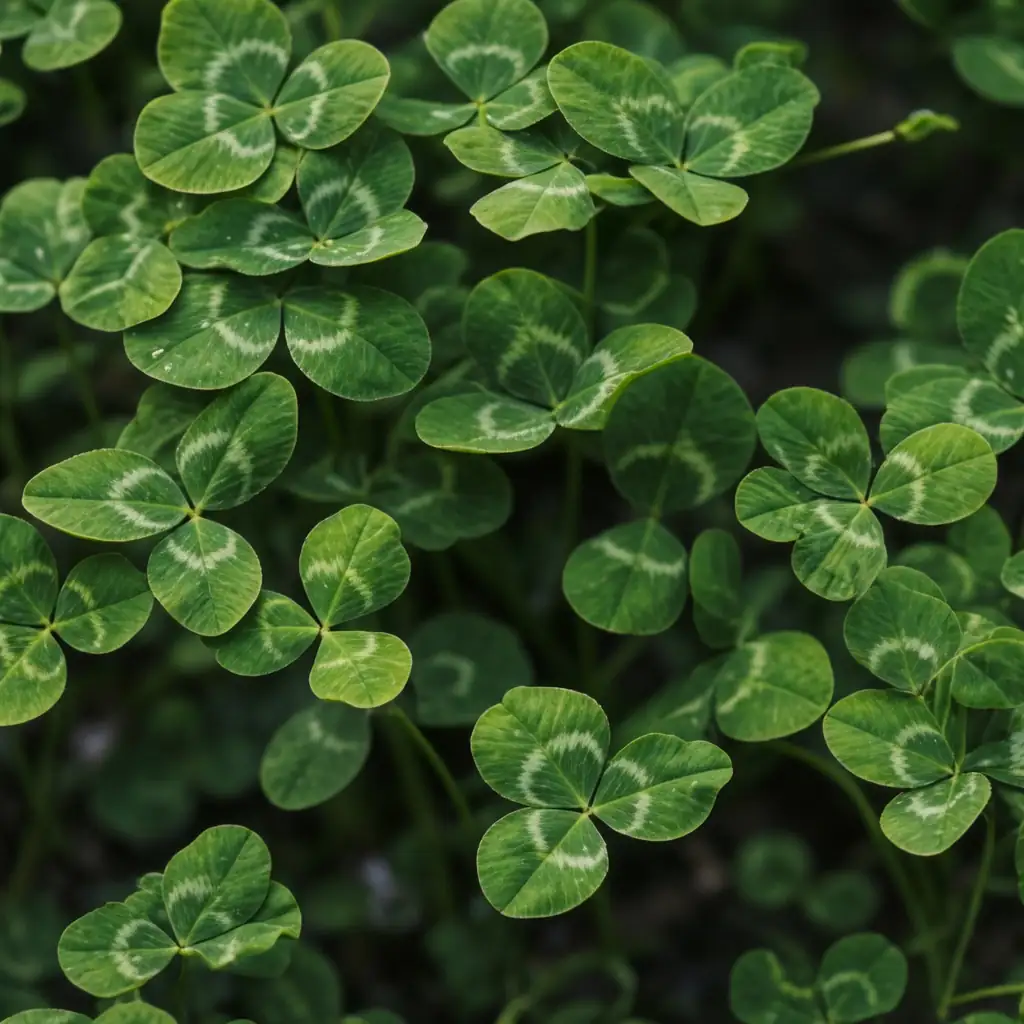
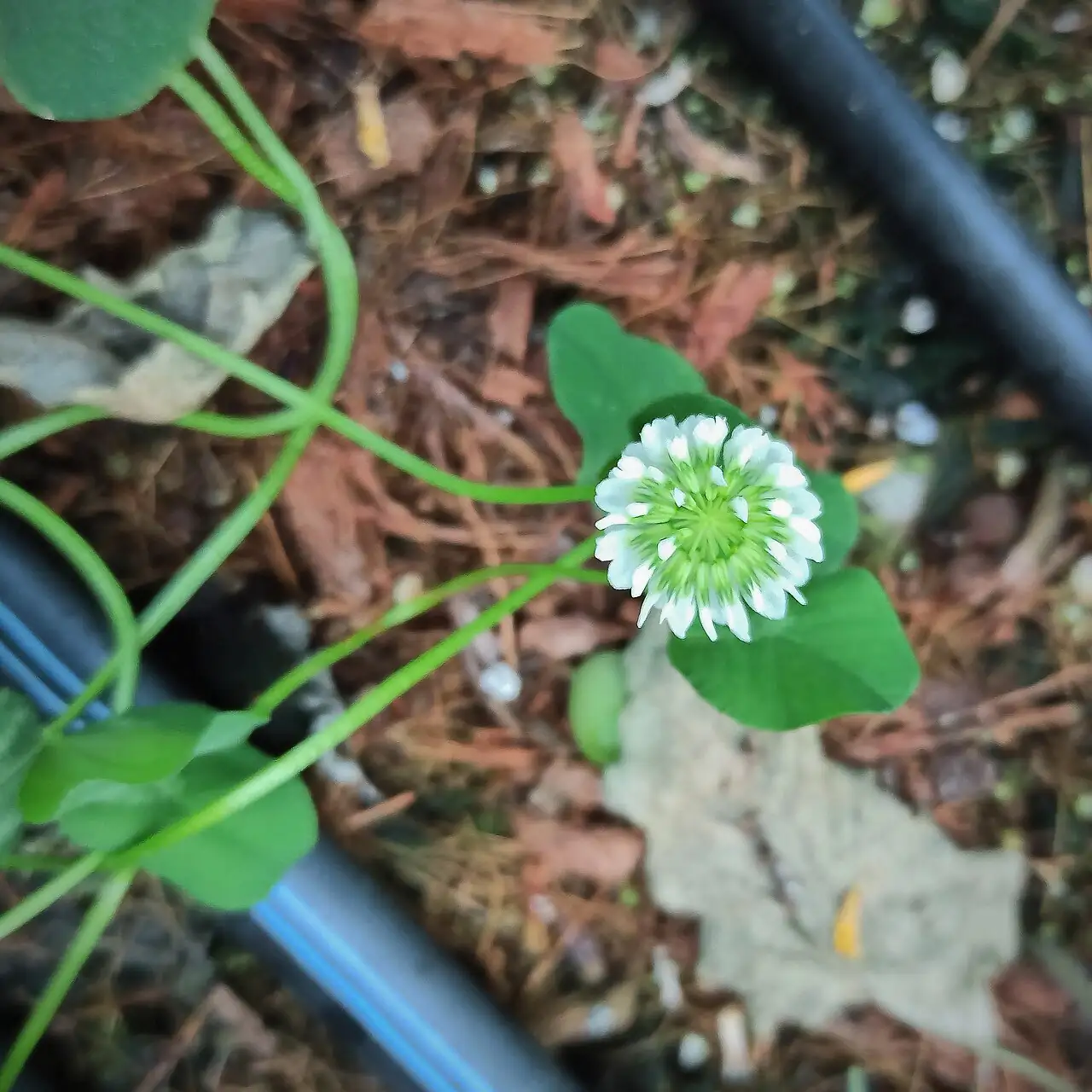
- Foliage: Leaves are trifoliate (three leaflets) and borne on slender petioles from nodes along creeping stems. Leaflet undersides may be slightly hairy, and many leaves show a faint pale crescent or watermark.
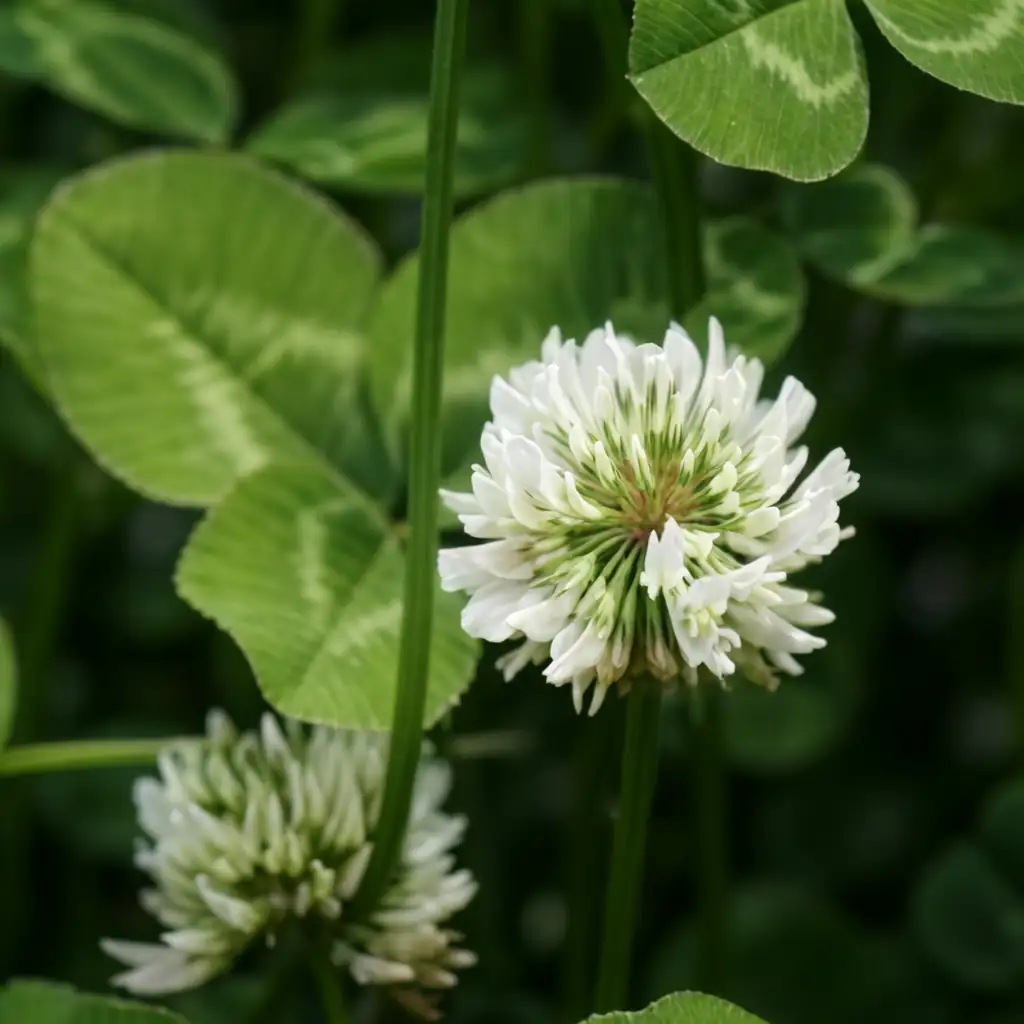
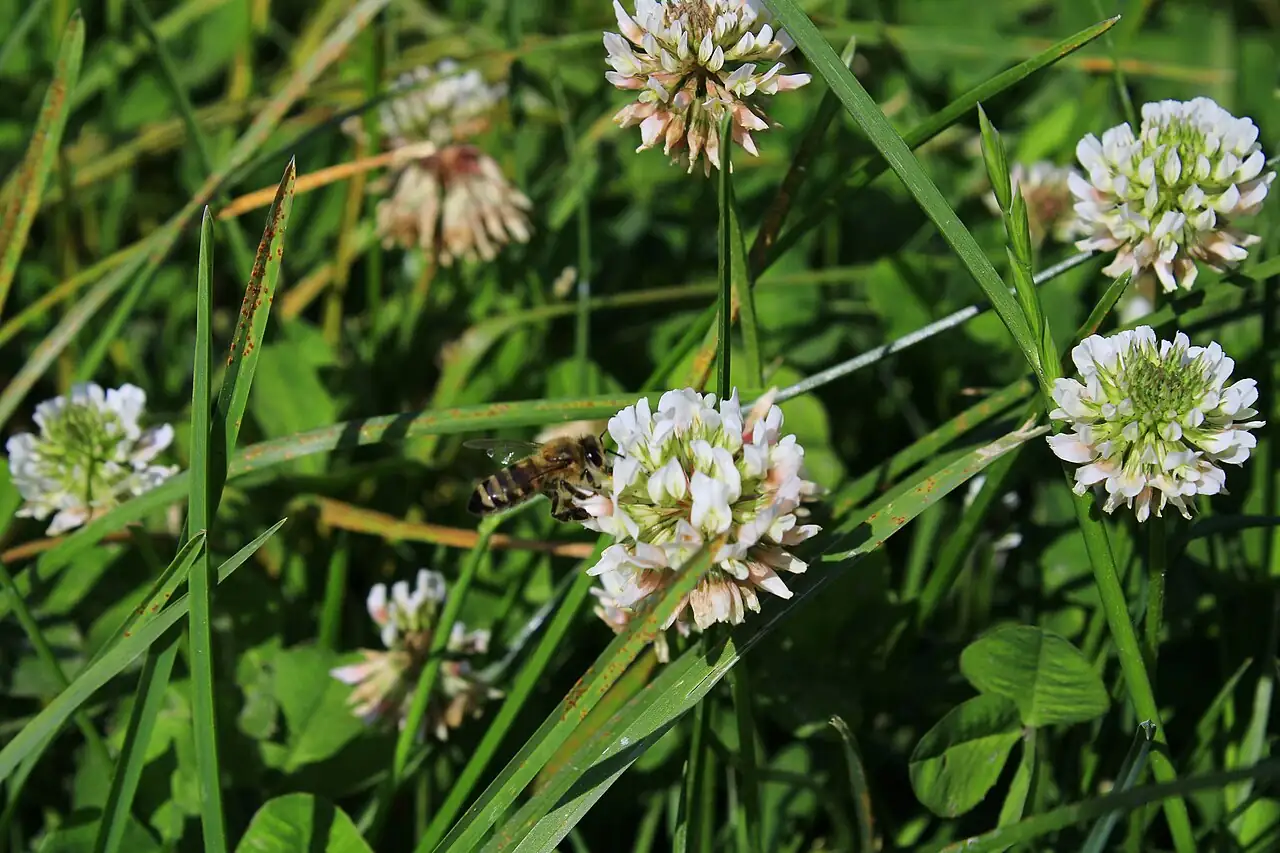
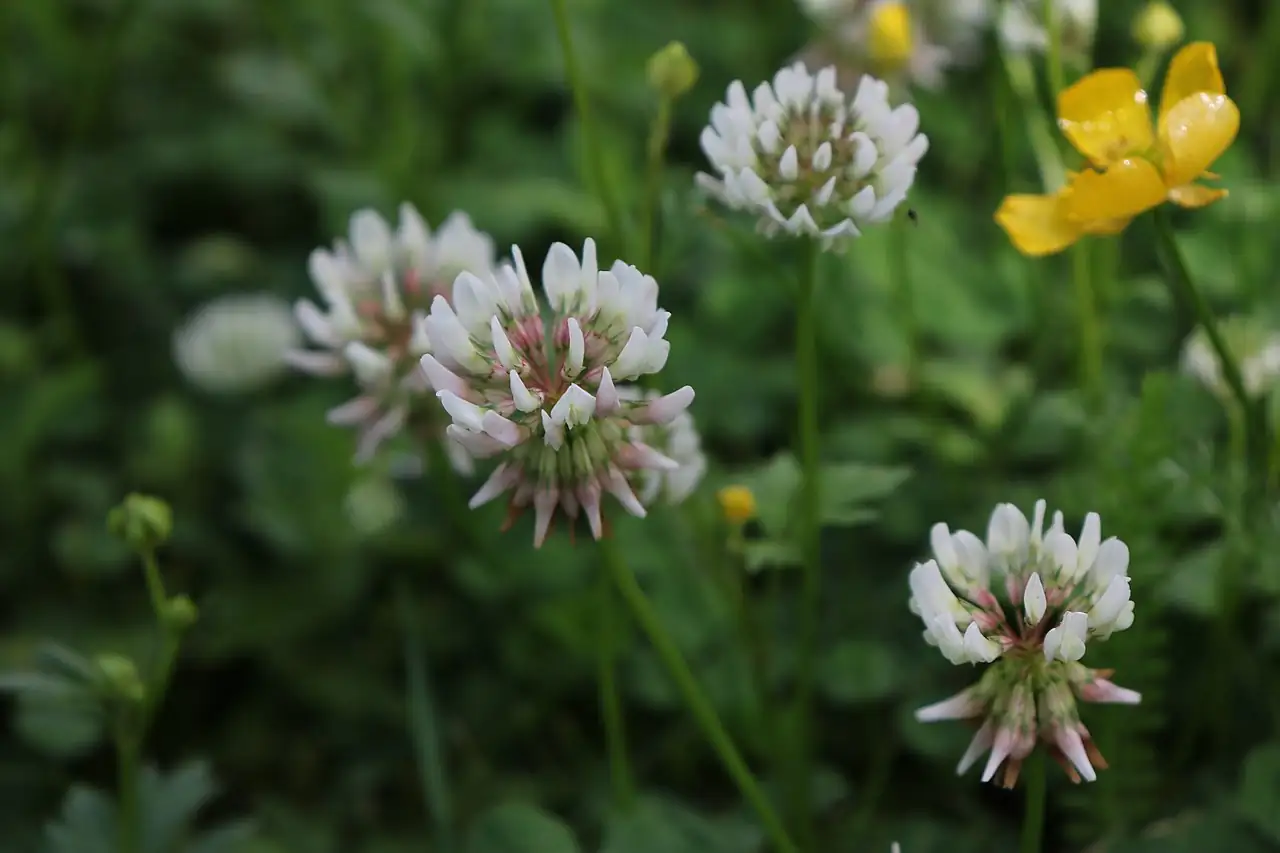
- Flower: Rounded, dense flower heads composed of many tiny pea-family blossoms. Flowers are usually white, aging to creamy white, and may be lightly flushed pale pink; held on stalks that rise from the leaf axils.
- Flowering Season: May–October
- Growth Habit: Low, creeping, mat-forming perennial herb; spreads quickly by stolons and is moderately tolerant of trampling and mowing.
Environment
Sunlight
Full sun to partial shade. Flowers best with more sun but tolerates light shade, especially where soil stays evenly moist.
Temperature
Prefers mild to warm conditions; best growth around 15–24°C (59–75°F). Generally cold-tolerant.
Humidity
Likes evenly moist conditions, but once established it can handle short dry spells.
Soil
Adaptable; does well in well-drained, fertile loams. Best in neutral to slightly acidic soils; avoid constantly waterlogged ground.
Placement
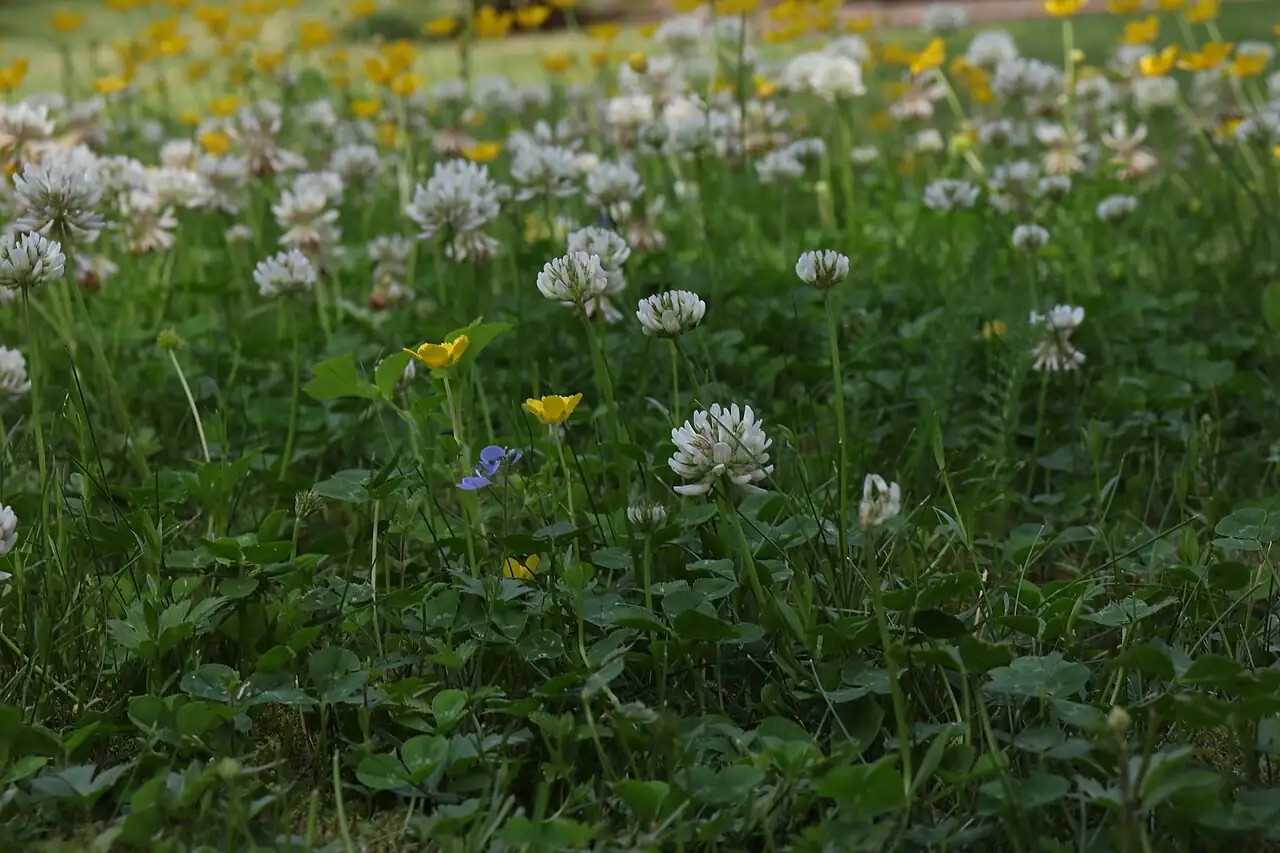
Lawns, meadow-style plantings, groundcover patches, and naturalized areas such as moist grasslands, riverbanks, and roadsides.
Hardiness
USDA Zones 3–10; tolerates light frost, moderate drought once established, and some foot traffic.
Care Guide
Difficulty
Easy; very adaptable and forgiving once it has rooted in.
Buying Guide
Buy seed or plants from reputable suppliers. Choose vigorous, green growth and avoid containers with sour-smelling or waterlogged media. If using as groundcover or in a lawn mix, pick a variety suited to your climate and purpose (lawn, pasture, or ornamental blend).
Watering
Water regularly during establishment, keeping soil lightly moist. After it’s established, water during extended dry periods. It copes with moist sites but performs best when not kept permanently soggy.
Fertilization
Usually minimal. Because it fixes nitrogen, avoid heavy nitrogen feeding (which can push leafy growth and reduce flowering). If growth looks weak, top-dress with compost or apply a light balanced fertilizer in spring.
Pruning
Mow or shear to keep a neat, low mat and stimulate fresh growth. Remove spent flower heads if you want to reduce self-seeding.
Propagation
Naturally spreads by stolons that root at nodes; propagate by dividing and replanting rooted sections. Also easily grown from seed; flowering and seed set commonly occur May–October.
Repotting
Not commonly kept long-term in pots. If container-grown, refresh the mix and move to a slightly larger pot when crowded (ideally in spring), and ensure excellent drainage.
📅 Seasonal Care Calendar
May–October: main flowering and seed-setting window (timing varies with climate and mowing). Mow after flowering to tidy growth and, if desired, reduce seed spread.
Pests, Diseases & Safety
Common Pests & Diseases
Generally low-maintenance. Watch for aphids, leaf miners, and slugs/snails in damp spots. Fungal leaf spots or powdery mildew may appear with poor airflow; improve spacing/air circulation, avoid frequent overhead watering, and keep soil draining well.
Toxicity
Generally non-toxic to people and pets in typical exposures. As a forage plant it’s widely eaten by livestock, though extremely heavy intake by grazing ruminants can contribute to bloat in some situations.
Culture & Symbolism
Symbolism: Often linked with luck and everyday good fortune, especially in clover-related traditions.
History & Legends: Historically prized in European farming as a pasture plant and a natural soil improver thanks to nitrogen-fixing root nodules. It spread widely alongside agriculture and lawn culture and now naturalizes readily across many temperate regions.
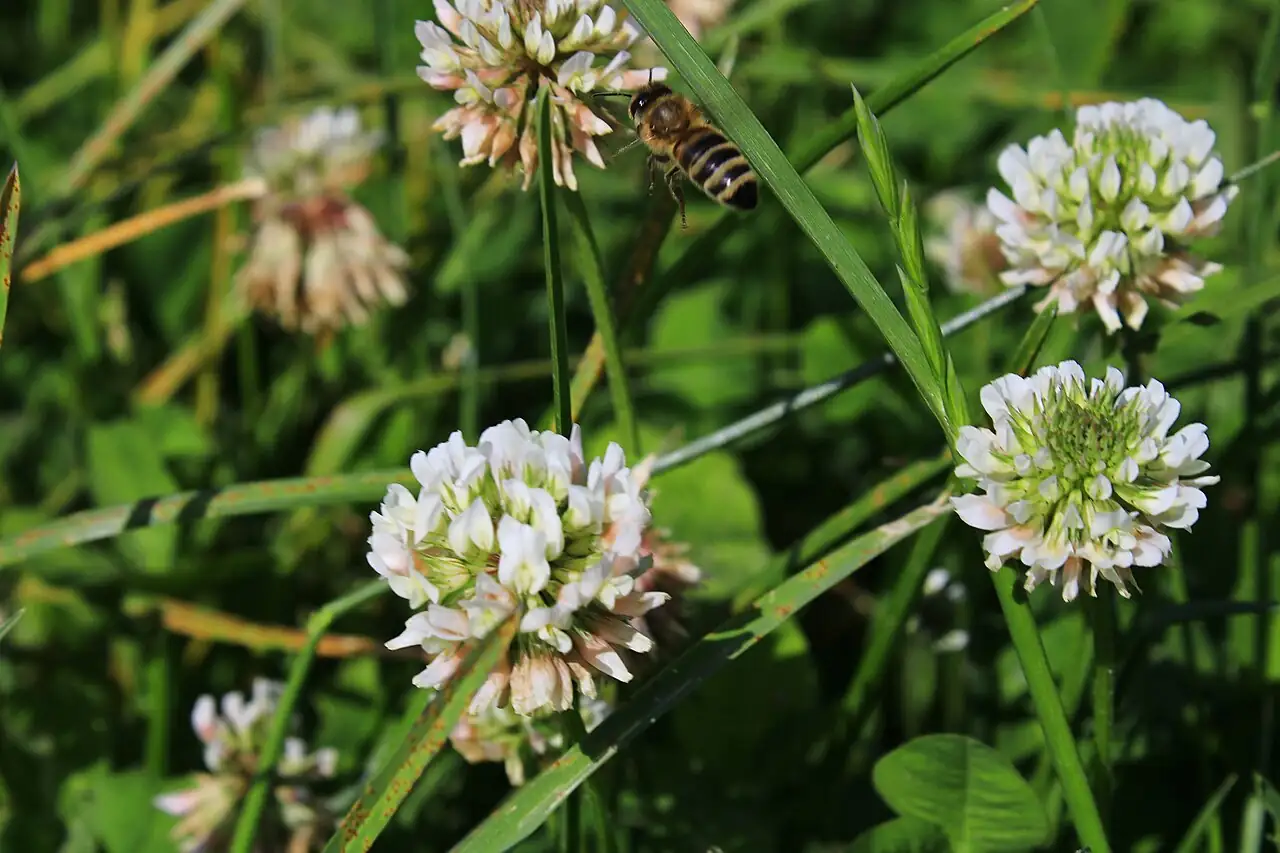
Uses: Groundcover and lawn component; one of the world’s important forage (pasture) legumes. Also excellent for pollinators and for improving soil fertility through nitrogen fixation.
FAQ
What is its scientific name?
Trifolium repens.
When does it flower?
Most commonly from May to October, depending on your climate and how often the area is mowed.
How tall does it get?
Usually about 10–30 cm (4–12 in) tall, but it spreads outward much more than it grows upward.
Where is it native to?
Western Asia (including Asia Minor) and southeastern Europe, though it is widely cultivated and naturalized in many regions, including China.
What conditions does white clover prefer?
Full sun to partial shade and well-drained soil that stays evenly moist—though it tolerates moderate drought once established.
Why is it valued in lawns and gardens?
It forms a low living carpet, supports pollinators, tolerates mowing and some foot traffic, and enriches soil by fixing nitrogen.
Fun Facts
- It spreads by stolons that root wherever they touch down, so it can quickly stitch together a living green mat.
- As a legume, it partners with beneficial bacteria in root nodules to fix nitrogen—nature’s slow-release fertilizer.
- Each round flower head is made of dozens of tiny pea-family flowers and can look white or softly pink-tinged.
- It’s often cultivated on purpose, yet it also naturalizes easily along roadsides, riverbanks, and moist grasslands.
- Because it tolerates mowing and moderate foot traffic, it can persist for years in lawns.


