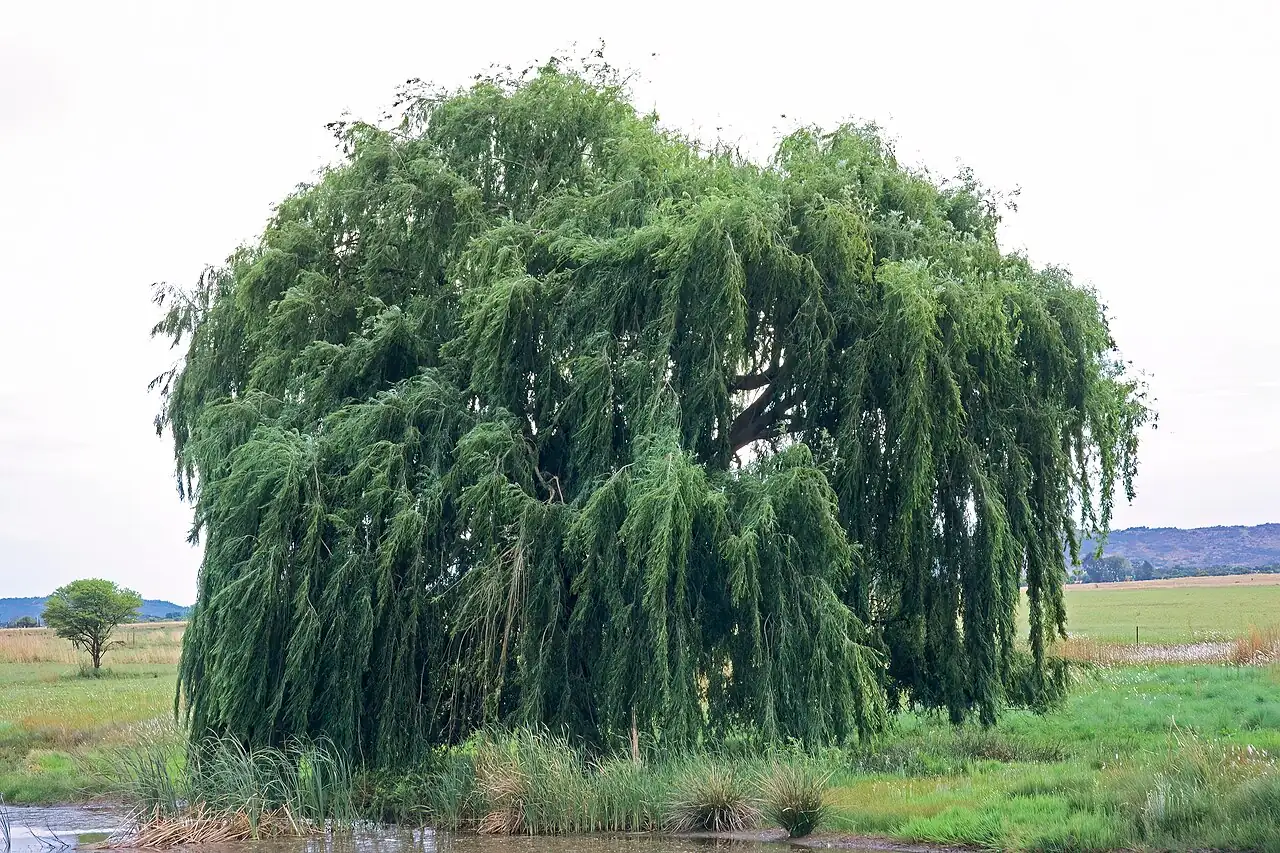
Plant Features
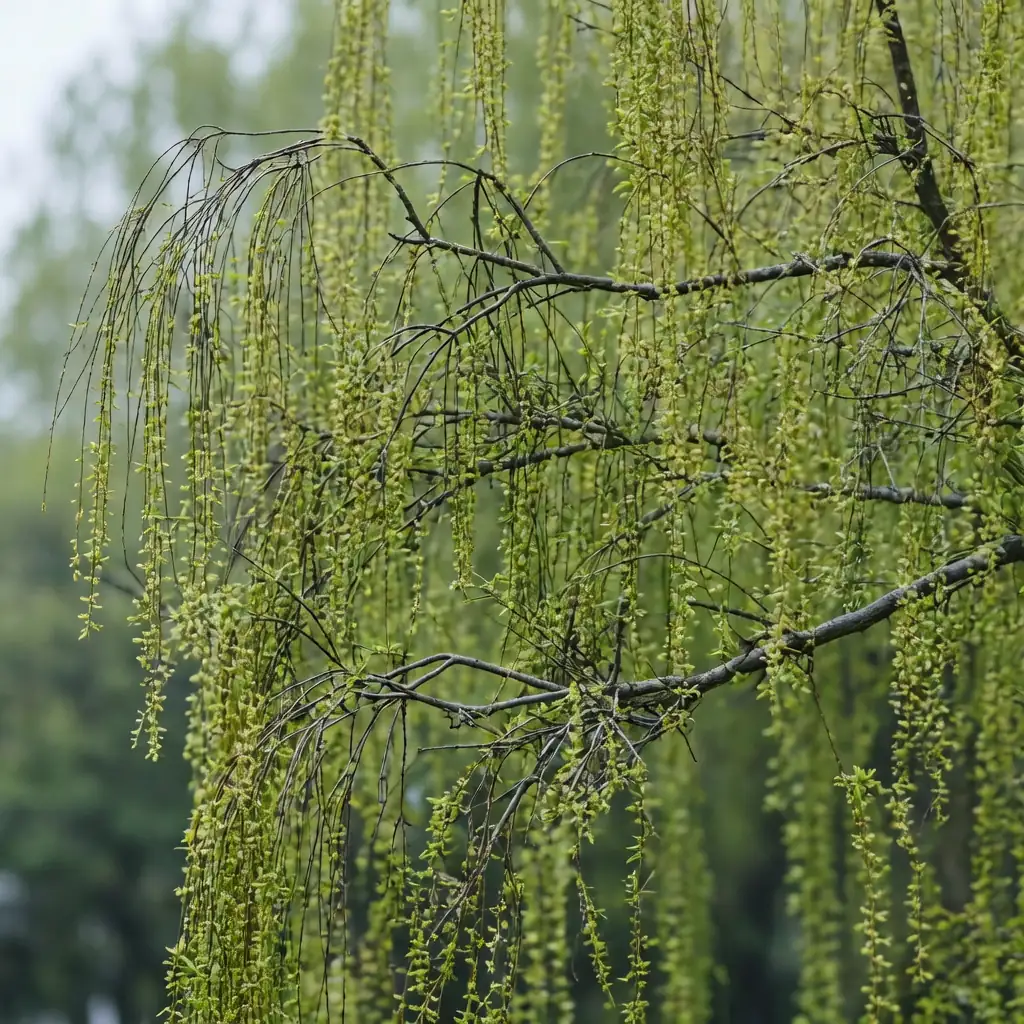
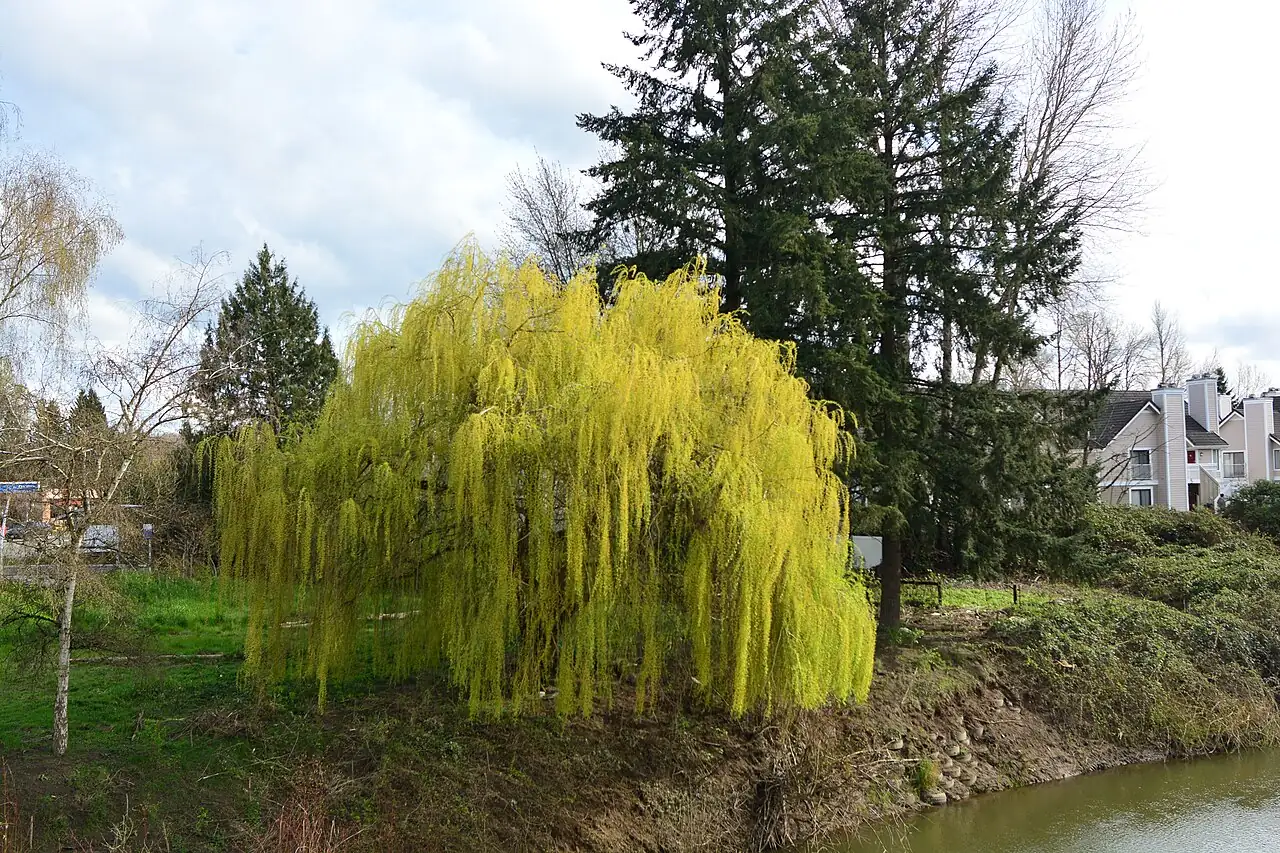
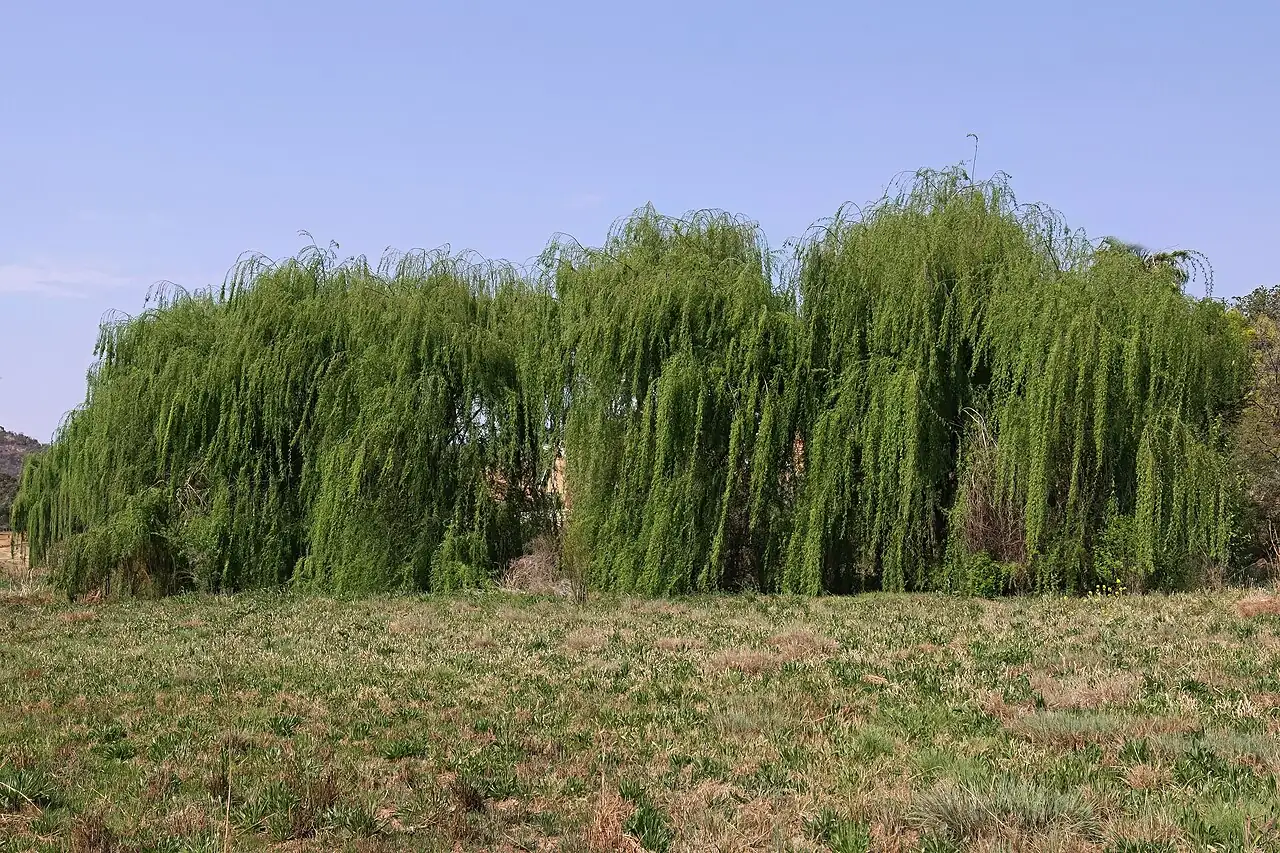
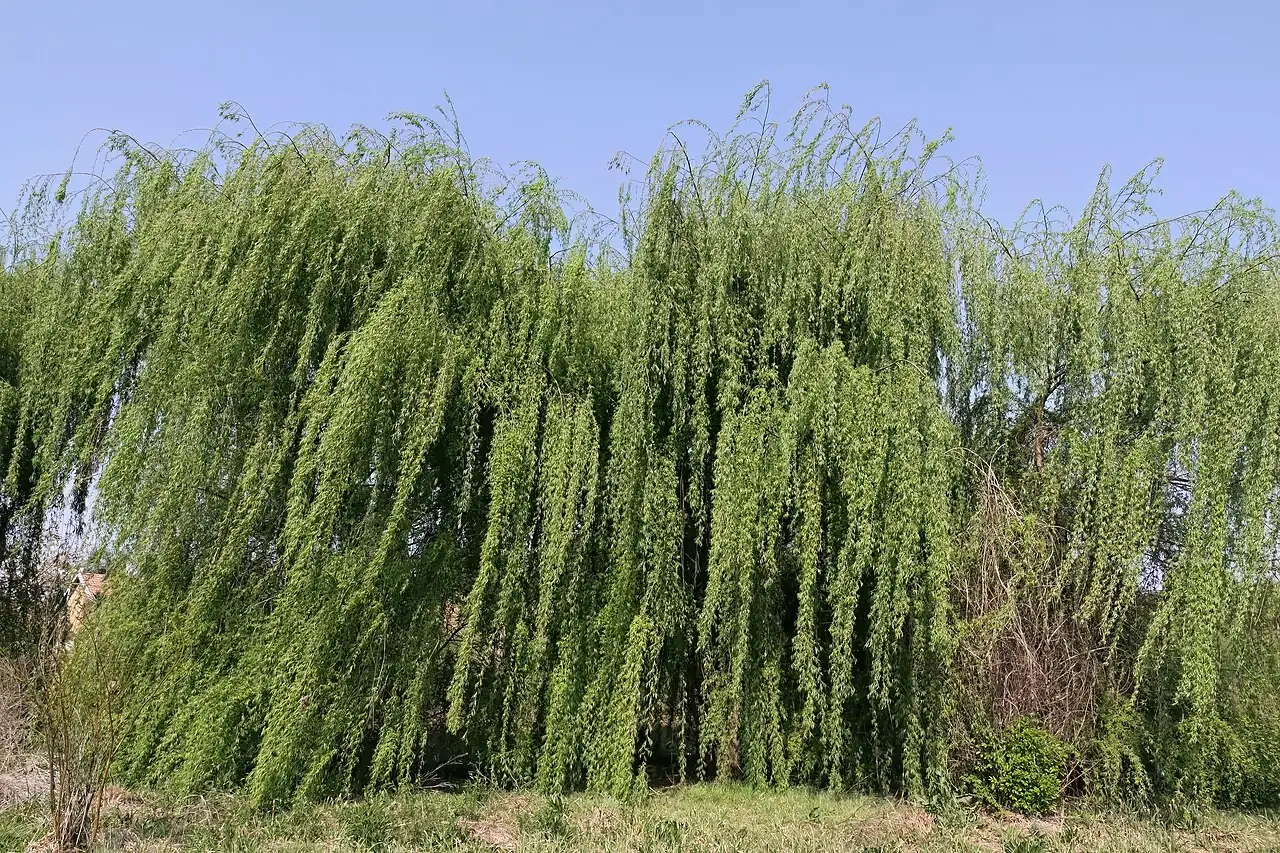
- Size: Typically 12–18 m (39–59 ft) tall, forming a broad, open crown with strongly weeping branchlets.
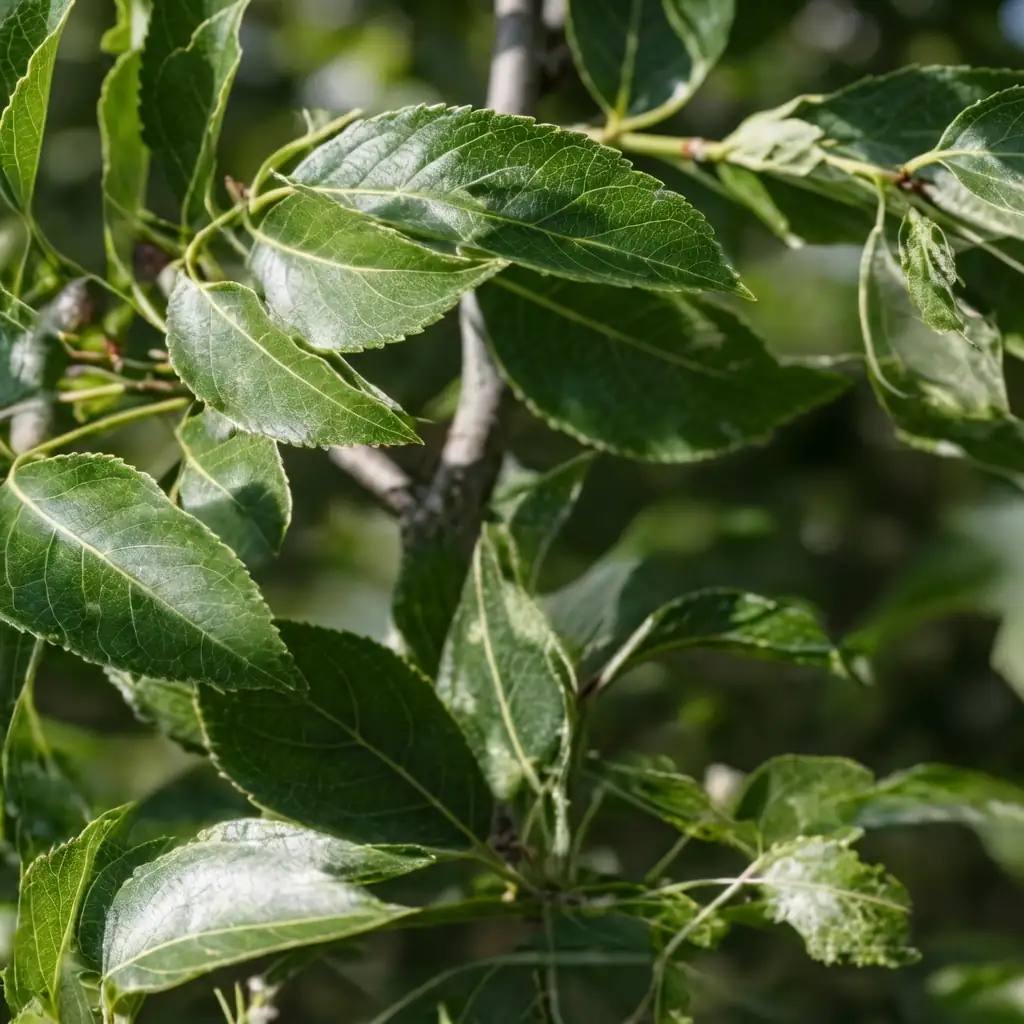
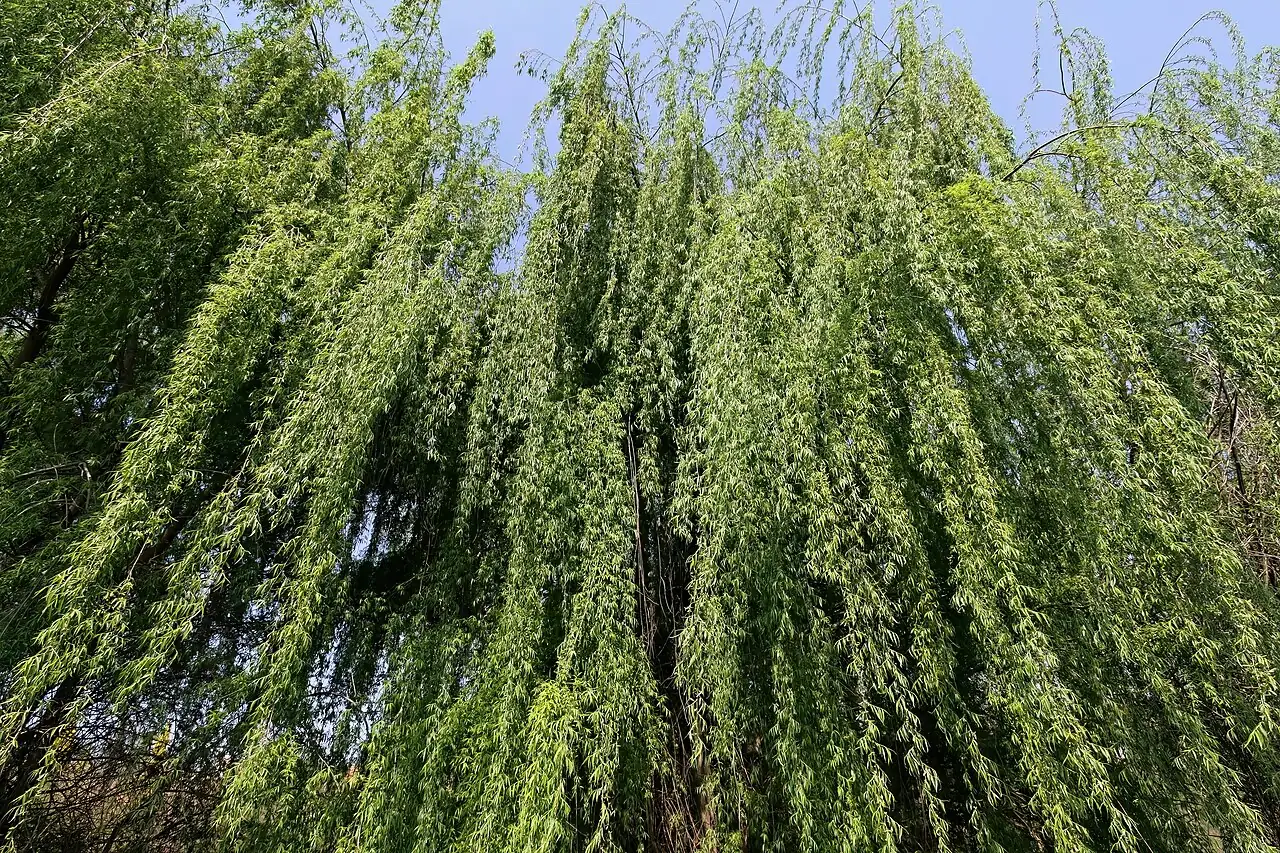
- Foliage: Leaves are narrow lance-shaped to linear-lanceolate with a long tapered tip and finely serrated edges. They’re medium green on top and noticeably paler beneath, usually smooth (hairless) or only slightly hairy.
- Flower: Flowers are small and not showy, carried in catkins that appear before the leaves or as they emerge. The fruit is a small capsule about 3–4 mm (0.12–0.16 in), starting greenish and turning yellow-brown as it ripens.
- Flowering Season: March–April
- Growth Habit: A large deciduous tree with an open, spreading crown and slender drooping twigs (often yellow-brown to purplish). It grows rapidly and develops a vigorous, moisture-seeking root system.
Environment
Sunlight
Full sun for best growth and classic weeping form; tolerates light shade.
Temperature
Prefers a warm, humid growing season. Best growth around 15–30°C (59–86°F). Once established it tolerates winter cold in suitable climates, but it dislikes prolonged extreme heat or drought without extra water.
Humidity
Moderate to high humidity is ideal; appreciates consistently moist conditions and performs especially well near water.
Soil
Deep, fertile soil that holds moisture yet drains reasonably well. Tolerates acidic to neutral conditions. Can grow on drier sites if the soil is deep and roots can reach reliable moisture (or if irrigated).
Placement
Best beside ponds, lakes, streams, and rivers; also suitable for parks and large gardens as a shade tree, wide roadside plantings (with ample clearance), erosion-control sites, and tough urban/industrial landscapes.
Hardiness
USDA Zone 4–9 (about −34 to −1°C / −30 to 30°F).
Care Guide
Difficulty
Easy in the right outdoor site: vigorous, fast-growing, and forgiving, but it needs generous space and dependable moisture. Not ideal for small yards due to size and aggressive roots.
Buying Guide
Pick a healthy young tree with a straight leader (main stem) and clean bark—no cankers, wounds, or oozing areas. Avoid severely root-bound pots and check branch tips for dieback. Plan ahead for its large mature size, and keep it well away from drains, septic systems, and foundations—its roots naturally chase moisture and can exploit leaking or older pipes.
Watering
Water regularly during establishment (about the first 1–2 years). Aim for evenly moist soil; it tolerates waterlogging but also benefits from deep watering during dry spells. In hot weather, water deeply and less often rather than giving frequent light sips.
Fertilization
Often unnecessary in decent garden soil. If growth looks weak, apply a balanced slow-release fertilizer in spring. Avoid heavy feeding late in the season, which can encourage tender growth before winter.
Pruning
Prune in late winter to early spring while dormant. Remove dead, damaged, and crossing branches; lift the canopy only if needed for clearance. Avoid harsh topping—keeping a strong, well-structured framework helps reduce breakage in storms.
Propagation
Very easy from hardwood cuttings taken in late winter/early spring. It can also root readily from fresh cuttings placed in water or pushed into moist soil.
Repotting
Not typically applicable (it’s a landscape tree). If temporarily container-grown, pot up in spring into a larger container with a rich, moisture-retentive mix, and plant out as soon as practical.
📅 Seasonal Care Calendar
Flowering: March–April. Fruiting: April–May. Best planting/transplanting: dormant season (late fall to early spring). Watch soil moisture closely in summer and give extra deep watering during dry spells.
Pests, Diseases & Safety
Common Pests & Diseases
May attract aphids, caterpillars, scale insects, and spider mites. Common issues include willow scab, leaf spots, rust, powdery mildew, and cankers. Help prevent problems by improving airflow, cleaning up fallen leaves, pruning out diseased wood, and minimizing overhead watering when possible.
Toxicity
Low toxicity overall. Like other willows, it contains salicylates; chewing or eating large amounts of bark/leaves may cause stomach upset in people or pets. Discourage pets from gnawing fallen twigs.
Culture & Symbolism
Symbolism: Often linked with grace, remembrance, and mourning—the gently drooping silhouette has made it a universal symbol of melancholy and reflection.
History & Legends: Although the name “babylonica” suggests Babylon, the tree is historically associated with China and spread widely through cultivation. Early European botanists connected it to the biblical “willows” described near rivers, which contributed to the misleading epithet.
Uses: Ornamental shade tree; iconic waterside planting; excellent for erosion control and riverbank stabilization; used in parks, broad streetscapes, and for greening polluted/industrial areas.
FAQ
Can I plant a weeping willow near my house or drainage pipes?
It’s safest to plant it well away from buildings, drains, and septic systems. The roots are vigorous and moisture-seeking, and they can cause trouble—especially with older or leaking pipes.
Why are the leaves turning yellow and dropping in summer?
This is commonly caused by drought stress, root problems from poor drainage, or leaf diseases. Check soil moisture, water deeply during hot/dry periods, and remove and dispose of infected fallen leaves to reduce reinfection.
Fun Facts
- It grows very quickly and can resprout strongly after pruning or storm damage.
- It tolerates wet soils and periodic flooding, yet can still cope on deeper, drier ground if it can access moisture.
- Willows are often used in tough urban sites and industrial greening projects because they can handle some air pollution.
- A classic living tool for stabilizing riverbanks and reducing erosion.