Plant Features
- Size: Up to about 2 m x 2 m (6.6 ft x 6.6 ft) when trained up a support or allowed to trail freely.
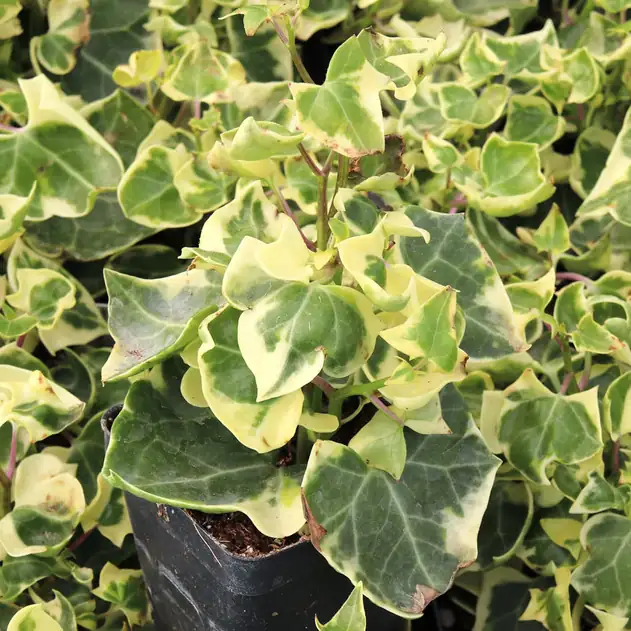
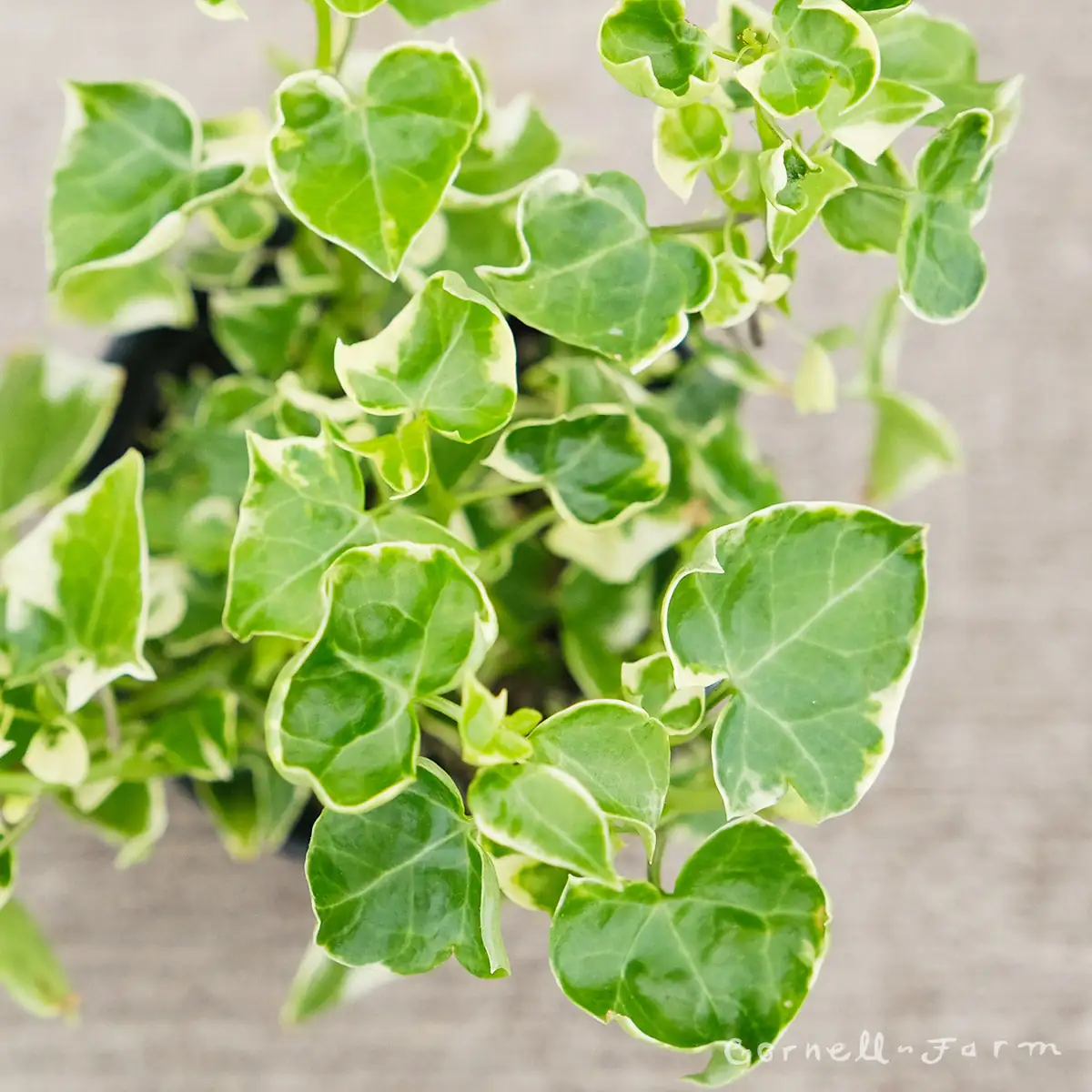
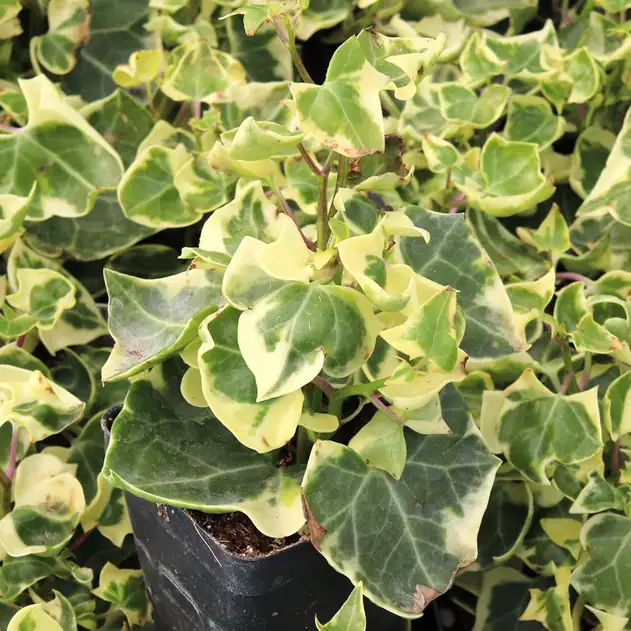
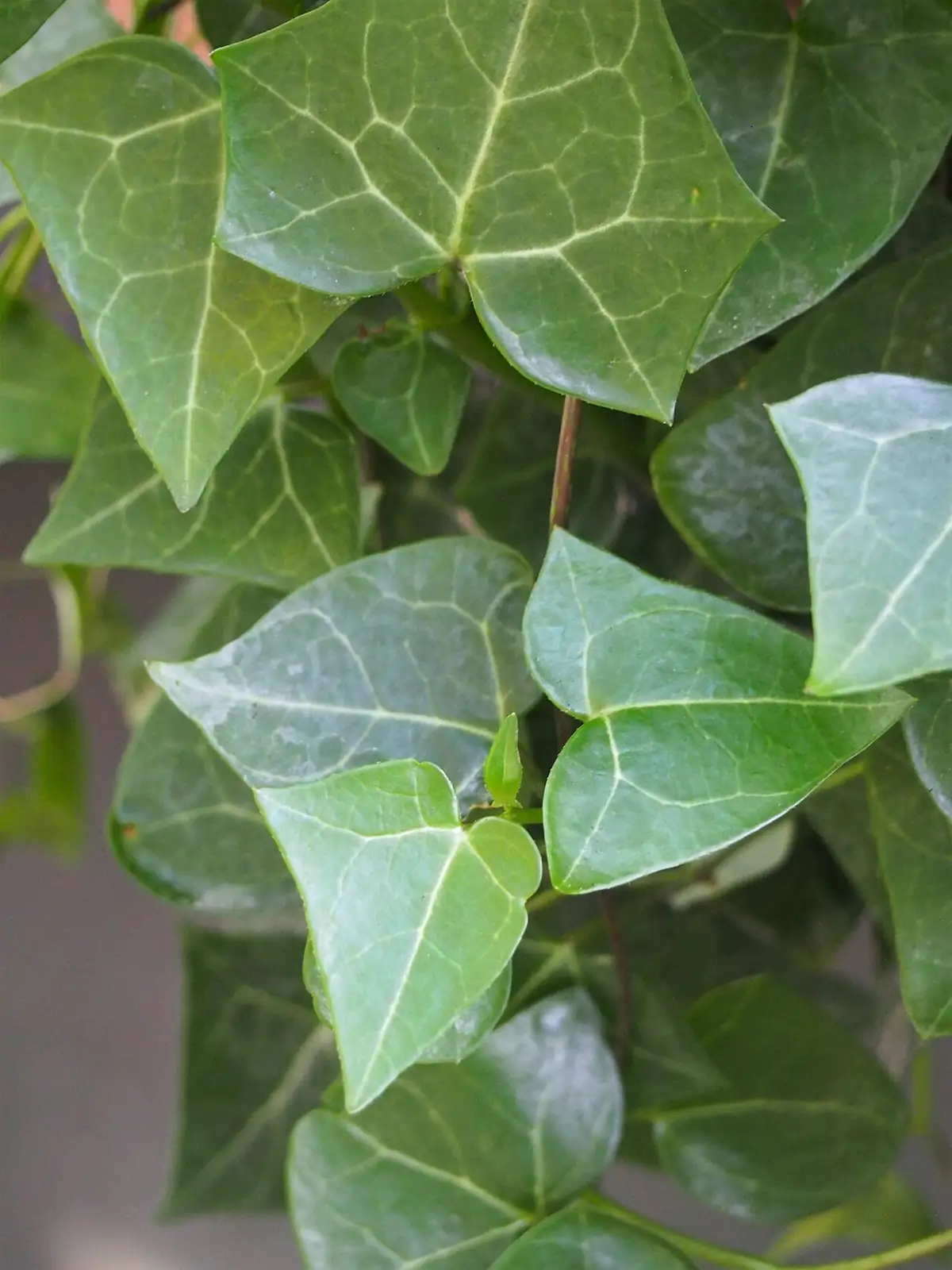
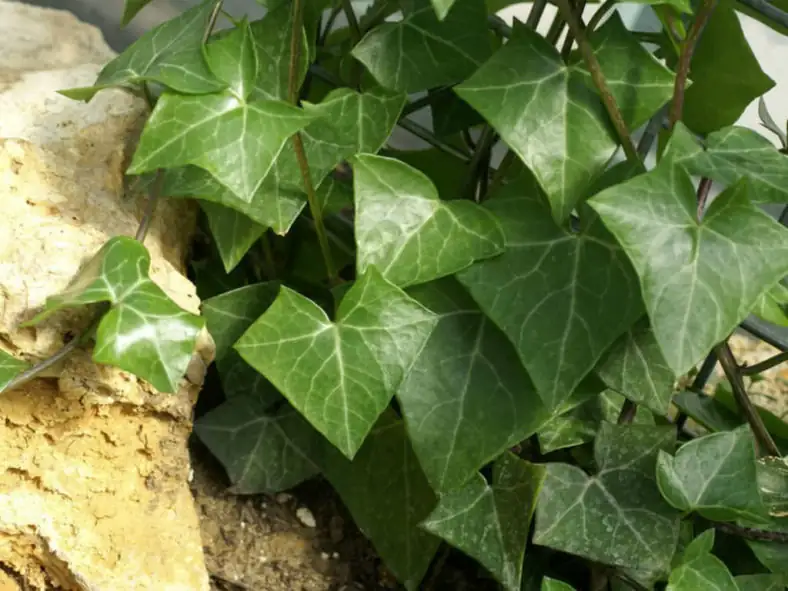
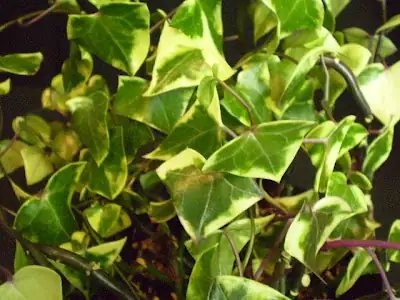
- Foliage: Glossy, ivy-shaped leaves with deep lobes. Fresh growth may show a silvery cast that gradually turns deep green as leaves mature, creating a soft two-tone effect.
- Flower: On mature plants, small daisy-like flowers in pale yellow can appear, though flowering is uncommon indoors.
- Flowering Season: Late winter to spring (most likely with very bright light or if grown outdoors in a mild, frost-free climate).
- Growth Habit: Evergreen trailing/climbing vine; stems spill elegantly from baskets or can be tied in to climb and cover frames, trellises, or indoor walls.
Environment
Sunlight
Bright, indirect light to part shade. Avoid harsh midday sun. It tolerates lower light but will grow more slowly and with longer, stretchier stems.
Temperature
12–24°C (54–75°F). Keep away from frost and cold drafts.
Humidity
Low to average household humidity; no special humidity boost required.
Soil
Free-draining potting mix (ideally peat-free) improved with perlite or grit for airflow and faster drainage. A typical container size is 15–20 cm (6–8 in) diameter, upsizing gradually as needed.
Placement
Hanging basket or high shelf for trailing; near a bright window with filtered light; or trained onto a trellis/frame for a climbing display or indoor green wall effect.
Hardiness
Not frost hardy; outdoors year-round only in frost-free regions (roughly USDA Zone 10–11).
Care Guide
Difficulty
Easy; generally forgiving and adaptable in normal indoor conditions.
Buying Guide
Pick a plant with firm stems and glossy, healthy leaves. Avoid plants with blackened patches, mushy stem bases, or heavy leaf drop. Check leaf undersides and stem joints carefully for mealybugs and scale before bringing it home.
Watering
Spring through autumn: keep the mix evenly moist but never waterlogged. Winter: reduce watering—let the top of the mix dry slightly so the pot is only lightly moist. Always empty any excess water from the saucer to prevent root rot.
Fertilization
Spring through autumn: feed monthly with a balanced liquid fertilizer (use label rate, or half-strength if feeding more frequently). Skip feeding in winter.
Pruning
Train as you go by tying soft new shoots to a support if you want a climbing look. In spring, cut back long, wandering stems to keep it tidy and encourage branching (which also makes the plant look fuller).
Propagation
Stem cuttings are the easiest: in spring or summer, take 8–12 cm (3–5 in) tip cuttings, remove the lower leaves, and root in moist propagation mix or in water. Pot up once roots are about 2–5 cm (1–2 in) long.
Repotting
Repot every 2–3 years or earlier if it becomes rootbound. For mature plants, refresh the top 2–5 cm (1–2 in) of potting mix each spring. When repotting, move up only one pot size at a time (often starting around 15–20 cm / 6–8 in).
📅 Seasonal Care Calendar
Spring–autumn: water to keep evenly moist; feed monthly; tie in new growth; prune back in spring for fullness; repot every 2–3 years (or top-dress by refreshing the top layer each spring). Winter: reduce watering so soil stays only lightly moist; stop fertilizing.
Pests, Diseases & Safety
Common Pests & Diseases
Common issues include mealybugs, scale insects, spider mites, and aphids. Root rot is usually linked to overwatering and poor drainage—use a fast-draining mix and water more sparingly in cool, dim winter conditions.
Toxicity
Toxic if ingested (pyrrolizidine alkaloids). Keep away from pets and children. Sap may irritate sensitive skin.
Culture & Symbolism
Symbolism: Often linked with persistence and attachment, inspired by its clinging, climbing growth habit.
History & Legends: Native to South Africa and grown for years as an ornamental vine. It’s frequently marketed as an “ivy” thanks to its leaf shape, even though it’s not a true ivy (Hedera) and actually belongs to the daisy family.
Uses: Mainly ornamental—ideal for hanging baskets, trailing from shelves, or training up trellises and frames for vertical indoor greenery.
FAQ
How should I water Wax Ivy?
In spring through autumn, keep the potting mix evenly moist but never soggy. In winter, water less—let the top of the mix dry slightly so the pot stays only lightly moist.
When and how do I fertilize it?
Feed once a month from spring through autumn with a balanced liquid fertilizer. Don’t fertilize in winter.
How do I prune and train it?
Tie new, soft growth to a trellis or frame if you want it to climb. In spring, trim back long stems to keep it compact and encourage branching.
What pot size and soil should I use?
Use a free-draining houseplant mix (preferably peat-free) amended with perlite or grit. A 15–20 cm (6–8 in) pot is a common starting point for container culture.
When should I repot?
Repot every 2–3 years or when rootbound. For older plants, refreshing the top 2–5 cm (1–2 in) of mix each spring can also keep it thriving.
Fun Facts
- Despite its common name, Wax Ivy isn’t a true ivy—it’s in the daisy family (Asteraceae).
- With support, it can be trained into a surprisingly good indoor wall-covering climber.
- New leaves often emerge with a silvery sheen that fades to deep green as they mature.