

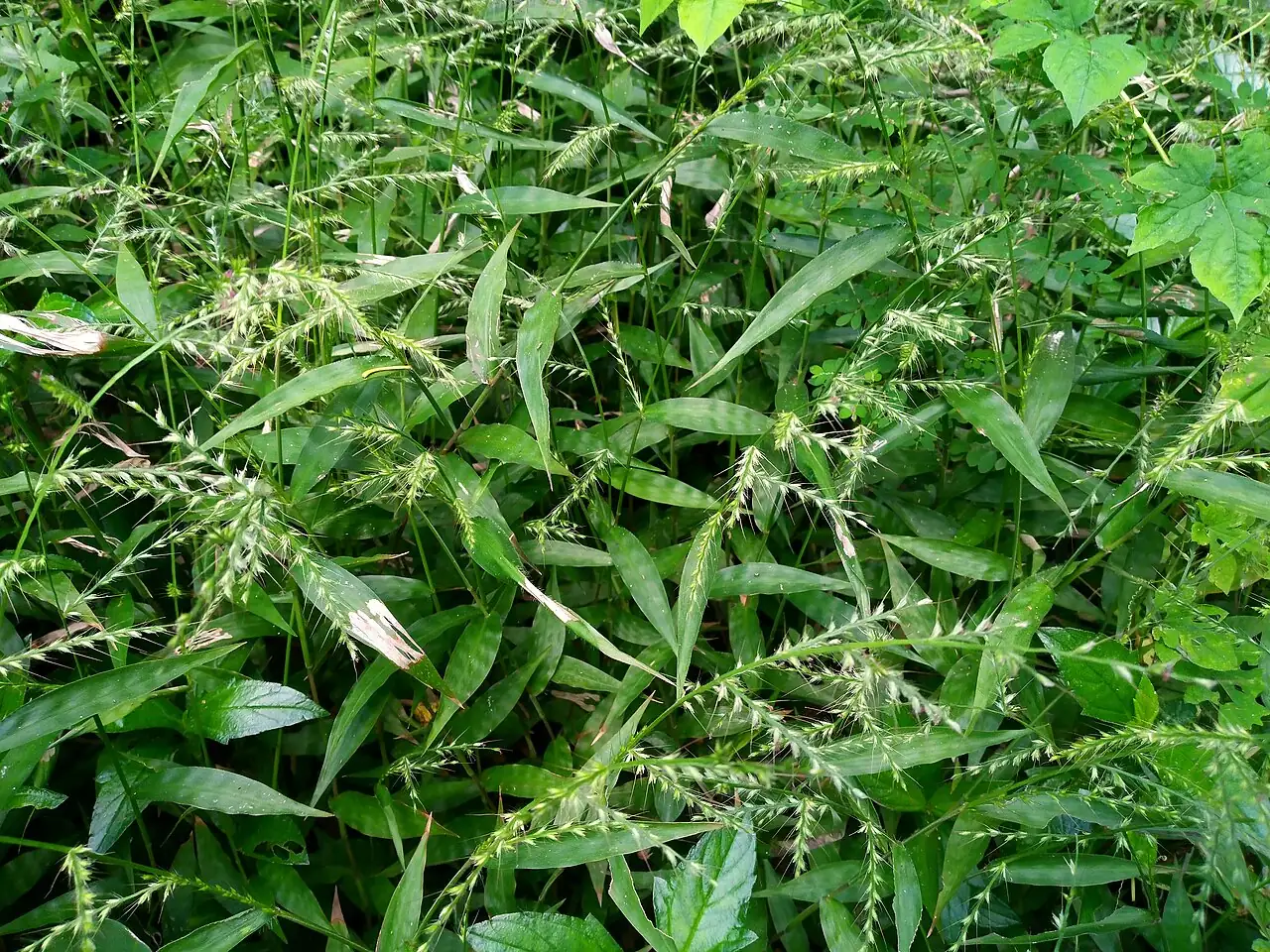
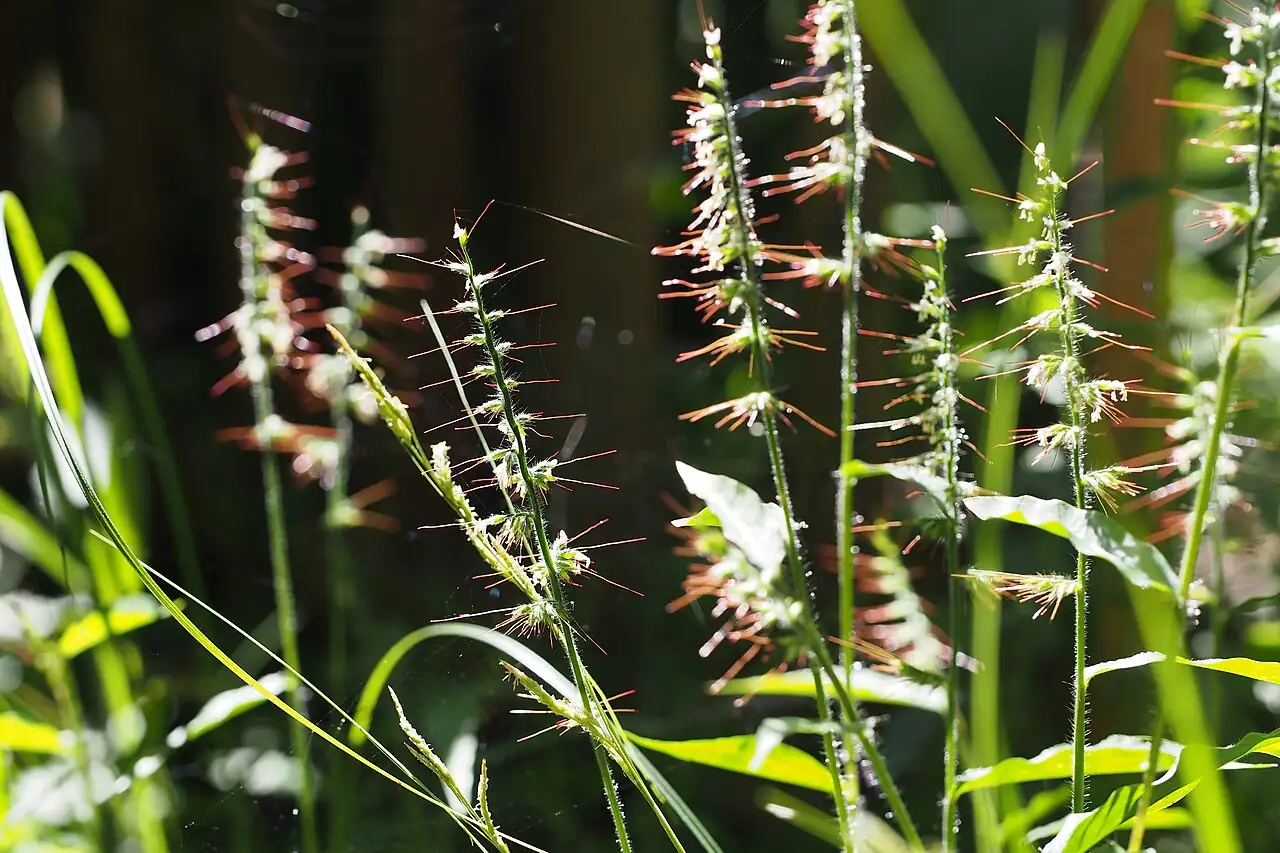
Plant Features
- Size: Typically 20–50 cm (8–20 in) tall; flowering panicles about 2–10 cm (0.8–4 in) long.
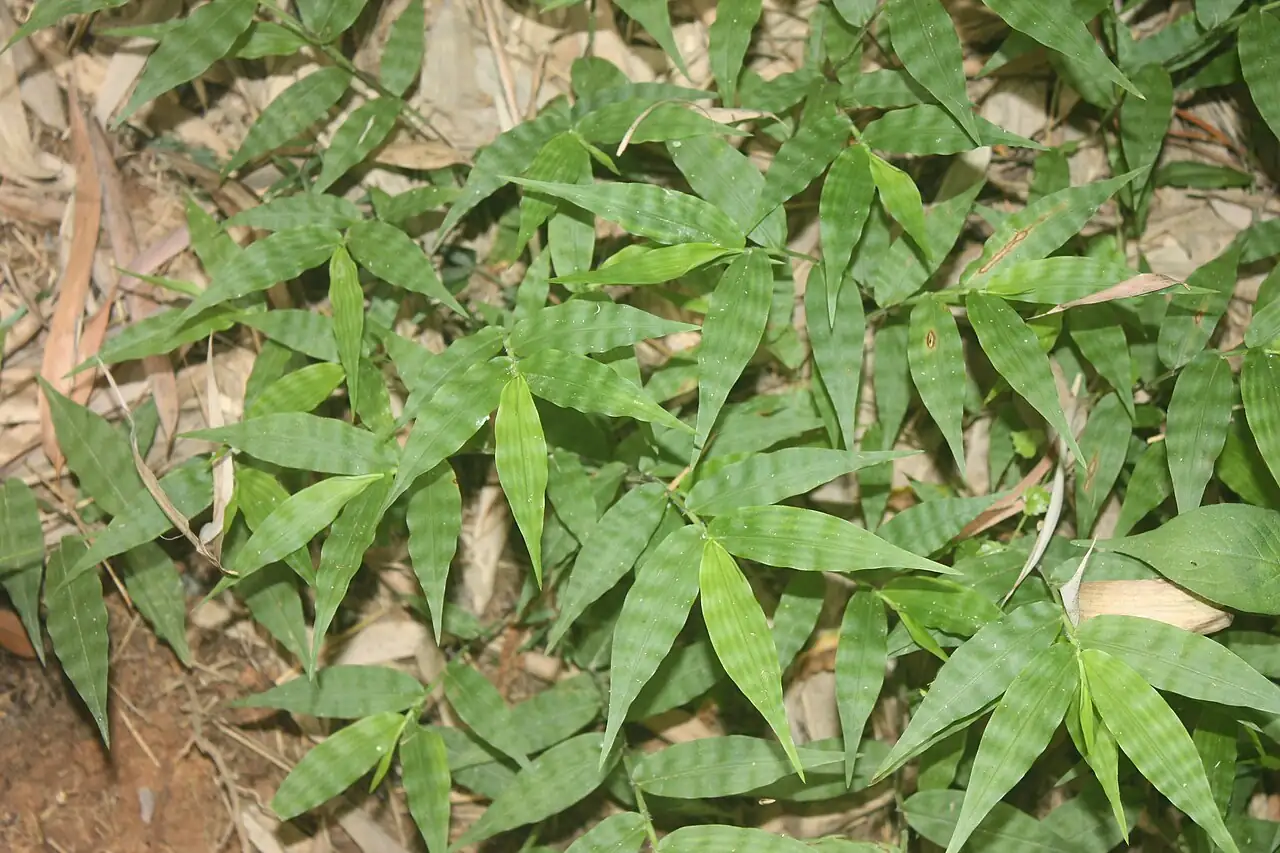
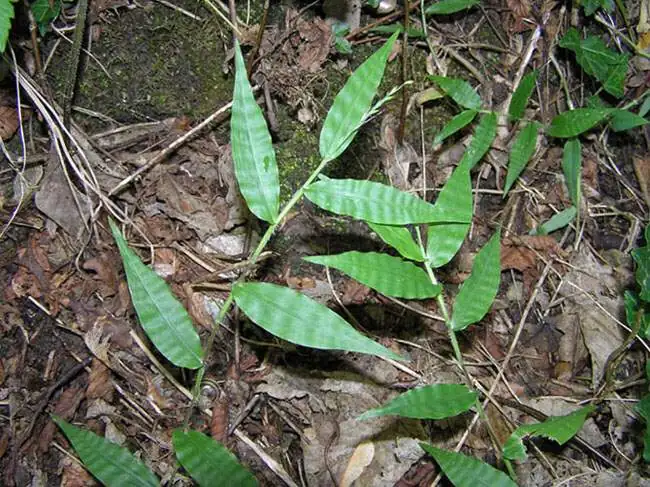
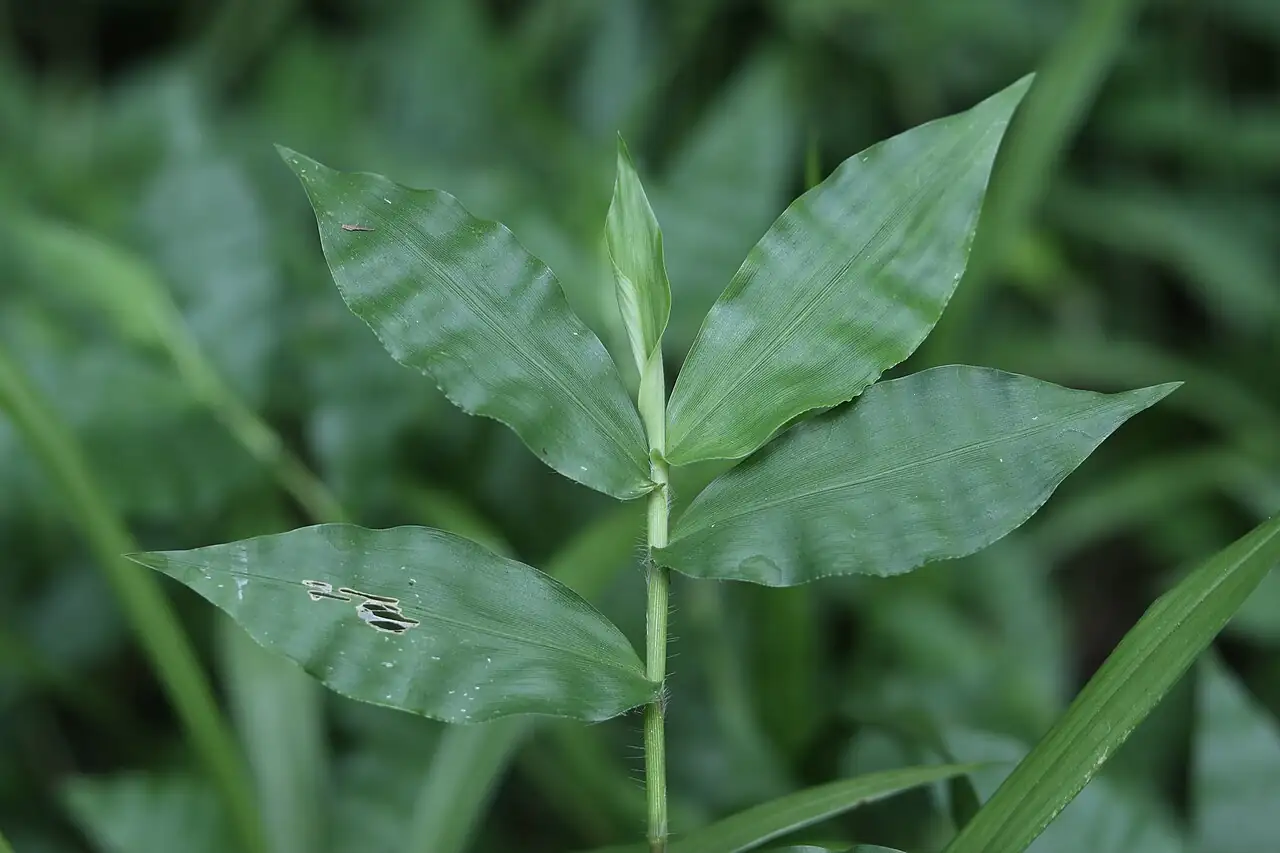
- Foliage: Fine, soft, flexible leaves. Leaf sheaths are densely hairy. The ligule is a tiny, papery membrane about 1 mm (0.04 in) long—small but handy for identification.
- Flower: Small, dense panicles about 2–10 cm (0.8–4 in) long. The panicle’s main axis is covered with long, soft, bristly hairs, giving the flower clusters a subtly fuzzy look up close.
- Flowering Season: July–November
- Growth Habit: Perennial, low, mat-forming grass with slender creeping stems that run along the ground and root at the nodes.
Environment
Sunlight
Part shade to dappled shade, like an open woodland understory.
Temperature
Prefers mild to warm growing-season temperatures; if cultivated, protect from hard frost below 0°C (32°F).
Humidity
Moderate humidity; happiest where soil doesn’t dry out completely for long periods.
Soil
Moist but well-drained soil; adaptable to many soil types as long as it isn’t waterlogged.
Placement
Outdoors in lightly shaded woodland-style plantings, along shaded paths, or on shaded slopes as a groundcover.
Hardiness
Not reliably frost-hardy; treat as tender in cold-winter climates (below 0°C / 32°F).
Care Guide
Difficulty
Easy—adaptable and quick to establish, though it can spread enthusiastically once happy.
Buying Guide
Look for fresh green foliage and visible, active runners. Avoid plants with sour-smelling, soggy potting mix or mats that are browned, brittle, or dried out.
Watering
Keep evenly moist while establishing. After it settles in, water when the top 2–3 cm (about 1 in) of soil dries. Avoid prolonged waterlogging, which can encourage rot.
Fertilization
Light feeder. If growth seems weak, use a balanced fertilizer at a diluted rate in spring and again in mid-summer (about every 4–6 weeks during active growth). Avoid heavy nitrogen, which can make the growth lush but floppy.
Pruning
Trim/edge runners to control spread. Shear back tired or messy growth in late winter or early spring to refresh the mat.
Propagation
Very easy by division or by lifting and replanting runner pieces that already have rooted nodes.
Repotting
In containers, repot or divide when crowded—usually every 1–2 years—into a fresh, well-drained mix.
📅 Seasonal Care Calendar
Spring: divide, edge, and tidy to encourage fresh growth. Summer: keep moisture steady and manage spread. Autumn: it flowers/seeds; ease off feeding. Winter: protect from hard frost below 0°C (32°F) and clean up dead foliage.
Pests, Diseases & Safety
Common Pests & Diseases
Generally trouble-free. Constantly wet soil can lead to rot; drought-stressed plants may attract spider mites. Provide airflow, avoid soggy conditions, and keep moisture more even in heat.
Toxicity
No well-documented toxicity to people or pets. Still, discourage pets from eating large amounts and supervise small children, as with any ornamental plant.
Culture & Symbolism
Symbolism: Often linked with resilience and quiet persistence—once it takes hold, it steadily weaves itself into a tough, protective green mat.
Uses: A soft-textured forage grass and an effective soil-binding groundcover for slope stabilization and erosion control in suitable climates.
FAQ
Will it spread?
Yes. It creeps along the ground and roots at the nodes, so it can form a dense mat. If you want a neat edge, trim or border the runners regularly.
Can it grow in full sun?
It looks best in part shade or dappled shade. In full sun—especially in hot, dry weather—it may need more frequent watering and can appear stressed.
Fun Facts
- It spreads by creeping stems that root wherever the nodes touch soil, making it an excellent mat-forming groundcover.
- Its ligule is a tiny papery membrane about 1 mm (0.04 in) long—small details like this are key for identifying grasses.
- The compact panicles are about 2–10 cm (0.8–4 in) long and often look bristly because of soft hairs on the main axis.
- Flowering and fruiting typically run from July to November.
- In China it’s widespread and commonly found under open woodland on hillsides.


