Plant Features
- Size: Typically 20–30 cm (8–12 in) tall; forms low, spreading patches in suitable damp sites.
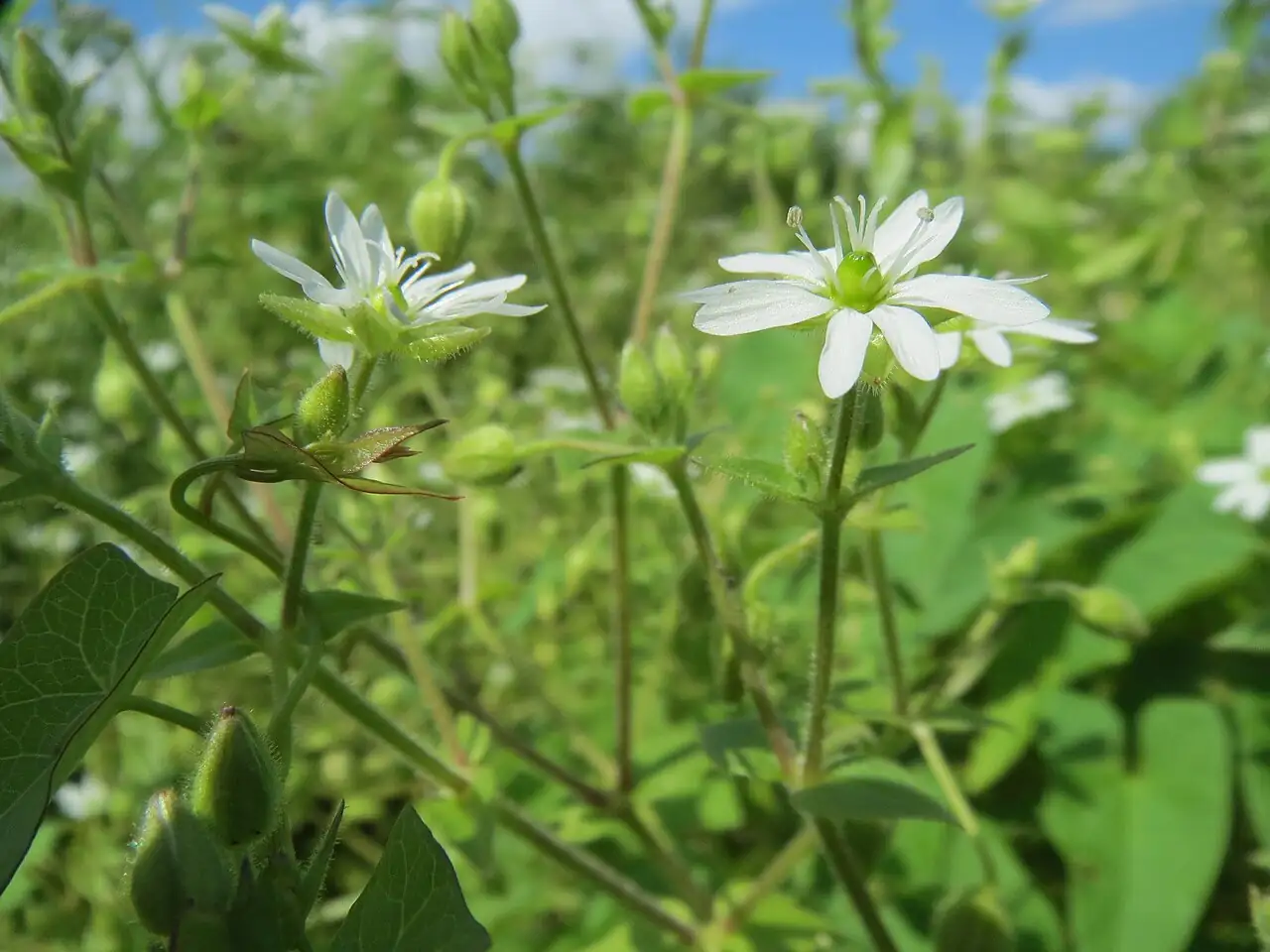
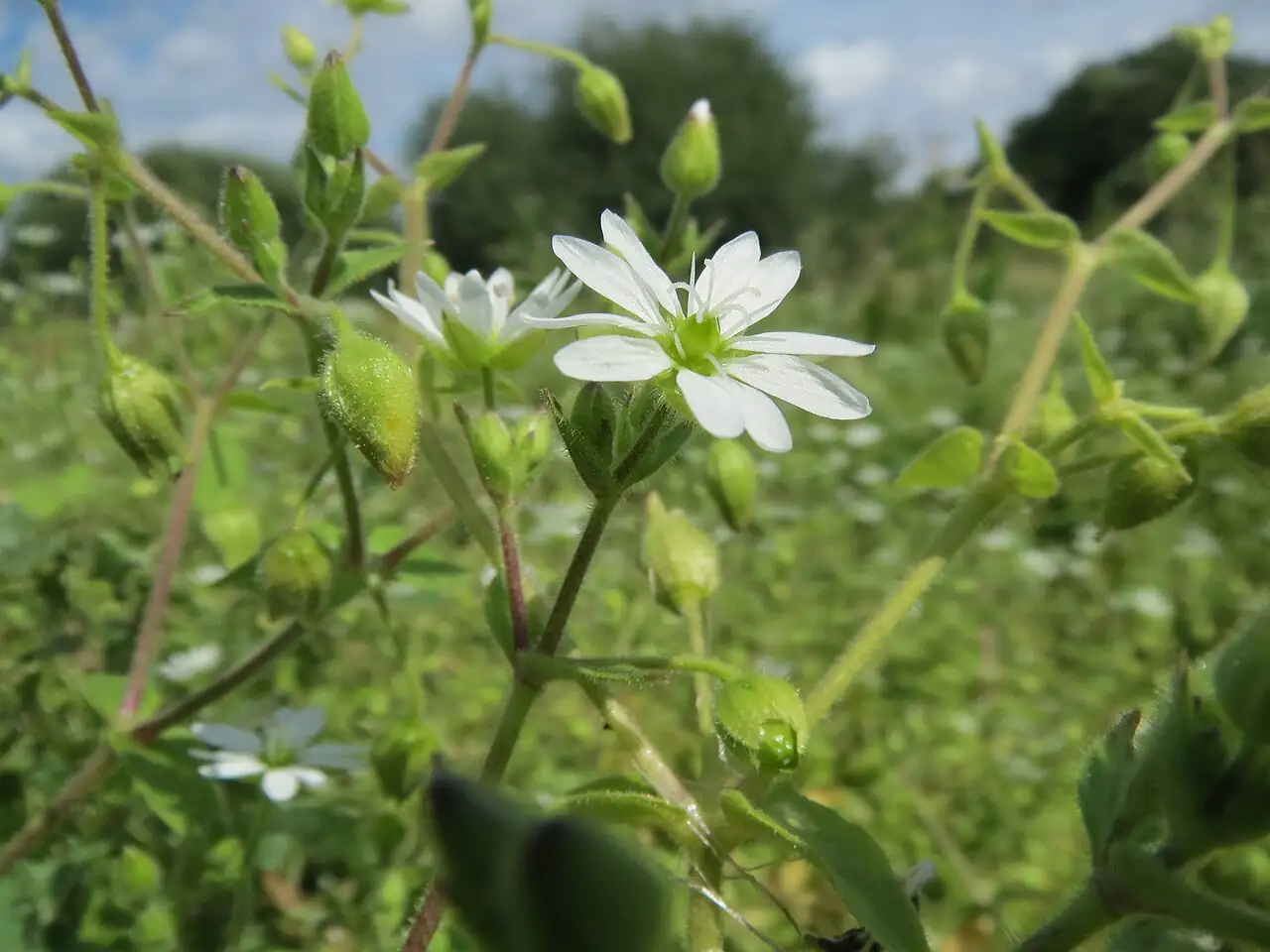
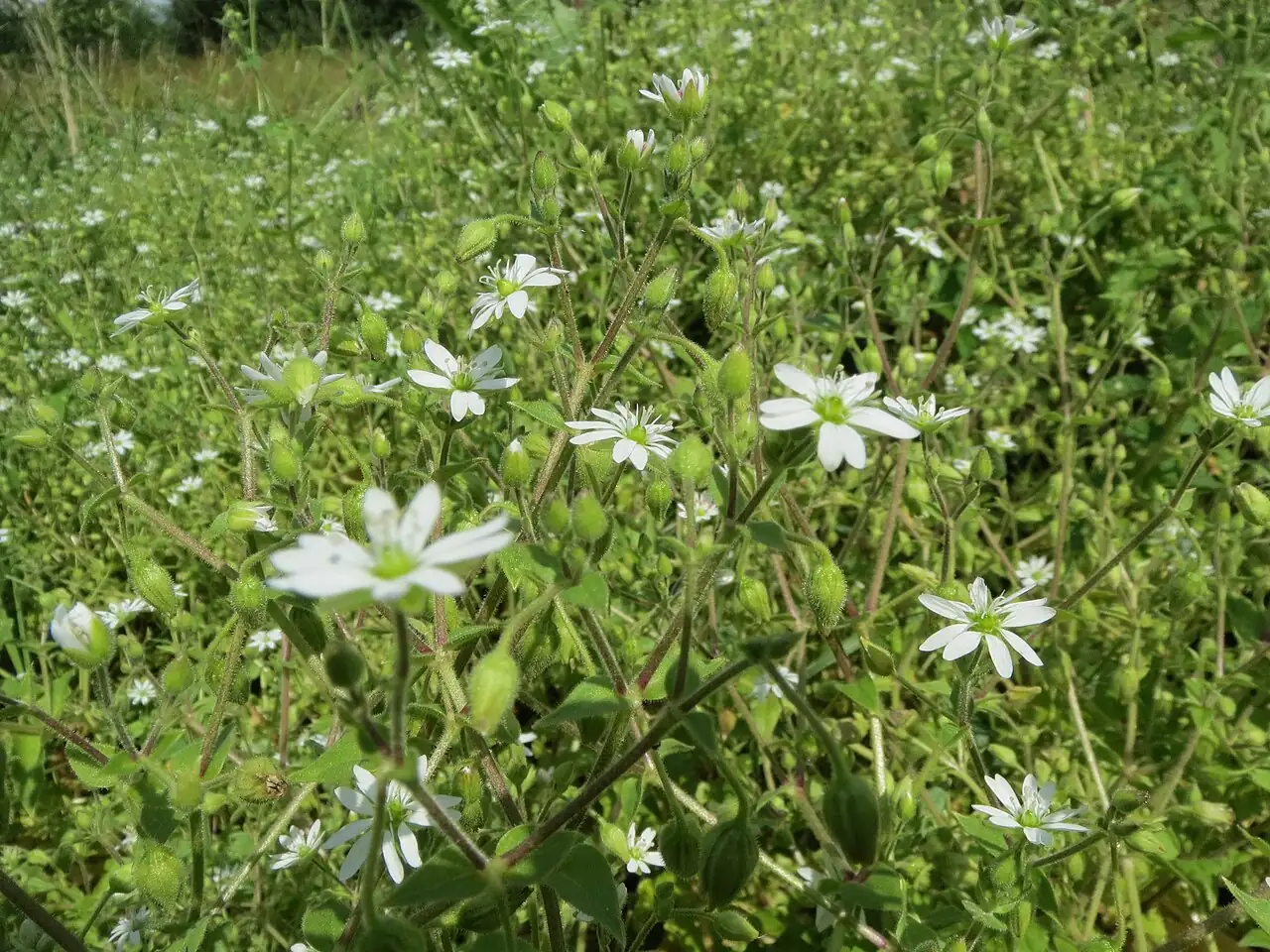
- Foliage: Leaves are ovate with a pointed tip and a slightly heart-shaped base. Stems are ascending and freely branched, supported by fibrous roots. After flowering, the slender flower stalks elongate and may bend downward.
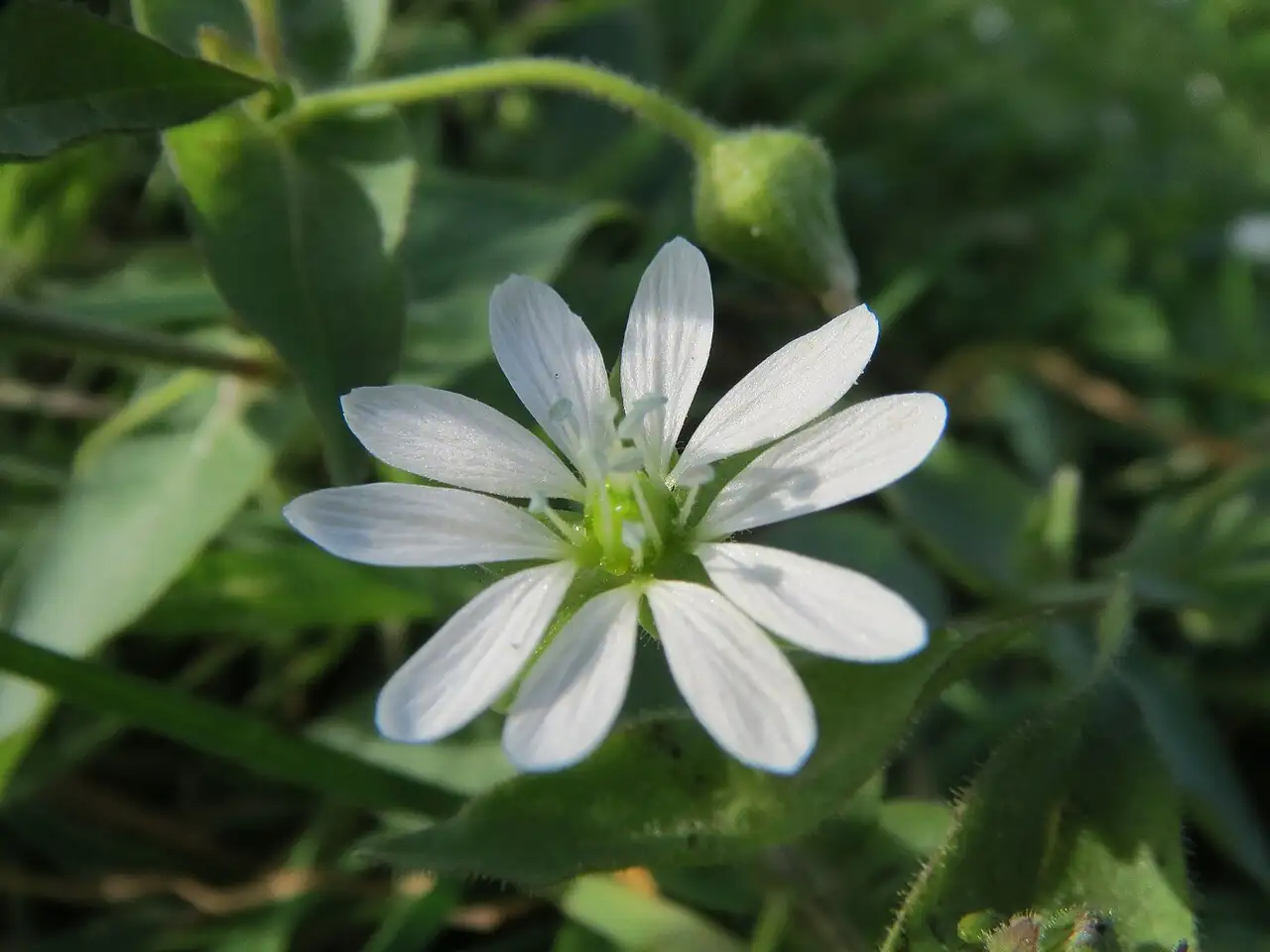
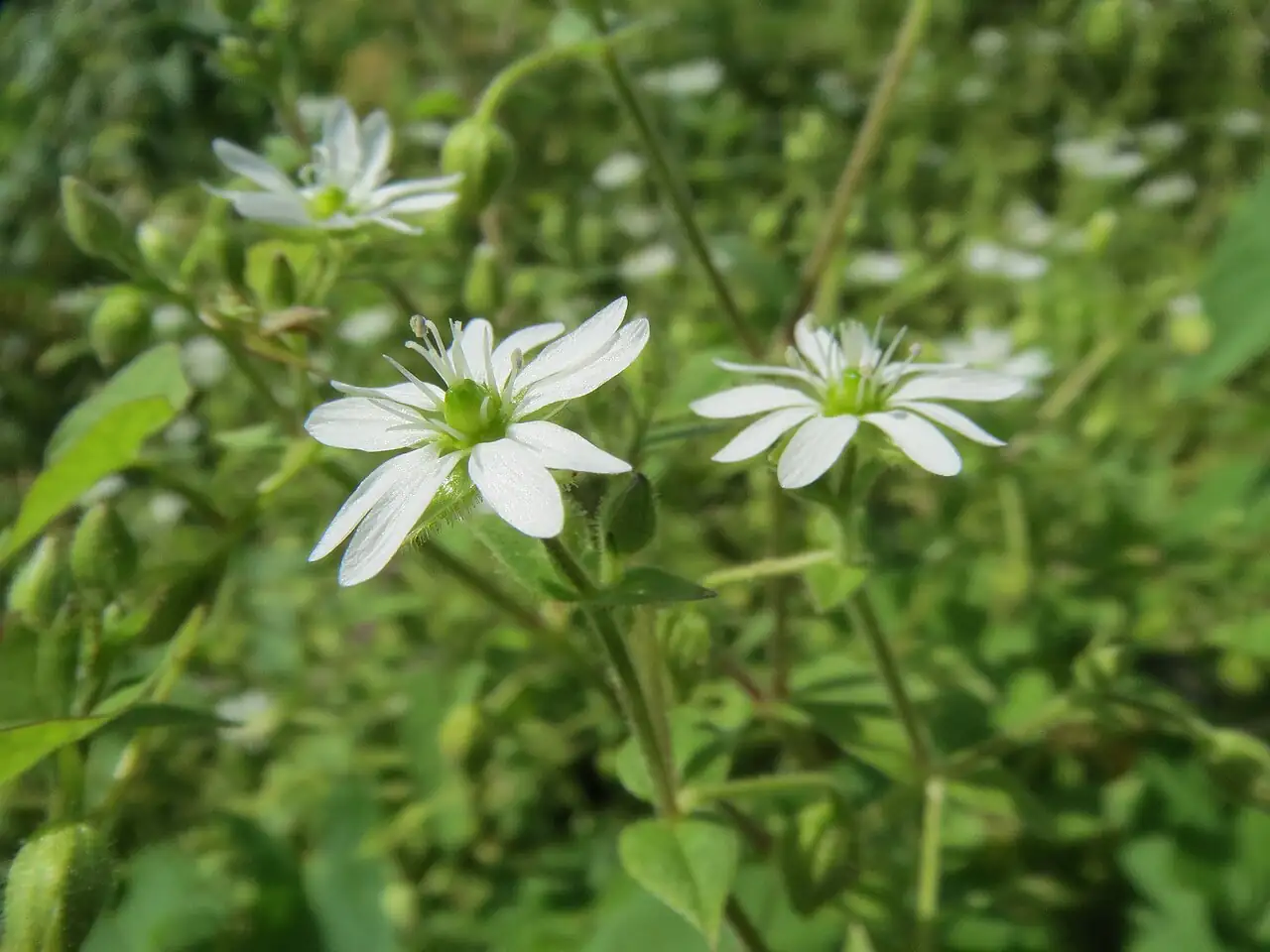
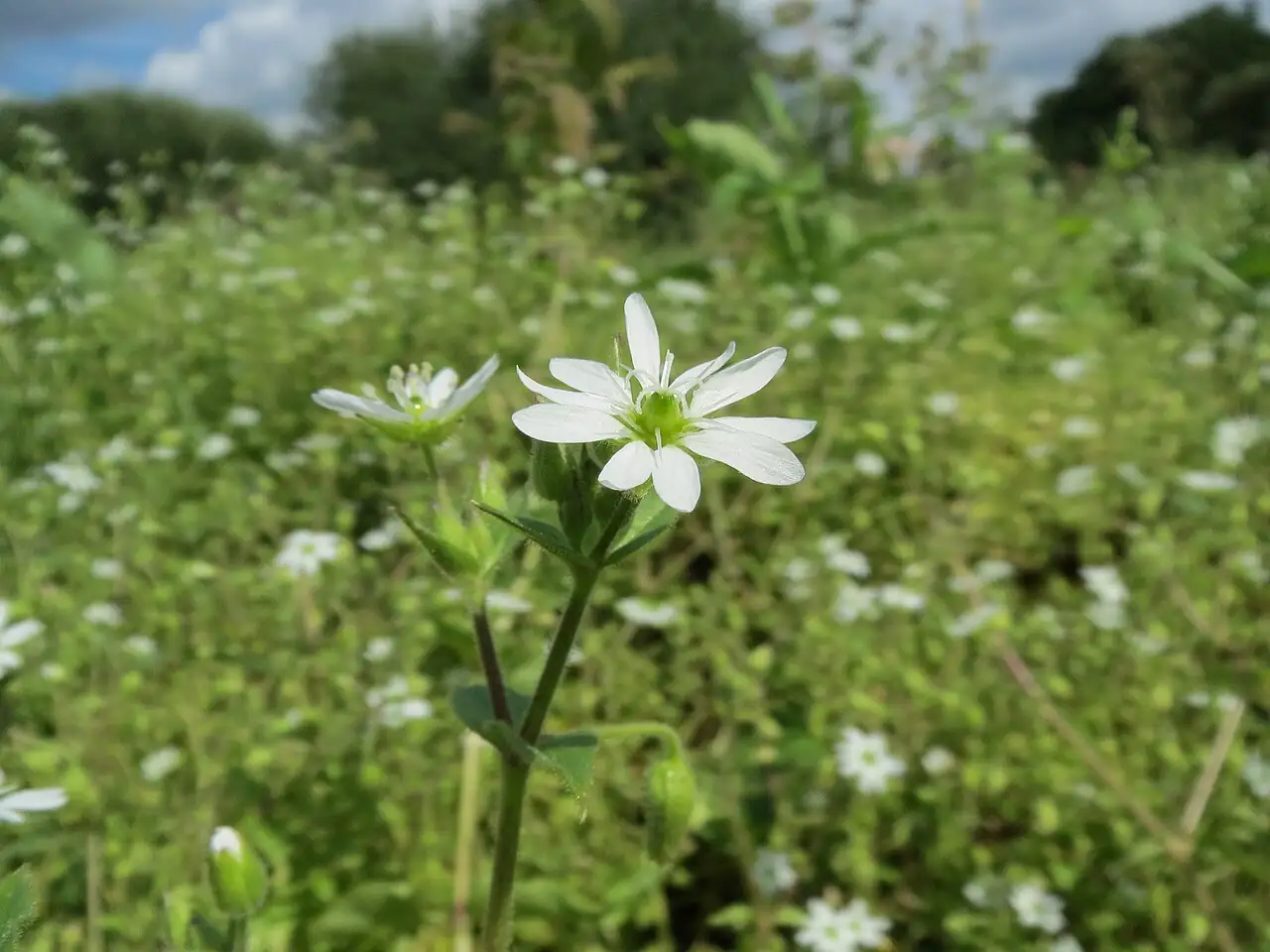
- Flower: Produces small white flowers in branched clusters. Sepals are ovate-lanceolate to oblong-ovate. The white petals are characteristically deeply split, giving a fine, fringed look (narrow, linear to narrowly lance-shaped lobes). After flowering it forms an ovoid capsule containing seeds that are nearly kidney-shaped.
- Flowering Season: May–August
- Growth Habit: Biennial to perennial herb with ascending, much-branched stems; often behaves as a low groundcover in consistently moist soils.
Environment
Sunlight
Partial shade to shade; handles damp, low-light conditions well. Can take more sun if the soil never dries out.
Temperature
Grows best around 15–20°C (59–68°F).
Humidity
Prefers consistently moist to wet conditions; high humidity and damp air are well tolerated.
Soil
Moist to wet but oxygenated soil—especially freely draining alluvial or sandy substrates that stay damp (riverbank sands, ditch margins). Avoid stagnant, airless potting media.
Placement
Outdoors in damp shade: pond/stream edges, rain gardens, ditch margins, and naturalistic woodland or shrub-edge plantings; best where the ground stays evenly moist.
Hardiness
Cold-hardy in temperate regions; often comparable to USDA Zone 4–8 (performance depends on winter severity and soil conditions).
Care Guide
Difficulty
Easy when its one requirement is met—steady moisture. It becomes difficult in hot, dry, exposed sites or in pots that dry quickly.
Buying Guide
Pick plants with crisp, fresh green growth and no wilting (wilting often means the root zone has dried). Skip pots with sour-smelling or stagnant media; it likes moisture, but roots still need air.
Watering
Keep soil evenly moist to wet. Never let the root zone dry out; water more often in heat or wind. In containers, frequent watering (or a shallow tray approach) helps maintain constant moisture—while still ensuring the mix isn’t stagnant.
Fertilization
Usually unnecessary in fertile, moist ground. In containers, feed lightly with a balanced fertilizer at 1/4–1/2 strength every 4–6 weeks during active growth.
Pruning
Pinch or shear back after flowering to keep growth compact and to reduce self-seeding if you don’t want it to spread. Remove yellowing stems/leaves to improve airflow.
Propagation
Mainly by seed from the capsule. Surface-sow and keep consistently moist. Division of established patches/clumps can also work when plants have formed spreading mats.
Repotting
For container growth, repot in spring when crowded. Use a moisture-retentive but airy mix, move up one pot size, and keep evenly moist after repotting.
📅 Seasonal Care Calendar
Spring: fresh growth starts—maintain moisture; divide if desired. Summer (May–August): peak flowering—keep constantly moist. Late summer–autumn: seed capsules mature—deadhead to limit spread or collect seed. Winter: growth slows—don’t let it fully dry out, but avoid stagnant, airless conditions.
Pests, Diseases & Safety
Common Pests & Diseases
Generally trouble-free. Slugs/snails may nibble tender growth in damp areas. In containers kept too stagnant, roots may decline—improve aeration and avoid sour, waterlogged media.
Toxicity
No widely reported toxicity to people or pets. If eating as a wild green, only harvest when identification is certain and from clean, unpolluted sites.
Culture & Symbolism
Symbolism: Often linked with resilience and quiet usefulness—thriving where many plants sulk (cool, damp shade) and offering practical value as a living groundcover.
History & Legends: More of a familiar “everyday” wild plant than a famous folklore species; it’s locally appreciated where people gather it as a seasonal wild vegetable.
Uses: Naturalistic groundcover for wet, shady spots (streamsides, rain gardens, damp woodland edges). Young growth is sometimes eaten as a wild vegetable, and the plant may be used as fodder in some regions.
FAQ
Can water chickweed grow in full sun?
Yes, as long as the soil stays consistently moist. In warmer climates it usually looks best in partial shade to shade, where it stays cooler and more hydrated.
Is it suitable for pots indoors?
Not ideal as a typical houseplant because it wants constant moisture plus good airflow. It’s happiest outdoors in damp shade, or in a cool, bright spot where the soil can be kept evenly moist.
Fun Facts
- It blooms from May to August and then forms small capsules that release nearly kidney-shaped seeds.
- A classic habitat is damp alluvial sand along rivers and ditches—wet, but not permanently stagnant.
- In some places, people gather the tender young shoots as a seasonal wild green.