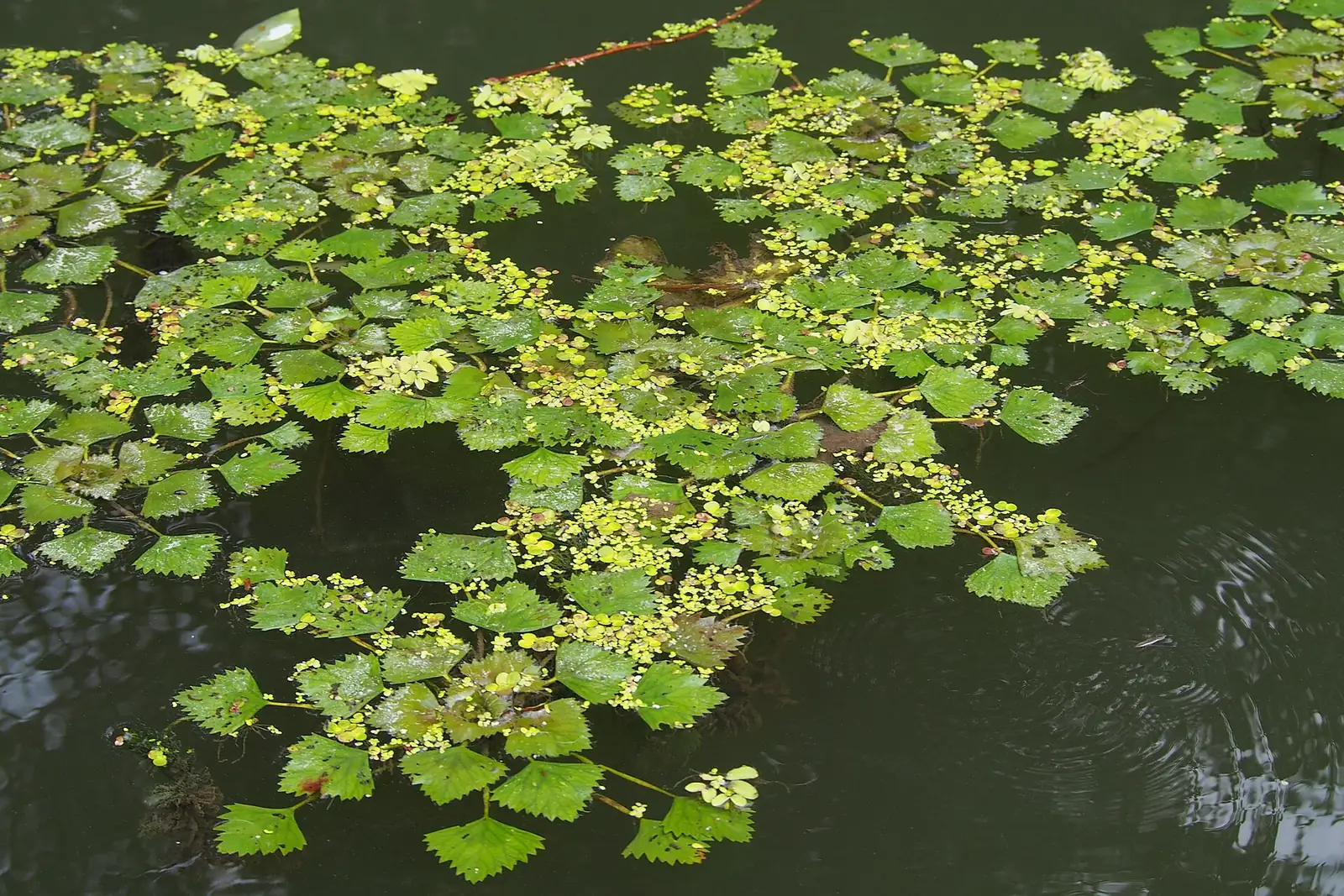
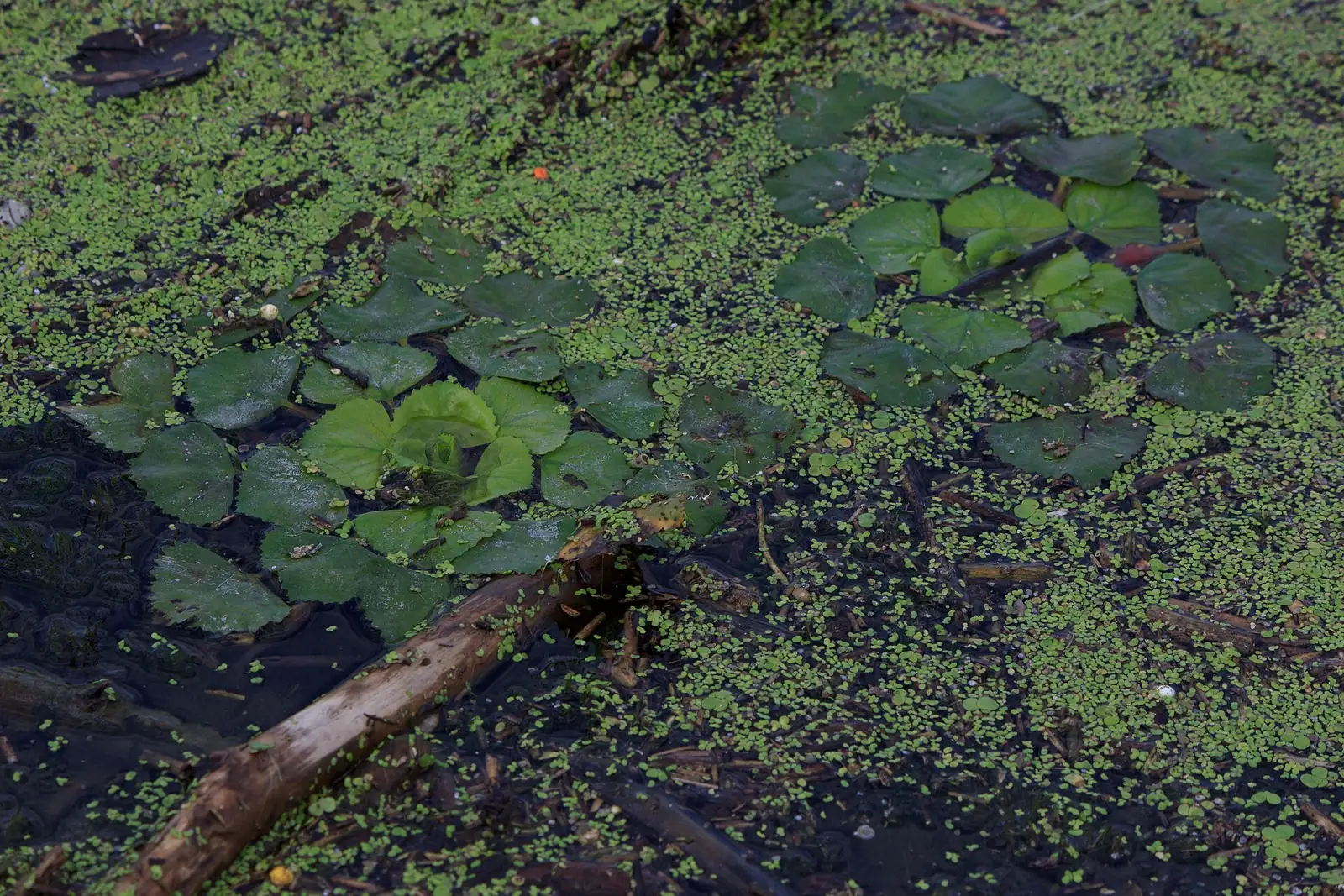
Plant Features
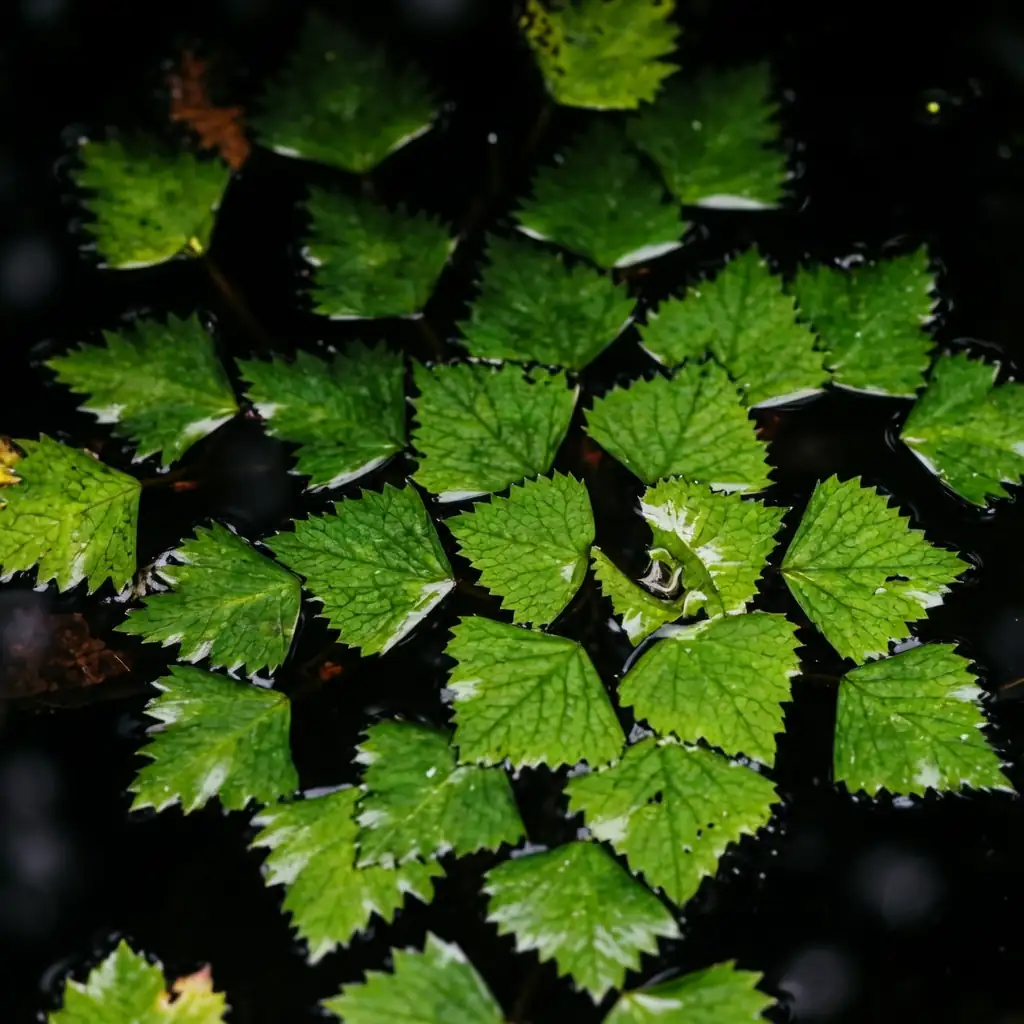
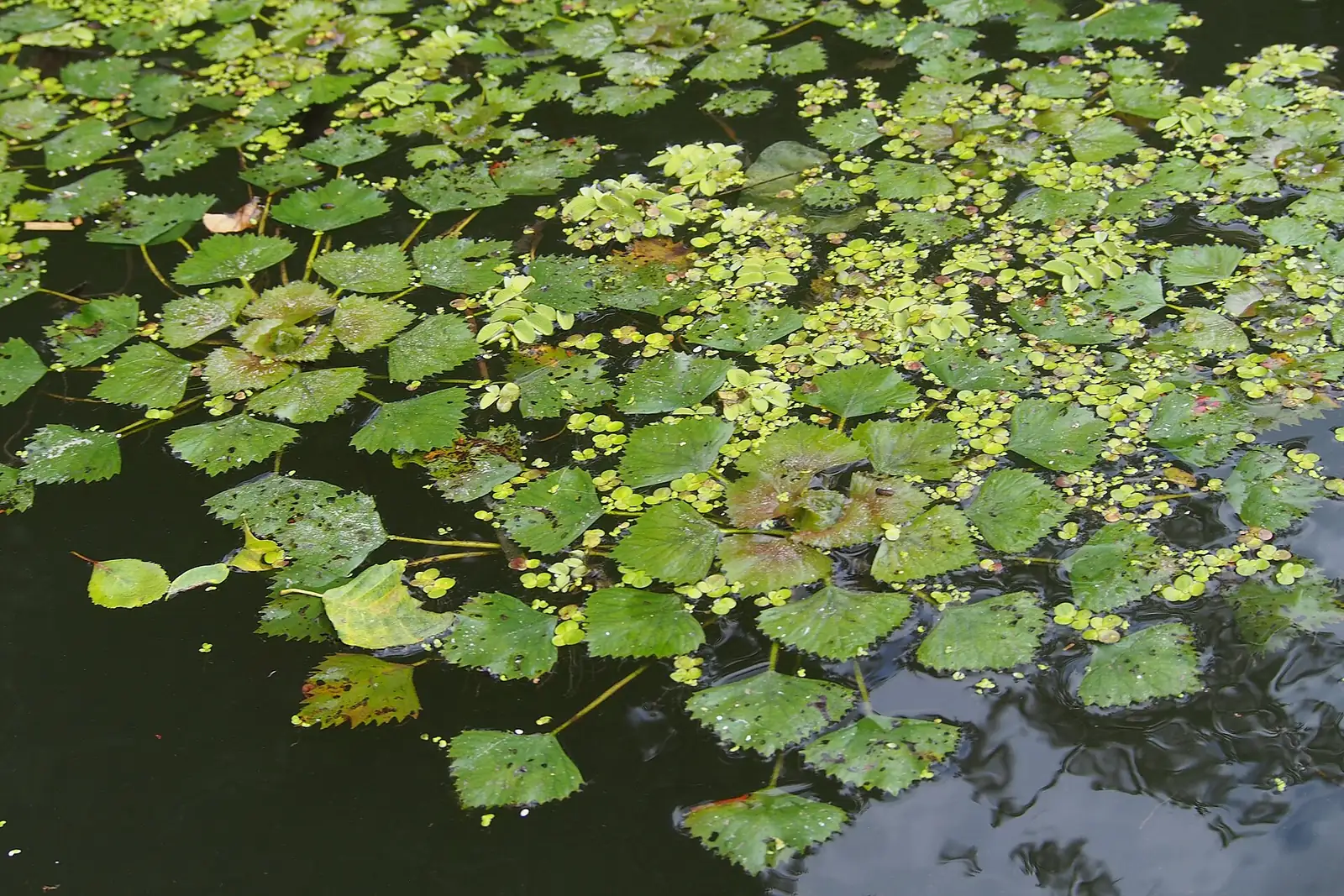
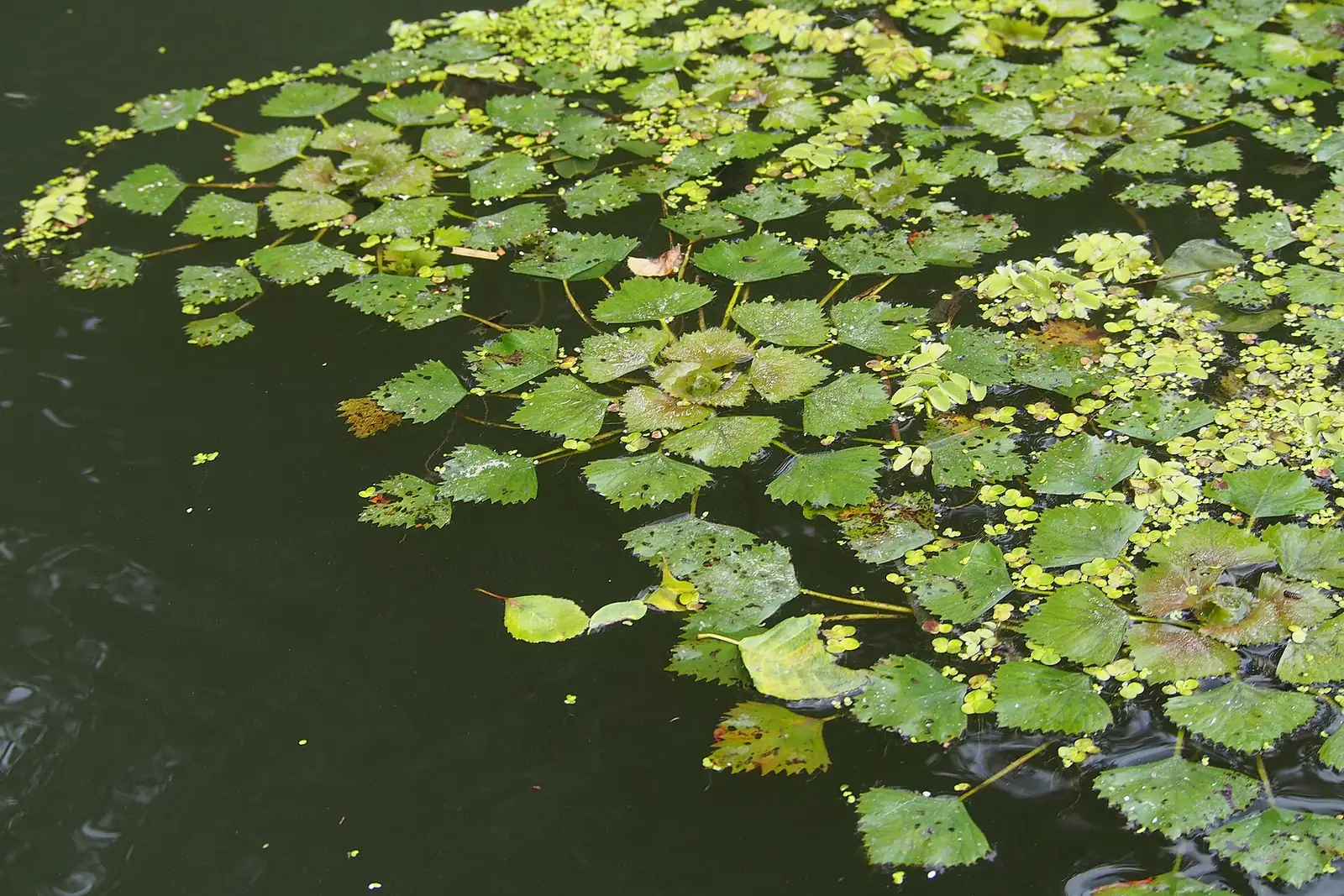
- Size: Floating rosettes typically spread about 20–60 cm (8–24 in) across in calm water; overall extent depends strongly on water depth and nutrient levels.
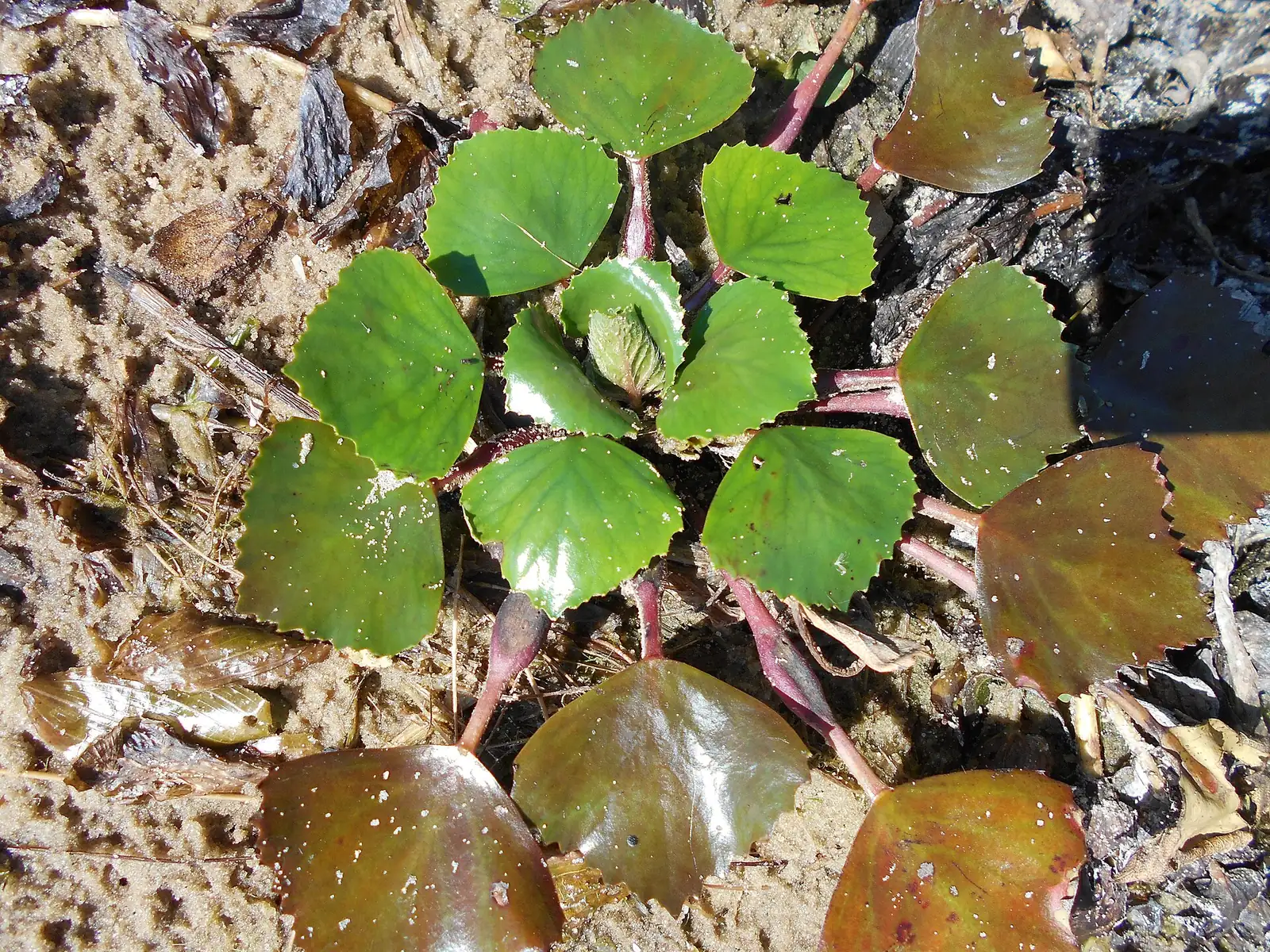
- Foliage: Produces a distinctive mix of structures: thin anchoring roots that fix into bottom mud, plus finely divided, feather-like submerged root/leaf-like structures. Floating leaves are alternate but densely crowded at the shoot tips, forming a surface rosette; leaf blades are small and rhombic to triangular-rhombic, usually green to brownish-green.
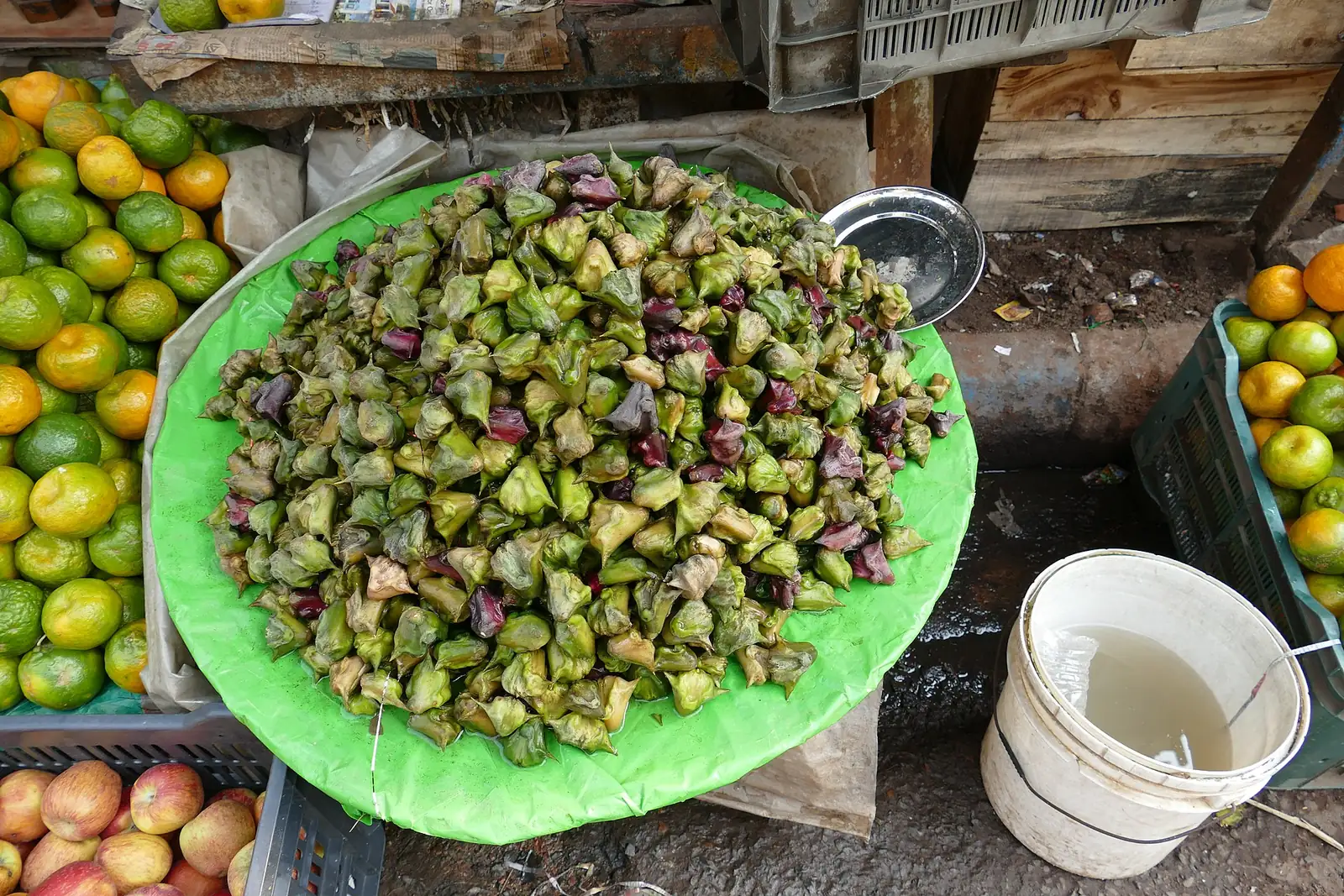
- Flower: Small, solitary flowers borne in the leaf axils on the floating rosette. After flowering, it forms a triangular fruit with four long, slender, horn-like spines (sharp to handle).
- Flowering Season: May–October
- Growth Habit: Annual, floating-leaved aquatic herb forming surface rosettes in still or slow-moving freshwater.
Environment
Sunlight
Full sun; best growth with at least 6–8 hours of direct light daily.
Temperature
Cold-tolerant for an aquatic plant; most active growth is in warm weather around 18–30°C (64–86°F).
Humidity
Aquatic; thrives in permanently wet, saturated conditions. Can tolerate short drawdowns once rooted in mud, but it is not a drought-tolerant plant.
Soil
Prefers deep, fertile, loose silt or loam at the bottom; nutrient-rich mud supports stronger growth, flowering, and fruiting.
Placement
Outdoor ponds, still canals, or field ditches—choose calm water in full sun and avoid strong currents.
Hardiness
Temperate hardy in suitable water conditions; outdoor cultivation is often most reliable in USDA Zones 7–11 (approx.), influenced by winter ice severity and water depth.
Care Guide
Difficulty
Moderate: very straightforward in a sunny pond with fertile mud, but it can spread quickly and may be regulated or prohibited in some areas—always check local rules before introducing it to open waterways.
Buying Guide
Pick vigorous plants with firm, clean floating leaves and a healthy, odor-free crown. Avoid rosettes heavily smothered by algae or showing obvious insect damage. If you plan to grow it outdoors, confirm it’s legal and appropriate for your region.
Watering
No watering needed when grown in a pond. For container growing, keep a consistent water layer above the soil line of about 10–30 cm (4–12 in), and avoid strong water movement that can disrupt the rosettes.
Fertilization
If your pond is nutrient-poor, enrich the planting mud in spring using well-rotted compost or aquatic fertilizer tablets. Don’t overdo it—too much fertility can push leafy overgrowth and encourage algae.
Pruning
Thin overcrowded mats by removing excess rosettes and any yellowing leaves to improve light and surface airflow. To reduce self-seeding and future spread, collect fallen/mature fruits before they settle into the mud.
Propagation
Mostly by seed (the spiny fruits). Let fruits mature and sink, then collect and sow in mud under shallow water in warm conditions. It can also spread naturally when rosettes drift into connected waterways.
Repotting
For containers, refresh the bottom mud each spring. Use a wide aquatic basket/tub; top the mud with a thin gravel layer to reduce cloudiness, and keep the pot submerged under 10–30 cm (4–12 in) of water.
📅 Seasonal Care Calendar
Flowering: May–October. Fruiting: July–November. Mid-summer: thin if the surface becomes fully covered. Late summer to autumn: collect mature fruits if you want seed—or remove them to limit spread.
Pests, Diseases & Safety
Common Pests & Diseases
Can attract aphids on floating leaves. Overcrowded, stagnant conditions may encourage leaf-spot fungi or general rot if water quality declines. Thin dense growth, remove affected material, and keep water conditions as clean and stable as possible.
Toxicity
Not known to be toxic; fruits are edible when properly prepared. The main hazard is mechanical—fruits have sharp spines that can puncture skin.
Culture & Symbolism
Uses: Grown and gathered for its small, starch-rich fruits, which are eaten cooked/processed in parts of its native range. Also appreciated as a distinctive floating pond plant (though it must be managed responsibly to prevent overgrowth).
FAQ
When does it flower?
Typically from May to October.
When do the fruits mature?
Usually from July to November.
Where does it grow naturally?
From northeastern China to the Yangtze River basin, commonly in ponds and irrigation/field ditches.
What conditions does it tolerate?
It prefers full sun and is relatively cold-tolerant for an aquatic plant. It thrives in constantly wet conditions and performs best with deep, fertile, loose bottom mud.
Fun Facts
- Its fruit looks like a tiny medieval caltrop—triangular, tough, and armed with four long spines.
- In calm water it can form broad, plate-like floating rosettes that may cover the surface if left unchecked.
- It develops two functional root types: anchoring roots in the mud and finely divided, feather-like submerged structures.
- The fruits are starchy and have long been used as a food source—just handle them carefully.