Plant Features
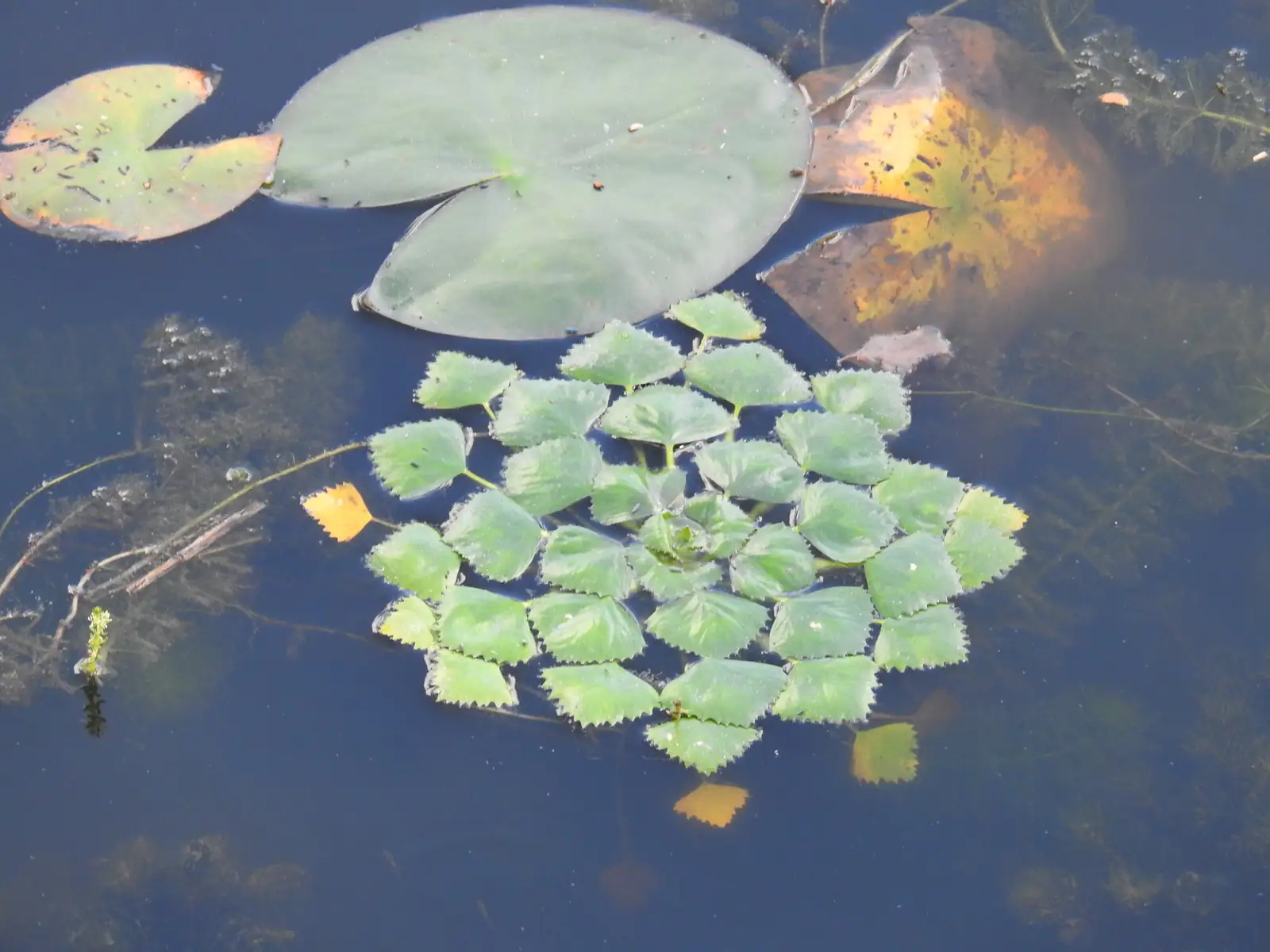
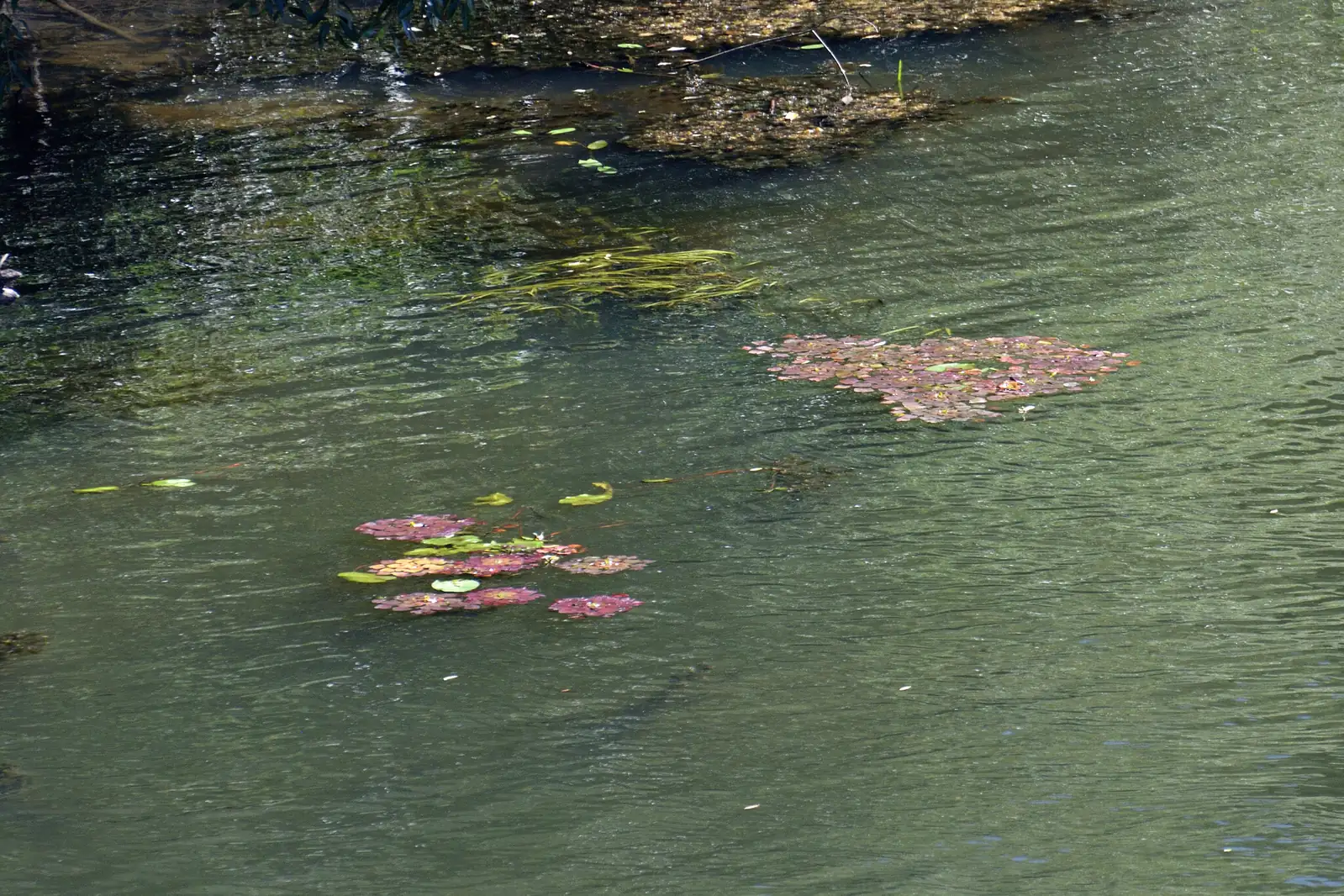
- Size: Floating rosettes typically spread about 30–100 cm (12–39 in) across in suitable conditions; flowering stems rise just above the water surface.
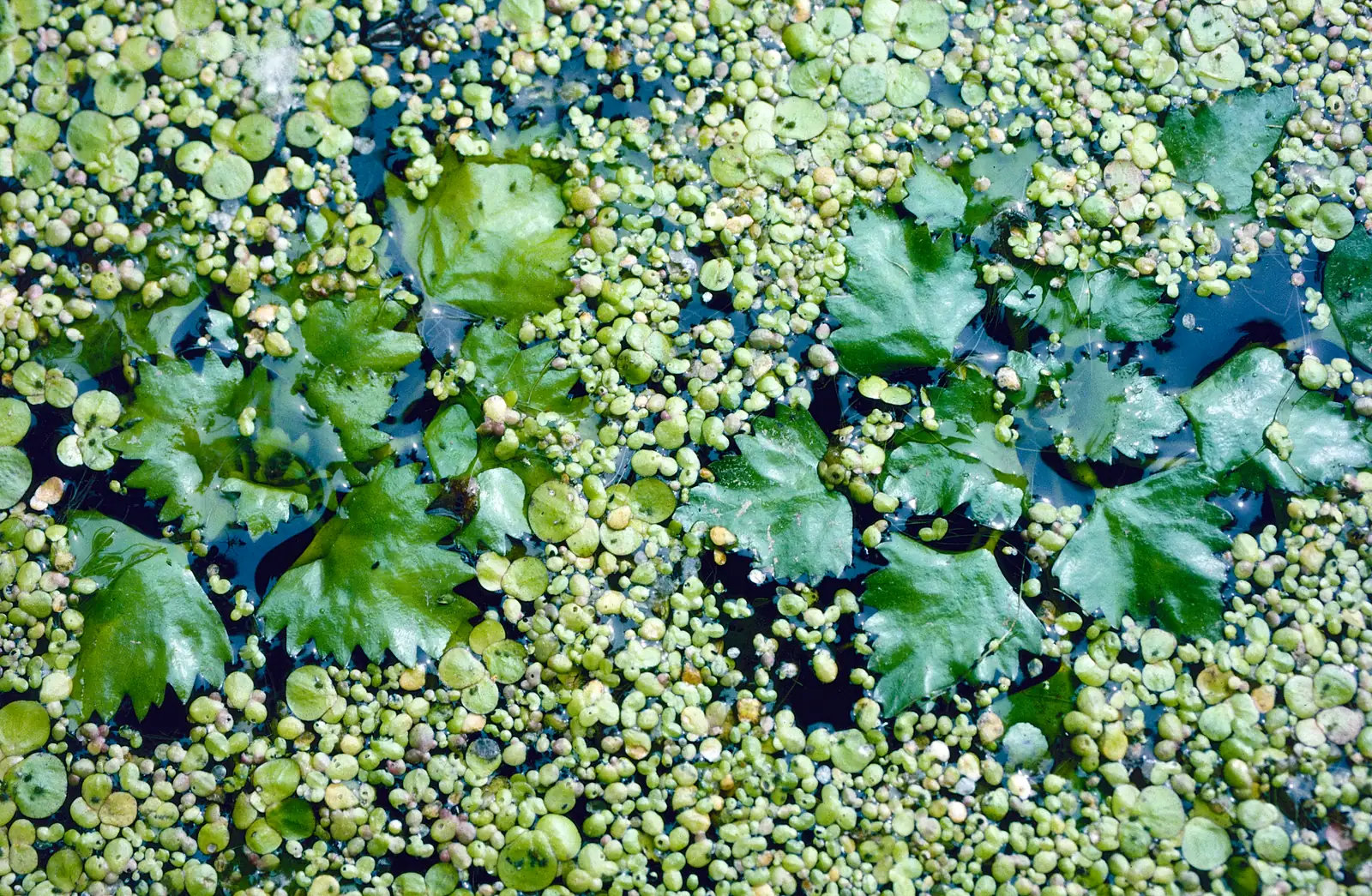
- Foliage: Leaves are alternate but densely clustered at stem tips into surface rosettes. Leaf blades are diamond-shaped to triangular-rhombic with a glossy deep green upper surface and a paler green to gray-brown underside. Submerged leaves are smaller and often drop early as the surface rosettes take over.
- Flower: Small, solitary, bisexual flowers appear in the leaf axils. A notable feature is the conspicuously crested, cockscomb-like floral disc.
- Flowering Season: May–October
- Growth Habit: Floating aquatic plant of sheltered bays, ponds, and slow river inlets; forms surface leaf rosettes while rooting into soft bottom mud. It thrives in warm conditions and full sun, and is sensitive to frost.
Environment
Sunlight
Full sun is best—aim for at least 6–8 hours/day for strong growth and good fruiting.
Temperature
Warm-growing; best around 20–30°C (68–86°F). Not frost tolerant—protect from temperatures below 0°C (32°F).
Humidity
High humidity is naturally provided by its aquatic habitat; it performs best with consistently warm air and water.
Soil
Aquatic culture: grow in still to slow-moving freshwater, rooted into nutrient-rich silt/mud. Avoid fast currents and very poor, sandy bottoms.
Placement
Sunny outdoor ponds, calm lake edges/coves, or large water tubs/containers during warm months.
Hardiness
Frost tender; typically treated as a warm-season annual outside the tropics. Roughly comparable to USDA Zone 10–11 for overwintering without protection.
Care Guide
Difficulty
Moderate: straightforward in warm, sunny, still water with space and rich mud, but it dislikes cold and won’t perform well if crowded or nutrient-starved.
Buying Guide
Pick firm, healthy fruits/seeds or vigorous young plants with clean, glossy leaves and no rot. Avoid yellowing rosettes, foul smells, or damaged crowns.
Watering
No standard watering—keep it continuously in freshwater. Maintain stable water levels so the mud never dries out. Refresh/replace water if it becomes foul or overly stagnant.
Fertilization
Often unnecessary in natural ponds with rich silt. In containers, start with nutrient-rich pond mud and use aquatic-plant fertilizer sparingly during active growth; avoid overfeeding to reduce algae blooms.
Pruning
Remove yellowing or decaying leaves to keep water cleaner. Thin overcrowded rosettes so light reaches the plants and to lower disease pressure.
Propagation
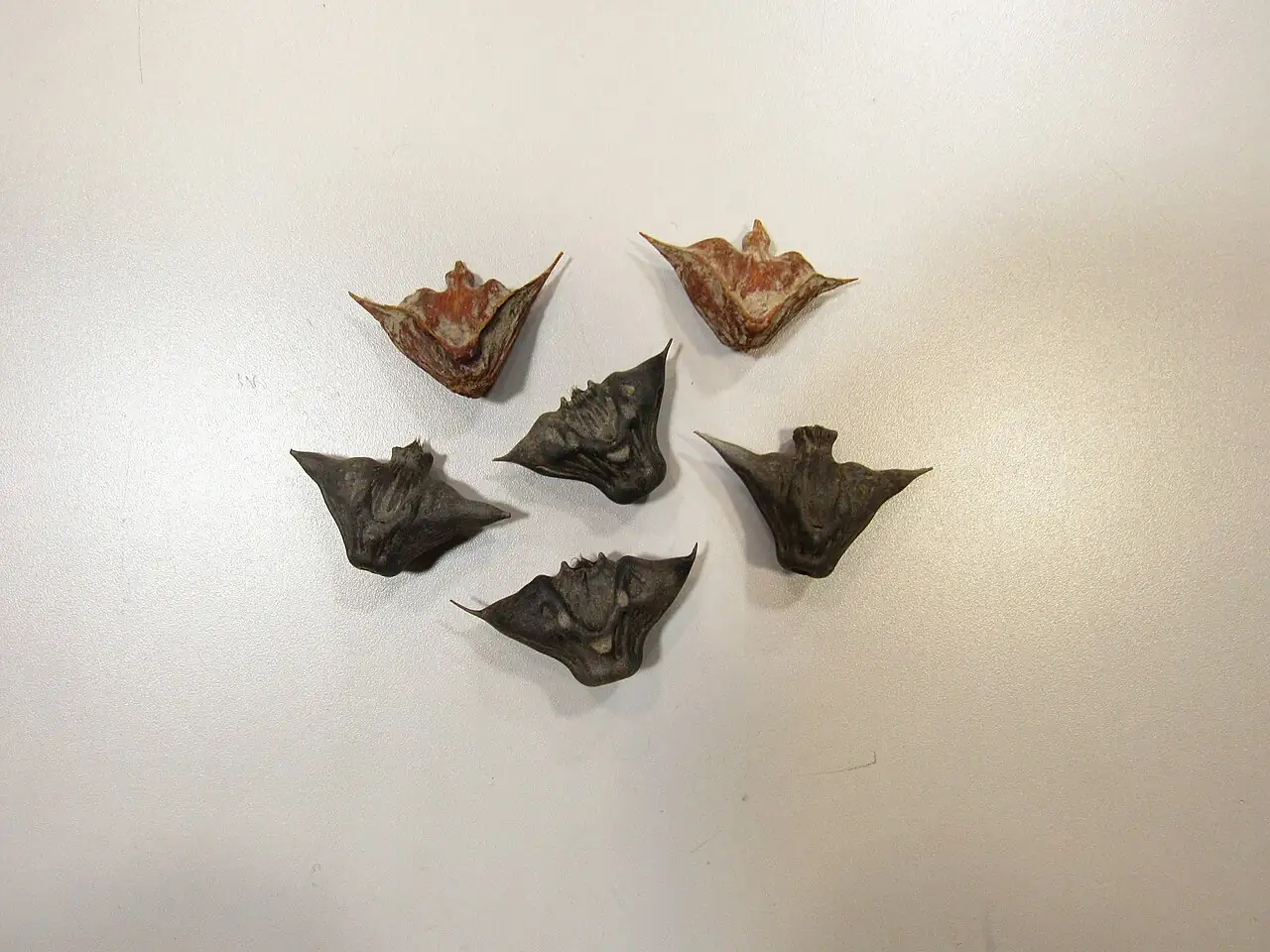
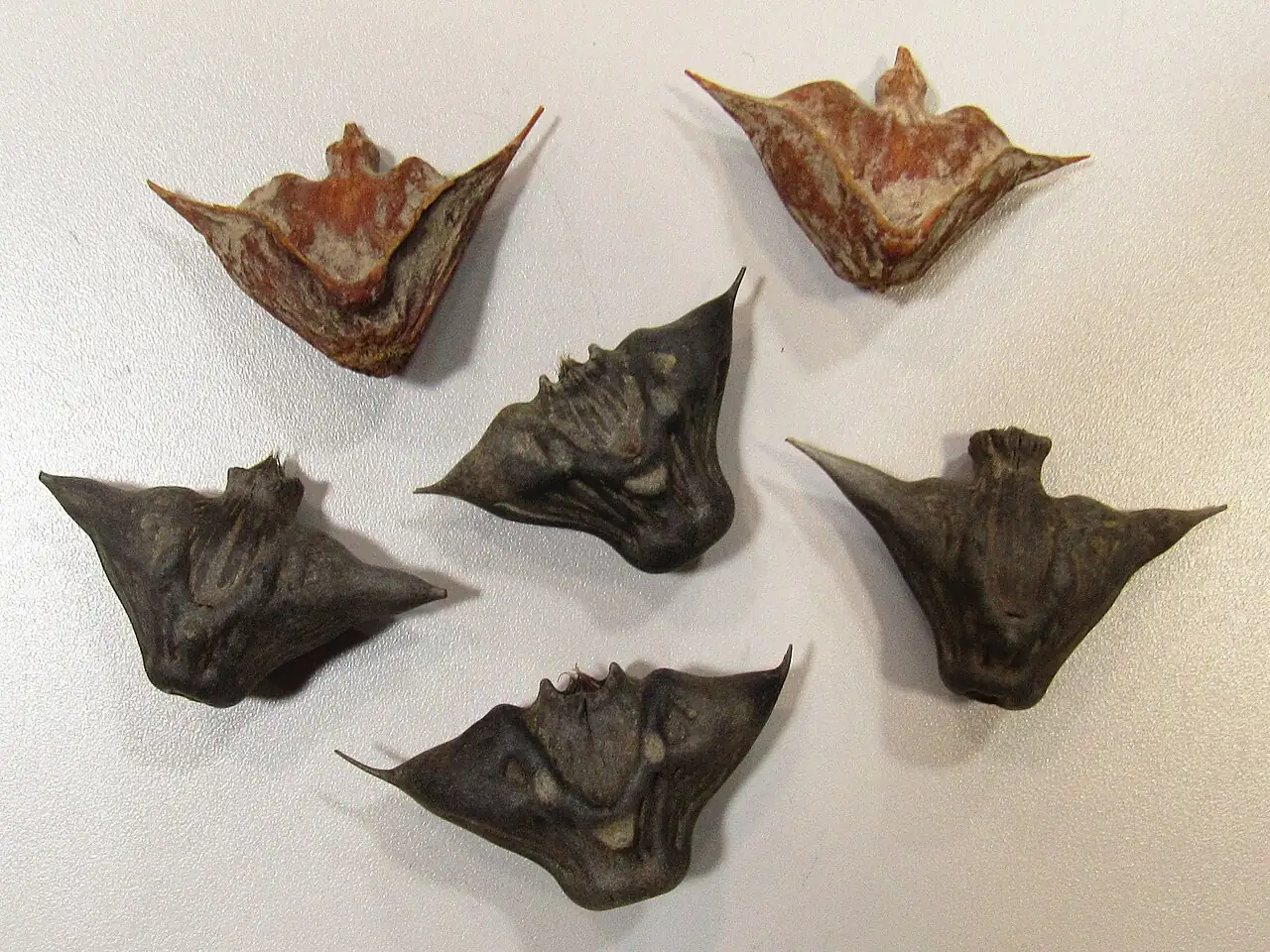
Usually grown from fruits (seeds). The hard, triangular fruit typically contains a single white seed; anchor fruits into warm, nutrient-rich mud under shallow water once temperatures stay above about 15°C (59°F).
Repotting
In tubs/containers, refresh the mud and re-space plants at the start of the warm season. Use wide, shallow containers with heavy pond soil so the medium doesn’t float.
📅 Seasonal Care Calendar
Spring: start fruits/seeds when water warms above 15°C (59°F). Summer: keep in full sun, maintain stable water depth, and thin if crowded. Late summer–autumn: harvest fruits as they mature. Before frost: remove plants and save fruits for replanting next season in cold-winter regions.
Pests, Diseases & Safety
Common Pests & Diseases
May get aphids on emergent parts; leaf-spot can show up when water quality is poor; rot can occur in stagnant, dirty conditions. Improve water quality/circulation, remove decaying foliage promptly, and use pond-safe controls if needed.
Toxicity
Generally considered non-toxic. The seed is widely eaten when properly cooked/processed. The hard fruit shell can be sharp—handle carefully, especially around children.
Culture & Symbolism
Uses: Grown mainly for its edible seeds (often cooked or processed). Also used in traditional herbal contexts in parts of Asia, and appreciated as an ornamental edible for sunny water gardens.
FAQ
Is water caltrop the same as water chestnut (Eleocharis dulcis)?
No. Water caltrop (Trapa bispinosa) is a floating plant that produces hard, horned fruits, while true water chestnut (Eleocharis dulcis) is a sedge grown for crisp underground corms.
Can it survive winter outdoors?
Only where water doesn’t freeze. It isn’t frost tolerant, so in colder climates it’s grown as a warm-season annual and restarted from saved fruits/seeds.
Fun Facts
- The fruit is hard-shelled and often horned, typically containing a single white seed inside.
- Its “main show” is the floating surface rosette—submerged leaves are smaller and often drop early.
- The flowers are small but have a distinctive crested (cockscomb-like) floral disc.
- It has been widely cultivated in eastern China, especially around the Taihu Lake basin.