
Plant Features
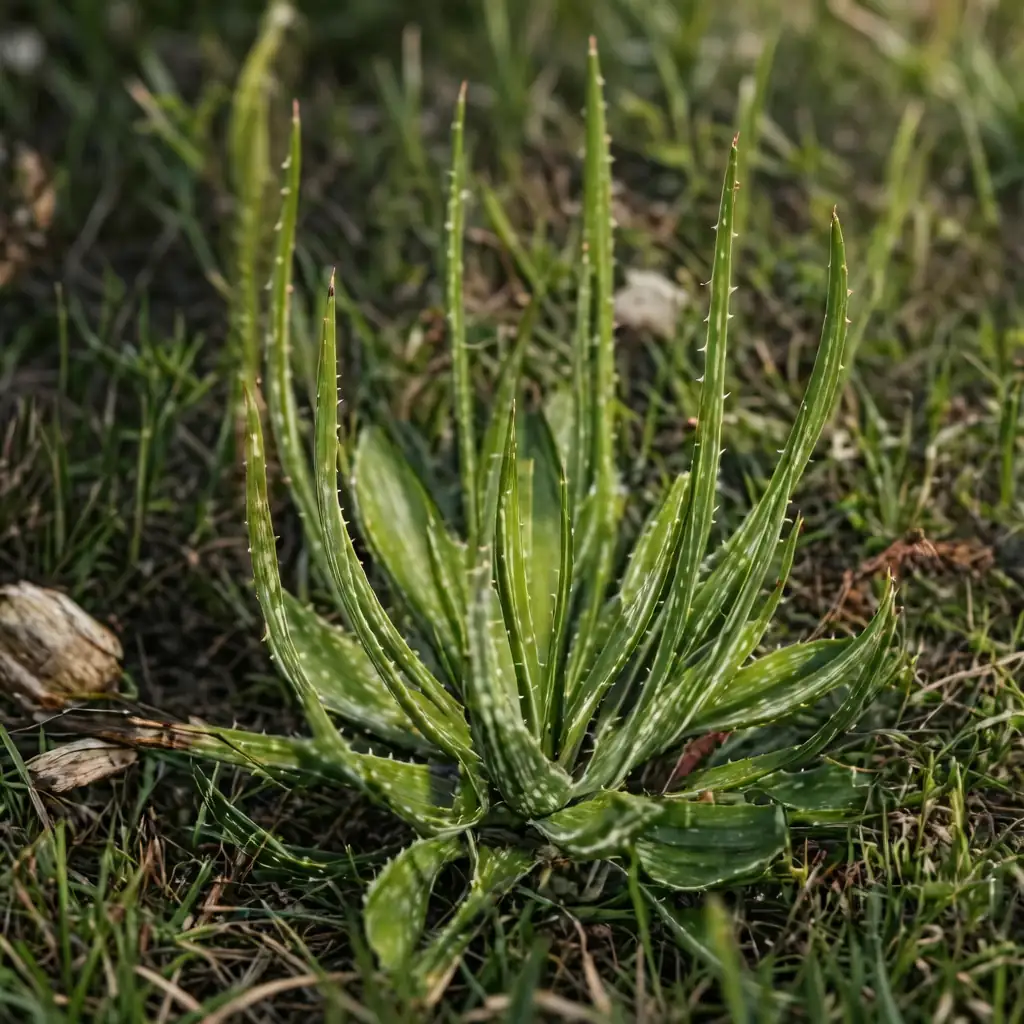
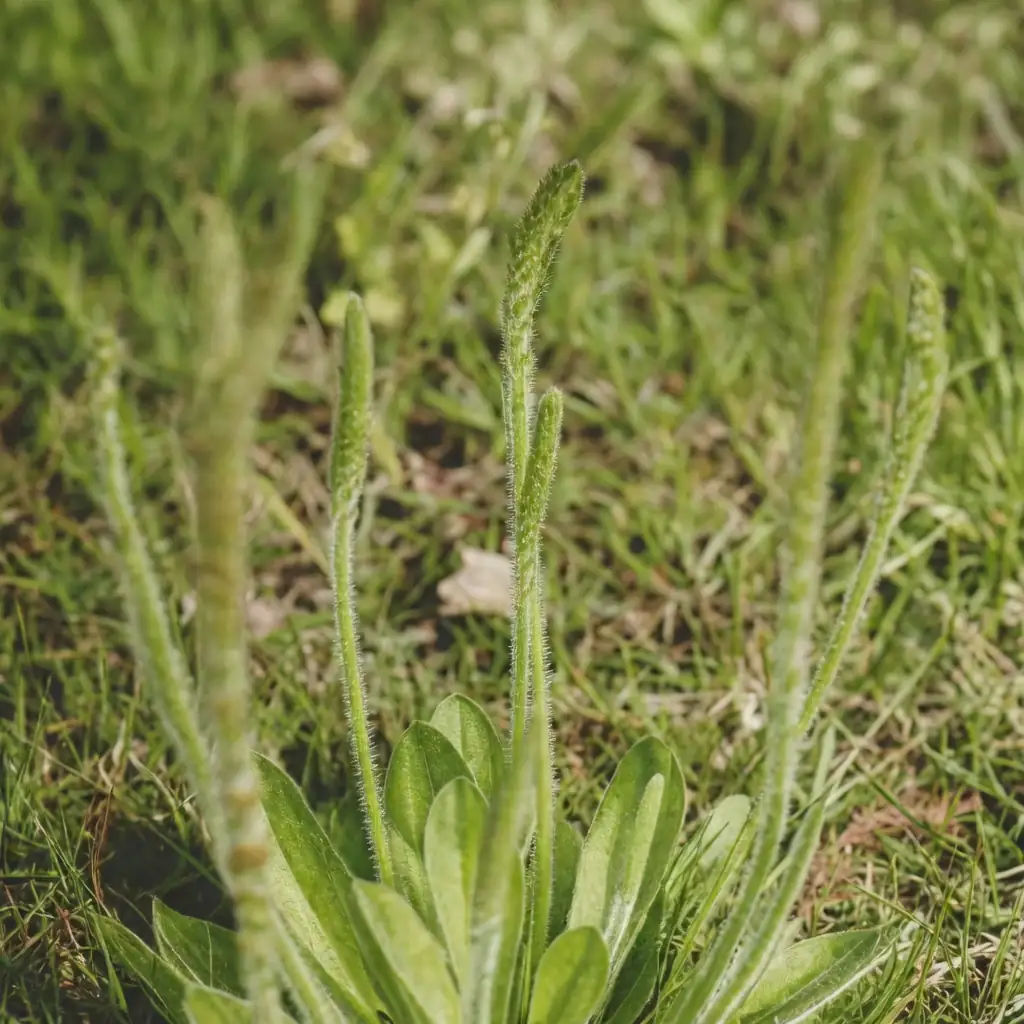
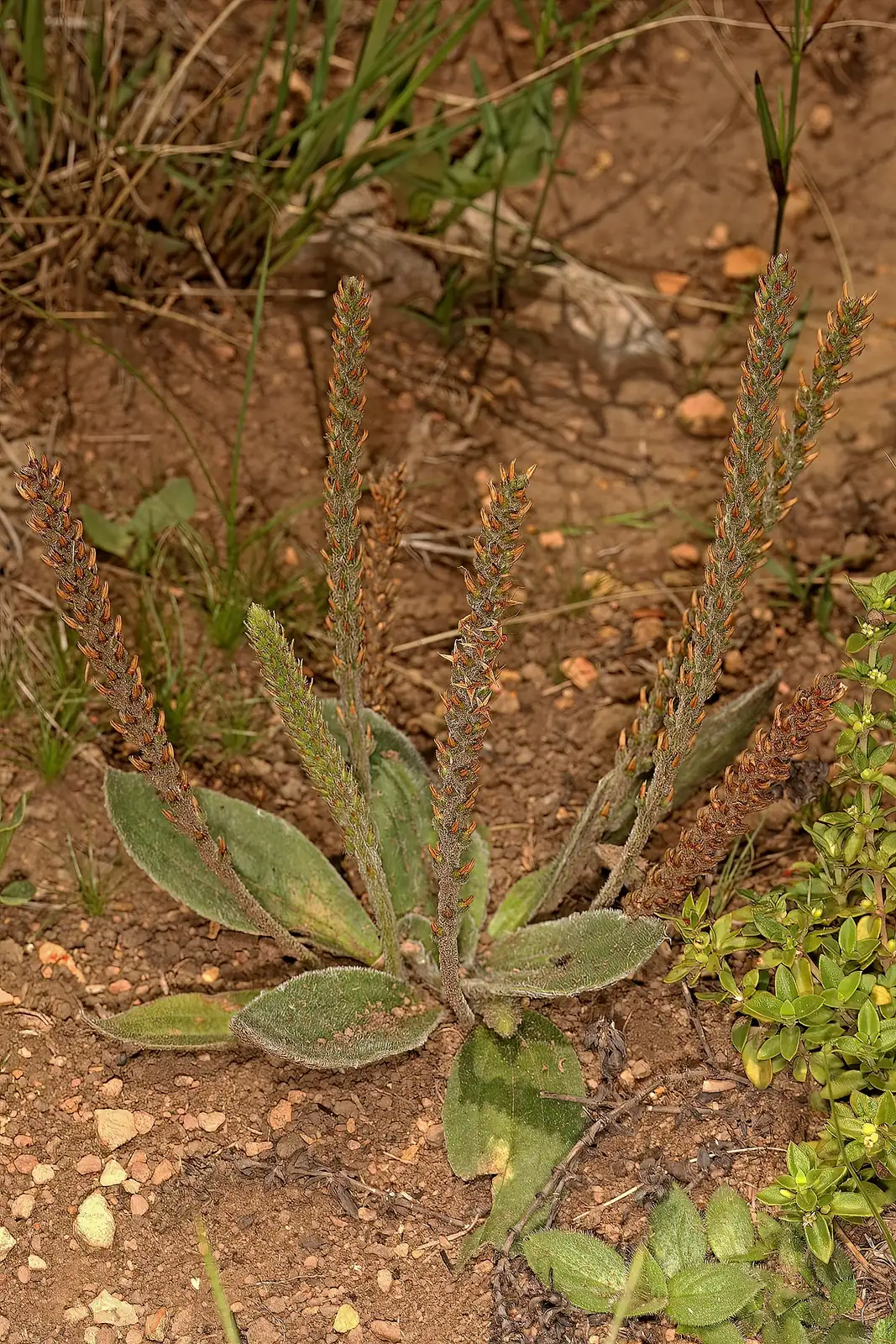
- Size: Typically 5–30 cm (2–12 in) tall. Forms a low basal rosette, with slender upright (sometimes arching) flower stalks rising above the leaves.
- Foliage: Leaves sit at the base in a flat to slightly upright rosette. Blades are narrow spoon-shaped to inversely lance-shaped, often with a slightly hairy (hoary) texture depending on growing conditions. It has a slender taproot with fine lateral roots and a short crown.
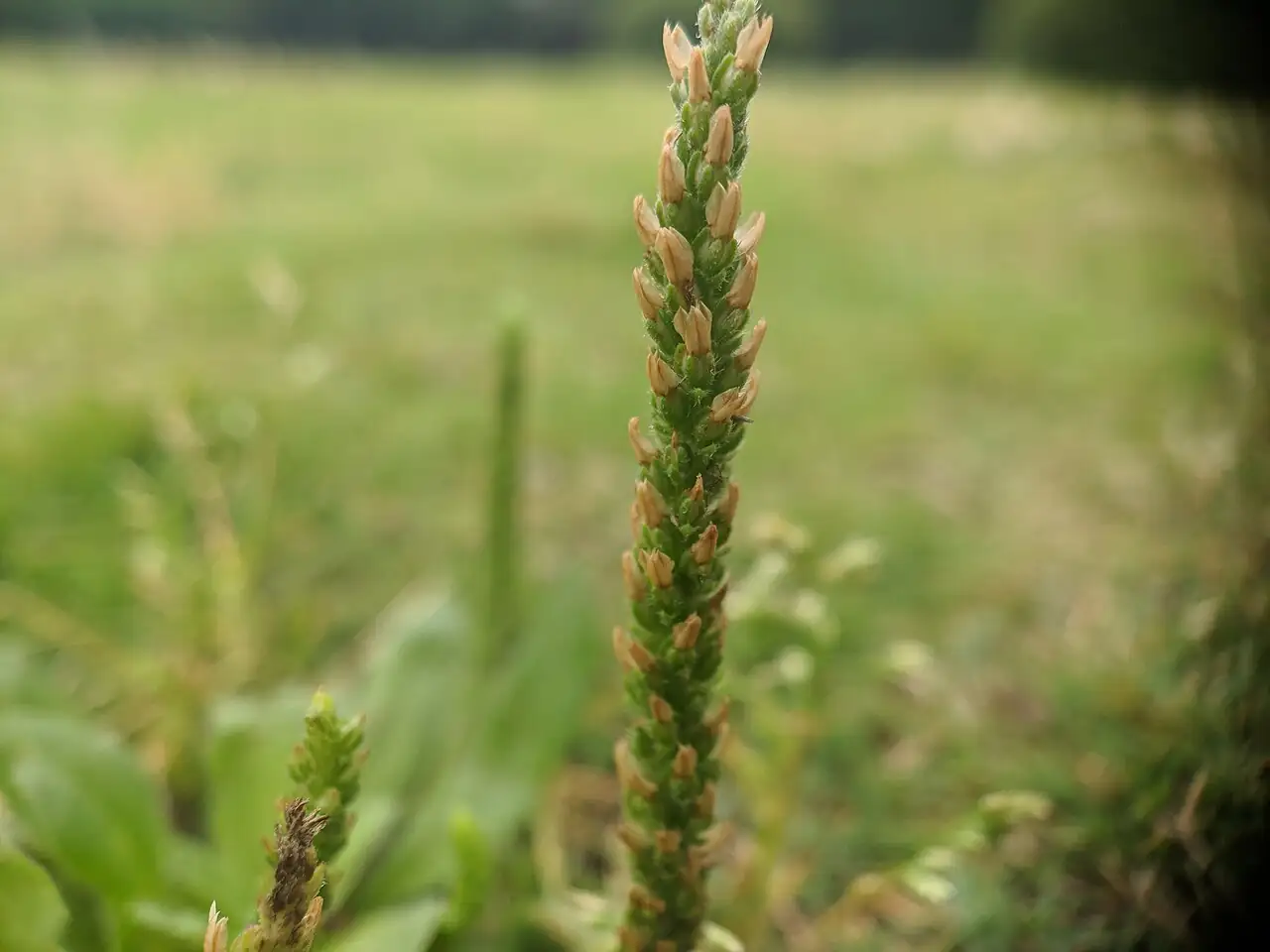
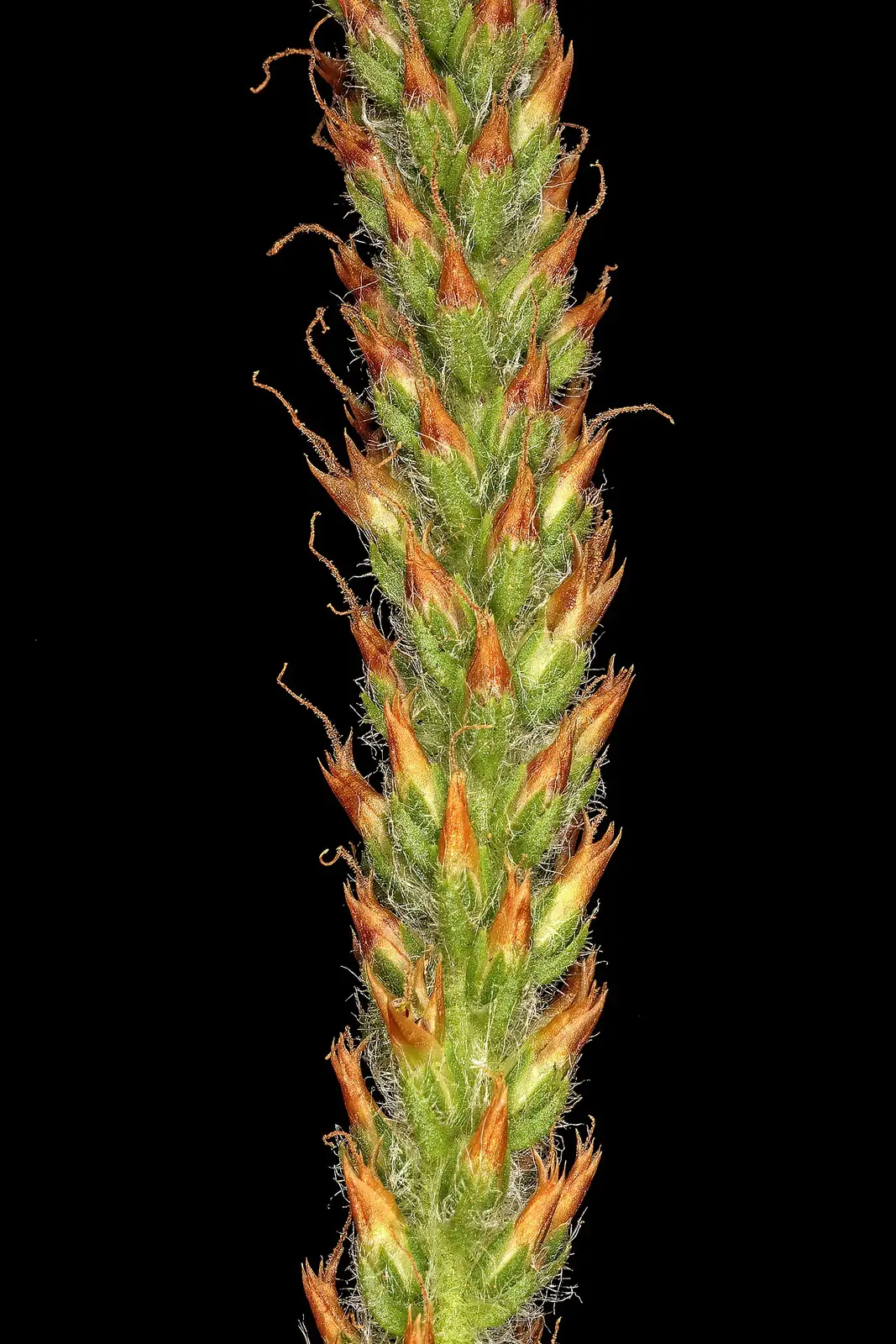
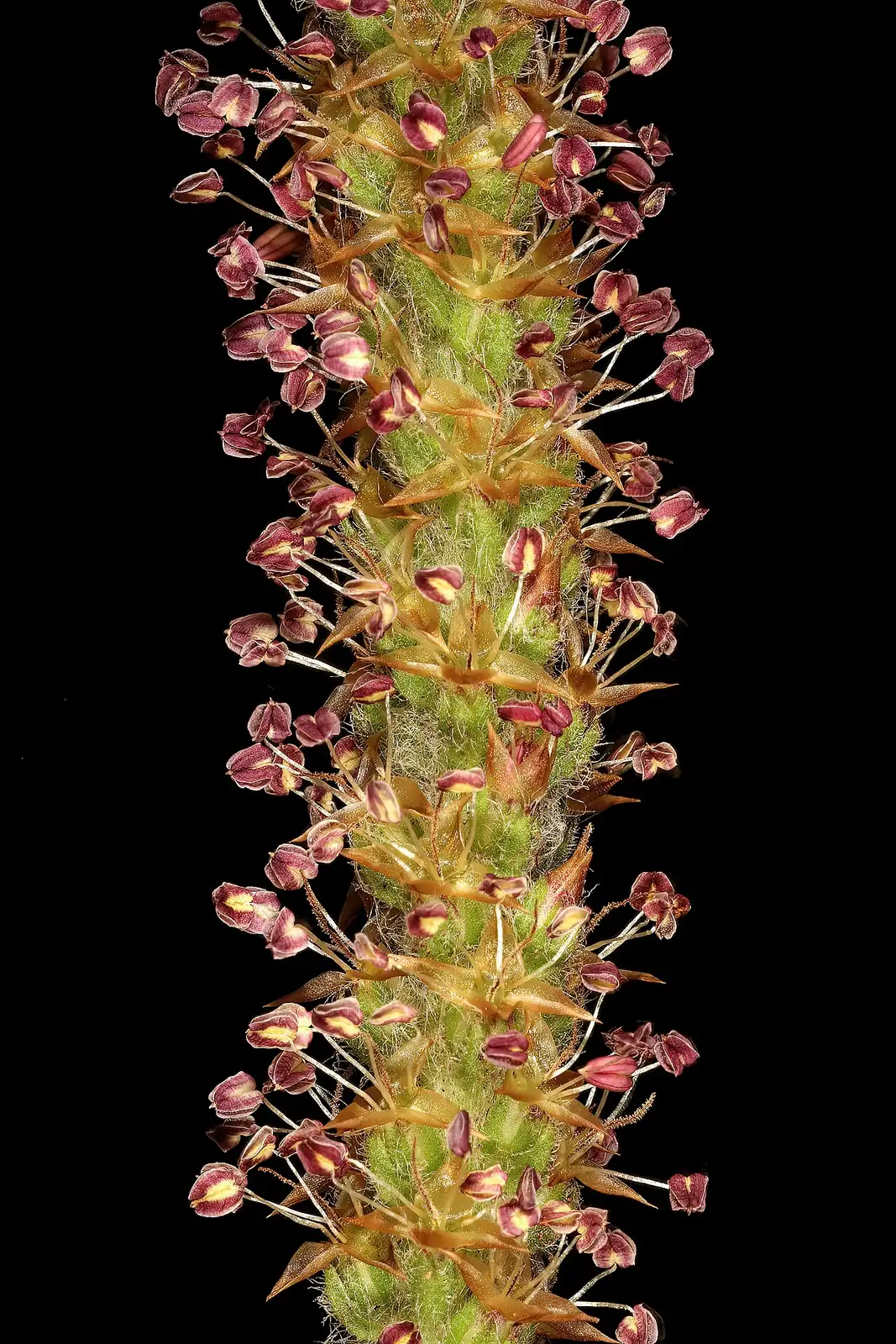
- Flower: Produces one to several thin spikes carried on erect to arching stalks. Flowers are very small and greenish-white, densely packed along each spike, and are followed by small ovoid to nearly spherical seed capsules.
- Flowering Season: April–May (spring); fruiting typically May–June
- Growth Habit: Annual to biennial herb with a ground-hugging rosette; flowering stems rise above the foliage. Notably adaptable, tolerating mowing, light foot traffic, cool weather, and dry spells once established.
Environment
Sunlight
Full sun to light shade; best flowering and tighter, sturdier growth in full sun.
Temperature
Grows most actively around 20–24°C (68–75°F); growth often slows when temperatures rise above about 32°C (90°F).
Humidity
Adaptable; performs well in warm, moderately humid conditions but tolerates average outdoor humidity once established.
Soil
Not fussy. Prefers well-drained sandy or loamy soil, but tolerates poorer or compacted ground typical of lawns and paths.
Placement
Common in lawns, meadows, roadsides, and lakeshores. In gardens, it suits sunny naturalized patches or hardy lawn areas—best where a self-seeding rosette plant is acceptable.
Hardiness
Cold-hardy; approximately USDA Zone 4–9 depending on local conditions. Generally frost tolerant as a cool-season annual/biennial.
Care Guide
Difficulty
Easy. Very adaptable, drought tolerant once established, and comfortable in cool weather; soil demands are minimal.
Buying Guide
When buying seed or starts, confirm the scientific name (Plantago virginica) because many Plantago species look similar. Choose vigorous rosettes with fresh green leaves. If you don’t want it spreading, avoid plants already setting lots of seed.
Watering
Water regularly during establishment. For germination, keep soil lightly moist. Once rooted, water only during prolonged dry periods, letting the top 2–3 cm (about 1 in) of soil dry between waterings.
Fertilization
Usually unnecessary. In very poor soil, use a light spring feeding with a balanced fertilizer at 1/4–1/2 strength.
Pruning
No routine pruning needed. To reduce self-seeding, remove (deadhead) flower spikes before seed set by cutting stalks at the base.
Propagation
Primarily by seed. Surface-sow or cover very lightly; keep evenly moist until germination. It may self-seed readily in open ground.
Repotting
Not typically grown in pots. If container-grown, repot when roots fill the pot into a fresh, well-drained mix; use a container at least 12–15 cm (5–6 in) deep to accommodate the taproot.
📅 Seasonal Care Calendar
Spring: main growth and flowering; water lightly during dry spells. Late spring to early summer: seed capsules mature—remove spikes if you want to prevent spread. Summer: growth may slow in heat above ~32°C (90°F).
Pests, Diseases & Safety
Common Pests & Diseases
Usually trouble-free. Aphids may appear on flower stalks. Leaf spots can show up in persistently wet conditions, and root/crown rot is possible in poorly drained soil. Improve drainage and airflow if issues develop.
Toxicity
Not known to be toxic to people or pets. Young leaves/seedlings have been eaten as wild greens in some contexts; avoid harvesting from roadsides or contaminated/pesticide-treated areas.
Culture & Symbolism
Uses: Commonly encountered as a hardy lawn or groundcover-type plant (often considered a weed in turf). Young seedlings may be eaten as a wild vegetable in some regions, provided they are collected from clean areas.
FAQ
Is Virginia plantain a lawn plant or a weed?
Both, depending on your viewpoint. It’s tough and stays low, so it can “behave” like a lawn plant, but it’s often labeled a weed because it self-seeds and spreads in disturbed turf.
Why does it slow down in summer?
It prefers mild conditions. When temperatures climb above about 32°C (90°F), it commonly slows growth and focuses on finishing flowering and setting seed.
Fun Facts
- Native to eastern North America, it has become naturalized in other regions, including parts of China.
- Its flat rosette helps it survive mowing and foot traffic in lawns.
- Those thin “spikes” are actually made up of many tiny, tightly packed flowers.
- If you plan to taste it as a wild green, only harvest young plants from clean, pesticide-free places.