

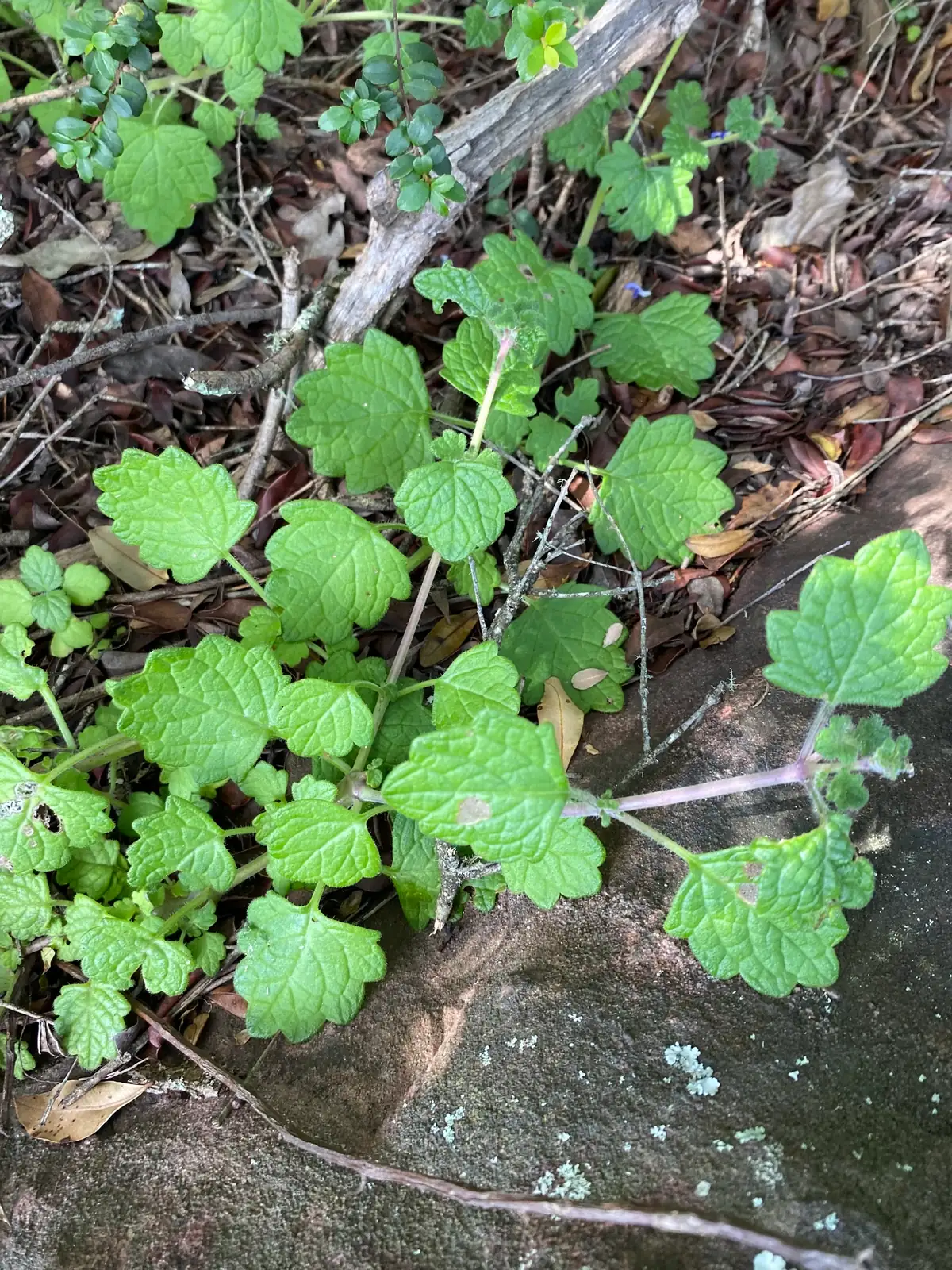
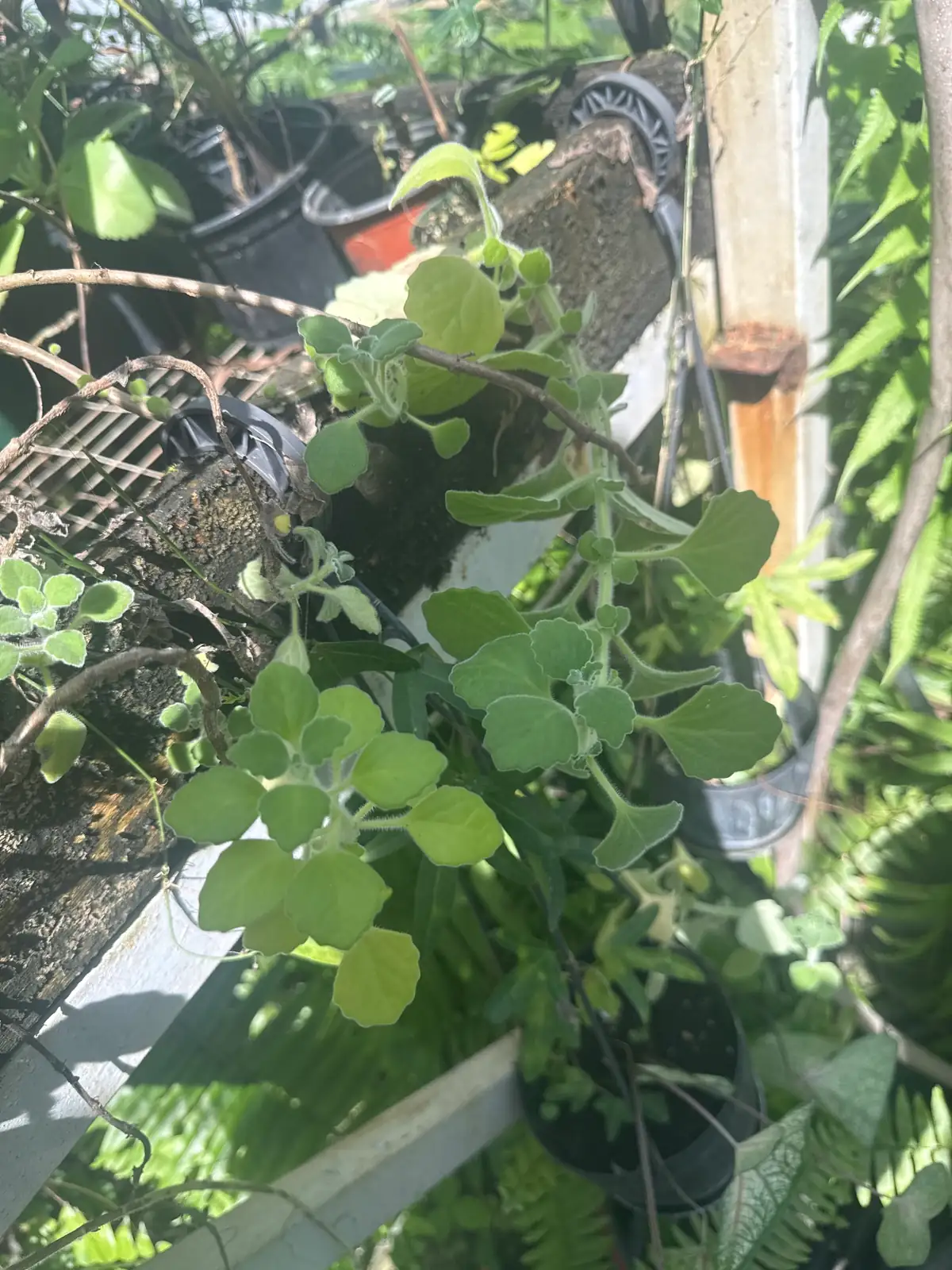
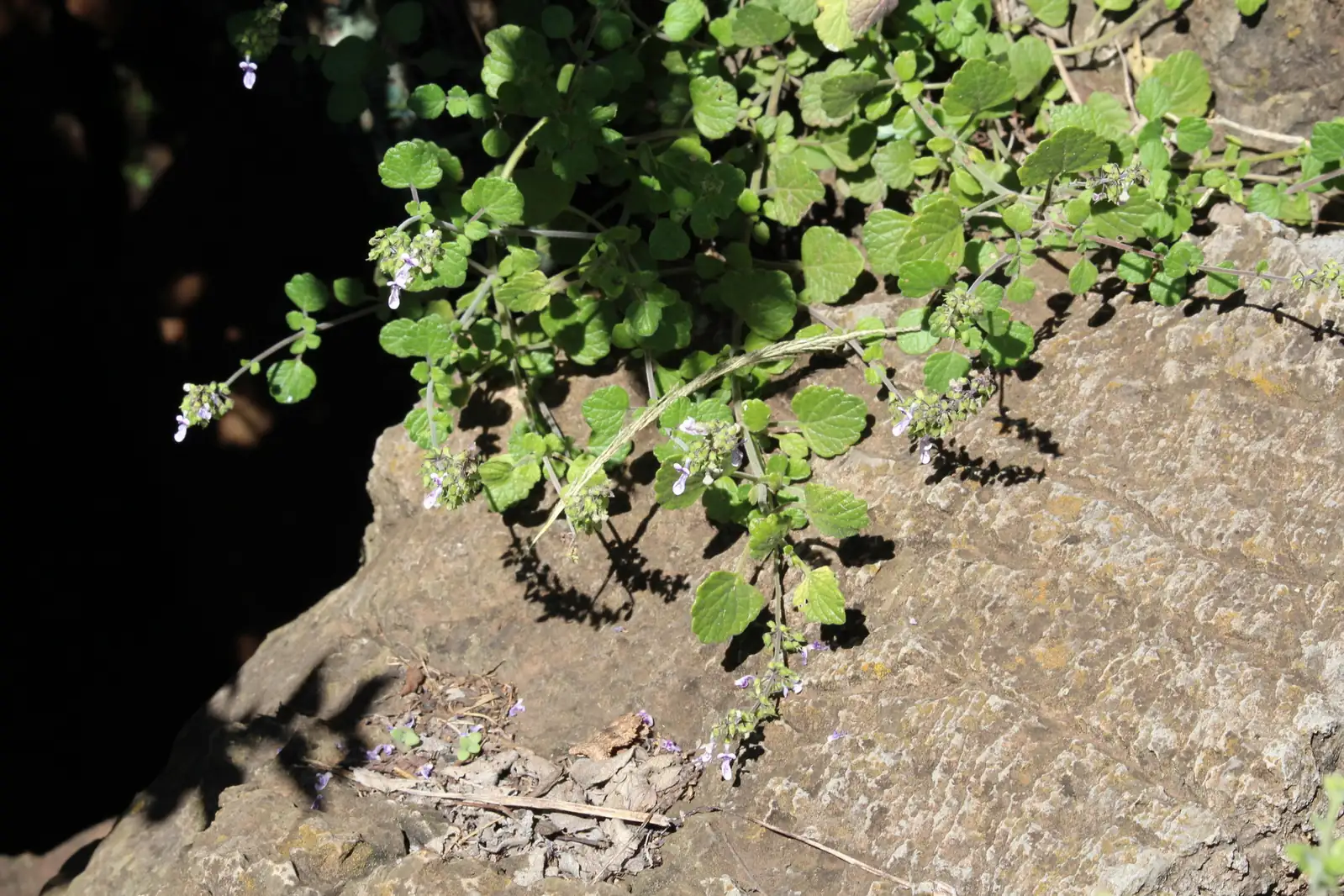
Plant Features
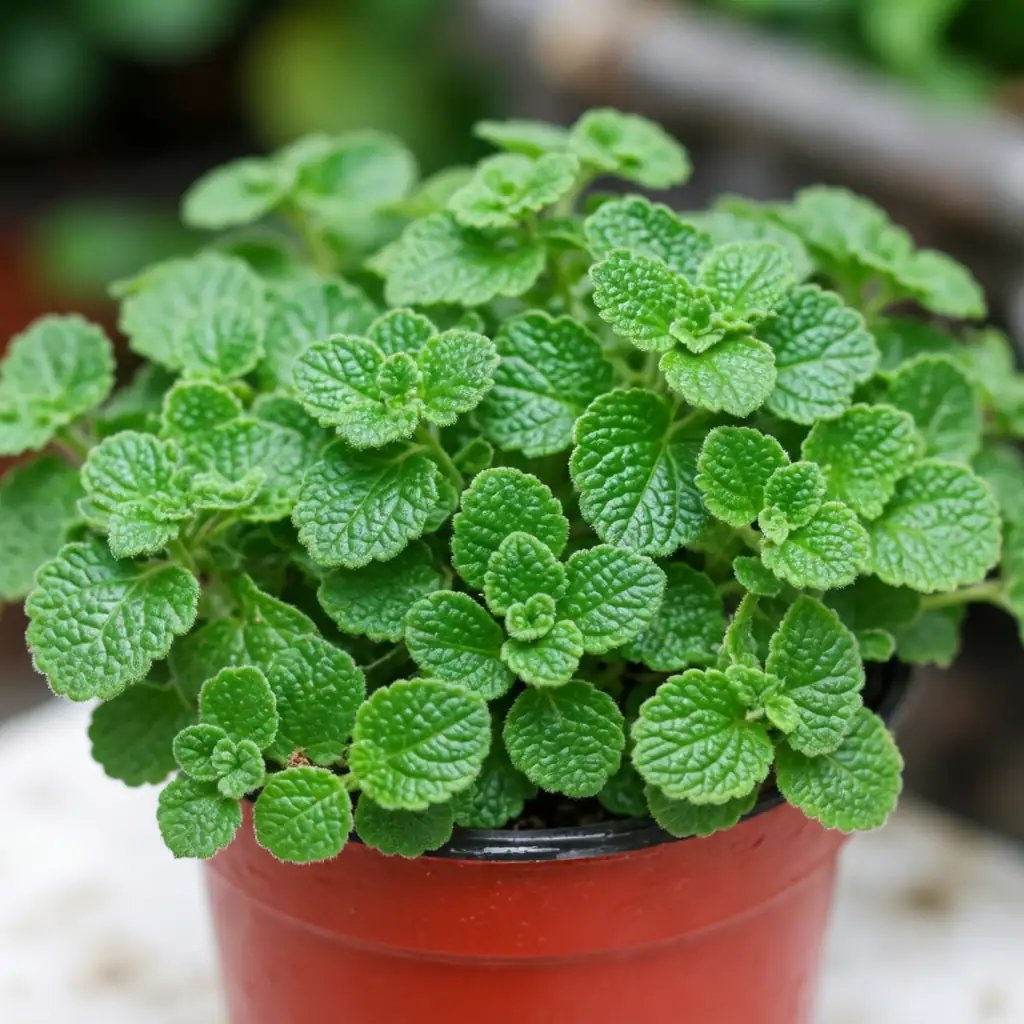
- Size: In pots it’s commonly kept around 15–30 cm (6–12 in) tall and about as wide, forming a compact mound that can sprawl slightly over the rim with age. For a fuller look, it’s often grown in a 15–20 cm (6–8 in) diameter pot, planting 3 (up to 3–5) young plants together. To build a bushy shape, pinch seedlings at 8–10 cm (3–4 in) tall and top rooted cuttings at 12–15 cm (5–6 in).
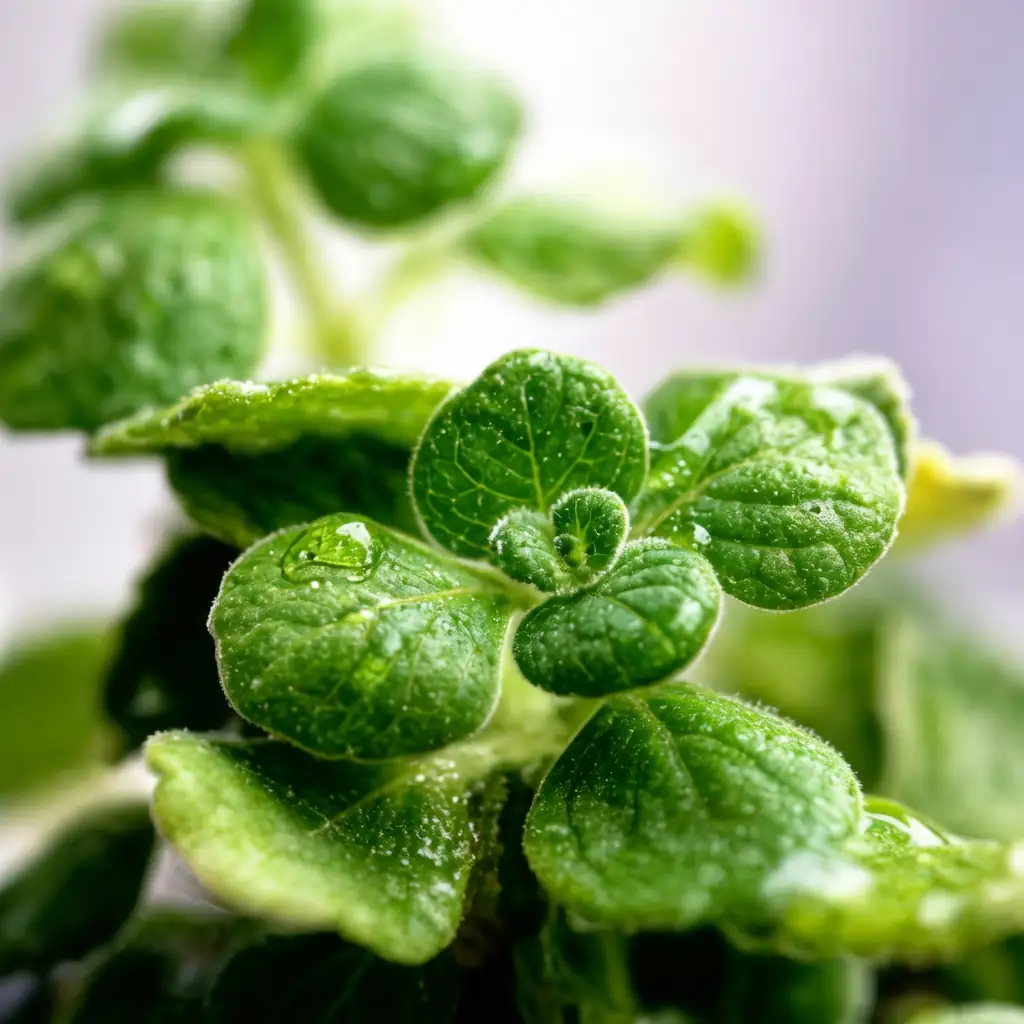
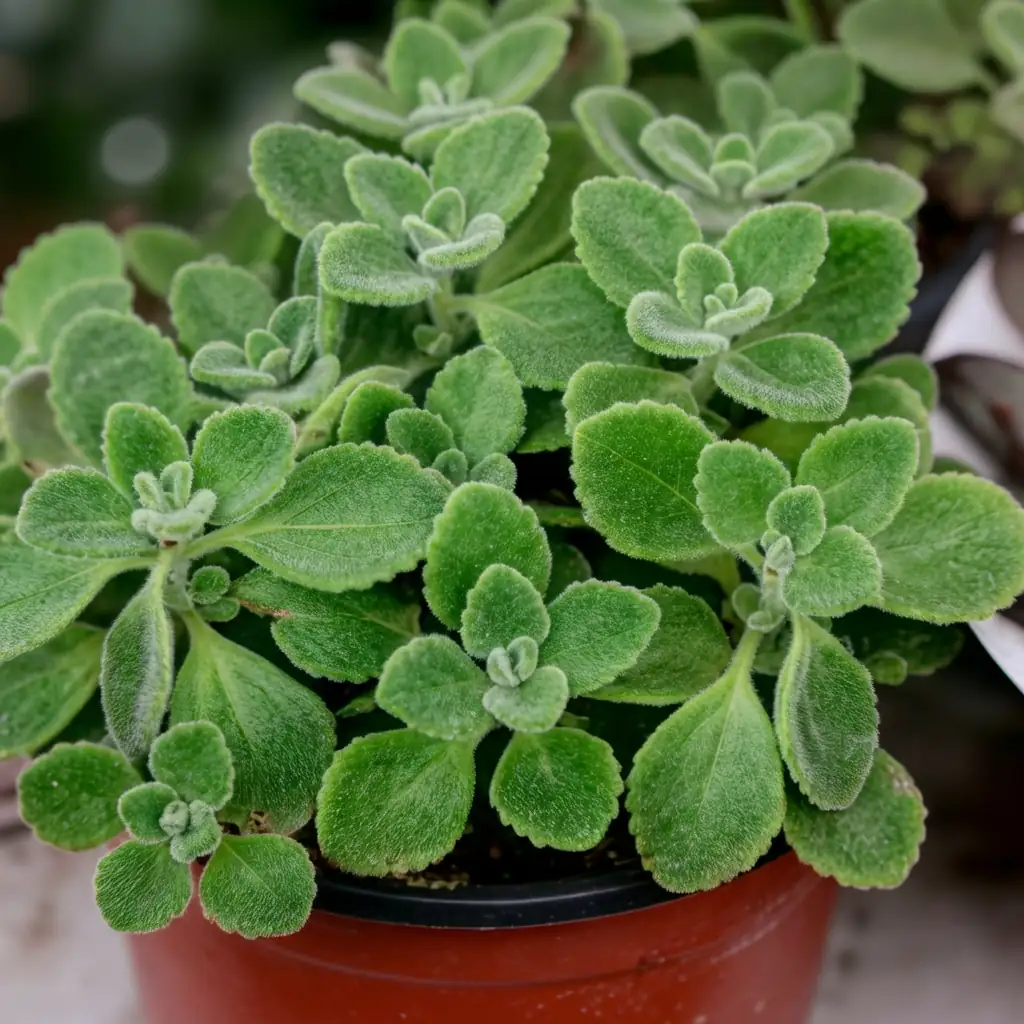
- Foliage: Soft, velvety, gray‑green leaves densely covered in fine hairs. When rubbed or brushed, the foliage releases a fresh menthol/Vicks-like aroma. In strong light the leaves tend to become thicker and more semi-succulent; in low light they can grow thinner and flatter.
- Flower: Small, mint-family flowers carried on short spikes; typically pale and not especially showy. Flowers are a bonus, but the fragrant fuzzy foliage is the main ornamental feature.
- Flowering Season: Summer.
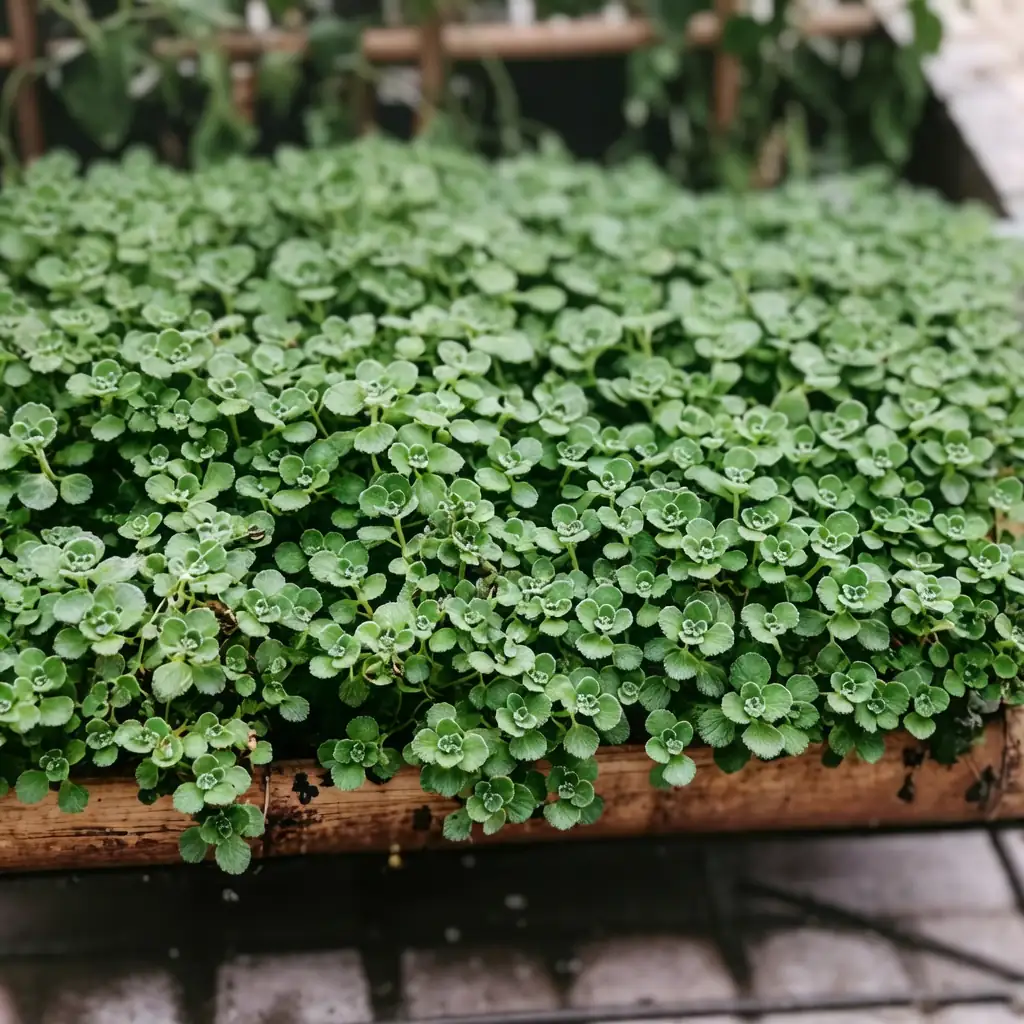
- Growth Habit: Bushy, branching, low mounding plant with a semi-succulent feel; very free-branching and may become slightly trailing or layered along the pot rim over time.
Environment
Sunlight
Bright light with some gentle direct sun is ideal; it also tolerates partial shade. A bright east window or a south/southwest window with light filtering is excellent. Avoid harsh midday sun through glass, which can scorch the leaves.
Temperature
Best grown at 10–25°C (50–77°F). Keep above 10°C (50°F) in winter; protect from cold drafts and frost.
Humidity
Average indoor humidity is usually fine. It prefers moderate humidity with good airflow, but avoid persistently high humidity, wet leaves, and stagnant air—especially when the soil is on the wet side.
Soil
Fertile but fast-draining potting mix. A good blend is a quality indoor mix (peat/coco-based with compost/leaf mold) amended with extra aeration (perlite/pumice/coarse sand). Avoid heavy mixes that stay waterlogged.
Placement
Bright windowsill, sunny balcony/patio with protection from scorching sun, or well-lit desks/side tables. Prioritize strong light and ventilation while avoiding cold drafts.
Hardiness
Frost-tender; generally grown as a houseplant. Outdoors year-round only in mild climates, roughly USDA Zone 10–11 (must avoid freezing).
Care Guide
Difficulty
Easy overall. It’s fast from cuttings and naturally bushy; the main pitfalls are overwatering (rot) and cold stress.
Buying Guide
Pick a compact, bushy plant with firm stems and evenly colored, fuzzy leaves. Gently touch a leaf—healthy plants have a clear, pleasant menthol-like scent. Avoid sour-smelling, soggy pots, blackened stem bases, or soft/mushy growth (classic rot warnings).
Watering
Aim for “even moisture, never soggy.” During active growth, let the surface of the mix dry first, then water thoroughly until water runs from the drainage holes; always empty the saucer and never let it sit in water. Avoid frequent tiny sips and avoid wetting the leaves.
Winter: reduce watering and keep slightly on the dry side while maintaining warmth and bright light.
If it suddenly droops and the stems feel soft from dry pockets in the root ball, rehydrate by soaking the whole pot in water until the mix is evenly wet, then let it drain completely. In the growing season, a full soak like this can be helpful about 1–2 times per month if needed.
Fertilization
April–October: feed about once per month with a balanced liquid houseplant fertilizer at label rate (or a mild organic liquid feed). Reduce or stop feeding in winter.
Pruning
Pinch tips to encourage branching and a dense mound: pinch seedlings at 8–10 cm (3–4 in) and top young rooted cuttings at 12–15 cm (5–6 in). Remove yellowing or dead leaves (especially near the base) to keep it tidy and reduce rot risk.
Propagation
Cuttings (easiest): Take soft tip cuttings about 10 cm (4 in) long; root in a peat/coco-based medium in warm bright conditions. Rooting can be very fast (often about 4–5 days), and cuttings may be ready to pot up in about 1 week.
Water propagation: In early summer, take a semi-mature cutting about 15 cm (6 in) long, remove 2–3 lower leaves, and place the lower half in clean water; change water every 5–7 days and pot up once well-rooted.
Seed: Sow fresh seed when ripe, cover very lightly, and keep evenly moist. Best germination at 19–24°C (66–75°F), typically in 7–10 days.
Water culture (less common): Some growers transition plants to water culture during spring repotting by gently washing soil from roots and anchoring with stones.
Repotting
Repot yearly in spring. Use a free-draining, fertile mix and a 15–20 cm (6–8 in) pot. For a lush, full pot, plant 3 (up to 3–5) young plants together.
📅 Seasonal Care Calendar
Spring: Repot; refresh plants from cuttings; begin pinching for bushiness; keep lightly moist.
April–October (active growth): Water after the surface dries; fertilize about monthly; propagation is quick and reliable.
Summer: Typical flowering season; protect from scorching midday sun; watch for soggy soil.
Autumn: Continue the “dry a bit, then water well” rhythm; gradually reduce watering.
Winter: Keep above 10°C (50°F), place in the brightest spot, water sparingly, and avoid cold drafts.
Pests, Diseases & Safety
Common Pests & Diseases
Often relatively pest-resistant (the strong aroma may help), but stressed plants can still get mealybugs, aphids, or spider mites. The most common serious issue is stem/root rot or sudden collapse from overwatering, heavy soil, wet leaves, and poor airflow. Prevent with fast-draining mix, proper dry-down between waterings, good ventilation, and emptying saucers promptly.
Toxicity
Toxicity is not well documented. Treat it as a non-food ornamental: discourage chewing and keep out of reach of pets and children. The aromatic oils may cause mild stomach upset if eaten or skin irritation in sensitive people.
Culture & Symbolism
Symbolism: Often linked with freshness and comfort thanks to its clean, menthol-like scent; it’s also commonly associated with happiness, good fortune, and a harmonious home in everyday plant culture.
History & Legends: A longtime “windowsill classic” in many places. Its common name comes from the leaf scent, which reminds many people of menthol chest rub products.
Uses: Mainly grown as an ornamental, fragrant foliage plant for windowsills, desks, and patios. It’s enjoyed as a naturally scented plant and is sometimes kept near sitting areas because its aroma is popularly believed to help deter insects.
FAQ
How do I water it correctly without overdoing it?
Let the top of the potting mix dry first, then water thoroughly until it drains from the bottom. Don’t leave water in the saucer. In winter, water much less and keep it slightly drier.
Why are the stems soft and the leaves wilted?
Two common causes are soggy soil (leading to rot) or dry pockets from uneven watering. Check the mix: if it’s very wet, improve drainage and water less. If parts are bone-dry while others are wet, soak the whole pot until evenly moist, then drain fully; in the growing season this kind of full rehydration can be used about 1–2 times per month if needed.
Why are my leaves getting thin and flat?
It usually needs more light. Move it to a brighter spot (like a south-facing window with a sheer curtain) so it can form thicker, fuller leaves without scorching.
How do I propagate it in water?
Take a semi-mature cutting about 15 cm (6 in) long, remove 2–3 lower leaves, and place the lower half in clean water. Change the water every 5–7 days and pot it up once it has a good set of roots.
Fun Facts
- Brushing the leaves gives a gentle fragrance; crushing a leaf makes the scent much stronger.
- Tip cuttings can root surprisingly fast—often within about 4–5 days in warm, bright conditions.
- Fresh seed can germinate quickly: often about 7–10 days at 19–24°C (66–75°F).
- It’s a classic “pass-along plant” because it propagates so easily and shares well.


