Plant Features
- Size: Up to about 75 × 30 cm (30 × 12 in) in typical indoor conditions
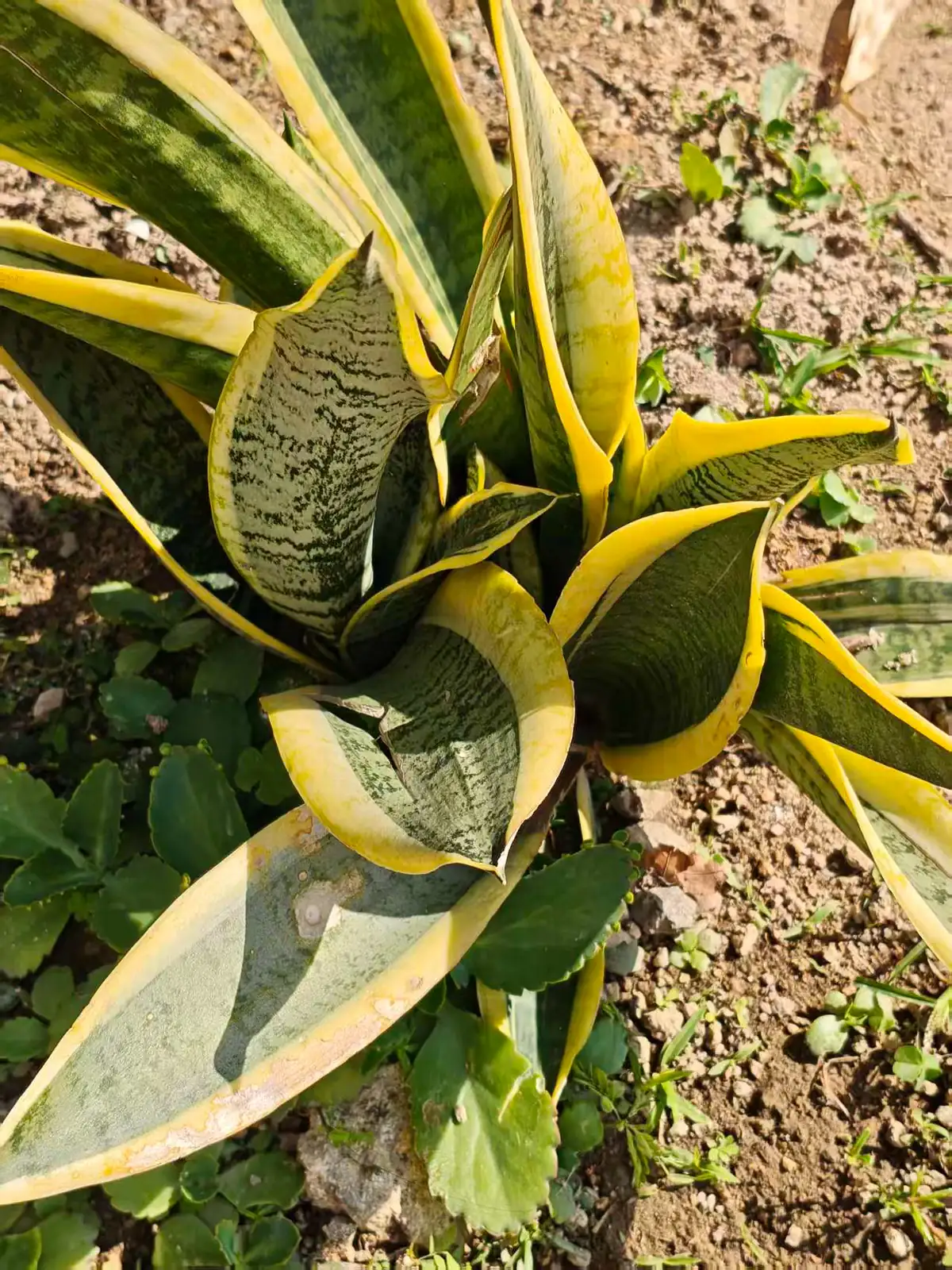
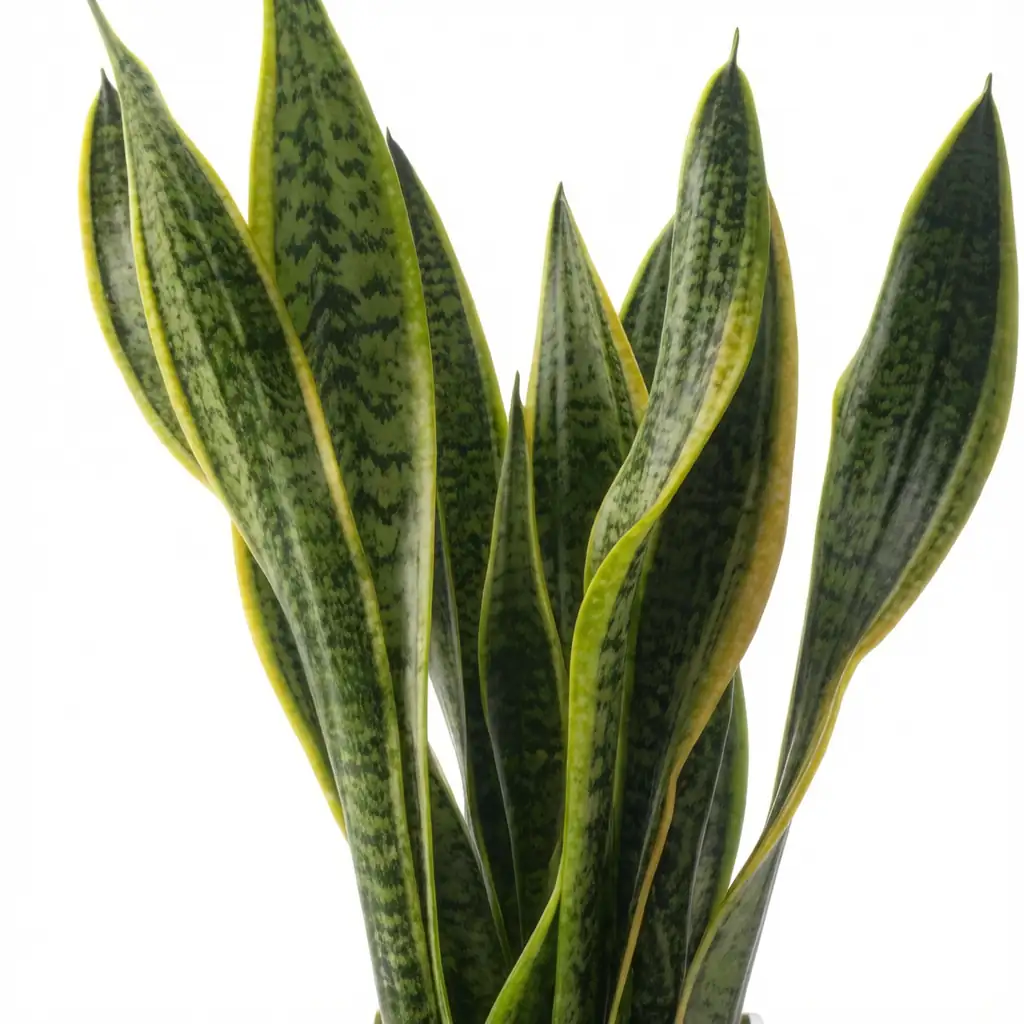
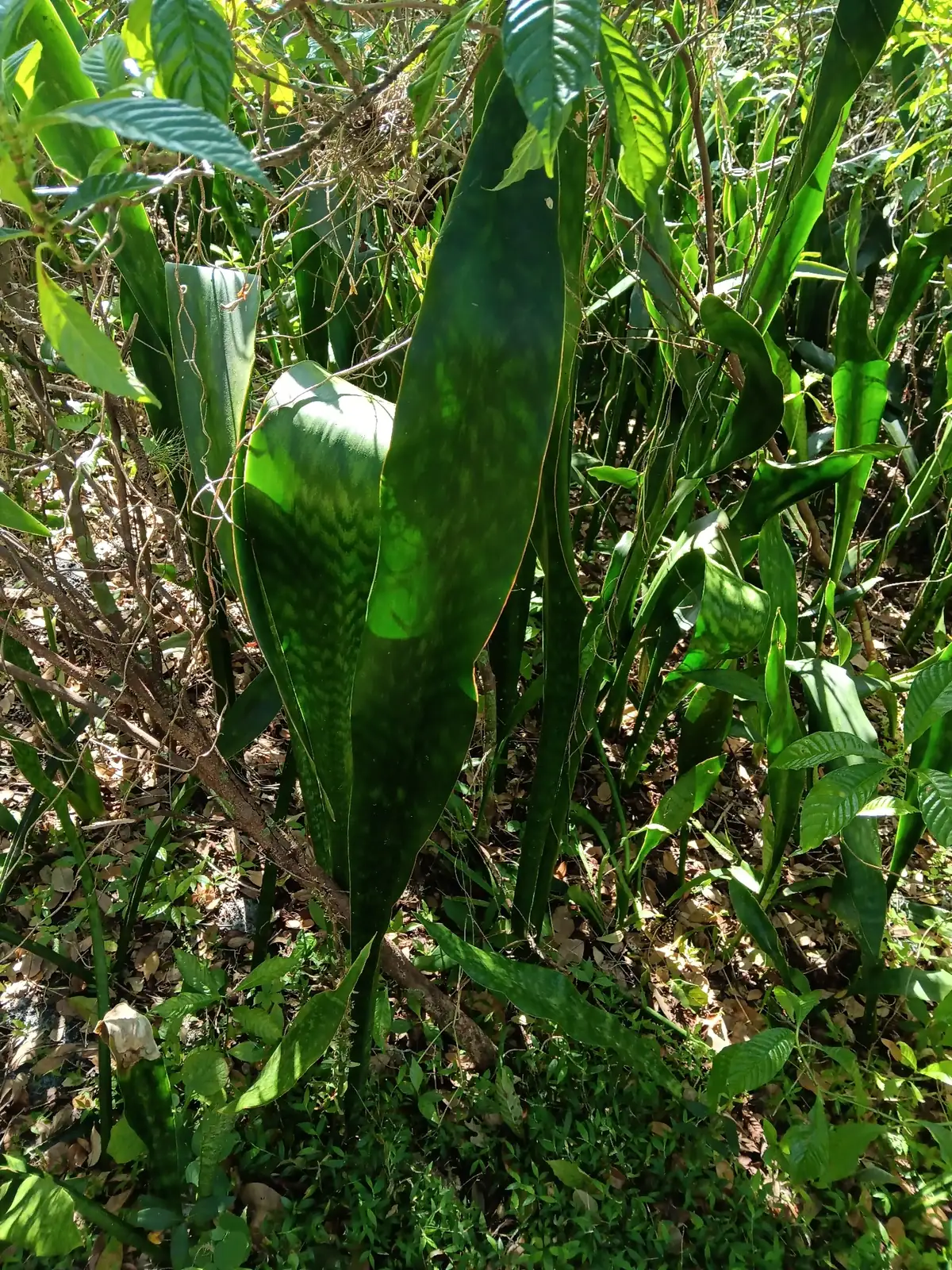
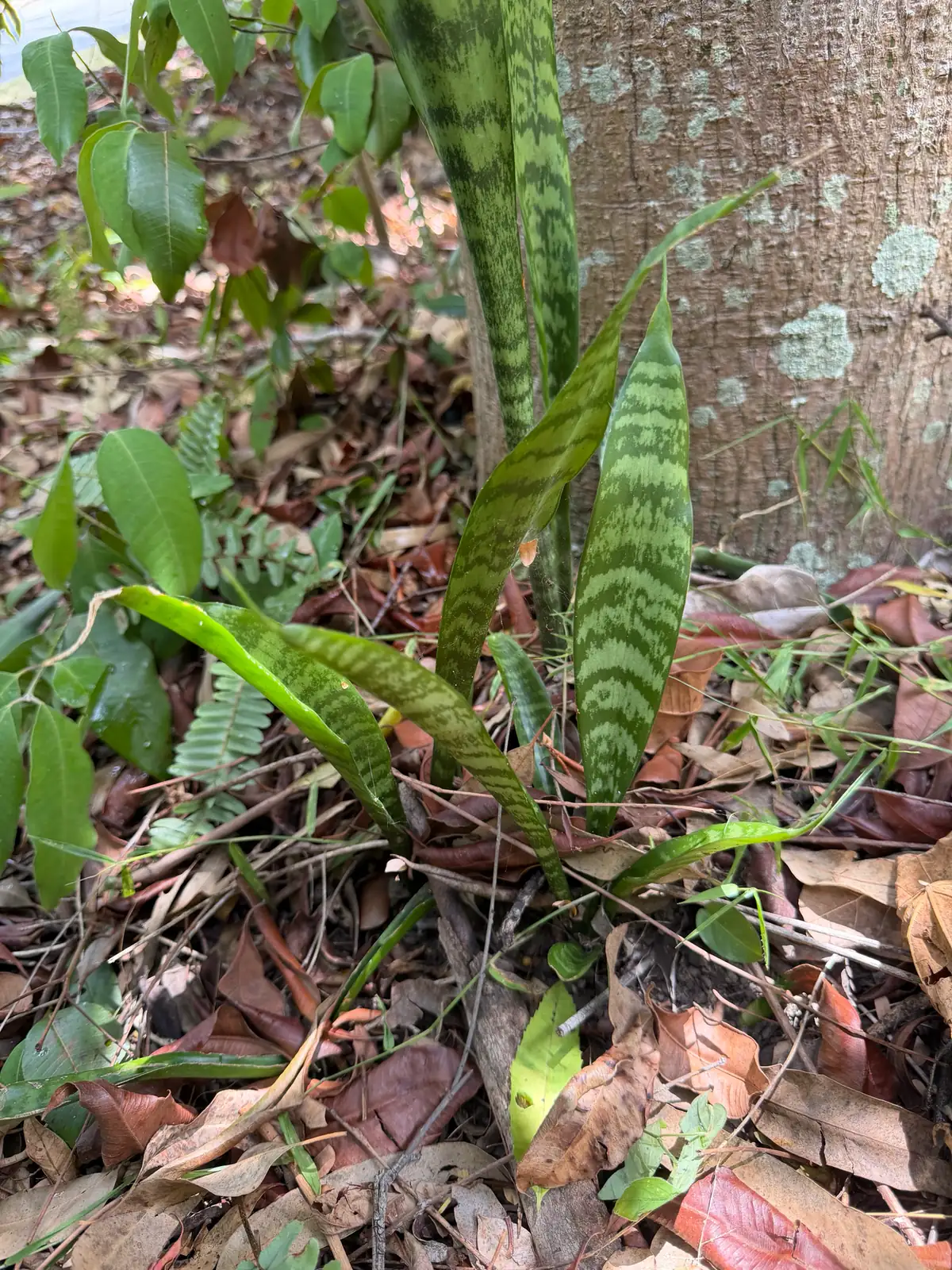
- Foliage: Compact clumps of stiff, upright, sword-shaped leaves; mottled silvery to mid-green with darker cross-banding and a bold golden-yellow edge.
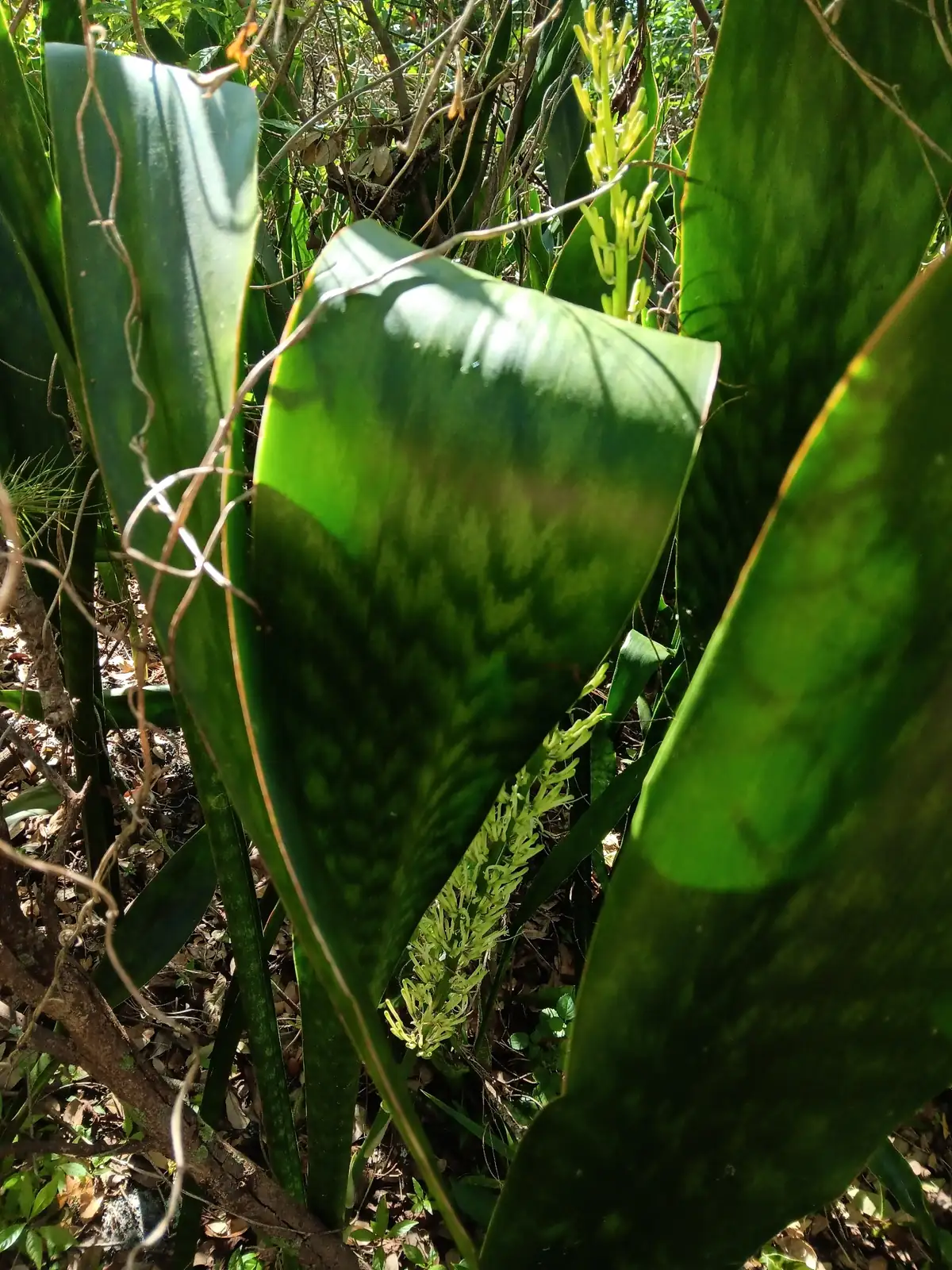
- Flower: An occasional indoor bloomer. It can send up slender spikes with small, greenish-white to cream, pleasantly fragrant flowers; these may be followed by orange berries, though fruiting is rare indoors.
- Flowering Season: Irregular; most often late winter to summer indoors (not reliable)
- Growth Habit: Clump-forming, upright evergreen perennial with creeping rhizomes.
Environment
Sunlight
Bright indirect light to part shade; tolerates low light. Avoid prolonged harsh direct sun, which can scorch leaves.
Temperature
15–24°C (59–75°F); avoid prolonged exposure below about 10°C (50°F).
Humidity
Low to average indoor humidity; does not require misting.
Soil
Fast-draining cactus/succulent mix in a pot only slightly larger than the root/rhizome mass; prefers being snug rather than over-potted.
Placement
Indoors near an east/north window or a few feet back from a bright south/west window; keep out of intense midday sun.
Hardiness
USDA Zone 10–12 (50–60°F / 10–16°C minimum); frost-tender.
Care Guide
Difficulty
Easy; best for forgetful watering. The main risk is overwatering, especially in winter.
Buying Guide
Choose plants with firm, upright leaves and no soft, mushy bases. Avoid pots with sour-smelling, constantly wet mix or visible rot; check for mealybugs along leaf joints and at the soil line.
Watering
Spring to autumn: water only when the top of the potting mix has dried, then drain excess. Winter: water about once a month, or less in cool/low-light rooms. Do not leave the pot standing in water—overwatering leads to root/rhizome rot.
Fertilization
Spring to autumn: feed once a month with a balanced liquid fertilizer at 1/2 strength. Do not fertilize in winter.
Pruning
Remove damaged or collapsing leaves by cutting cleanly at the base. Wipe leaves to keep pores clear and improve appearance.
Propagation
Divide rhizomes (best, keeps variegation). Leaf cuttings will root, but variegated cultivars may revert to mostly green growth.
Repotting
Repot only when severely root-bound or the pot is cracking. Use a gritty cactus/succulent mix and a pot just large enough to fit the roots/rhizomes—this plant prefers tight quarters.
📅 Seasonal Care Calendar
Spring–autumn: water when the surface dries; fertilize monthly at 1/2 strength. Winter: water about once monthly (or less if cool/low light); no feeding.
Pests, Diseases & Safety
Common Pests & Diseases
Root/rhizome rot from overwatering is the most common issue. Also watch for mealybugs and scale; treat early with wiping and appropriate insecticidal soap or horticultural oil.
Toxicity
Toxic if chewed or ingested (contains saponins). Keep away from children and pets; may cause mouth irritation, drooling, vomiting, or diarrhea.
Culture & Symbolism
Symbolism: Often associated with resilience, protection, and steadfastness because it tolerates tough indoor conditions.
History & Legends: Long cultivated as a hardy houseplant; historically sold under the genus Sansevieria, now commonly treated within Dracaena in modern taxonomy.
Uses: Primarily an ornamental foliage plant; valued for durability and for helping maintain a fresher-feeling indoor environment.
FAQ
Why are my snake plant leaves turning soft at the base?
This is usually rot from overwatering or cold, wet soil. Let the mix dry, remove any mushy tissue, and repot into a dry, fast-draining mix if needed. Water much less in winter.
Can it live in low light?
Yes, it tolerates low light well, but growth will be slower and variegation may be less vivid. Bright indirect light gives the strongest color and sturdier leaves.
Fun Facts
- The cultivar name ‘Laurentii’ is the classic yellow-edged form commonly sold worldwide.
- It stores water in thick leaves and rhizomes, which is why it copes so well with missed waterings.