Plant Features
- Size: Typically up to about 1.2 m tall × 0.6 m wide (4 ft × 2 ft), depending on species and growing conditions.
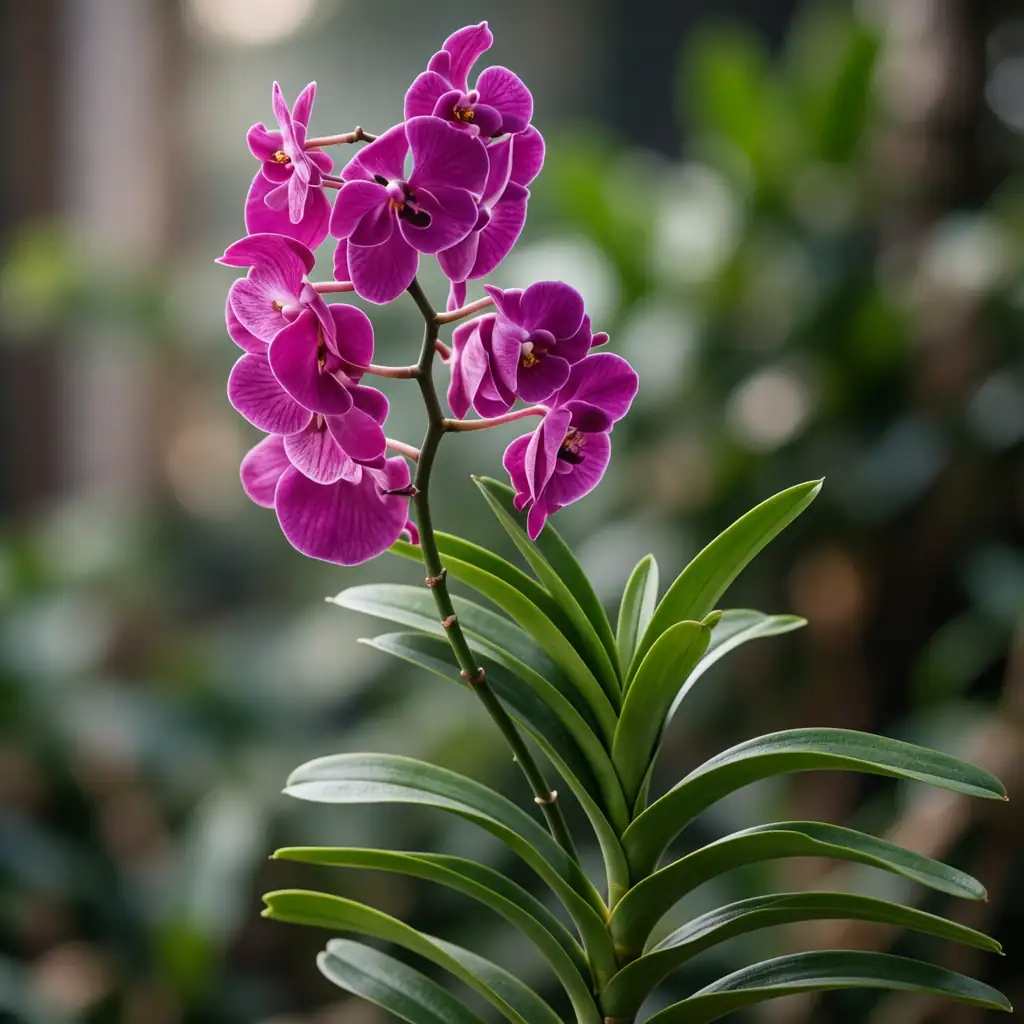
- Foliage: Evergreen, strap-shaped to slightly channeled leaves arranged in rows along an upright stem (details vary by species and hybrid).
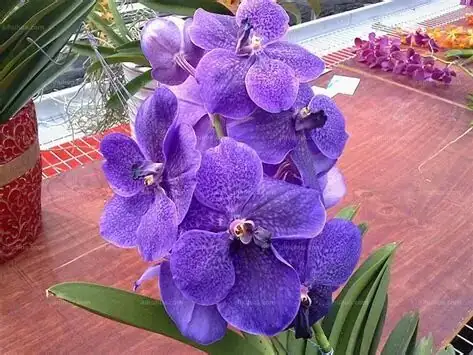
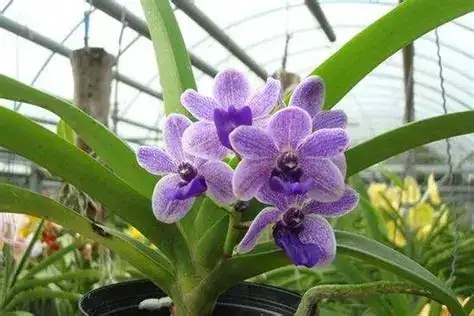
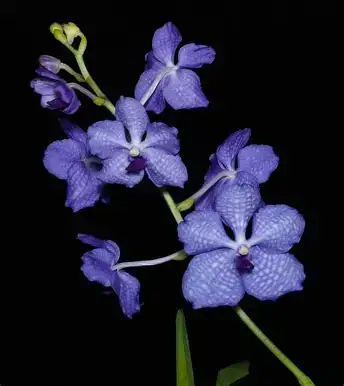
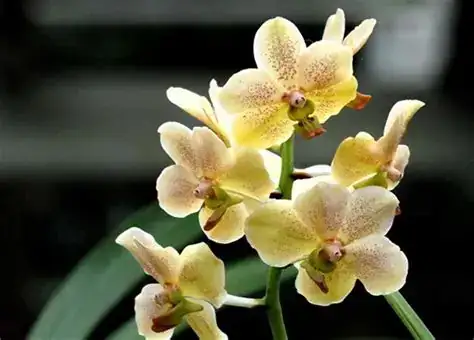
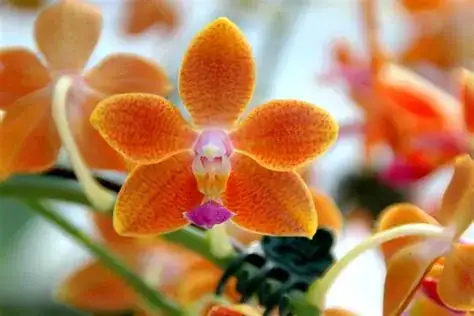
- Flower: Large, bright, long-lasting flowers—often spotted or tessellated (checkered). Blooms in many cultivated types can reach about 15 cm (6 in) across.
- Flowering Season: Spring to summer (many hybrids can bloom at other times with strong light and warmth).
- Growth Habit: Monopodial, upright epiphytic orchid with thick aerial roots. Commonly grown mounted, bare-root in open slatted baskets, or in clear containers with minimal media to maximize airflow.
Environment
Sunlight
Bright light with protection from strong direct midday sun. Indoors, an east window or a lightly shaded south/west window is often ideal; provide higher light in winter if possible without scorching.
Temperature
16–32°C (61–90°F). Avoid prolonged chills below about 12–15°C (54–59°F).
Humidity
Prefers high humidity, ideally 60–80%+ paired with constant gentle air movement. Mist roots as needed, use a humidifier, and ensure the plant can dry quickly after watering.
Soil
Usually not grown in typical potting mix. Best bare-root in a slatted basket, mounted, or in a large clear pot with very coarse supports (e.g., large bark/charcoal) so roots stay airy and fast-drying.
Placement
Ideal in a warm, well-ventilated greenhouse. Indoors, a very bright bathroom or a bright room supplemented with humidity and airflow works well. Keep out of scorching direct sun and avoid stagnant corners.
Hardiness
Not frost hardy; keep above 12–15°C (54–59°F). Outdoors only in very warm climates (roughly USDA Zone 11–12) or as a summer plant that’s brought indoors before cool nights.
Care Guide
Difficulty
Challenging: Vandas need very bright light, steady warmth, high humidity, frequent watering, and excellent airflow—especially when grown bare-root.
Buying Guide
Look for firm, green leaves and plenty of plump, silvery-green roots. Avoid plants with blackened/mushy/foul-smelling roots, heavy leaf spotting, or signs of crown rot. Flowers are a bonus, but active healthy roots are what predict long-term success.
Watering
Water in the morning. For bare-root plants, soak roots in lukewarm rainwater or distilled water for about 15 minutes, then drain thoroughly—roots should turn green when hydrated. In winter, reduce to about once every 3–4 days, adjusting for temperature, light, and airflow. Maintain humidity by misting or using a humidifier, but never leave water sitting in the crown (a common cause of rot).
Fertilization
During active growth, feed weekly with a diluted orchid fertilizer (“weakly, weekly”), wetting both roots and foliage. In winter, reduce to about once every 2 months.
Pruning
Remove spent flower spikes after blooming. Only trim roots that are clearly dead (brown, hollow, brittle); keep firm roots even if they look silvery when dry. Avoid damaging the crown.
Propagation
Most commonly by division of large plants or by removing keikis (plantlets) once they have several roots at least 5–8 cm (2–3 in) long. Seed propagation is specialist-level and not typical for home growers.
Repotting
Repot only when necessary (e.g., the basket breaks or the plant outgrows it). Soak roots first to make them flexible, then handle gently. A common low-stress method is placing the entire plant (often still in its smaller basket) into a larger basket to avoid root damage.
📅 Seasonal Care Calendar
Spring–summer: peak growth and common flowering time; keep warmth, high humidity, and frequent watering/feeding. Autumn: slightly cooler nights (while keeping warm bright days) can help encourage bud formation. Winter: provide the brightest safe light; water about every 3–4 days and fertilize about once every 2 months.
Pests, Diseases & Safety
Common Pests & Diseases
Pests can include scale insects, mealybugs, spider mites (especially when air is dry), thrips, and aphids. Diseases often relate to stagnant conditions—crown rot and root rot are the big ones. Prevent problems with strong airflow, fast drying, clean water, and keeping water out of the crown; treat pests with orchid-safe horticultural soap/oil or appropriate controls.
Toxicity
Generally considered non-toxic to people and pets, though sap may cause mild irritation in sensitive individuals. It’s still best to discourage pets from chewing leaves or roots.
Culture & Symbolism
Symbolism: Often linked with beauty, luxury, and refined elegance (orchid symbolism can vary by culture and flower color).
History & Legends: Vandas have been treasured across tropical Asia for generations and became especially important in modern orchid breeding—many famous, showy hybrids used for display and the cut-flower trade trace part of their lineage to Vanda.
Uses: Primarily ornamental. Commonly displayed in open baskets, mounted arrangements, or even glass vases to highlight both the dramatic flowers and the sculptural aerial roots.
Fun Facts
- Many Vandas are intentionally grown with little to no potting media—those thick roots are built to grab moisture fast and then dry quickly.
- Root color is a handy watering cue: silvery roots are dry, and green roots have been recently watered.